
Phentermine: what it is, safety, and how to get it
Phentermine is a short term prescription appetite suppressant for weight loss. Learn how it works, who should avoid it, and side effects.
Key facts
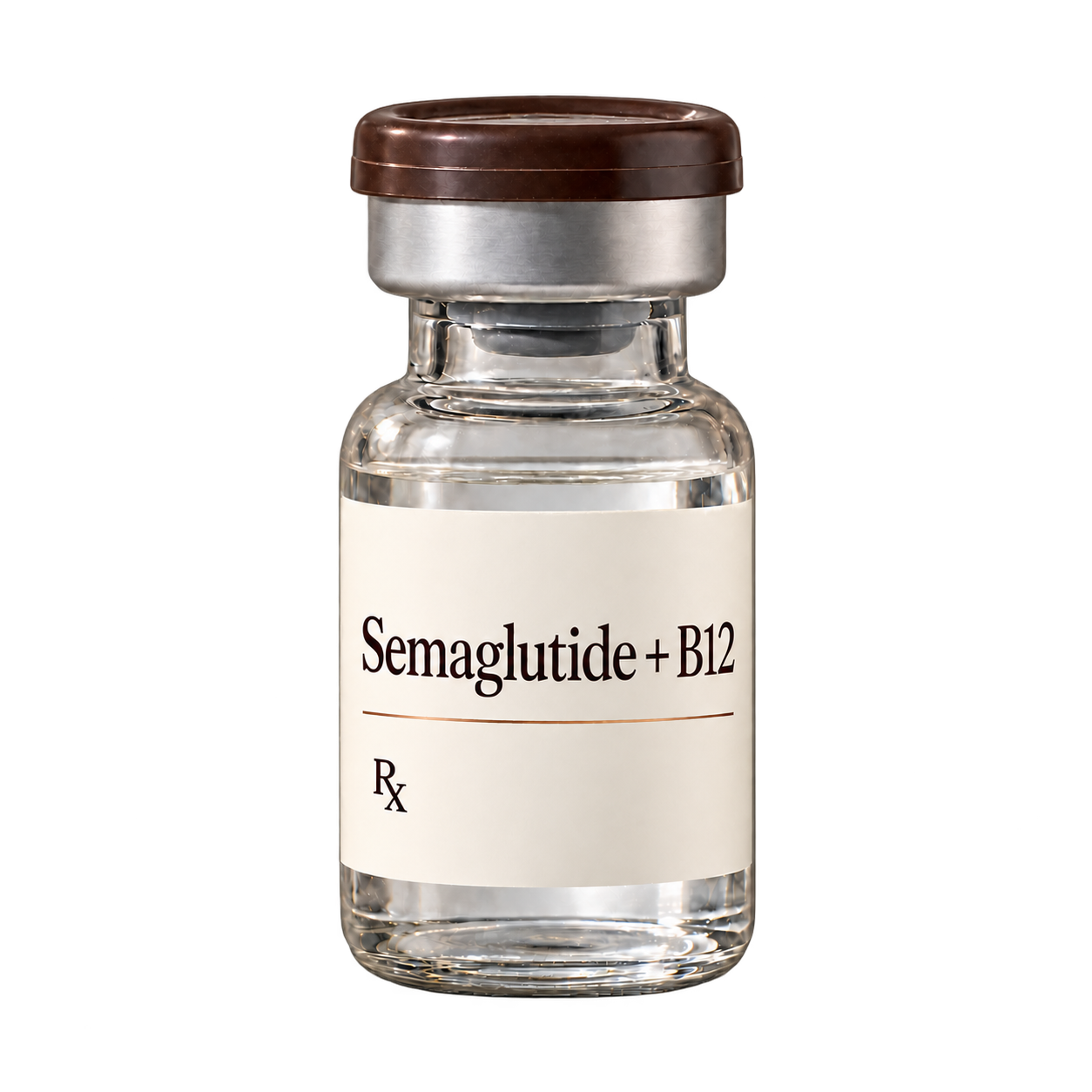
- Semaglutide + B12 is $157/month (billed $157 every 4 weeks), charged only after a clinician approves it.
- Answer a few health questions online. A licensed clinician reviews them. If approved, it ships to your door.
- Adults 18 or older. A licensed clinician reviews your health history and decides whether treatment is appropriate for you. Availability depends on the state you live in.
- A $20 clinician review, refunded if you don’t qualify.


Phentermine is a prescription medication used short term to support weight loss in people with obesity or overweight plus weight related health risks. It works mainly by reducing appetite, and it is meant to be used alongside diet and activity changes. This page explains how phentermine works, who it may or may not fit, key safety issues, and how access typically works. If you are comparing options, Vitals Vault can help you review treatment paths with a licensed clinician.
- Phentermine is a short term prescription appetite suppressant for weight loss.
- It is a Schedule IV controlled substance, so refills and duration are limited.
- It is used with a reduced calorie diet and increased physical activity.
- Common effects include dry mouth, insomnia, and increased heart rate.
- Avoid it with MAO inhibitors, pregnancy, hyperthyroidism, or uncontrolled hypertension.
What phentermine is
A prescription weight loss drug
Phentermine is a prescription medication approved as a short term aid for weight reduction. It is used together with a reduced calorie diet and increased physical activity. It is not a vitamin, supplement, or over the counter product.
A stimulant like medicine
Phentermine is chemically related to amphetamines and can have stimulant type effects. That is why it can affect sleep, heart rate, and blood pressure. Your clinician weighs these risks against potential benefit for you.
A controlled substance
Phentermine is a Schedule IV controlled substance under US federal law. This can affect how it is prescribed, how often it can be refilled, and how closely it is monitored. It also means it has potential for misuse and dependence.
Not a brand only medication
Phentermine is the generic drug name, and it is available in multiple dosage forms depending on the product. Some people may see older brand names referenced, but what matters clinically is the active ingredient and the specific formulation prescribed.
- FDA approved use
- Short term adjunct in a regimen of weight reduction with diet and exercise.
- Controlled substance schedule
- Schedule IV (CIV) under the Controlled Substances Act.
- How it is taken
- By mouth as a tablet or capsule, depending on the product.
- What it is not
- Not approved for long term use and not approved for cosmetic weight loss.
How phentermine works
Suppresses appetite
Phentermine is considered an anorectic, meaning it helps reduce appetite. In practice, many people notice less hunger and fewer cravings while it is active. That reduced intake is the main way it supports weight loss, not by directly burning fat.
Acts on the brain
Phentermine affects the central nervous system and is thought to increase certain neurotransmitters involved in appetite regulation. This is also why it can cause nervousness, restlessness, or trouble sleeping in some people. Your clinician may adjust timing or choose a different option if side effects are limiting.
Works best with a plan
The FDA labeling describes phentermine as an adjunct, meaning it is added to diet and exercise rather than replacing them. If you stop the lifestyle changes, the medication alone is less likely to help. Many clinicians also use structured follow up to support behavior change and safety monitoring.
Who phentermine is for
Adults with obesity
Phentermine is indicated for adults with obesity based on body mass index (BMI). Clinicians also consider your medical history, current medications, and cardiovascular risk. It is usually one option among several weight management tools.
Adults with overweight plus risks
It may be used for adults with overweight when there are additional risk factors such as controlled hypertension, diabetes, or high cholesterol. The goal is to reduce health risk, not to reach a specific cosmetic target. Your clinician should confirm that the expected benefits outweigh stimulant related risks.
People needing short term support
Phentermine is approved for short term use. That makes it more suitable when a clinician is aiming for a limited course with close monitoring, rather than a long term maintenance medication. If you need longer term pharmacotherapy, your clinician may discuss other FDA approved options.
People who can monitor side effects
Because phentermine can raise heart rate or blood pressure and can affect sleep and mood, it is best suited to people who can check in regularly. Tell your clinician about anxiety, insomnia, substance use history, and any heart symptoms. Monitoring helps catch problems early.
Who should not take phentermine
Pregnancy
Phentermine is contraindicated in pregnancy. Weight loss is not recommended during pregnancy, and stimulant like medications can pose risks. If you could become pregnant, discuss contraception and what to do if pregnancy occurs.
MAO inhibitor use
Do not take phentermine if you are taking a monoamine oxidase inhibitor (MAOI) or have taken one within the last 14 days. This combination can cause dangerous increases in blood pressure. Tell your clinician about all prescription and nonprescription drugs you use.
Heart and blood vessel disease
Phentermine is contraindicated in people with a history of cardiovascular disease such as coronary artery disease, stroke, arrhythmias, congestive heart failure, or uncontrolled hypertension. Stimulant effects can worsen these conditions. Seek urgent care for chest pain, fainting, or severe shortness of breath.
Hyperthyroidism or glaucoma
Phentermine is contraindicated in hyperthyroidism and in glaucoma. These conditions can be worsened by stimulant like effects. If you have eye pain, vision changes, heat intolerance, tremor, or unexplained weight loss, tell your clinician before considering treatment.
Agitation or drug misuse history
Phentermine is contraindicated in agitated states and in people with a history of drug abuse. Because it is a controlled substance, clinicians screen for misuse risk and may choose alternatives when risk is elevated. Be honest about past substance use so you can get safer care.
What to expect on phentermine
Appetite changes first
Many people notice appetite suppression as the main early effect. You may feel full sooner or think about food less often. If you do not notice any benefit or side effects are significant, your clinician may reassess whether it is the right option.
Short term course
Phentermine is approved for short term use, and clinicians often plan a limited duration with follow up. If weight regain occurs after stopping, it does not mean you failed, it may mean you need a different long term strategy. Ask about nutrition support, activity planning, and other medications when appropriate.
Monitoring matters
Your clinician may monitor blood pressure, heart rate, sleep, mood, and any symptoms such as palpitations. You may also be asked about other stimulants like caffeine and decongestants. Regular check ins help balance effectiveness with safety.
Lifestyle still drives results
Phentermine is labeled as an add on to a reduced calorie diet and increased physical activity. If appetite is lower, it can be easier to follow a plan, but food choices still matter. A clinician or dietitian can help you choose a sustainable approach.
Phentermine side effects and warnings
Dry mouth
Dry mouth is a commonly reported effect. Sipping water, sugar free gum, and avoiding alcohol based mouthwashes can help. Tell your clinician if it is severe because it can affect dental health and comfort.
Insomnia or restlessness
Trouble sleeping, restlessness, or feeling jittery can occur due to stimulant like effects. Caffeine and other stimulants can make this worse. If sleep disruption persists, your clinician may adjust timing or consider a different treatment.
Increased heart rate or palpitations
Phentermine can increase heart rate and may cause palpitations. Contact a clinician promptly if you notice racing heartbeat, dizziness, or chest discomfort. Seek urgent care for chest pain, fainting, or severe shortness of breath.
Blood pressure increases
Phentermine can raise blood pressure, especially in people who already have hypertension. This is one reason it is contraindicated in uncontrolled hypertension and certain heart conditions. Monitoring is important if your clinician considers it appropriate for you.
Mood or behavior changes
Some people experience irritability, anxiety, or other mood changes. Because phentermine affects the central nervous system, tell your clinician about any worsening anxiety, agitation, or unusual behavior. If you feel unsafe or have thoughts of self harm, seek urgent help.
Misuse and dependence risk
Phentermine is a controlled substance and can be misused. Taking more than prescribed or using it longer than directed increases risk of dependence and serious side effects. If you have a history of substance use disorder, discuss safer alternatives with your clinician.
Cost and access for phentermine
What drives cost
Cost depends on the specific formulation (tablet or capsule), dose strength, pharmacy pricing, and whether you use insurance. Because phentermine is a controlled substance, some pharmacies have additional dispensing rules that can affect convenience. If you see prices on this page elsewhere, they come from the live catalog renderer, not estimates.
Insurance coverage varies
Coverage for weight loss medications varies widely by plan and employer, and some plans exclude obesity medications. Even when covered, prior authorization or step therapy may apply. Your clinician or pharmacy can help you understand what your plan requires.
Prescription rules can affect access
Because phentermine is controlled, prescriptions may have limits on refills and duration, and you may need follow up visits. State laws and pharmacy policies can also affect how prescriptions are filled. Plan for check ins so you do not run out unexpectedly.
What to do about coupon searches
If you searched for a phentermine coupon, focus on comparing pharmacy cash prices, checking whether your insurance covers it, and asking your clinician about alternatives if cost is a barrier. Be cautious with online offers that do not require a prescription. Legitimate access involves a clinician evaluation and a licensed pharmacy.
How to get phentermine safely
- 1
Start with a clinician evaluation
A licensed clinician reviews your health history, medications, and weight related risks to see if phentermine is appropriate.
- 2
Review contraindications and interactions
Discuss heart disease, blood pressure, thyroid disease, glaucoma, pregnancy risk, and any MAOI use or stimulant use.
- 3
Agree on monitoring and duration
Because it is short term and controlled, plan follow ups to monitor blood pressure, heart rate, sleep, and side effects.
- 4
Fill at a licensed pharmacy
Use a licensed pharmacy and follow the prescription exactly. Contact your clinician if benefits are limited or side effects occur.
Frequently Asked Questions
Is phentermine a controlled substance?
Yes. Phentermine is a Schedule IV controlled substance under US federal law, which reflects potential for misuse and dependence. This can affect refill limits, duration of therapy, and monitoring requirements.
Is phentermine a narcotic?
No. Phentermine is a stimulant like appetite suppressant and is not an opioid pain medication. It is still a controlled substance (Schedule IV), so it has specific prescribing and dispensing rules.
Does phentermine burn fat or just suppress appetite?
Phentermine mainly suppresses appetite, which can help you eat fewer calories. Any fat loss comes from maintaining a calorie deficit over time, typically alongside diet and activity changes. It is not a direct fat burner.
What is phentermine hydrochloride?
Phentermine hydrochloride is a salt form of phentermine used in many oral products. The active medication is phentermine, and the hydrochloride form helps with stability and dosing. Your prescription label will specify the exact product and strength.
What affects phentermine price at the pharmacy?
Phentermine price can vary by formulation, dose strength, pharmacy cash pricing, and whether your insurance covers weight loss medications. This page does not list prices in the text. If prices are shown elsewhere on Vitals Vault, they come from the live catalog renderer.