
Perimenopause weight gain supplements: what to know
Perimenopause weight gain supplements may help if they address deficiencies or sleep. Labs can guide safer choices and rule out other causes.
Key facts
- Answer a few health questions online. A licensed clinician reviews them. If approved, it ships to your door.
- Adults 18 or older. A licensed clinician reviews your health history and decides whether treatment is appropriate for you. Availability depends on the state you live in.





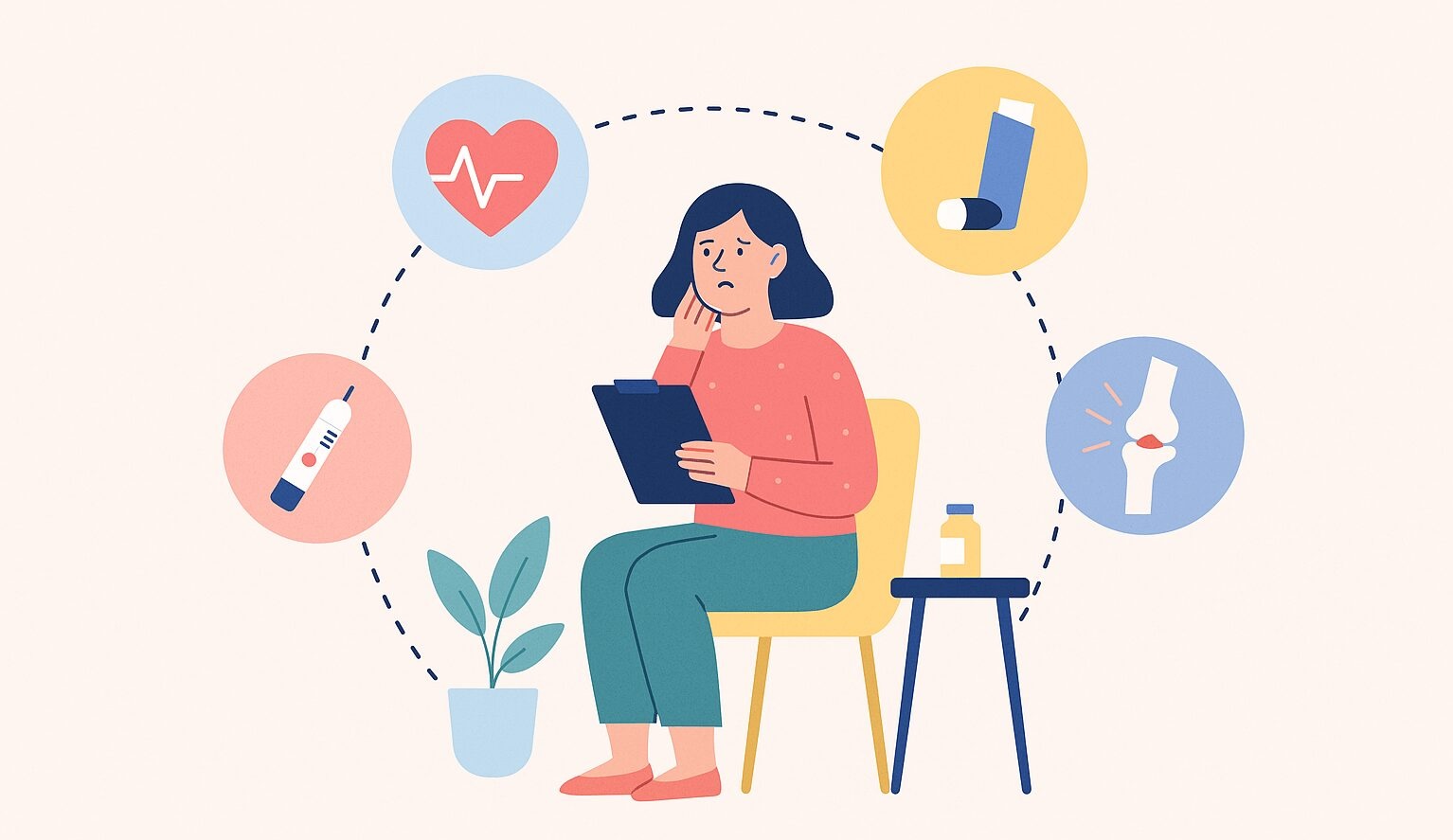
If you are searching for perimenopause weight gain supplements, you likely want a direct answer. There is no single supplement proven to reverse perimenopause related weight changes for everyone. Supplements can be useful when they correct a deficiency or support habits that affect weight, like sleep, energy, and strength training. Vitals Vault can help you start with labs that check common contributors to midlife weight change, so you can share results with a clinician and choose a safer, more targeted plan.
- Perimenopause weight gain supplements help most when correcting a deficiency or supporting sleep and activity.
- Midlife weight changes often reflect aging, sleep disruption, and activity shifts, not one hormone alone.
- Check thyroid, blood sugar, iron, and medication effects before stacking multiple supplements.
- Choose simpler products and review interactions with a clinician or pharmacist.
Do supplements help with perimenopause weight gain?
Deficiency correction
If you are low in a nutrient, replacing it can improve fatigue or exercise tolerance, which can indirectly support weight management. Vitamin D is important for bone health during the menopause transition. Testing helps you avoid unnecessary or excessive dosing.
Sleep and stress support
Perimenopause can disrupt sleep through night sweats, insomnia, and mood changes. Better sleep can support appetite regulation and energy for activity. Sleep supplements vary widely in quality and can interact with other medications, so review ingredients with a clinician.
Muscle preservation focus
Midlife weight gain can reflect a shift toward more fat mass and less lean mass. Supplements cannot replace resistance training and adequate protein, but targeted nutrition support can help you meet goals if diet alone is difficult. A clinician can help you choose options that fit your health history.
What to check before choosing supplements
Thyroid problems
Hypothyroidism can contribute to weight gain and fatigue and becomes more common with age. A thyroid stimulating hormone (TSH) test is commonly used to screen for thyroid dysfunction, and free T4 may be checked depending on results and symptoms. Treating thyroid disease is different from taking a weight loss supplement.
Blood sugar changes
Prediabetes and type 2 diabetes can develop in midlife and may show up as weight gain around the abdomen, fatigue, and increased hunger. Screening commonly includes fasting plasma glucose and hemoglobin A1c. If blood sugar is a driver, clinician guided options are more evidence based than most supplement stacks.
Iron deficiency
Heavy or irregular bleeding can occur in perimenopause and may lead to iron deficiency, which can cause fatigue and reduced exercise capacity. Ferritin and iron studies can help clarify whether iron is low. Taking iron when you do not need it can cause side effects and, in excess, can be harmful.
Vitamin D status
Vitamin D supports calcium absorption and bone health, which becomes a bigger priority during the menopause transition. A blood 25 hydroxyvitamin D test can identify deficiency. If you supplement, aim for a plan guided by your level and your clinician rather than high dose products.
Medication and alcohol
Some antidepressants, steroids, seizure medications, and other drugs can contribute to weight gain, and alcohol can add calories and worsen sleep. A supplement will not counteract a medication side effect, but a clinician may be able to adjust your regimen or suggest alternatives. Bring a complete medication and supplement list to your visit.
Supplement regulation limits
In the US, dietary supplements are regulated differently than prescription drugs and are not reviewed for effectiveness before sale. Product quality can vary, especially with multi ingredient blends. Choosing third party tested products and avoiding hormone like claims can reduce risk.
When to talk to a clinician
Rapid or unexplained change
If weight gain is rapid or unexplained, or comes with swelling, shortness of breath, or chest pain, seek urgent evaluation. Those symptoms can signal conditions that are not appropriate for self treatment with supplements. A clinician can help rule out medical causes and guide next steps.
Bleeding changes
New heavy bleeding, bleeding between periods, or bleeding after sex should be evaluated, especially later in perimenopause. These symptoms can contribute to anemia and may require specific treatment. Bring details about timing and flow to your appointment.
Possible thyroid symptoms
Persistent fatigue, constipation, feeling cold, hair changes, or a noticeably slower heart rate can point toward thyroid dysfunction. Thyroid disease is diagnosed with labs and treated with clinician guided medication when appropriate. Supplements marketed for thyroid support can be risky, especially if they contain iodine.
Mood or sleep disruption
If anxiety, depression, or insomnia is affecting your daily life, discuss evidence based options. Sleep and mood changes can drive appetite and reduce activity, making weight management harder. A clinician can help you choose safer strategies than trialing multiple sedating supplements.
You take other medicines
If you use blood pressure medicines, blood thinners, diabetes drugs, antidepressants, or thyroid medication, check supplement interactions before starting anything new. Even common ingredients can change how medications work or increase side effects. A pharmacist can be a good first stop for interaction screening.
Pro tips for safer supplement choices
Start with one change
Add one supplement at a time so you can tell what helps or harms.
Choose third party tested
Look for independent quality testing to reduce contamination risk.
Avoid hormone like claims
Be wary of products claiming to balance hormones without labs.
Bring your full list
Share all supplements and medications with your clinician or pharmacist.
Use labs to target
Focus on deficiencies and medical causes instead of guessing.
Frequently Asked Questions
Do perimenopause weight gain supplements work?
They can help when they correct a deficiency or support sleep and activity, but they are unlikely to be a stand alone fix. It is safer to check common contributors like thyroid function, blood sugar, and iron status before starting multiple products.
What labs are worth checking for weight gain in perimenopause?
Common labs to discuss include thyroid screening (often TSH), blood sugar screening (fasting plasma glucose and A1c), and tests for iron deficiency if bleeding is heavy. Vitamin D is also commonly checked for bone health. Your clinician can tailor testing to your symptoms.
Are menopause and weight loss supplements regulated for safety?
In the US, dietary supplements are regulated differently than prescription drugs and are not reviewed for effectiveness before sale. Quality can vary across brands and batches. Choosing third party tested products and reviewing ingredients with a clinician can reduce risk.
Can supplements interact with prescriptions during perimenopause?
Yes. Some ingredients can affect blood pressure, bleeding risk, sleepiness, or how your liver processes medications. If you take thyroid medicine, antidepressants, diabetes drugs, blood thinners, or blood pressure medications, ask a clinician or pharmacist to check interactions first.
Can Vitals Vault help me decide what to try first?
Vitals Vault can help you start with labs that check common contributors to perimenopause symptoms and weight changes, which you can share with a clinician. You can also use PocketMD to ask questions using your own labs and health history. This can help you avoid guessing with supplements.