
Natural remedies for dizziness during menopause
Natural remedies may help menopause dizziness when triggers are addressed. Use hydration, sleep, and slow position changes, and seek care for red flags.
Key facts
- Answer a few health questions online. A licensed clinician reviews them. If approved, it ships to your door.
- Adults 18 or older. A licensed clinician reviews your health history and decides whether treatment is appropriate for you. Availability depends on the state you live in.





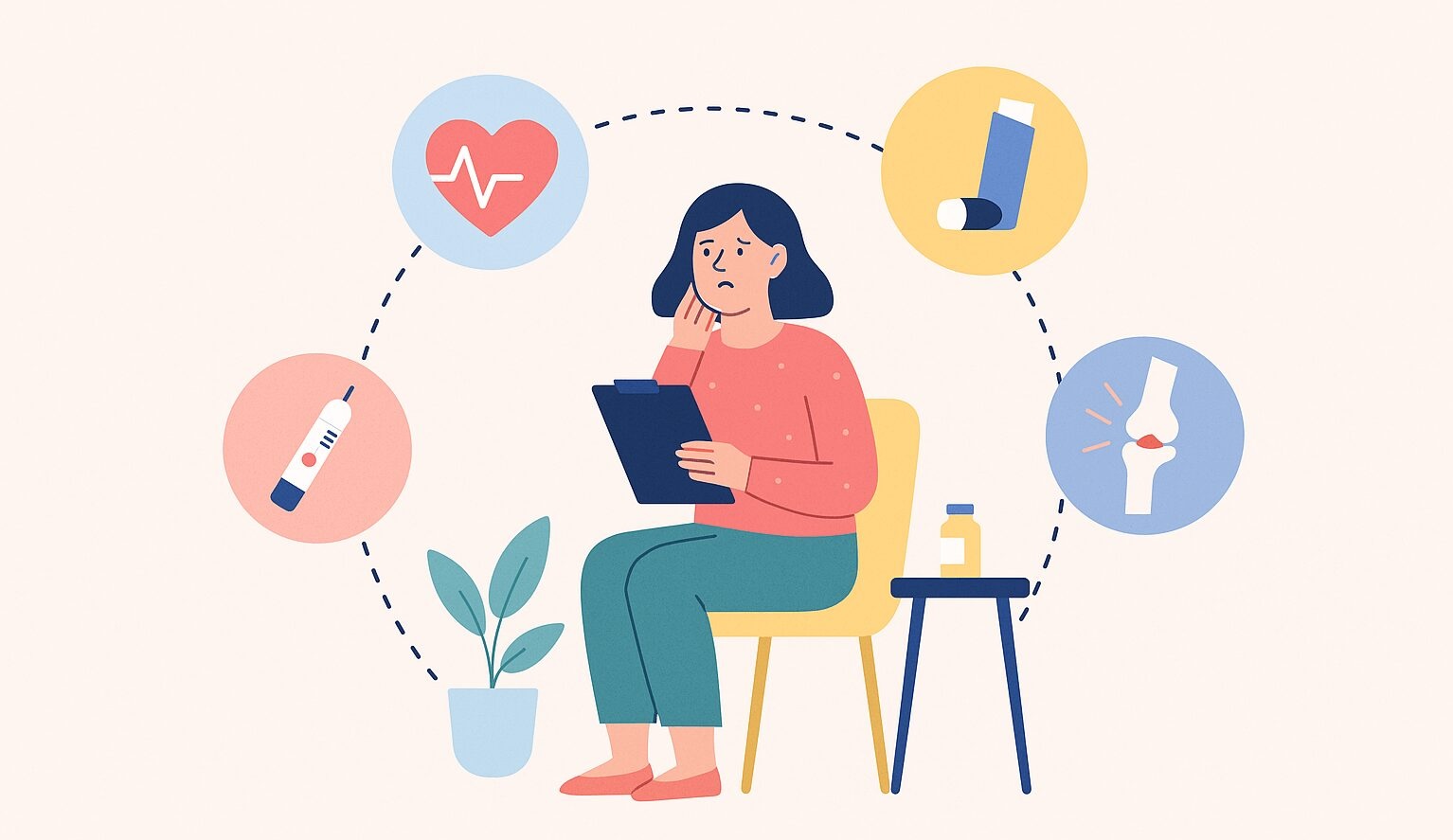
Dizziness around perimenopause and menopause can feel like lightheadedness, unsteadiness, or true spinning vertigo. Natural strategies can help, but the right approach depends on what kind of dizziness you have and what is triggering it. This guide covers evidence-based self-care and low-risk options, plus red flags that need medical attention. If you want to check common contributors and share results with a clinician, Vitals Vault can help you start with labs.
- Natural remedies for dizziness during menopause focus on hydration, trigger control, and safer movement habits.
- Dizziness can happen in perimenopause, but it is not always hormone related and deserves a check-in.
- If you have true spinning vertigo, consider benign positional vertigo and vestibular rehab evaluation.
- Seek urgent care for stroke warning signs, fainting, chest pain, or sudden severe headache.
What natural remedies can help most
Hydration and steady meals
Dehydration and low blood sugar can cause lightheadedness, especially with hot flashes or sweating. Aim for regular fluids and balanced meals with protein and fiber. If dizziness happens when you skip meals, this is a high-yield first step.
Slow position changes
If you feel dizzy when standing up, rise slowly from lying or sitting and pause before walking. This can reduce symptoms from orthostatic hypotension, which is a drop in blood pressure on standing. If you are on blood pressure medicines, ask a clinician to review them.
Sleep and hot flash control
Poor sleep can worsen balance and migraine tendencies, and night sweats can worsen dehydration. Cooling the bedroom, limiting alcohol near bedtime, and keeping a consistent sleep schedule can help. If hot flashes are severe, discuss treatment options with a clinician.
Vestibular maneuvers and rehab
If dizziness is triggered by rolling in bed or looking up, benign paroxysmal positional vertigo (BPPV) is a common cause. Clinician-guided repositioning maneuvers and vestibular physical therapy can be effective. Avoid self-diagnosing if symptoms are new, severe, or atypical.
Migraine trigger management
Vestibular migraine can cause dizziness with or without headache. Common triggers include stress, irregular sleep, dehydration, and certain foods or alcohol. Keeping a symptom diary can help you and your clinician identify patterns.
Natural options and how to use them safely
| What it feels like | Common contributors to consider | Lower-risk natural steps to try | When to get checked |
|---|---|---|---|
| Lightheaded, faint, worse on standing | Dehydration, orthostatic hypotension, anemia, medication effects | Hydrate, rise slowly, avoid skipping meals, review meds with clinician | Fainting, blackouts, chest pain, shortness of breath, palpitations |
| Spinning vertigo, triggered by head position | BPPV, other vestibular disorders | Ask about canalith repositioning and vestibular therapy | New neurologic symptoms, severe headache, hearing loss, inability to walk |
| Rocking, motion sensitivity, brain fog | Vestibular migraine, sleep disruption, stress | Regular sleep, hydration, trigger diary, stress reduction | Frequent episodes, falls, new one-sided weakness or numbness |
Ginger for nausea
If dizziness makes you feel sick, ginger may help nausea for some people. It is generally well tolerated, but it can interact with some medications and may not be appropriate for everyone. If you take blood thinners or have bleeding risk, ask a clinician before using it regularly.
Mindfulness and paced breathing
Anxiety and panic can cause or amplify dizziness, and dizziness itself can trigger anxiety. Slow breathing and mindfulness can reduce the physical stress response and help you stay steady during an episode. If you have frequent panic symptoms, consider structured therapy support.
Limit alcohol and review caffeine
Alcohol can worsen sleep, dehydration, and migraine and can aggravate balance issues. Caffeine affects people differently: it may worsen anxiety and palpitations in some, but abrupt withdrawal can also trigger headaches. If you change caffeine intake, do it gradually and track symptoms.
Salt and compression, only if appropriate
Some people with orthostatic symptoms are advised to increase fluids, sometimes salt, and use compression garments, but this depends on your blood pressure and heart and kidney health. Do not increase salt if you have hypertension or heart failure unless a clinician advises it. A medication review is often more important than supplements.
Be cautious with supplements marketed for menopause
Many supplements are marketed for menopause symptoms, but quality and evidence vary, and some can affect the liver or interact with medications. If you want to try a supplement, bring the exact product and dose to a clinician or pharmacist for an interaction check. Stop and seek care for rash, swelling, or trouble breathing.
When to call a clinician or seek urgent care
Stroke warning signs
Call emergency services if dizziness comes with face drooping, arm weakness, speech trouble, new vision loss, severe imbalance, or sudden confusion. These can signal stroke, especially if symptoms start suddenly. Do not drive yourself.
Fainting or near-fainting
If you pass out, have repeated near-fainting, or feel dizzy with chest pain or shortness of breath, get urgent evaluation. Heart rhythm problems and low blood pressure can be dangerous. Bring a list of medications and recent changes.
New severe headache or neck pain
A sudden, severe headache or new neurologic symptoms with dizziness needs urgent care. This is especially important if the headache is the worst of your life, starts abruptly, or follows injury. Do not wait to see if it passes.
Persistent vertigo or hearing changes
If vertigo lasts hours to days, keeps returning, or comes with new hearing loss, ear fullness, or ringing, schedule an evaluation. Inner ear disorders and other causes may need targeted treatment. A clinician can also check for medication side effects.
Dizziness that keeps you from daily life
If dizziness is frequent, causes falls, or limits driving or work, do not manage it alone. A clinician can help sort out vestibular causes, migraine, anemia, thyroid issues, and blood pressure patterns. Bring a symptom diary if you can.
Pro tips to reduce episodes
Name the sensation
Write down lightheaded vs spinning vs unsteady. It changes the workup.
Track triggers
Note sleep, meals, hydration, stress, alcohol, and cycle stage if relevant.
Stand up in stages
Sit first, then stand, then pause before walking.
Make falls less likely
Use good lighting at night and clear trip hazards during flares.
Bring your med list
Include supplements. Many dizziness causes are medication related.
Frequently Asked Questions
Is dizziness a symptom of perimenopause?
It can be, but dizziness is nonspecific and can have many causes, including inner ear disorders, migraine, anemia, thyroid disease, medication effects, and blood pressure changes. If it is new, persistent, or severe, it is worth a clinician evaluation.
What is the connection between vertigo and menopause?
Some people notice vertigo episodes during the menopause transition, but vertigo is often due to vestibular conditions such as BPPV or vestibular migraine. Because the causes vary, the most helpful next step is to describe whether you feel spinning and what triggers it.
Can perimenopause dizziness be caused by low blood pressure?
Yes. Lightheadedness when standing can be related to orthostatic hypotension, dehydration, or medication effects, and it may overlap with hot flashes and sleep disruption. A clinician can check blood pressure patterns and review medications and supplements.
Why do I feel sick and dizzy during menopause?
Nausea with dizziness can happen with vertigo (inner ear causes), migraine, anxiety, dehydration, or low blood sugar. If nausea is severe, you cannot keep fluids down, or you have neurologic symptoms, seek urgent care.
Do natural remedies for dizziness during menopause work for everyone?
No, because the best remedy depends on the cause of your dizziness. Hydration, regular meals, and slow position changes are low-risk starting points, but persistent or recurrent symptoms should be evaluated to rule out vestibular, neurologic, heart, or medication-related causes.