
Cramps during menopause: causes and what helps
Cramps during menopause can come from hormonal shifts, uterine or GI causes, or urinary issues. Here is what is normal and what is not.
Key facts
- Answer a few health questions online. A licensed clinician reviews them. If approved, it ships to your door.
- Adults 18 or older. A licensed clinician reviews your health history and decides whether treatment is appropriate for you. Availability depends on the state you live in.





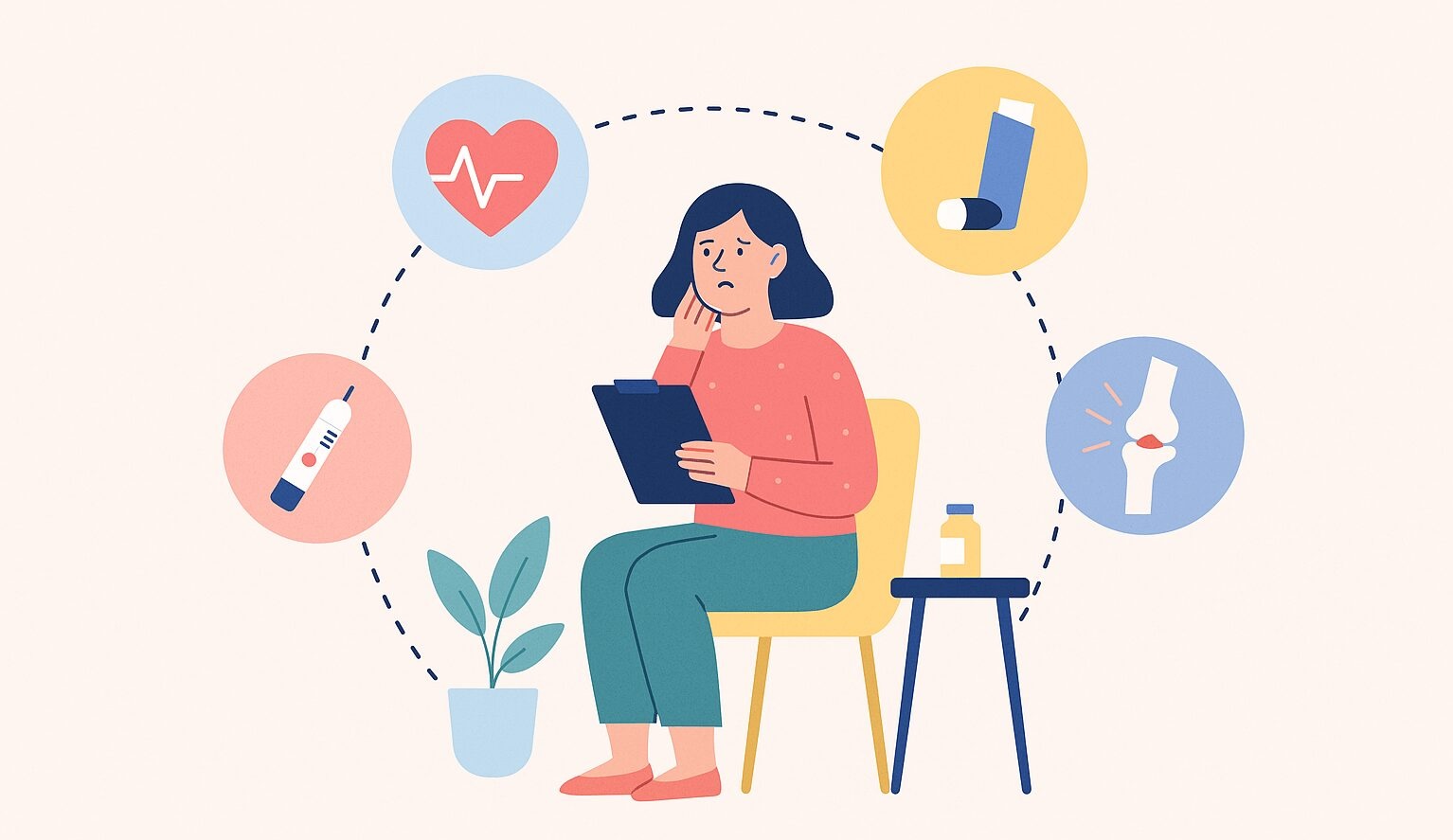
Cramps during menopause can feel confusing, especially if your periods are irregular or have stopped. Some cramping can happen with perimenopause hormone swings, but pelvic or abdominal pain can also come from the bladder, bowel, muscles, or conditions like fibroids. This guide explains what cramps during menopause can mean, what usually helps, and when to get checked. If you want help thinking it through with your own history and symptoms, Vitals Vault includes PocketMD, an AI health companion that can guide next steps and when to see a clinician.
- Cramps during menopause can be normal, but new or worsening pain should be evaluated.
- Common causes include hormonal changes, GI issues, bladder problems, fibroids, or endometriosis.
- Bleeding after menopause is not normal and needs prompt medical evaluation.
- Short-term self-care can help, but persistent cramps may need targeted treatment.
Are cramps during menopause normal?
Perimenopause cramping
In the years leading up to menopause, estrogen and progesterone levels can swing. Those shifts can change how the uterine lining builds and sheds, which can feel like period cramps even when cycles are irregular.
Postmenopause pain is different
After menopause, you should not have menstrual cramps because you are no longer cycling. Pelvic or lower abdominal pain at this stage is more likely to be from a non-cycle cause and deserves a check-in if it is new or recurring.
Bleeding changes the urgency
Any vaginal bleeding after menopause is considered abnormal. It does not automatically mean cancer, but guidelines recommend evaluation because causes range from benign thinning of the uterine lining to endometrial cancer.
What can cause cramps during menopause?
Hormone-related uterine cramping
During perimenopause, irregular ovulation can lead to unpredictable bleeding and cramping. If you still have a uterus, cramping can also occur with heavy or prolonged bleeding episodes, which are common in the menopause transition.
Fibroids or polyps
Fibroids (uterine muscle growths) and endometrial polyps can cause pelvic pressure, cramping, and abnormal bleeding. Many fibroids shrink after menopause, but symptoms can persist, and new bleeding still needs evaluation.
Endometriosis or adenomyosis
Endometriosis is tissue similar to the uterine lining growing outside the uterus; adenomyosis is similar tissue within the uterine muscle. Symptoms often improve after menopause, but some people continue to have pain, especially if they use systemic estrogen therapy.
Ovarian cysts or masses
Ovarian cysts can cause one-sided pelvic pain, bloating, or cramping. After menopause, cysts are less common, and persistent symptoms or a new mass on imaging typically warrants closer evaluation.
GI causes that mimic cramps
Constipation, gas, irritable bowel syndrome, and diverticular disease can cause lower abdominal cramping that feels gynecologic. A pattern tied to meals, bowel changes, or relief after a bowel movement can be a clue.
Bladder and urinary causes
Urinary tract infections and bladder pain syndromes can cause pelvic pressure, cramping, burning with urination, urgency, or frequent urination. After menopause, vaginal and urinary tissue changes can increase irritation and infection risk.
| What you notice | What it can suggest | What a clinician may consider |
|---|---|---|
| Cramps with irregular bleeding in perimenopause | Hormone-related cycle changes, fibroids, polyps | Pregnancy test if possible, pelvic exam, ultrasound, endometrial evaluation when indicated |
| Bleeding after menopause | Endometrial thinning, polyps, hyperplasia, cancer | Prompt evaluation, often including ultrasound and endometrial sampling per guidelines |
| One-sided pelvic pain, bloating | Ovarian cyst or mass, GI causes | Pelvic ultrasound and symptom review; further imaging or referral if concerning |
| Cramping with burning urination or urgency | Urinary infection or bladder irritation | Urinalysis and culture; evaluation for recurrent symptoms |
| Cramping with constipation or diarrhea | GI causes such as IBS or diverticular disease | Diet and medication review, stool and imaging tests when indicated |
When to see a clinician urgently vs soon
Go to urgent care or ER
Seek urgent evaluation for severe or sudden pelvic or abdominal pain, pain with fever, fainting, chest pain, shortness of breath, or vomiting that will not stop. Also get urgent care if you might be pregnant and have significant pain or bleeding.
Call soon for evaluation
Make an appointment if cramps are new after menopause, are getting worse, wake you from sleep, or keep returning. Also call if you have bleeding after menopause, pain with sex, unexplained weight loss, or persistent bloating.
What to expect at a visit
A clinician typically reviews your bleeding pattern, medications (including hormone therapy), bowel and bladder symptoms, and performs an exam. Depending on your symptoms, they may order urine testing, pelvic ultrasound, or other tests to identify the cause.
Practical ways to feel better while you get answers
Track the pattern
Note timing, location, bleeding, bowel and urinary symptoms, and triggers to share with a clinician.
Use heat and gentle movement
A heating pad and light activity can ease muscle tension and cramping for many people.
Review common triggers
Constipation, dehydration, and new supplements can worsen cramping. Bring a full list to your visit.
Avoid self-treating bleeding
Do not assume bleeding is normal in menopause. Get evaluated before trying new hormones or remedies.
Frequently Asked Questions
Are cramps during menopause normal?
They can be, especially in perimenopause when hormones fluctuate and bleeding can be irregular. After menopause, new or persistent cramping is less likely to be cycle-related and should be evaluated, particularly if there is any bleeding.
Why do I have cramps but no period in menopause?
In perimenopause, you can cramp even when you do not bleed because hormone swings can affect the uterus and pelvic muscles. If you are postmenopausal, cramps without periods can come from the bladder, bowel, muscles, fibroids, or ovarian issues, so it is worth discussing with a clinician.
Is bleeding with cramps after menopause an emergency?
It is not always an emergency, but it should be evaluated promptly because postmenopausal bleeding is considered abnormal. Guidelines recommend assessment to rule out causes such as polyps, endometrial overgrowth, or endometrial cancer.
Can hormone therapy cause cramps during menopause?
Systemic menopausal hormone therapy can cause uterine bleeding patterns to change, especially early on or with certain regimens, and some people notice cramping with bleeding. Any unexpected bleeding after menopause should still be evaluated rather than assumed to be from hormones.
What tests might a clinician order for cramps during menopause?
Depending on your symptoms, they may do a pelvic exam, urine testing for infection, and pelvic ultrasound. If you have postmenopausal bleeding, guidelines often include evaluating the uterine lining and sometimes sampling the endometrium.