
Minoxidil 5 foam: what it is and how to get it
Minoxidil 5 foam is a topical hair loss treatment. Here is how it works, who it may fit, side effects, and how to access care.
Key facts
- Finasteride + Minoxidil Scalp Solution is $53.50/month (billed $107 every 50 days), charged only after a clinician approves it.
- Answer a few health questions online. A licensed clinician reviews them. If approved, it ships to your door.
- Adults 18 or older. A licensed clinician reviews your health history and decides whether treatment is appropriate for you. Availability depends on the state you live in.
- A $20 clinician review, refunded if you don’t qualify.


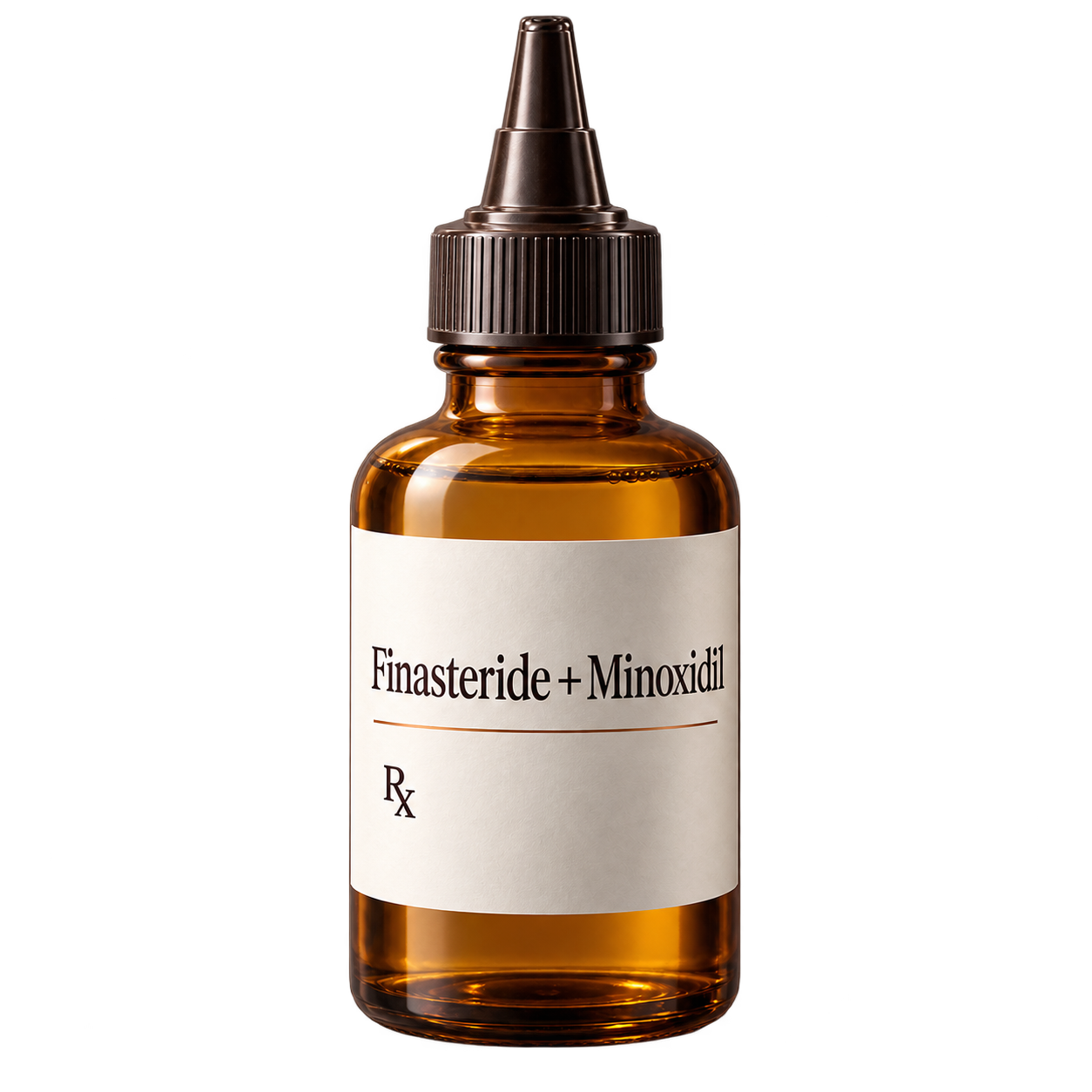
Minoxidil 5 foam is a topical medication used for certain types of hair loss. It is widely available, but it is not right for everyone, and correct use matters for both safety and results. This guide explains what minoxidil 5 foam is, what to expect, and when to talk with a clinician. If you want a clinician reviewed plan, Vitals Vault can connect you with a licensed clinician to discuss options that may fit your history.
- Minoxidil 5 foam is a topical treatment used to help slow hair loss and support regrowth.
- It is applied to the scalp and works locally, but side effects can still occur.
- It often takes months of consistent use to judge response, and stopping can reverse gains.
- Scalp irritation is common; chest pain, fainting, or rapid heartbeat need urgent evaluation.
What minoxidil 5 foam is
A topical hair loss medicine
Minoxidil is a medication applied to the scalp to treat hair loss. The 5% foam form is designed for topical use and is not the same as oral minoxidil tablets used for blood pressure.
Used for pattern hair loss
Over-the-counter minoxidil products are labeled for androgenetic alopecia, also called male or female pattern hair loss. This is the common gradual thinning pattern rather than sudden patchy loss.
Foam formulation
Foam can be easier to apply for some people and may feel less greasy than solution. The active ingredient is still minoxidil, and the safety warnings are similar across topical forms.
Not a cure
Minoxidil can help maintain and improve hair density for some people, but it does not cure the underlying tendency toward pattern hair loss. Ongoing use is typically needed to maintain benefits.
How minoxidil works for hair
Supports hair growth cycle
Hair follicles cycle through growth and resting phases. Minoxidil is thought to help shift follicles toward the growth (anagen) phase and increase follicle size, which can lead to thicker appearing hair over time.
Local scalp effect
Topical minoxidil is intended to act mainly where you apply it. Even so, small amounts can be absorbed, which is why label warnings include heart related symptoms and why you should avoid using more than directed.
Works best with consistency
Minoxidil generally requires regular, ongoing application to see whether it helps. Inconsistent use can make results harder to judge and may reduce the chance of benefit.
Who minoxidil 5 foam may be for
Pattern hair thinning
Minoxidil is typically used for gradual thinning on the scalp consistent with androgenetic alopecia. It may be a reasonable first step if you are early in the process or want a nonprescription option.
People wanting topical therapy
If you prefer to avoid oral medications, topical minoxidil is a common option. It can also be considered when you want to start with a single, locally applied treatment.
Those who can commit to routine
Because response is gradual, minoxidil fits best when you can apply it consistently and track changes over time. Photos in the same lighting can help you and your clinician assess progress.
As part of a broader plan
Hair loss can have multiple contributors, including iron deficiency, thyroid disease, or medication effects. If shedding is sudden, diffuse, or accompanied by other symptoms, labs and a clinician evaluation can help identify treatable causes.
Who should not use minoxidil 5 foam
Allergy to ingredients
Do not use minoxidil if you have had an allergic reaction to minoxidil or any component of the product. Signs can include rash, swelling, or trouble breathing.
Scalp infection or irritation
Avoid applying to irritated, infected, sunburned, or broken scalp skin unless a clinician tells you it is appropriate. Damaged skin can increase irritation and may increase absorption.
Certain heart conditions
Because minoxidil was originally developed as a blood pressure medication, people with heart disease or rhythm problems should discuss topical minoxidil with a clinician first, especially if they have symptoms like palpitations or chest pain.
Pregnancy or breastfeeding questions
If you are pregnant, trying to conceive, or breastfeeding, ask a clinician before using minoxidil. Product labeling advises discussing use in these situations because safety data are limited.
What to expect with minoxidil 5 foam
A slow timeline
Hair growth changes happen gradually because follicles cycle over months. Many people need several months of consistent use before they can tell whether minoxidil is helping.
Possible early shedding
Some people notice increased shedding early on. This can happen when follicles shift through the growth cycle, but persistent or severe shedding should be discussed with a clinician to rule out other causes.
Maintenance matters
If minoxidil is helping, stopping it can lead to loss of the hair that was maintained or regrown with treatment. Talk with a clinician before making changes if you are concerned about side effects or results.
Realistic goals
Minoxidil may improve density and slow progression, but results vary. Your pattern of loss, duration of thinning, and other health factors can all affect response.
Side effects and warnings
Scalp irritation
Common effects include itching, dryness, scaling, or redness where you apply the product. Using only as directed and avoiding broken skin can help reduce irritation. If irritation is severe or persistent, stop and seek medical advice.
Unwanted hair growth
Hair growth can occur on areas where minoxidil repeatedly contacts skin, such as the face. Washing hands after application and avoiding spread beyond the scalp can reduce this risk.
Dizziness or lightheadedness
Because minoxidil can affect blood vessels, some people may feel dizzy, especially if more is absorbed than intended. If you have fainting, severe dizziness, or symptoms that worry you, seek urgent evaluation.
Fast heartbeat or chest pain
Stop use and get medical help right away if you develop chest pain, rapid heartbeat, fainting, or shortness of breath. These symptoms can signal a serious reaction and are listed as reasons to stop and seek care on OTC minoxidil labeling.
Swelling of hands or feet
Fluid retention and swelling can be a sign of systemic effects. Stop use and contact a clinician promptly if you notice swelling, sudden weight gain, or worsening shortness of breath.
Cost and access
What affects cost
Cost depends on whether you choose an over-the-counter minoxidil foam or a prescription plan that includes other ingredients and clinician support. Brand versus store brand, supply size, and shipping can also change what you pay.
Insurance coverage
Over-the-counter minoxidil is often not covered by insurance because it is sold without a prescription. Prescription hair loss treatments may be covered differently depending on your plan and the indication.
Current prices on this page
If you are viewing a treatment plan through Vitals Vault, current catalog prices for the plan are shown on this page in the price block. A licensed clinician still reviews your history to decide what is appropriate.
How to get minoxidil 5 foam safely
- 1
Confirm the likely cause
If thinning is gradual and patterned, minoxidil may be an option. If shedding is sudden or diffuse, consider a clinician visit and labs first.
- 2
Review your health history
Tell a clinician about heart conditions, pregnancy or breastfeeding status, scalp disease, and all medications and supplements you use.
- 3
Choose an access path
You can buy OTC minoxidil foam at retail, or you can use a clinician reviewed plan when you want medical guidance and follow up.
- 4
Follow up and reassess
Track scalp symptoms and hair changes over time. If side effects occur or results are unclear, a clinician can help adjust the plan or evaluate other causes.
Frequently Asked Questions
What is minoxidil 5 foam used for?
Minoxidil 5 foam is used to treat pattern hair loss (androgenetic alopecia) by supporting hair follicles and helping maintain or regrow hair in some people. It is applied to the scalp, and results vary. If your hair loss is sudden or patchy, get evaluated for other causes.
How long does minoxidil 5 foam take to work?
Hair follicles cycle over months, so changes are usually gradual. Many people need several months of consistent use before they can judge whether it is helping. If you are unsure you are using it correctly or you have side effects, talk with a clinician.
What are the side effects of minoxidil 5 foam?
Common side effects include scalp irritation and unwanted hair growth on areas where the product contacts skin. Stop use and seek urgent care for chest pain, fainting, rapid heartbeat, shortness of breath, or swelling. These are listed warnings on OTC minoxidil labeling.
Can I use minoxidil 5 foam if I have heart problems?
If you have heart disease, rhythm problems, or symptoms like palpitations, discuss topical minoxidil with a clinician before using it. Although it is applied to the scalp, some absorption can occur. Seek urgent care for chest pain, fainting, or shortness of breath.
Do I need labs before starting minoxidil 5 foam?
Not always, but labs can be helpful when shedding is sudden, diffuse, or unexplained, or when you have symptoms that suggest another cause. A clinician may ask for recent lab results before prescribing other hair loss treatments. Vitals Vault offers a hair loss lab panel you can share with a clinician.