
Metformin and alcohol: what is safe?
Metformin and alcohol can raise lactic acidosis risk and worsen low blood sugar. Ask your clinician about limits, binge drinking, and liver or kidney.
Key facts
- Answer a few health questions online. A licensed clinician reviews them. If approved, it ships to your door.
- Adults 18 or older. A licensed clinician reviews your health history and decides whether treatment is appropriate for you. Availability depends on the state you live in.


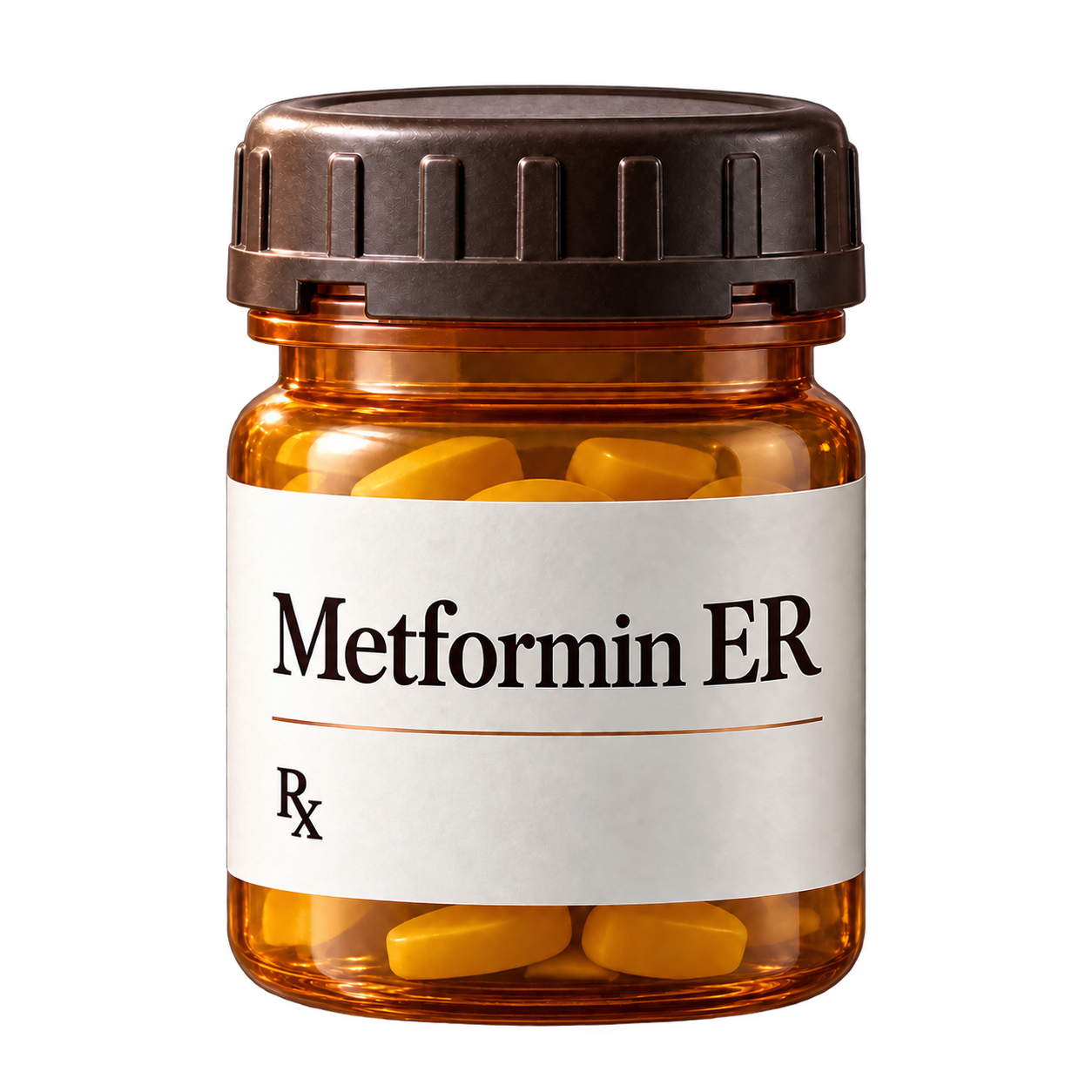
If you take metformin, drinking alcohol is not always forbidden, but it can raise safety risks. The biggest concern is lactic acidosis, a rare but life threatening buildup of lactic acid that is highlighted in metformin prescribing information. This guide explains what makes alcohol riskier with metformin, what symptoms to watch for, and when to call a clinician. If you are tracking blood sugar or symptoms, Vitals Vault can help you order key labs and share results with a clinician.
- Metformin and alcohol can be risky, especially with binge or heavy drinking.
- The main concern is lactic acidosis, a rare but serious emergency listed in labeling.
- Alcohol can also increase low blood sugar risk, especially if you do not eat.
- Kidney or liver problems and dehydration can raise risk further.
- If you feel very weak, confused, or short of breath, seek urgent care.
Can you drink alcohol on metformin?
Occasional light drinking
For many people, small amounts of alcohol may be tolerated, but your risk depends on your kidney function, liver health, diet, and other medications. Ask your clinician what limits make sense for you based on your history.
Binge or heavy drinking
Metformin labeling warns against excessive alcohol intake because it can increase the chance of lactic acidosis. If you drink heavily or have episodes of binge drinking, talk with a clinician before mixing alcohol and metformin.
If you feel unwell
If you develop severe weakness, unusual sleepiness, trouble breathing, or persistent vomiting after drinking while on metformin, treat it as urgent. Those symptoms can overlap with lactic acidosis and other emergencies.
Why alcohol can be riskier with metformin
Lactic acidosis risk
Metformin has a boxed warning for lactic acidosis, a rare but serious condition. Excess alcohol intake is listed as a risk factor because alcohol can increase lactate production and reduce the liver’s ability to clear lactate, which can compound metformin’s effects.
Low blood sugar risk
Metformin alone is less likely to cause hypoglycemia (low blood sugar) than some diabetes medicines, but alcohol can lower blood sugar, especially when you have not eaten. The risk can be higher if metformin is used with insulin or medicines that increase insulin release.
Dehydration and kidney strain
Alcohol can contribute to dehydration, especially with vomiting or diarrhea. Dehydration can worsen kidney function, and reduced kidney function can raise metformin levels in the body, which is a known risk factor for lactic acidosis.
Liver disease considerations
The liver helps clear lactate. Metformin labeling lists hepatic impairment as a risk factor for lactic acidosis, and heavy alcohol use can worsen liver disease. If you have known liver problems, discuss alcohol and metformin safety with your clinician.
Stomach side effects can worsen
Metformin commonly causes gastrointestinal side effects such as nausea, diarrhea, and abdominal discomfort, especially when starting or increasing the dose. Alcohol can irritate the stomach and may make these symptoms more likely or more uncomfortable.
Vitamin B12 can run low
Long term metformin use can be associated with vitamin B12 deficiency, which may cause fatigue, numbness, or tingling. Alcohol use can also affect nutrition, so it is reasonable to ask a clinician whether B12 monitoring fits your situation.
| Situation | Why it matters | What to do |
|---|---|---|
| Binge or heavy drinking | Listed in labeling as increasing lactic acidosis risk | Avoid and discuss safer limits with a clinician |
| Not eating or vomiting | Alcohol can lower blood sugar and worsen dehydration | Do not ignore symptoms; seek care if severe |
| Kidney disease or dehydration | Reduced clearance can raise metformin exposure | Ask about kidney monitoring and sick day plans |
| Liver disease | Impaired lactate clearance raises lactic acidosis risk | Ask whether alcohol should be avoided |
| Using insulin or sulfonylureas | Higher hypoglycemia risk with alcohol | Ask about prevention and when to treat low blood sugar |
How long the increased risk can last
During intoxication and after
Alcohol’s effects on blood sugar and hydration can last beyond the time you feel intoxicated, especially if you drank heavily or did not eat. That is why symptoms overnight or the next day still matter.
If you are sick
Vomiting, diarrhea, fever, or poor fluid intake can raise dehydration risk and can reduce kidney function. Those factors can increase metformin related risk, so contact a clinician if you cannot keep fluids down or symptoms are worsening.
Ongoing risk factors
Chronic heavy alcohol use, kidney disease, and liver disease can raise baseline risk while taking metformin. If any of these apply, your clinician may recommend avoiding alcohol or monitoring more closely.
When to call a clinician or get urgent care
Get urgent care now
Seek urgent evaluation for symptoms that could signal lactic acidosis or severe illness: trouble breathing, severe weakness, unusual sleepiness, confusion, persistent vomiting, severe belly pain, or feeling very cold. If you have diabetes, also seek help for severe low blood sugar symptoms such as confusion or fainting.
Call your clinician soon
Contact a clinician if you have repeated episodes of heavy drinking, frequent nausea or diarrhea on metformin, or any kidney or liver disease. Also call if you are starting a new diabetes medicine that increases hypoglycemia risk and you drink alcohol.
Ask before planned drinking
If you want to drink and you have reduced kidney function, liver disease, heart failure, or you are older, ask your clinician for individualized guidance. These are recognized risk factors for metformin associated lactic acidosis in prescribing information.
Practical tips if you choose to drink
Avoid binge drinking
Excess alcohol intake is specifically warned against in metformin labeling.
Do not drink on an empty stomach
Eating can reduce alcohol related drops in blood sugar.
Hydrate and watch for vomiting
Dehydration can increase risk, especially if you cannot keep fluids down.
Know your other diabetes meds
Alcohol is riskier if you also use insulin or sulfonylureas.
Track recurring symptoms
Repeated nausea, weakness, or confusion should prompt a clinician check-in.
Frequently Asked Questions
Can you drink on metformin?
You may be able to drink alcohol on metformin, but heavy or binge drinking is riskier and is warned against in prescribing information. Alcohol can raise the risk of lactic acidosis and can contribute to low blood sugar, especially if you do not eat.
Is alcohol and metformin dangerous?
It can be, depending on how much you drink and your health conditions. The most serious concern is lactic acidosis, a rare emergency highlighted in metformin labeling, and alcohol can also worsen dehydration and low blood sugar risk.
What symptoms should I watch for with metformin and alcohol?
Seek urgent evaluation for trouble breathing, severe weakness, unusual sleepiness, confusion, persistent vomiting, severe belly pain, or feeling very cold. These can overlap with lactic acidosis symptoms described in metformin prescribing information.
Does drinking alcohol make metformin side effects worse?
Alcohol can irritate the stomach and may worsen nausea, diarrhea, or abdominal discomfort that are common with metformin, especially early in treatment. If symptoms are persistent or severe, contact a clinician to review possible causes and next steps.
Should I monitor anything if I drink alcohol while on metformin?
It can help to review blood sugar patterns and risk factors like kidney function with a clinician, especially if you have symptoms. Long term metformin use is also associated with vitamin B12 deficiency, so your clinician may recommend periodic B12 monitoring.