
Do you lose more weight on higher dose of Wegovy?
Do you lose more weight on a higher dose of Wegovy? Often yes in studies, but higher doses can mean more side effects. Clinicians titrate gradually.
Key facts
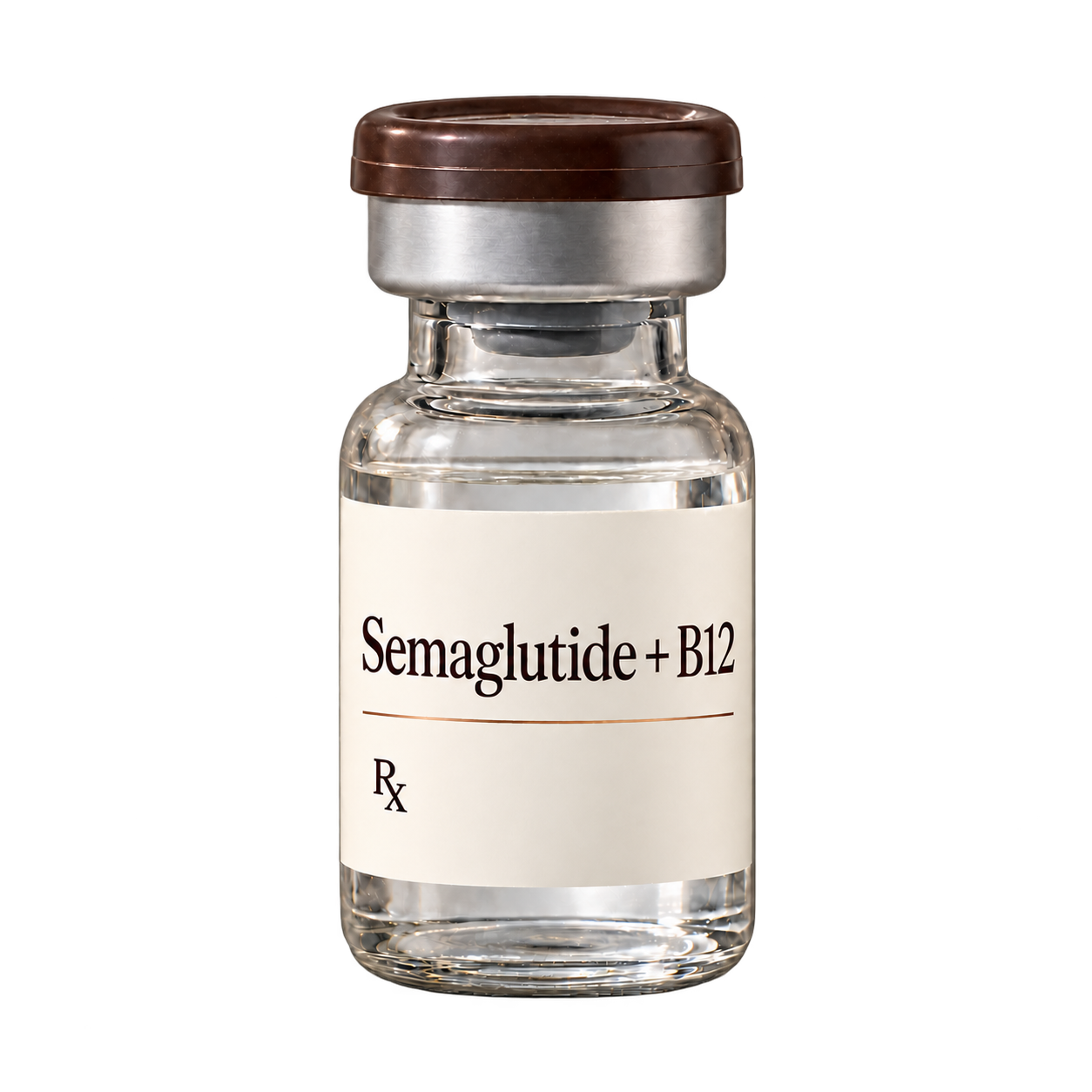
- Semaglutide + B12 is $157/month (billed $157 every 4 weeks), charged only after a clinician approves it.
- Answer a few health questions online. A licensed clinician reviews them. If approved, it ships to your door.
- Adults 18 or older. A licensed clinician reviews your health history and decides whether treatment is appropriate for you. Availability depends on the state you live in.





For Wegovy (semaglutide), higher studied maintenance dosing is linked with greater average weight loss in clinical trials, but only when you can tolerate the dose safely. The goal is not to push dose quickly. It is to find the highest tolerated dose that fits your risks, side effects, and response. This page summarizes what the FDA prescribing information and major trials suggest about dose and weight loss. If you use Vitals Vault, PocketMD can help you ask dosing questions using your own health history and labs.
- Often yes, higher Wegovy doses mean more average weight loss in trials, if tolerated.
- Dose increases are gradual to improve tolerability, not to speed results.
- Higher doses can increase nausea, vomiting, diarrhea, and constipation.
- If side effects limit you, a lower tolerated dose may be safer.
- Your clinician decides whether to pause, slow, or stop titration.
Do higher doses usually mean more weight loss?
Trials show a dose effect
In obesity trials, semaglutide at the Wegovy maintenance dose led to greater average weight loss than placebo. That does not mean every person loses more with each step up, because adherence, side effects, and other health factors can change what you can sustain.
Tolerability can cap dosing
Gastrointestinal side effects are common and are a main reason some people cannot stay on higher doses. If a dose makes you too sick to eat, drink, or function normally, the practical benefit can drop because you may miss doses or stop treatment.
Titration is for safety
The Wegovy label uses a gradual dose escalation schedule to reduce side effects. Clinicians may delay escalation if you are not tolerating a step, and they may decide that staying at a lower dose is the safer option for you.
Why a higher dose can help, and why it can backfire
Stronger appetite signaling
Semaglutide is a GLP-1 receptor agonist. GLP-1 is a hormone involved in appetite and blood sugar regulation, and semaglutide can reduce appetite and increase fullness. In trials, this was paired with reduced-calorie eating and increased physical activity.
More gut effects at higher dose
GLP-1 medicines can slow gastric emptying, which may contribute to feeling full sooner. That same gut effect can also contribute to nausea, vomiting, or a "too full" feeling, especially during dose escalation.
Common side effects can increase
The Wegovy label lists common adverse reactions including nausea, diarrhea, vomiting, constipation, abdominal pain, headache, fatigue, dyspepsia, dizziness, abdominal distension, eructation, hypoglycemia in patients with type 2 diabetes, flatulence, gastroenteritis, and gastroesophageal reflux disease. Side effects are often most noticeable during titration and may be more limiting at higher doses.
Stopping early reduces benefit
In the STEP 1 trial extension, participants who stopped semaglutide regained weight over time, while cardiometabolic measures also trended back toward baseline. If a higher dose leads to discontinuation, a lower tolerated dose may be more sustainable, but that decision belongs with your prescriber.
| What changes with higher dose | Potential upside | Potential downside | What to discuss with your clinician |
|---|---|---|---|
| Stronger GLP-1 effect | More average weight loss in trials | More GI symptoms for some people | Whether symptoms are manageable and safe |
| Dose escalation schedule | Better tolerability when gradual | Too-fast increases can worsen side effects | Whether to pause or slow escalation per label |
| Ability to stay on treatment | Consistency supports benefit | Stopping can lead to regain | A plan for side effects and follow-up |
When to talk to your clinician about dose changes
You cannot keep fluids down
Contact your clinician if nausea, vomiting, or diarrhea prevents normal eating or drinking, or if you have signs of dehydration. Your clinician may adjust the titration pace or provide supportive care guidance.
Severe belly pain
Severe, persistent abdominal pain, with or without vomiting, can be a warning sign for pancreatitis or gallbladder problems. These symptoms need prompt medical evaluation rather than waiting for the next check-in.
Thyroid cancer history
Tell your clinician if you or a family member has medullary thyroid carcinoma or MEN 2. Wegovy is contraindicated in these situations per the FDA label.
You use diabetes medicines
If you use insulin or a sulfonylurea, ask how hypoglycemia risk is managed when semaglutide is added. Do not change diabetes medications on your own.
You hit a plateau
If weight loss slows, your clinician can review adherence, side effects, diet and activity supports, and whether you are at a maintenance dose. Sometimes the safest choice is staying at a tolerated dose rather than escalating.
Pro tips for a better dose conversation
Track symptoms by week
Log nausea, vomiting, constipation, and reflux patterns to share at check-ins.
Note missed doses
Tell your clinician about missed doses, since the label has specific guidance.
Bring your full med list
Include diabetes meds, supplements, and OTC drugs so risks are reviewed.
Ask about red flags
Know which symptoms should trigger urgent care versus a routine message.
Frequently Asked Questions
Do you lose more weight on higher dose of Wegovy?
Often, yes on average in trials, but only if you can tolerate the dose safely. Higher doses can cause more side effects, which can limit how far you can titrate. Your clinician balances benefit with tolerability.
If I cannot tolerate a higher dose, will a lower dose still work?
Some people still notice appetite and weight changes at lower doses, especially if higher doses cause missed doses or stopping. The Wegovy label allows clinicians to delay dose escalation if needed. Your prescriber decides what is appropriate for you.
Why do side effects often get worse when the dose goes up?
Semaglutide affects digestion and appetite pathways, and those effects can feel stronger at higher doses. The FDA label lists nausea, vomiting, diarrhea, constipation, and abdominal pain among common reactions. Gradual titration is intended to improve tolerability.
What symptoms mean I should seek urgent care while on semaglutide?
Seek urgent evaluation for severe, persistent abdominal pain, with or without vomiting, which can be a warning sign for pancreatitis or gallbladder disease. Get urgent care for signs of a serious allergic reaction or dehydration from vomiting or diarrhea. These risks are described in the prescribing information.
Is compounded semaglutide the same as Wegovy?
No. Wegovy is a brand product, while compounded semaglutide is prepared by a licensed pharmacy for an individual prescription and is not FDA-approved. Discuss sourcing, dosing, and monitoring with your clinician.