
Liraglutide generic: what it means
No FDA-approved liraglutide generic injection is listed in the US. Some “generic” listings are compounded liraglutide by prescription, not FDA-approved.
Key facts
- Answer a few health questions online. A licensed clinician reviews them. If approved, it ships to your door.
- Adults 18 or older. A licensed clinician reviews your health history and decides whether treatment is appropriate for you. Availability depends on the state you live in.


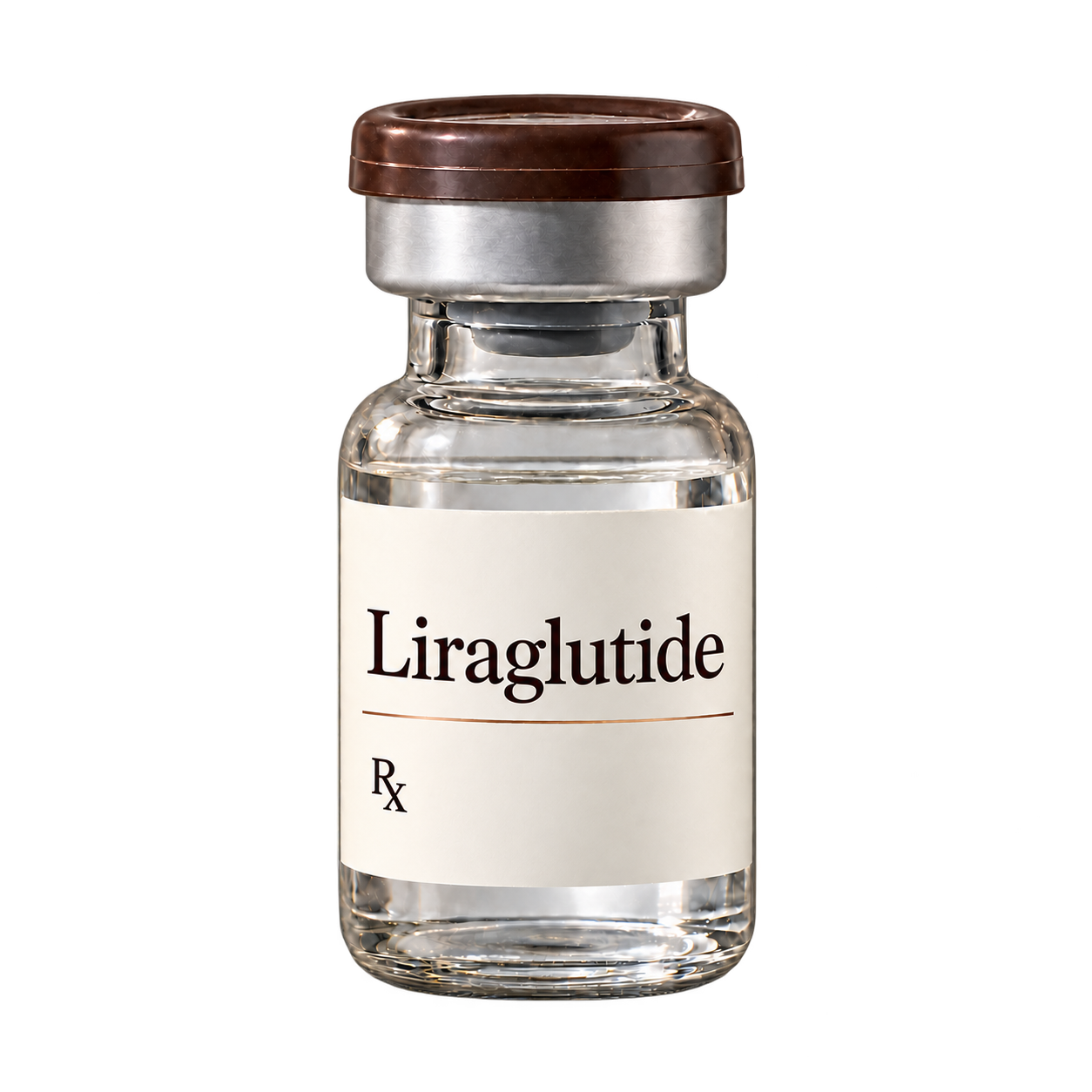
If you are searching for liraglutide generic, you are usually trying to find a lower-cost version of liraglutide. In the US, liraglutide injection is FDA-approved as Saxenda for chronic weight management and Victoza for type 2 diabetes, but an FDA-approved generic liraglutide injection may not be available. This page explains what “generic” can mean in practice, how compounded liraglutide differs from an FDA-approved product, and what to ask before you pay.
- There is no FDA-approved liraglutide generic injection listed in the US.
- Online “generic liraglutide” often means compounded liraglutide, which is not FDA-approved.
- Before paying, confirm whether you are getting an FDA-approved product or a compounded formulation.
- Liraglutide labeling includes thyroid C-cell tumor and pancreatitis warnings.
Is there a liraglutide generic?
Generic vs brand
A true generic is FDA-approved and must meet FDA standards for quality, strength, and labeling, and it is typically listed in FDA resources. FDA-approved liraglutide products include Saxenda and Victoza, which have FDA-approved labeling and patient instructions.
Compounded is different
Compounded liraglutide is prepared by a licensed pharmacy for an individual prescription. Compounded medications are not FDA-approved, and their labeling, devices, and instructions can differ from FDA-approved products.
Why the wording gets confusing
Some sites use “generic” to mean “non-brand” or “lower cost.” That is not the same as an FDA-approved generic, so it is worth confirming what you are actually being offered before you share health information or pay.
What “generic liraglutide” may refer to
| What you are seeing | What it may be | What to verify before you proceed |
|---|---|---|
| “Generic liraglutide” with no brand name | Often shorthand for liraglutide in general, or a non-brand source | Ask whether it is FDA-approved and what label and device are used |
| “Compounded liraglutide” | A compounded medication prepared for an individual prescription | Which pharmacy compounds it, what form it is dispensed in, and what instructions you will receive |
| “Liraglutide for weight loss” | May refer to Saxenda (FDA-approved) or compounded liraglutide | Whether the prescription is for an FDA-approved product or a compounded formulation |
| “Liraglutide for diabetes” | May refer to Victoza (FDA-approved) or compounded liraglutide | Whether it is intended for diabetes care and how it fits your overall plan |
How to confirm FDA approval
You can look up liraglutide products in DailyMed to review FDA-approved labeling and product details. If a seller cannot provide FDA-approved prescribing information or points you only to a compounding pharmacy, it is not an FDA-approved generic.
Why formulation matters
FDA-approved liraglutide products have specific labeling, dosing devices, and Instructions for Use. Compounded products may be dispensed in different forms and may not use the same pen device, so your clinician and dispensing pharmacy should provide product-specific directions.
Safety warnings still apply
Liraglutide has important risks and warnings in FDA labeling, including a boxed warning about thyroid C-cell tumors in rodents and warnings about pancreatitis and gallbladder disease. Your clinician should review your personal risk factors and symptoms to watch for.
What drives generic cost
Cost can vary based on whether you are getting an FDA-approved brand product or a compounded formulation, whether insurance covers it, and what clinical monitoring is needed. Use the most current pricing shown on the relevant product page when available, rather than third-party estimates.
What to ask a pharmacy
Ask whether the prescription is for an FDA-approved product or a compounded medication, what pharmacy dispenses it, and what follow-up is included. If you take other glucose-lowering medicines, also ask how low blood sugar risk is managed.
When to talk to a clinician before using liraglutide
History of thyroid cancer
FDA labeling for liraglutide includes a boxed warning related to thyroid C-cell tumors, and it is contraindicated in people with a personal or family history of medullary thyroid carcinoma or with Multiple Endocrine Neoplasia syndrome type 2. If either applies to you, discuss alternatives with a clinician.
Symptoms of pancreatitis
Seek urgent medical care for severe, persistent abdominal pain that may radiate to the back, with or without vomiting. Liraglutide labeling warns about acute pancreatitis, and a clinician should evaluate symptoms promptly.
Gallbladder symptoms
Contact a clinician if you develop right upper abdominal pain, fever, jaundice, or other symptoms that could suggest gallbladder disease. Liraglutide labeling includes warnings about acute gallbladder disease.
Kidney problems or dehydration
If you have kidney disease or you develop significant nausea, vomiting, or diarrhea, talk with a clinician. FDA labeling describes reports of acute kidney injury and worsening chronic renal failure, sometimes in the setting of dehydration.
Low blood sugar with other meds
If you use insulin or a sulfonylurea, ask a clinician how low blood sugar risk is managed. Liraglutide can increase hypoglycemia risk when combined with certain diabetes medicines, and monitoring plans should be individualized.
Pro tips for shopping safely
Ask one clarifying question
“Is this FDA-approved liraglutide, or compounded liraglutide from a pharmacy?”
Request exact product info
For FDA-approved products, ask for prescribing information and Instructions for Use.
Do not trust “generic” alone
Marketing language varies. Confirm regulatory status and who dispenses it.
Plan for follow-up
Choose care that includes clinician check-ins and symptom monitoring.
Use labs when appropriate
Recent labs can help a clinician assess safety and fit.
Frequently Asked Questions
Is liraglutide generic available in the US?
An FDA-approved generic liraglutide injection is not listed in the US. If you see “generic liraglutide” advertised, confirm whether it is an FDA-approved product or compounded liraglutide prepared by a pharmacy.
What is liraglutide generic cost compared with brand?
Cost depends on whether the product is FDA-approved (brand) or compounded, whether insurance covers it, and what follow-up and monitoring are included. For the most up-to-date pricing, rely on current prices shown on the relevant product page when available.
Is compounded liraglutide the same as generic liraglutide?
No. Compounded liraglutide is prepared by a licensed pharmacy for an individual prescription and is not FDA-approved, while a generic is FDA-approved and meets FDA requirements for quality and labeling.
What are the most serious risks to ask about with liraglutide?
FDA labeling includes a boxed warning related to thyroid C-cell tumors in rodents and contraindications for certain thyroid cancer histories. It also warns about pancreatitis, gallbladder disease, and kidney problems, so discuss your personal risk factors and symptoms to watch for.
How can Vitals Vault help me decide if liraglutide is appropriate?
Vitals Vault can connect you with a licensed clinician who reviews your health history and decides whether treatment is appropriate for you. A clinician may ask for recent lab results before prescribing and can guide follow-up and monitoring.