
Benefits of estrogen patch: what to expect
The benefits of estrogen patch use include relief of hot flashes and other menopause symptoms, with steady dosing. Learn who it fits.
Key facts
- Estradiol Oral Capsules is $66.34/month (billed $199 every 90 days), charged only after a clinician approves it.
- Answer a few health questions online. A licensed clinician reviews them. If approved, it ships to your door.
- Adults 18 or older. A licensed clinician reviews your health history and decides whether treatment is appropriate for you. Availability depends on the state you live in.





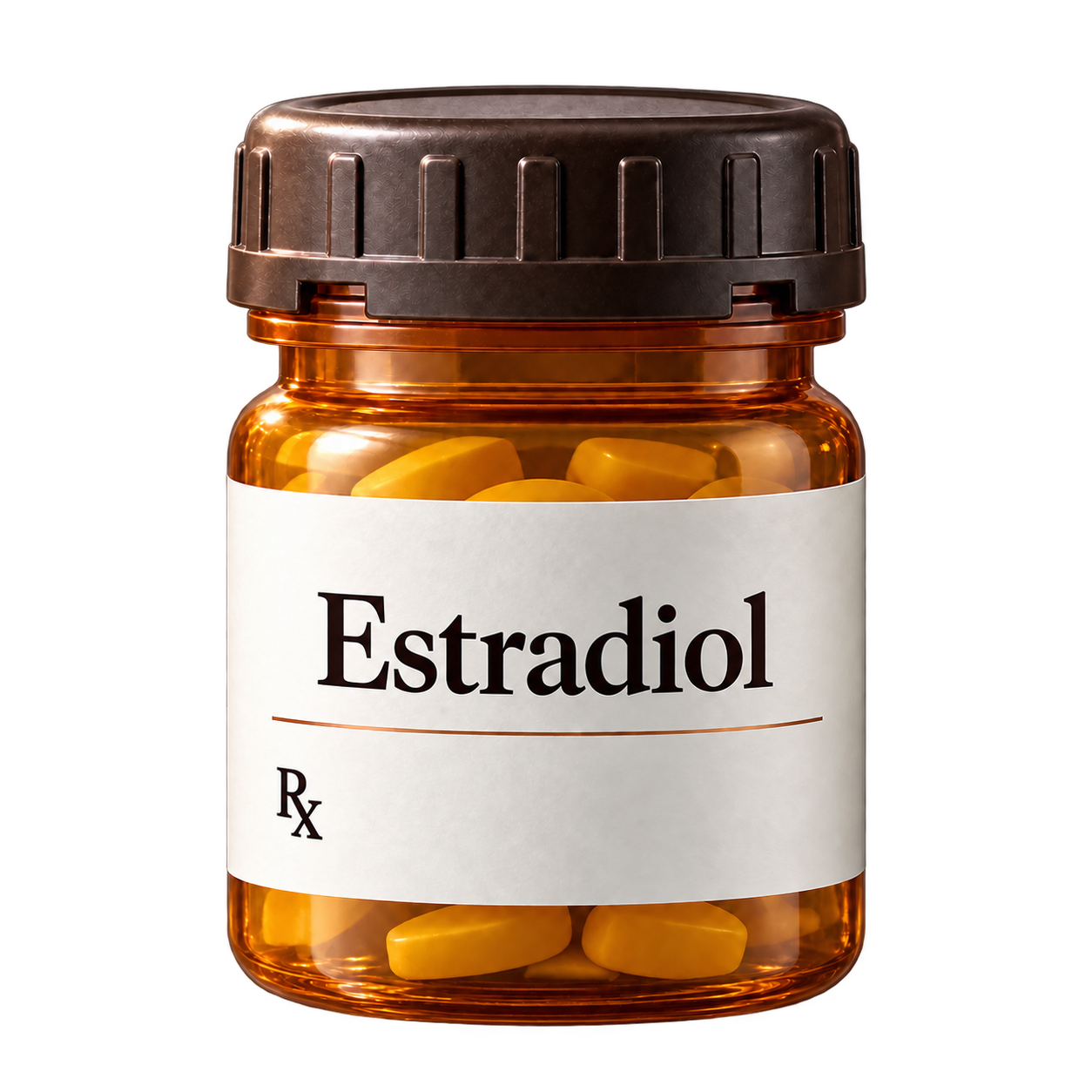
The benefits of estrogen patch are mainly menopause symptom relief, especially hot flashes and night sweats. A patch delivers estradiol through your skin, which can be a good fit if you want a nonpill option or need more stable hormone levels. This page explains what an estradiol patch can help with, who it may or may not suit, and what risks to discuss with a clinician. Vitals Vault can connect you with clinician guided care when appropriate.
- Benefits of estrogen patch include fewer hot flashes and night sweats from menopause.
- A patch delivers estradiol through skin for steadier levels than some oral options.
- If you have a uterus, you usually need a progestogen to protect the uterine lining.
- Estrogen has boxed warnings, including blood clots, stroke, and certain cancers.
- Use the lowest effective dose for the shortest duration that meets your goals.
What an estrogen patch is
A form of estradiol
Most estrogen patches contain estradiol, the same estrogen your ovaries made before menopause. It is a prescription medication used as menopausal hormone therapy (MHT), also called hormone replacement therapy (HRT).
Transdermal delivery
A patch is applied to the skin so estradiol is absorbed into the bloodstream over time. This avoids first pass metabolism in the liver that happens with oral estrogen.
Used for specific indications
FDA approved uses vary by product but commonly include treatment of moderate to severe vasomotor symptoms (hot flashes) due to menopause and prevention of postmenopausal osteoporosis in appropriate patients.
Not the same as compounded hormones
FDA approved estradiol patches are different from compounded bioidentical hormone products. Compounded hormones are made for an individual prescription and are not FDA approved.
- Medication type
- Prescription estrogen therapy (estradiol), delivered through the skin
- Common goal
- Reduce moderate to severe hot flashes and night sweats due to menopause
- Uterus consideration
- If you have a uterus, estrogen is typically paired with a progestogen to reduce endometrial cancer risk
How an estrogen patch works
Replaces declining estrogen
During the menopause transition, estradiol levels fluctuate and then fall, which can trigger hot flashes, night sweats, sleep disruption, and vaginal dryness. An estrogen patch supplies estradiol to help relieve symptoms linked to low estrogen.
Acts at estrogen receptors
Estradiol binds to estrogen receptors in many tissues, including the brain (temperature regulation), bones (bone turnover), and the urogenital tract (vaginal and urinary tissues). This is why benefits and risks can involve multiple body systems.
Steadier blood levels
Because estradiol is absorbed continuously through the skin, transdermal therapy can provide more stable hormone exposure than taking a pill once daily. For some people, that steadier delivery is part of the appeal of a patch.
Progestogen protects the uterus
If you still have your uterus, taking estrogen alone can increase the risk of endometrial hyperplasia and endometrial cancer. Adding a progestogen lowers that risk, which is why combination therapy is common in this situation.
Who may benefit most from an estrogen patch
Hot flashes and night sweats
Systemic estrogen therapy is an effective treatment for moderate to severe vasomotor symptoms of menopause. If your symptoms affect sleep, work, or quality of life, a patch is one systemic option to discuss.
Menopause related sleep disruption
When night sweats and temperature swings wake you up, treating the underlying vasomotor symptoms can improve sleep for some people. Sleep can also be impacted by mood, stress, and sleep apnea, so it helps to review the full picture.
Bone protection when needed
Some estradiol patch products are approved to help prevent postmenopausal osteoporosis in people at significant risk when nonestrogen options are not appropriate. Your clinician will weigh fracture risk against estrogen risks.
Prefer not to take pills
If swallowing pills is difficult, or you prefer a nonoral route, a patch can be a practical alternative. Some people also prefer transdermal estrogen when they have reasons to avoid oral estrogen exposure.
Surgical menopause or early menopause
If your ovaries were removed or you entered menopause early, symptoms can be abrupt and intense. Hormone therapy may be considered in appropriate candidates, with individualized risk assessment and follow up.
Who should not use an estrogen patch
Estrogen dependent cancer history
People with known, suspected, or past breast cancer, or other estrogen dependent cancers, are generally advised to avoid systemic estrogen unless a specialist recommends otherwise. Your clinician may coordinate with oncology when history is complex.
Blood clots or clotting disorders
Systemic estrogen can increase the risk of blood clots. If you have a history of deep vein thrombosis, pulmonary embolism, stroke, or certain clotting disorders, estrogen therapy may be unsafe.
Unexplained vaginal bleeding
Bleeding after menopause, or bleeding that is not explained, needs medical evaluation before starting estrogen. This helps rule out conditions like endometrial hyperplasia or cancer.
Liver disease or allergy
Some estrogen products are not recommended in active liver disease, and you should not use a product if you have had a serious allergic reaction to estradiol or patch components. Review your medication allergies and liver history with your clinician.
Pregnancy
Estrogen therapy is not intended for use in pregnancy. If there is any chance you could be pregnant, discuss testing and contraception needs before treatment.
What to expect from an estrogen patch
Symptom focused goals
The main expected benefit is fewer and less intense hot flashes and night sweats. Many people also notice better sleep when nighttime symptoms improve, but sleep can have multiple causes.
Follow up and adjustments
Clinicians typically start with a low dose and adjust based on symptom relief and side effects. Follow up matters because your needs can change over time and because risks vary with age, time since menopause, and health history.
Uterus means two part therapy
If you have a uterus, you will usually need a progestogen along with systemic estrogen. This is to reduce the risk of endometrial hyperplasia and endometrial cancer from unopposed estrogen.
Skin and adhesion issues
Some people get mild skin irritation where the patch sits or have trouble keeping it stuck during exercise or swimming. If irritation or adhesion problems happen, your clinician can help you consider a different patch, placement guidance from the product instructions, or another estrogen form.
Ongoing risk review
Estrogen therapy has important risks, including blood clots, stroke, and certain cancers, and those risks change with your personal factors. Expect periodic review of whether benefits still outweigh risks for you.
Side effects and risks of estrogen patches
Skin irritation at site
Redness, itching, or rash can occur where the patch is applied. Rotating application sites as directed in the product instructions and discussing persistent irritation with your clinician can help you decide whether to switch products or routes.
Breast tenderness and nausea
Breast tenderness, nausea, and headache are reported with systemic estrogen therapy. These effects can be dose related, so clinicians often reassess dose and whether another formulation is a better fit.
Irregular bleeding or spotting
Bleeding patterns can change, especially early in therapy or when progestogen regimens change. Any new, persistent, or postmenopausal bleeding should be evaluated to rule out endometrial problems.
Blood clots, stroke, heart attack
Systemic estrogen therapy carries an increased risk of venous thromboembolism (blood clots) and can increase the risk of stroke. Risk depends on factors like age, smoking, personal and family history, and other medical conditions, so individualized screening is essential.
Breast and uterine cancer risks
Estrogen plus progestin therapy is associated with an increased risk of invasive breast cancer in some populations, and estrogen alone increases the risk of endometrial cancer when used without a progestogen in people with a uterus. Regular screening and prompt evaluation of abnormal bleeding are key safety steps.
Dementia warning in older adults
Estrogen containing therapies include warnings about increased risk of probable dementia when used in women age 65 years and older in certain studies. This is one reason clinicians reassess ongoing need and consider age and timing since menopause.
Cost and access
What drives cost
Cost depends on the specific estradiol product (patch vs pill vs cream), dose strength, and whether you use a brand or FDA approved generic. Pharmacy pricing and your insurance formulary can also change what you pay.
Insurance and prior authorization
Some plans cover certain estradiol formulations more readily than others, and may require prior authorization or step therapy. If a patch is not covered, a clinician may discuss alternatives that meet your goals and your plan rules.
Clinician visit and follow up
Access usually includes an evaluation of symptoms, medical history, and risk factors, plus follow up to adjust therapy and monitor safety. Some people may also need recent lab results depending on their history and symptoms.
Where to see current prices
If a price block appears on this page, it shows current catalog pricing for the estradiol treatment options available through this route. Your final cost can still vary based on clinician recommendations and pharmacy fulfillment.
How to get an estrogen patch safely
- 1
Review your symptoms and goals
Note which symptoms you want to treat, how often they happen, and what you have already tried.
- 2
Share your health history
A clinician will screen for clot risk, cancer history, unexplained bleeding, and other factors that change safety.
- 3
Confirm the right regimen
If you have a uterus, ask whether you need a progestogen along with estrogen and how follow up will work.
- 4
Plan monitoring and check ins
Agree on when to reassess symptom relief, side effects, and whether continuing therapy still makes sense.
Frequently Asked Questions
What are the benefits of estrogen patch for menopause?
The main benefits of estrogen patch are fewer hot flashes and night sweats and, for some products, prevention of postmenopausal osteoporosis when appropriate. It is a systemic therapy, so it can help whole body symptoms linked to low estrogen. A clinician should weigh benefits against risks for you.
What are estrogen patch benefits compared with pills?
A patch delivers estradiol through the skin, which avoids first pass liver metabolism and can provide steadier hormone levels than some oral regimens. Some people prefer it for convenience or tolerability. The best option depends on your risks, symptoms, and preferences.
Do I need progesterone with an estrogen patch?
If you have a uterus, estrogen alone can increase the risk of endometrial hyperplasia and endometrial cancer. Many people need a progestogen along with systemic estrogen to lower that risk. Your clinician can recommend the safest approach for your situation.
What are the serious risks of estrogen patches?
Systemic estrogen therapy carries serious risks including blood clots, stroke, and certain cancers, and it has boxed warnings. Risk varies with age, smoking status, and personal and family history. Discuss warning signs and your screening plan before starting.
How much does an estrogen patch cost through Vitals Vault?
Cost depends on the specific estradiol product, dose, and whether it is covered by insurance. If a price block appears on this page, it shows current catalog prices for available options, but your final plan depends on clinician review and pharmacy fulfillment. If you are unsure, start with a clinician consult.