
Estradiol pill: what it is and who it is for
Estradiol pill treats menopausal symptoms and low estrogen in some people. Review the benefits, boxed warnings, and side effects.
Key facts
- Estradiol Oral Capsules is $66.34/month (billed $199 every 90 days), charged only after a clinician approves it.
- Answer a few health questions online. A licensed clinician reviews them. If approved, it ships to your door.
- Adults 18 or older. A licensed clinician reviews your health history and decides whether treatment is appropriate for you. Availability depends on the state you live in.
- A $20 clinician review, refunded if you don’t qualify.





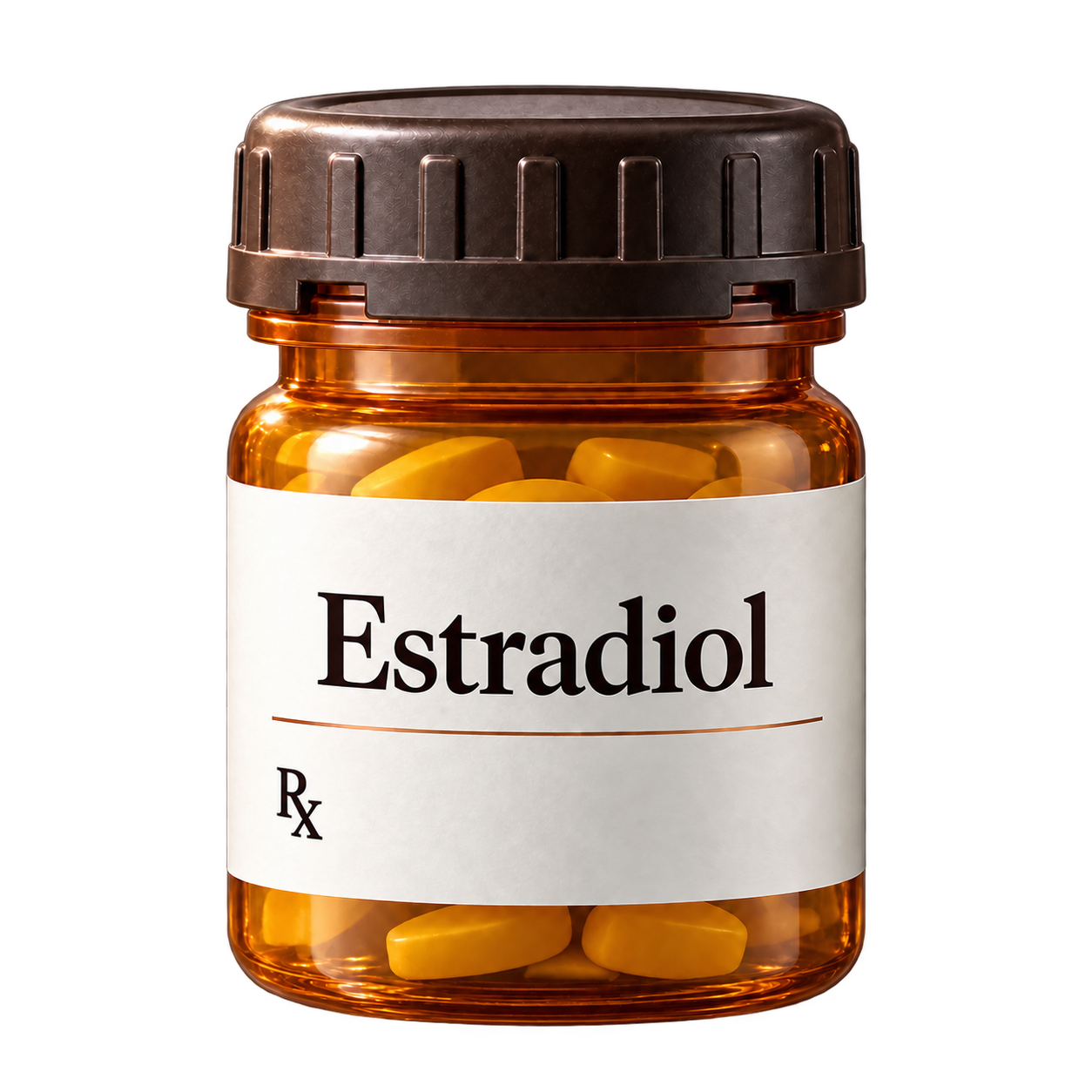
An estradiol pill is a prescription form of estrogen taken by mouth. It is used for certain menopausal symptoms and other situations where the body does not make enough estrogen, but it also has important boxed warnings and is not right for everyone. Vitals Vault can connect you with a licensed clinician who reviews your history, discusses risks and alternatives, and decides whether oral estradiol fits your goals and safety profile.
- An estradiol pill is oral estrogen used for certain menopause and low-estrogen indications.
- It carries boxed warnings and is not used to prevent heart disease or dementia.
- Your risks depend on uterus status, clot and cancer history, and other medicines.
- Estradiol pill side effects can include nausea, breast tenderness, and headache.
What an estradiol pill is
Oral estradiol
Estradiol is a form of estrogen, a hormone that helps regulate the reproductive system and many other tissues. An estradiol pill is taken by mouth and is one of several estradiol formulations, alongside patches, creams, gels, and vaginal products.
FDA-approved uses
Oral estradiol is FDA-approved for moderate to severe vasomotor symptoms of menopause (hot flashes), vulvar and vaginal atrophy due to menopause, certain low-estrogen states (hypoestrogenism) due to hypogonadism, castration, or primary ovarian failure, and for palliative treatment of certain breast and prostate cancers in selected cases.
Not birth control
Estradiol tablets used for menopause hormone therapy are not the same as combined oral contraceptives. Birth control pills typically contain ethinyl estradiol plus a progestin and are dosed and labeled differently.
Generic medication
This page focuses on FDA-approved generic estradiol. A clinician can help you compare oral tablets with other routes like patches or vaginal products based on symptoms, risks, and preferences.
- Drug class
- Estrogen hormone therapy
- Route
- Oral (tablet)
- Common goals
- Relief of menopausal hot flashes and vaginal symptoms; treatment of low-estrogen states
- Key boxed warning themes
- Endometrial cancer risk with unopposed estrogen; cardiovascular and dementia risks with certain hormone therapy use
How oral estradiol works in the body
Replaces estrogen
After menopause or with ovarian insufficiency, estrogen levels drop and can contribute to hot flashes, night sweats, and vaginal dryness. Estradiol therapy raises estrogen activity in the body, which can reduce these symptoms for some people.
Acts on estrogen receptors
Estradiol binds to estrogen receptors in tissues such as the brain, blood vessels, breast, and uterus. This is why it can help symptoms, but also why it can affect clotting risk and certain hormone-sensitive tissues.
Uterus matters
If you still have a uterus, estrogen alone can stimulate the uterine lining (endometrium). To reduce the risk of endometrial cancer, many people with a uterus need a progestin along with systemic estrogen, unless a clinician determines otherwise.
Oral route considerations
Oral estrogen is processed through the liver after absorption. For some people, clinicians consider non-oral routes (like patches) when trying to minimize certain risks, but the best choice depends on your full risk profile.
Who an estradiol pill may be for
Bothersome hot flashes
Oral estradiol may be considered for moderate to severe vasomotor symptoms of menopause, such as frequent hot flashes or night sweats that disrupt sleep or daily life. A clinician will weigh symptom severity against your personal risks.
Vaginal symptoms
Systemic estradiol can help vulvar and vaginal atrophy due to menopause, including dryness and discomfort. If symptoms are mainly vaginal, clinicians often discuss local vaginal estrogen options as well, which may have different risk considerations.
Low estrogen states
Estradiol tablets are also used for hypoestrogenism due to hypogonadism, castration, or primary ovarian failure. The goal is to treat symptoms and health effects of low estrogen under clinician supervision.
Individualized risk review
A clinician typically reviews your age, time since menopause, blood pressure, migraine history, smoking status, clot history, and cancer history. This helps decide whether oral estradiol is appropriate and whether another route might be safer.
Who should not take an estradiol pill
Estrogen-sensitive cancers
Estradiol is contraindicated in known, suspected, or history of breast cancer and in estrogen-dependent neoplasia. If you have a history of cancer, your oncology or gynecology team should guide hormone decisions.
Clots and stroke history
Estradiol is contraindicated with active or past deep vein thrombosis or pulmonary embolism and with active or recent arterial thromboembolic disease such as stroke or myocardial infarction. Seek urgent care for symptoms like chest pain, sudden shortness of breath, or one-sided weakness.
Unexplained vaginal bleeding
Undiagnosed abnormal genital bleeding needs evaluation before starting systemic estrogen. This helps rule out conditions such as endometrial hyperplasia or cancer.
Liver disease
Estradiol is contraindicated in known liver impairment or disease. Because oral estrogen is processed by the liver, clinicians take liver history and labs seriously when considering treatment.
Pregnancy and allergy
Estradiol is contraindicated in pregnancy and in people with known anaphylactic reaction or angioedema to estradiol. Tell your clinician about any prior severe allergic reactions to hormones or medication ingredients.
What to expect if you start oral estradiol
Symptom tracking
Clinicians often ask you to track hot flashes, sleep disruption, mood changes, and vaginal symptoms. This helps determine whether benefits are meaningful and whether adjustments or a different route might be needed.
Follow-up and monitoring
You may need follow-up visits to review side effects, blood pressure, and any abnormal bleeding. If you have a uterus, your plan may include a progestin and guidance on what bleeding patterns should be reported.
Breast and pelvic care
Routine breast cancer screening and gynecologic care remain important while using systemic estrogen. Report new breast lumps, persistent breast changes, or unexpected vaginal bleeding promptly.
Medication review
Bring a full medication list, including supplements. Some drugs can affect estradiol metabolism, and estradiol can change how certain lab tests are interpreted, so your clinician may coordinate timing and monitoring.
Estradiol pill side effects and warnings
Nausea or stomach upset
Some people report nausea, bloating, or abdominal discomfort with oral estradiol. If symptoms are persistent, a clinician may review timing with food and consider whether a different formulation is a better fit.
Breast tenderness
Breast tenderness or swelling can occur with systemic estrogen therapy. Tell your clinician if you notice a new lump, nipple discharge, or changes that do not improve, since these need evaluation.
Headache or migraine changes
Headache can occur with estrogen therapy, and some people with migraine notice changes in pattern. New severe headache, vision changes, or neurologic symptoms should be treated as urgent until evaluated.
Abnormal uterine bleeding
Spotting or bleeding can happen, especially early in therapy or if the endometrium is stimulated. Any unexpected bleeding after menopause needs prompt evaluation to rule out endometrial hyperplasia or cancer.
Blood clots, stroke, heart attack
Systemic estrogen therapy is associated with increased risk of venous thromboembolism (blood clots) and can increase risk of stroke. Seek emergency care for chest pain, sudden shortness of breath, coughing blood, or one-sided weakness.
Breast cancer risk
Estrogen plus progestin therapy is associated with an increased risk of invasive breast cancer in major trials, and estrogen alone has different risk patterns depending on the population studied. Your clinician weighs personal and family history, prior biopsies, and screening status before prescribing.
Cost and access
What drives cost
The cost of an estradiol pill can vary by dose strength, generic manufacturer, pharmacy pricing, and whether you need an additional medication such as a progestin. The route also matters, since patches and vaginal products can be priced differently than tablets.
Insurance coverage factors
Coverage often depends on your plan formulary and whether prior authorization is required. Some plans cover certain estradiol formulations more readily than others, so a clinician may discuss alternatives if a preferred option is not covered.
What you will see here
When available, current prices for Vitals Vault treatment options are shown on this page in the price block. Your final cost can still vary based on clinician evaluation, state availability, and any additional medications or follow-up needs.
Access and safety checks
Because estradiol has important contraindications and boxed warnings, access typically includes a medical history review and discussion of risks. A clinician may ask for recent lab results before prescribing.
How to get an estradiol pill
- 1
Complete an intake
Share your symptoms, medical history, medications, and whether you have a uterus.
- 2
Clinician review
A licensed clinician reviews your history, discusses risks and alternatives, and decides if oral estradiol is appropriate.
- 3
Labs if needed
If your clinician needs more information, they may request recent lab results before prescribing.
- 4
Ongoing follow-up
Continue check-ins for side effects, bleeding changes, and whether the plan still matches your goals.
Frequently Asked Questions
What is an estradiol pill used for?
An estradiol pill is used for moderate to severe menopausal hot flashes and for vulvar and vaginal atrophy due to menopause. It is also used for certain low-estrogen states and, in selected cases, as palliative treatment for some cancers. A clinician helps match the indication and route to your risks.
What are estradiol pill side effects?
Estradiol pill side effects can include nausea, breast tenderness, and headache. More serious risks include blood clots, stroke, and certain cancers, and unexpected vaginal bleeding needs prompt evaluation. Review the boxed warnings and discuss your personal risk factors with a clinician.
Do I need progesterone with an estradiol pill?
If you have a uterus, estrogen alone can increase the risk of endometrial cancer, so a clinician often adds a progestin to reduce that risk. If you do not have a uterus, a progestin may not be needed. Your clinician will individualize this based on your history.
How long can you take an estradiol pill?
Duration is individualized and depends on your symptoms, risks, and treatment goals. FDA labeling emphasizes using the lowest effective dose for the shortest duration consistent with treatment goals, as determined by a clinician. Regular reassessment helps decide whether to continue or change therapy.
How much does an estradiol pill cost?
Cost varies by dose strength, pharmacy pricing, insurance coverage, and whether you also need a progestin or follow-up care. When available, current prices for Vitals Vault treatment options are shown on this page in the price block. Your clinician can also discuss lower-cost routes or formulations if needed.