
Estradiol gel: what it is and how it’s used
Estradiol gel is a prescription estrogen for menopausal symptoms. Learn who it is for, the key risks, what to expect, and how to get it.
Key facts
- Estradiol Oral Capsules is $66.34/month (billed $199 every 90 days), charged only after a clinician approves it.
- Answer a few health questions online. A licensed clinician reviews them. If approved, it ships to your door.
- Adults 18 or older. A licensed clinician reviews your health history and decides whether treatment is appropriate for you. Availability depends on the state you live in.





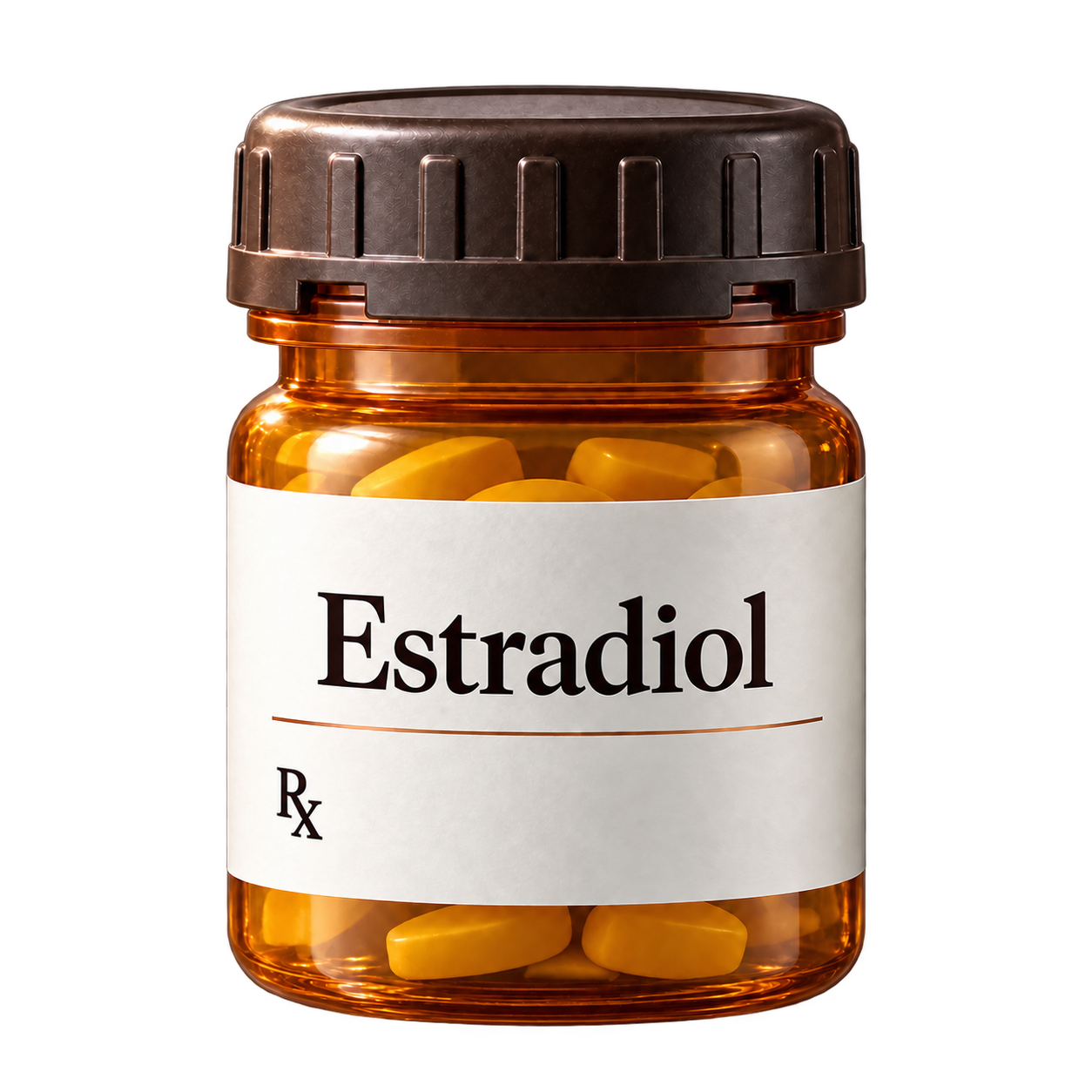
Estradiol gel is a prescription form of estrogen hormone therapy used to help relieve certain menopause symptoms. Because estrogen affects many tissues, the right product, dose, and whether you also need a progestin depends on your medical history and whether you have a uterus. This guide explains how estradiol gel works, who it may fit, key safety warnings, and what access typically looks like.
- Estradiol gel is a prescription estrogen used to treat menopausal symptoms in some people.
- You apply estradiol gel to skin as directed by the product’s Instructions for Use, not to breasts or irritated skin.
- Estrogen therapy has boxed warnings, including risks of blood clots, stroke, and certain cancers.
- If you still have a uterus, you may need a progestin to lower endometrial cancer risk.
- A clinician should review your history and goals before starting or changing estradiol gel.
What estradiol gel is
A topical estrogen
Estradiol gel contains estradiol, the same estrogen your ovaries made before menopause. It is applied to the skin so estradiol can be absorbed into the bloodstream. Different products have different application areas and dosing devices, so the specific label matters.
Used for menopause symptoms
FDA approved estradiol products are used for moderate to severe vasomotor symptoms of menopause, such as hot flashes, and for prevention of postmenopausal osteoporosis in appropriate patients. Your clinician may recommend a different route, like a patch or vaginal product, depending on your symptoms and risk factors.
Not the same as vaginal estrogen
Estradiol gel is designed for systemic (whole body) absorption. Vaginal estradiol products are typically used for genitourinary symptoms such as vaginal dryness and painful sex, and they may have different risk and monitoring considerations. Ask your clinician which type matches your symptoms.
Strengths vary by product
You might see strengths written on packaging or prescriptions, such as 0.1%. Strength does not equal your personal dose, because products differ in how much gel is dispensed per application and how dosing is measured. Your prescriber should specify the exact product and instructions.
How estradiol gel works
Replaces declining estrogen
During menopause, estradiol levels fall and can contribute to hot flashes, night sweats, sleep disruption, and bone loss. Estradiol therapy raises estrogen levels to help relieve symptoms and support bone density in selected patients. The goal is symptom relief using the lowest effective dose for the shortest duration consistent with treatment goals.
Acts on estrogen receptors
Estradiol binds to estrogen receptors in many tissues, including the brain, blood vessels, bones, breasts, and the uterus. This broad activity is why estradiol can help symptoms but also why it has important risks and contraindications. Your clinician weighs benefits and risks based on your personal history.
Systemic exposure is possible
Even though you apply a gel to the skin, it is intended to have systemic effects. That means many of the same boxed warnings and precautions that apply to oral estrogen can apply to topical systemic estrogen products. Product labeling also addresses avoiding transfer to others after application.
- Drug class
- Estrogen hormone therapy (systemic estrogen)
- Common goals
- Relief of moderate to severe menopausal hot flashes; osteoporosis prevention in selected patients
- Key safety theme
- Use individualized dosing and reassess periodically due to boxed warnings
Who estradiol gel is for
Bothersome hot flashes
Estradiol gel may be considered if you have moderate to severe vasomotor symptoms of menopause that affect daily life. A clinician will consider your symptom pattern, age, time since menopause, and cardiovascular and clot risk factors. Nonhormonal options may be preferred for some people.
Need for systemic therapy
If your symptoms are mainly vaginal dryness or pain with sex, a local vaginal estradiol product may be a better fit than systemic gel. If you have multiple systemic symptoms, a systemic option like gel or patch may be discussed. The route can matter for tolerability and risk profile.
People who cannot swallow pills
Some people prefer or need a nonoral route due to side effects, absorption issues, or personal preference. Topical systemic products can be an alternative to oral estrogen, but they still require careful screening and follow up. Your clinician can help match the route to your goals.
Those with a uterus
If you have not had a hysterectomy, estrogen alone can increase the risk of endometrial (uterine lining) cancer. Many patients with a uterus are prescribed a progestin along with systemic estrogen to reduce this risk. Do not add or stop a progestin without clinician guidance.
Those without a uterus
If you have had a hysterectomy, you may not need a progestin with systemic estrogen, depending on your history. Your clinician will still review breast cancer risk, clot risk, and other contraindications. Follow up is still important even when estrogen is used alone.
Who should not use estradiol gel
Estrogen dependent cancer
Systemic estrogen is contraindicated in people with known, suspected, or history of breast cancer and in those with known or suspected estrogen dependent neoplasia. If you have a personal history of cancer, your oncology and gynecology teams should be involved in decisions about hormone therapy. Report new breast lumps or nipple discharge promptly.
Blood clots or stroke history
Systemic estrogen is contraindicated if you have active or past deep vein thrombosis or pulmonary embolism, or a history of stroke or heart attack. Estrogen can increase the risk of blood clots and stroke, especially in higher risk individuals. Seek urgent care for chest pain, sudden shortness of breath, or one sided weakness.
Unexplained vaginal bleeding
Unusual or unexplained vaginal bleeding needs evaluation before starting systemic estrogen. Bleeding after menopause can have many causes, including endometrial hyperplasia or cancer. Do not ignore bleeding even if it seems light or intermittent.
Liver disease or allergy
Systemic estrogen is contraindicated in people with liver dysfunction or disease and in those with known hypersensitivity to estradiol products or their ingredients. Your clinician may review liver history and current medications. Tell your clinician about prior allergic reactions to hormone products.
Pregnancy
Estradiol products are not indicated for use during pregnancy. If pregnancy is possible, discuss contraception and what to do if you think you might be pregnant. Contact your clinician promptly if pregnancy occurs while using estradiol.
What to expect with estradiol gel
Symptom tracking matters
Your clinician will usually ask what symptoms you want to improve and how they affect your day to day life. Keeping a simple log of hot flashes, sleep disruption, and triggers can help you and your clinician judge whether the plan is working. Follow up visits are typically used to reassess benefits and risks.
Dose adjustments are individualized
Estradiol therapy is typically started at a low dose and adjusted based on symptom response and side effects, using the specific product’s dosing system. Do not change how much you apply without prescriber guidance. If you have a uterus, changes to estrogen may also affect progestin planning.
Possible skin and transfer precautions
Topical products can cause local skin irritation in some people. Product labeling also includes precautions to reduce the chance of transferring estradiol to others through skin to skin contact. Ask your pharmacist how long to wait before skin contact and whether covering the site is recommended for your product.
Monitoring and preventive care
Your clinician may review blood pressure, cardiovascular risk factors, and routine cancer screening appropriate for your age and history. Report new breast symptoms, persistent pelvic pain, or abnormal bleeding. If you develop new headaches, vision changes, or leg swelling, contact a clinician promptly.
Estradiol gel side effects and warnings
Breast tenderness
Breast tenderness can occur with systemic estrogen therapy. If it is new, persistent, or associated with a lump or nipple discharge, contact a clinician for evaluation. Staying up to date with recommended breast cancer screening is important while using hormone therapy.
Headache or nausea
Some people report headache, nausea, or stomach upset with systemic estrogen. These symptoms can have many causes, so discuss patterns and timing with your clinician. Seek urgent care for a sudden severe headache, weakness, or vision changes.
Skin irritation at application site
Topical estradiol can cause redness, itching, or irritation where it is applied. Let your clinician know if you develop a rash, blistering, or swelling, or if irritation makes it hard to use the product as directed. Do not apply to broken or irritated skin unless your product labeling specifically allows it.
Abnormal vaginal bleeding
Postmenopausal bleeding or unexpected bleeding while on hormone therapy needs medical evaluation. Estrogen can stimulate the uterine lining, and unopposed estrogen increases endometrial cancer risk in people with a uterus. Contact a clinician promptly for any new or unusual bleeding.
Blood clots, stroke, heart attack
Systemic estrogen therapy carries increased risks of blood clots and stroke, and it is contraindicated in people with a history of these events. Symptoms like chest pain, shortness of breath, coughing blood, sudden severe headache, or one sided weakness require emergency evaluation. Your clinician will screen for clot risk factors before prescribing.
Breast cancer and dementia warnings
Boxed warnings for estrogen therapy include increased risk of certain cancers and dementia in specific populations described in labeling. Risk depends on factors like age, time since menopause, and whether a progestin is used when you have a uterus. Discuss your personal and family history with your clinician before starting.
Cost and access for estradiol gel
What drives cost
Your out of pocket cost depends on the exact estradiol gel product, strength, and quantity, plus whether you are using insurance. Some plans prefer certain brands or generics, and topical products can be placed on different formulary tiers. Pharmacy choice and prior authorization requirements can also affect what you pay.
Insurance coverage varies
Commercial insurance may cover some estradiol products but not others, and coverage can change year to year. Medicare Part D plans may cover certain estrogen products depending on the plan’s formulary. If you are uninsured or your plan does not cover a product, ask your clinician about alternative routes or formulations that may be more accessible.
Visits and follow up
Access is not just the medication. Many people need an initial clinician visit to review risks and benefits, plus follow up to reassess symptoms and safety. If you have a uterus, you may also need a progestin prescription, which can add complexity to the plan.
Why prescriptions differ
Estradiol gel and estradiol spray products are not interchangeable without clinician input because dosing devices and application instructions differ. If your pharmacy substitutes a different product, confirm with your prescriber that the directions still match. This can prevent underdosing, overdosing, or avoidable side effects.
How to get estradiol gel safely
- 1
Review your symptoms and history
A clinician reviews your menopause symptoms, uterus status, cancer history, clot risk, and current medications.
- 2
Choose the right estrogen route
Together you decide whether gel, patch, oral estradiol, or a vaginal product best matches your goals.
- 3
Confirm the exact product directions
Your pharmacist and prescriber confirm the specific product’s Instructions for Use, including where it is applied.
- 4
Plan follow up and monitoring
You schedule follow up to reassess symptom relief, side effects, and whether the plan still fits.
Frequently Asked Questions
Where to apply estradiol gel?
Where you apply estradiol gel depends on the specific product you are prescribed, because different products have different labeled application sites. Follow your product’s Instructions for Use and confirm questions with your pharmacist or prescriber. Avoid applying to areas the label says not to use.
How to apply estradiol gel?
Apply estradiol gel exactly as directed in the prescribing information and Instructions for Use for your specific product. Your pharmacist or prescribing clinician can show you how to use the dosing device and how to reduce the chance of transferring medication to others. Do not change how you apply it without clinician guidance.
Is estradiol gel 0.1% the same as a dose?
No. Estradiol gel 0.1% is a strength on the product label, but your prescribed dose depends on how much gel is dispensed per application and how your product measures dosing. Your prescription directions and the product Instructions for Use determine how it is used.
Is estradiol gel safer than oral estrogen?
Estradiol gel is a systemic estrogen, so it still carries important boxed warnings and contraindications. Some people may have reasons to prefer a nonoral route, but safety depends on your personal risks and the specific product. Discuss clot risk, stroke risk, and cancer history with a clinician.
Do I need progesterone with estradiol gel?
If you have a uterus, estrogen alone can increase the risk of endometrial cancer, so a clinician may prescribe a progestin along with systemic estrogen. If you have had a hysterectomy, you may not need one, depending on your history. Your clinician should individualize the plan.