
Semaglutide dosing schedule: label-based guide
A semaglutide dosing schedule uses gradual dose increases to improve tolerability. Here is what labels say about weekly injections.
Key facts
- Semaglutide + B12 is $157/month (billed $157 every 4 weeks), charged only after a clinician approves it.
- Answer a few health questions online. A licensed clinician reviews them. If approved, it ships to your door.
- Adults 18 or older. A licensed clinician reviews your health history and decides whether treatment is appropriate for you. Availability depends on the state you live in.


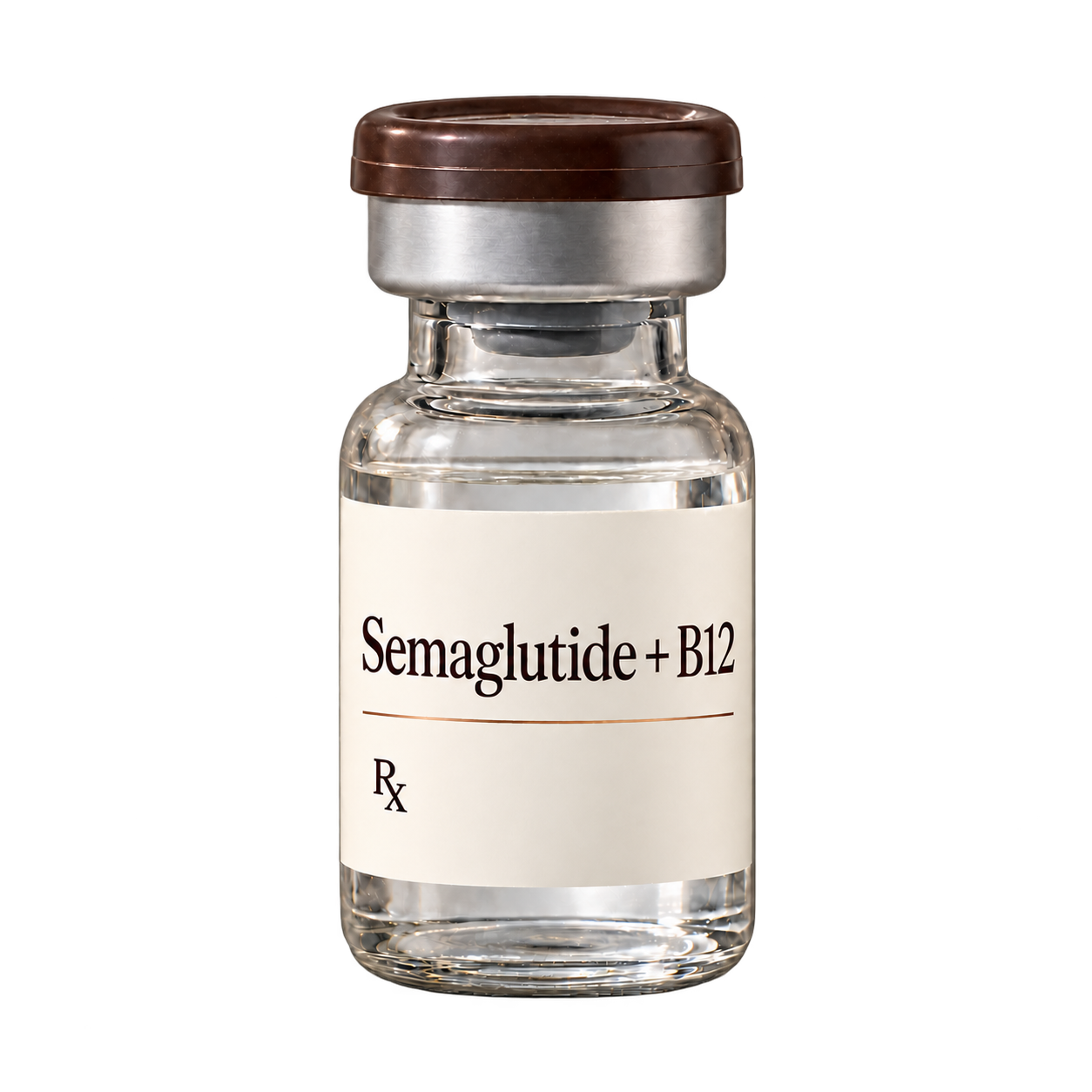
A semaglutide dosing schedule is a planned, stepwise increase in dose designed to help your body tolerate the medicine, especially stomach side effects. The exact schedule depends on which semaglutide product you are using and why it was prescribed. This guide summarizes label-based dosing patterns for semaglutide injections and tablets, plus what to do about missed doses and common safety questions. If you want help applying this to your own history, you can use Vitals Vault tools like PocketMD to organize questions for your clinician.
- A semaglutide dosing schedule typically starts low and increases gradually to reduce side effects.
- Ozempic and Wegovy are weekly injections with different labeled dose schedules and maximum doses.
- Rybelsus is an oral semaglutide tablet with a step-up schedule and specific administration rules.
- If you miss a dose, follow the product label and contact your prescriber if unsure.
Semaglutide dosing schedule, explained
Why doses increase slowly
Semaglutide commonly causes nausea, vomiting, diarrhea, constipation, and abdominal pain, especially when starting or increasing the dose. Labeled schedules use gradual dose escalation to improve tolerability. If side effects are significant, clinicians may pause escalation or adjust the plan.
One ingredient, different labels
Semaglutide is the active ingredient in Ozempic (injection), Wegovy (injection), and Rybelsus (tablet). Each product has its own labeled dosing schedule, pen strengths or tablet strengths, and approved uses. Do not assume the schedule is interchangeable across products.
Compounded semaglutide
Compounded semaglutide is prepared by a licensed pharmacy for an individual prescription and is not FDA-approved. Dosing and administration instructions for compounded products come from the prescribing clinician and dispensing pharmacy, not an FDA label.
Label-based dosing schedules and common questions
| Product (semaglutide) | Route and frequency | How the schedule is structured | Where to verify details |
|---|---|---|---|
| Ozempic | Injection, once weekly | Starts at a lower dose, then increases after several weeks; maintenance depends on response and tolerability. | FDA Prescribing Information (Ozempic) |
| Wegovy | Injection, once weekly | A multi-step escalation schedule over several months to reach a maintenance dose. | FDA Prescribing Information (Wegovy) |
| Rybelsus | Oral tablet, once daily | Starts at a low daily dose for a set period, then increases; administration timing matters for absorption. | FDA Prescribing Information (Rybelsus) |
Ozempic schedule basics
Ozempic is labeled as a once-weekly injection for type 2 diabetes, with a gradual dose increase to reduce gastrointestinal side effects. The label describes starting dose, when to increase, and maximum labeled dose. If you are using semaglutide for weight management, the labeled schedule may differ by product.
Wegovy schedule basics
Wegovy is labeled as a once-weekly injection for chronic weight management in certain adults and adolescents, used with reduced-calorie diet and increased physical activity. The prescribing information includes a stepwise escalation schedule and maintenance dosing. The label also describes what to do if you do not tolerate a dose during escalation.
Rybelsus schedule basics
Rybelsus is an oral semaglutide tablet labeled for type 2 diabetes. The label includes a step-up schedule and specific administration instructions because food and other oral medicines can affect absorption. If you are unsure how to take it, confirm against the FDA label and your pharmacist’s counseling.
What if you miss a dose
Missed-dose instructions are product-specific and depend on how long it has been since the missed dose. Follow the missed-dose section of your product’s prescribing information and contact your prescriber if you are not sure what applies to your situation. Do not double up unless your clinician specifically instructs you to.
Where semaglutide is injected
For FDA-approved injectable semaglutide products, the Instructions for Use describe where injections may be given and how to use the pen. Your prescriber or pharmacist should show you how to inject, and you should follow the product’s Instructions for Use. For compounded semaglutide, follow the instructions from your clinician and dispensing pharmacy.
Common side effects during titration
Gastrointestinal side effects are common during dose escalation, including nausea, vomiting, diarrhea, constipation, and abdominal pain. Eating smaller meals, avoiding high-fat meals, and staying hydrated may help some people, but you should discuss persistent symptoms with your clinician. The label also lists serious risks that require prompt medical attention.
When to contact your clinician urgently
Severe stomach symptoms
Contact your clinician if you have persistent vomiting, cannot keep fluids down, or have worsening abdominal pain. These can lead to dehydration and may signal a more serious problem. Your clinician may advise evaluation and may adjust your dosing plan.
Possible pancreatitis
Seek prompt medical care for severe abdominal pain that may radiate to your back, with or without vomiting. Pancreatitis has been reported with GLP-1 receptor agonists, including semaglutide, and is listed as a warning in prescribing information. Do not restart after suspected pancreatitis unless your clinician directs it.
Gallbladder symptoms
Contact a clinician for right upper abdominal pain, fever, jaundice, or persistent nausea and vomiting. Acute gallbladder disease has been reported with semaglutide products. Your clinician may recommend evaluation and may reassess your treatment plan.
Low blood sugar risk
If you use semaglutide with insulin or a sulfonylurea, your clinician may need to adjust other diabetes medicines to reduce hypoglycemia risk. Get help right away for confusion, fainting, or seizures. Discuss symptoms like shakiness or sweating with your care team.
Thyroid or neck symptoms
Semaglutide products carry a boxed warning about thyroid C-cell tumors seen in rodents, and they are contraindicated in people with a personal or family history of medullary thyroid carcinoma or MEN 2. Contact your clinician for a neck lump, hoarseness, trouble swallowing, or shortness of breath.
Pro tips for staying on schedule
Keep a weekly routine
Pick a consistent day for weekly injections and set reminders.
Track side effects
Write down symptoms after dose changes so your clinician can adjust safely.
Confirm product and strength
Different semaglutide products and strengths are not interchangeable.
Ask before switching
Switching between brands, tablets, and compounded forms needs clinician guidance.
Bring label questions
Use the prescribing information and Instructions for Use to guide questions.
Frequently Asked Questions
What is the semaglutide dosing schedule?
A semaglutide dosing schedule is a gradual increase in dose intended to improve tolerability, especially gastrointestinal side effects. The exact schedule depends on the specific product (Ozempic, Wegovy, or Rybelsus) and the labeled indication. Follow your prescriber’s plan and the product label.
What is the Ozempic dosing schedule?
Ozempic is a once-weekly injectable semaglutide with a labeled step-up schedule that starts at a lower dose and increases after a set period. The prescribing information lists the starting dose, when to increase, and the maximum labeled dose. Your clinician may adjust based on tolerability.
Is the Zepbound dosing schedule the same as semaglutide?
No. Zepbound contains tirzepatide, not semaglutide, and it has its own labeled dose-escalation schedule and pen strengths. If you are switching between products, your clinician should guide the transition using the correct label.
What is the Mounjaro dosing schedule and how is it different?
Mounjaro is tirzepatide for type 2 diabetes and uses a labeled stepwise dose escalation. It is a different medication than semaglutide, so dosing schedules and maximum doses are not interchangeable. Confirm the correct schedule in the FDA prescribing information for your product.
Where do you inject semaglutide?
For FDA-approved semaglutide injection pens, the Instructions for Use describe the approved injection sites and how to use the pen. Your prescriber or pharmacist should show you how to inject, and you should follow the Instructions for Use. For compounded semaglutide, follow your clinician and pharmacy instructions.