Glymphatic System: How Your Brain Cleans Itself at Night
Every night while you sleep, your brain runs what amounts to a biological dishwasher — flushing out toxic proteins and metabolic debris that build up during the day.



Every night while you sleep, your brain runs what amounts to a biological dishwasher — flushing out toxic proteins and metabolic debris that build up during the day. This system, called the glymphatic system, is one of the most significant neuroscience discoveries of the last decade, and the evidence linking poor sleep to Alzheimer's risk runs directly through it. Recently, a wave of longevity researchers and sleep scientists have been paying close attention to new findings suggesting that carbon dioxide levels in the blood may actually trigger this nightly cleaning cycle — adding a surprising new layer to what we already knew about deep sleep and brain health. If you want to understand what your brain is actually doing while you rest, and what you can do to help it do that job better, this is the article to read. Vitals Vault's lab panels can also help you track the metabolic and inflammatory markers that reflect how well your body is recovering overnight.
Why this is trending
The glymphatic system has been a fixture in neuroscience circles since researchers at the University of Rochester first described it in 2013, but it has recently broken into mainstream health conversations in a big way. Sleep researcher Matt Walker has covered it extensively on his podcast, Peter Attia has highlighted how even modest sleep disruption — including noise — impairs the system, and a Reddit post in the longevity community this week sparked fresh discussion around a study showing that inhaling low concentrations of CO2 can stimulate glymphatic flow, raising the possibility that blood CO2 levels are a key signal that tells your brain it is time to clean house. What makes this moment different from earlier hype cycles is that the underlying science is genuinely solid and growing. This is not a supplement company's marketing claim or a biohacker's n-of-one experiment. The CO2 finding is preliminary and needs replication in humans, but it fits a coherent biological story that researchers have been building for years — and it is prompting real questions about sleep apnea, breathing patterns, and brain aging that are worth taking seriously.
What the glymphatic system actually is
Your brain's dedicated overnight plumbing network
The glymphatic system is a network of channels that runs alongside the blood vessels in your brain, using cerebrospinal fluid — the clear liquid that cushions your brain and spinal cord — to flush waste products out of brain tissue. Think of it as a pressure-wash cycle that can only run properly when you are deeply asleep, because the brain cells themselves physically shrink during sleep to open up the channels and let fluid flow through.
The waste it clears includes Alzheimer's-linked proteins
One of the most important things the glymphatic system removes is amyloid-beta, the protein that clumps into the plaques [amyloid plaques] found in the brains of people with Alzheimer's disease. It also clears tau protein and other metabolic byproducts that accumulate simply from the normal work of thinking and feeling throughout the day, which means every night of poor sleep is a night where that debris gets a head start on building up.
It is almost entirely a deep-sleep phenomenon
Glymphatic flow is dramatically higher during slow-wave sleep — the deep, dreamless stage that dominates the first half of the night — compared to wakefulness or even lighter sleep stages. This is why the total hours you sleep matter less than the quality and architecture of that sleep, and why anything that fragments your deep sleep, from alcohol to a noisy bedroom, has an outsized effect on how well your brain cleans itself.
Lab testing
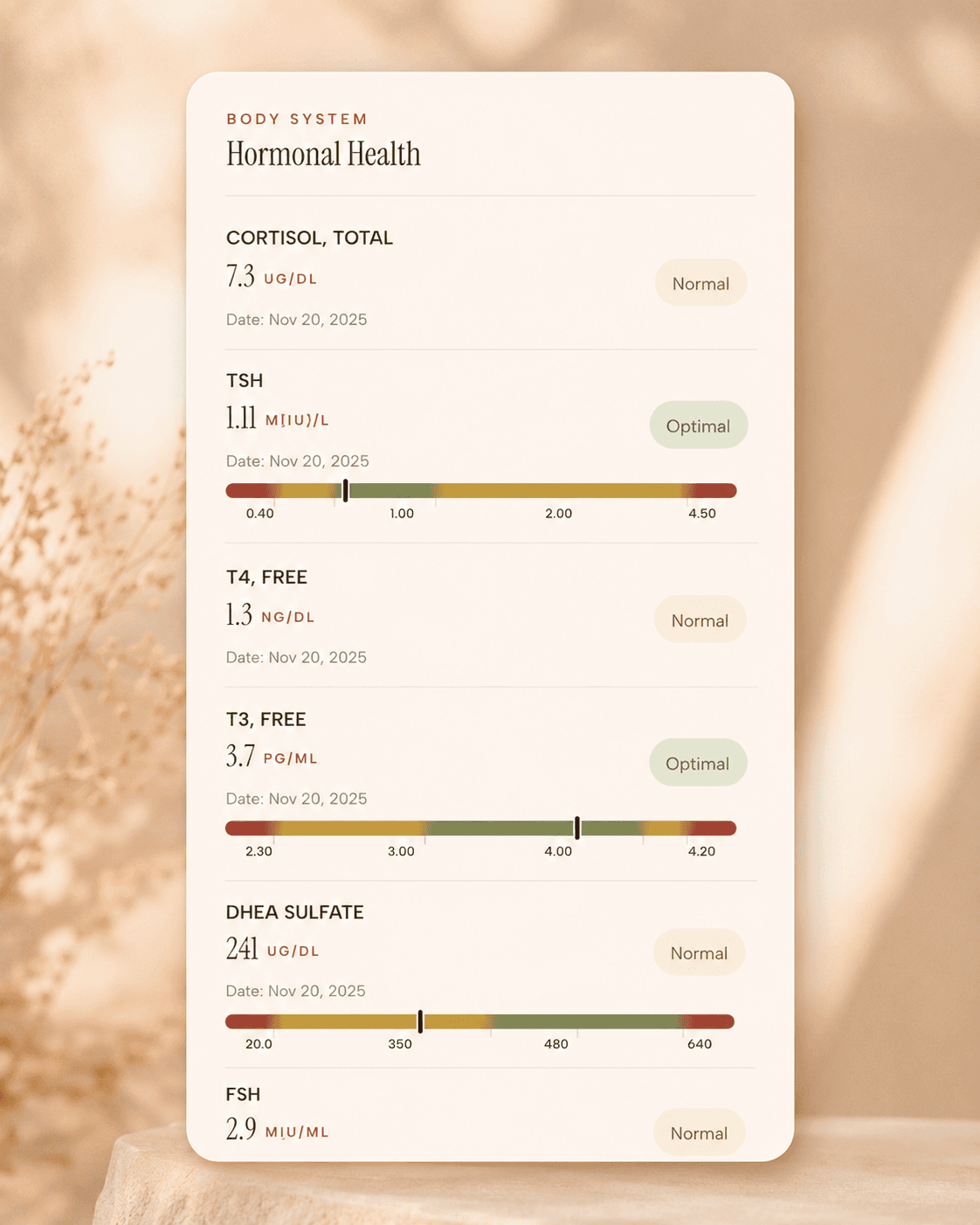
Markers like hs-CRP, fasting insulin, and thyroid function can all affect sleep quality and brain recovery. The Vitals Vault starting-from-$99 panel covers 100+ tests in one visit
no referral needed
About 1 week
Schedule online — results typically within a week
Clear next steps
Guidance included, with follow-up care available
HSA / FSA
Eligible for pre-tax health spending accounts
Why this is getting so much attention right now
New CO2 research adds a surprising biological trigger
A study that has been circulating in longevity communities this week found that breathing air with slightly elevated CO2 concentrations appears to stimulate glymphatic clearance in animal models, suggesting that rising CO2 in the blood — a natural signal that you have been breathing slowly and steadily — may be part of what tells the brain to activate its cleaning cycle. This is still early-stage research that has not been confirmed in large human trials, but it reframes how we think about breathing during sleep and why conditions like sleep apnea, which disrupt normal CO2 patterns, may be so damaging to brain health over time.
Sleep apnea and brain aging are finally being connected publicly
For years, sleep apnea was discussed mainly as a heart and daytime-fatigue problem, but researchers and clinicians are increasingly vocal about its connection to accelerated cognitive decline. The glymphatic story provides a clear mechanism: repeated breathing interruptions throughout the night mean the brain never sustains the deep-sleep phases it needs to run its cleaning cycle, so amyloid and tau accumulate faster. This connection is landing with a general audience in a way it simply did not five years ago.
Longevity culture has made brain health a personal project
The broader shift toward tracking and optimizing health — rather than waiting for symptoms — has made the glymphatic system a natural topic of interest for anyone thinking seriously about aging. When people learn that something as accessible as sleep position or bedroom temperature might meaningfully affect their Alzheimer's risk decades from now, it feels actionable in a way that abstract genetic risk does not, and that sense of agency is driving a lot of the current conversation.
What the research actually shows
The foundational animal studies are robust
The original 2013 work from Maiken Nedergaard's lab at the University of Rochester showed glymphatic flow in mice was nearly ten times higher during sleep than during wakefulness, and that amyloid clearance was significantly impaired when sleep was disrupted. These findings have been replicated multiple times in animal models and the basic mechanism — cerebrospinal fluid flowing through channels around blood vessels to wash brain tissue — has been confirmed with imaging in humans.
Human imaging studies support the sleep-clearance link
MRI studies in humans have confirmed that cerebrospinal fluid movement in the brain increases during sleep, particularly during slow-wave sleep, and that this movement is coupled to the slow electrical rhythms of deep sleep in a way that looks very similar to what was seen in mice. Studies have also shown that people who sleep fewer hours or have more fragmented sleep have measurably higher amyloid burden in their brains over time, which is exactly what the glymphatic model predicts.
The CO2 finding is real but very preliminary
The research suggesting CO2 triggers glymphatic activity is genuinely interesting and biologically plausible — CO2 is a potent vasodilator and affects cerebrospinal fluid dynamics in ways that could plausibly enhance clearance. But the key studies so far are in animal models, and deliberately inhaling elevated CO2 is not something you should experiment with at home; the therapeutic implications, if any, are years away from being established in humans.
Sleep position data exists but is not yet definitive
One study found that sleeping on your side (the lateral position) appeared to clear amyloid and tau more efficiently than sleeping on your back or stomach in rodent models, and this has been widely cited in health media. The human evidence is suggestive but not conclusive — most people naturally shift positions throughout the night anyway, so the practical takeaway is modest rather than a reason to stress about your exact sleeping posture.
What you can actually do to support your brain's nightly cleanup
Protect your deep sleep with temperature and timing
Your body needs to drop its core temperature by about one to two degrees Fahrenheit to enter and sustain deep sleep, which is why a cool bedroom — most research points to somewhere between 65 and 68°F — meaningfully improves sleep architecture. Going to bed at a consistent time also matters because your deep-sleep stages are front-loaded into the night, so a late bedtime or irregular schedule cuts into exactly the sleep phase where glymphatic activity is highest.
Treat alcohol as a glymphatic disruptor, not a sleep aid
Alcohol helps you fall asleep faster but suppresses slow-wave sleep, which means it directly undermines the conditions your brain needs for waste clearance — even at moderate amounts consumed a few hours before bed. If you are serious about brain health over the long term, this is one of the most evidence-backed changes you can make, because the effect is dose-dependent and shows up even with one or two drinks.
Address noise and light as seriously as you would a medical symptom
Peter Attia has highlighted research showing that even low-level noise during sleep — traffic, a partner's phone, a TV in another room — fragments sleep architecture in ways that impair glymphatic function, even when you do not consciously wake up. Blackout curtains, earplugs or a white noise machine, and keeping your phone out of the bedroom are not wellness clichés; they are direct interventions on the quality of your brain's nightly cleaning cycle.
What to be careful about with this topic
Do not self-experiment with CO2 inhalation
The CO2-glymphatic research has generated genuine excitement, but deliberately breathing elevated CO2 concentrations carries real risks including dizziness, panic responses, and cardiovascular stress. There is no established safe protocol for home use, and the research is nowhere near the stage where a therapeutic application has been validated — so please treat this as a fascinating scientific lead, not a biohack to try.
Glymphatic optimization does not replace evaluation for sleep disorders
If you snore heavily, wake up unrefreshed no matter how long you sleep, or have been told you stop breathing at night, no amount of bedroom temperature adjustment will compensate for untreated sleep apnea. Sleep apnea is a medical condition that requires proper diagnosis — usually with a sleep study — and treatment, and it is one of the most underdiagnosed conditions affecting brain health in middle-aged adults. A PocketMD physician can help you figure out whether a formal evaluation makes sense for you.
The Alzheimer's connection is real but not a simple on-off switch
Poor sleep is a meaningful risk factor for Alzheimer's disease, but it is one of many, and improving your sleep will not guarantee you avoid cognitive decline any more than exercising guarantees you avoid heart disease. Genetics, cardiovascular health, metabolic function, and other factors all interact — which is why tracking your broader health picture, including inflammatory and metabolic markers, gives you a more complete view than focusing on any single variable.
Frequently Asked Questions
How does the glymphatic system clear waste from the brain during sleep?
During deep sleep, your brain cells physically shrink, which opens up channels around blood vessels that allow cerebrospinal fluid to flow through brain tissue like a slow rinse cycle. This fluid carries away metabolic waste products — including amyloid-beta and tau proteins linked to Alzheimer's — and drains them out of the brain. The process is most active during slow-wave sleep, which is why the quality and depth of your sleep matters more than simply the number of hours you spend in bed.
Can poor sleep really increase my Alzheimer's risk?
The evidence is strong enough that most neuroscientists now treat sleep quality as a genuine modifiable risk factor for Alzheimer's disease, not just a correlate. Studies have shown that people with chronically poor sleep have higher amyloid burden in their brains over time, and that even a single night of sleep deprivation causes a measurable spike in amyloid levels in cerebrospinal fluid. This does not mean poor sleep guarantees Alzheimer's, but it is a meaningful piece of a larger risk picture that is worth taking seriously.
Does sleeping on your side really help the glymphatic system work better?
There is one notable rodent study suggesting that the lateral (side-sleeping) position enhances glymphatic clearance compared to sleeping on your back or stomach, and it has been widely cited in health media. The human evidence is not yet definitive, and most people naturally shift positions throughout the night anyway. It is a reasonable preference to have if you are comfortable sleeping on your side, but it is far less important than protecting the depth and continuity of your sleep overall.
What is the CO2 and glymphatic system connection I keep seeing mentioned?
Recent research — still in animal models and not yet confirmed in large human trials — suggests that rising CO2 levels in the blood may act as a trigger for glymphatic activity, possibly because CO2 affects blood vessel diameter and cerebrospinal fluid dynamics in ways that enhance waste clearance. This is a genuinely interesting finding that could eventually reshape how we think about sleep apnea and brain aging, but it is too early to draw firm conclusions or change behavior based on it. Deliberately inhaling elevated CO2 at home is not safe and is not recommended.
What lab tests are relevant to brain health and sleep quality?
There is no direct blood test for glymphatic function, but several markers give you a useful window into the conditions that support or undermine it. Thyroid hormones affect sleep architecture significantly, fasting insulin and blood glucose reflect metabolic health that influences sleep quality, and inflammatory markers like hs-CRP can signal the kind of chronic low-grade inflammation that both disrupts sleep and accelerates brain aging. Vitals Vault's panel covers these and over 100 other markers in a single visit, which can help you and your doctor identify what is actually getting in the way of restorative sleep.