
Perimenopause weight loss pills: what to consider
Perimenopause weight loss pills can help some people, but options vary by risks and goals. Here is what is proven and what is not.
Key facts
- Answer a few health questions online. A licensed clinician reviews them. If approved, it ships to your door.
- Adults 18 or older. A licensed clinician reviews your health history and decides whether treatment is appropriate for you. Availability depends on the state you live in.


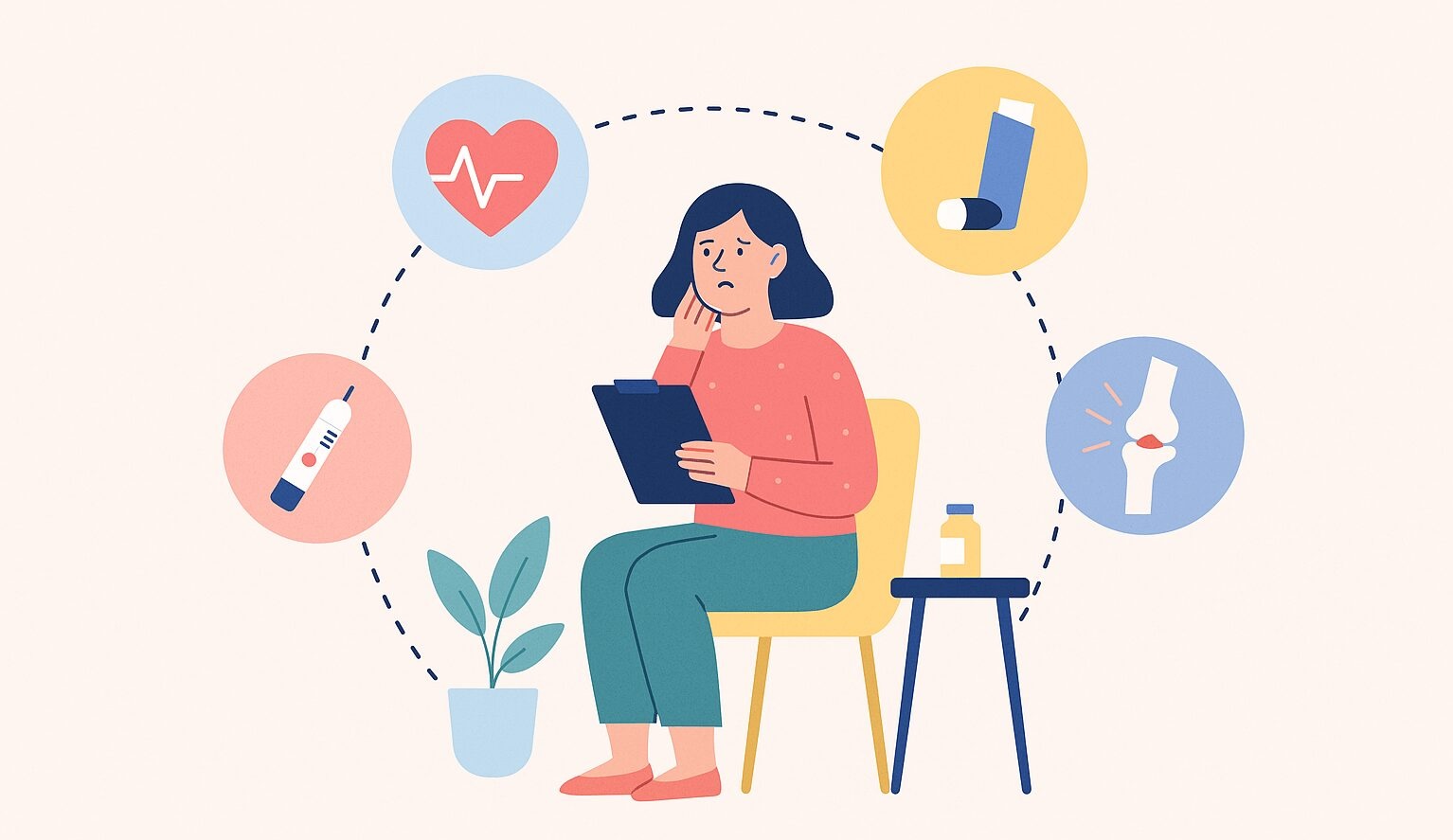
Perimenopause can change how your body stores fat, how hungry you feel, and how well you sleep. That is why many people search for perimenopause weight loss pills, hoping for something targeted to this life stage. The reality is more practical: clinicians choose from the same FDA-approved weight loss medications used at other ages, then tailor the plan around symptoms, other medicines, and safety. Vitals Vault can help you sort options and decide what to discuss with a clinician.
- Perimenopause weight loss pills can help, but the best choice depends on your health risks and medications.
- There is no pill made specifically for perimenopause; clinicians use FDA-approved obesity medicines when criteria are met.
- GLP-1 medicines are often injections; the only oral GLP-1 (Rybelsus) is for type 2 diabetes, not weight loss.
- Avoid “menopause fat burner” supplements: quality and safety vary, and evidence is limited.
Do weight loss pills help in perimenopause?
What “pills” usually means
Some FDA-approved weight loss medicines are oral tablets or capsules, while others are injections. Many people use “pills” to mean any medication for weight loss, including GLP-1 medicines that are commonly injectable.
Perimenopause is not a diagnosis
Perimenopause is the transition leading up to menopause, when hormone levels fluctuate and periods become irregular. Weight changes during this time can also reflect sleep disruption, stress, loss of muscle, insulin resistance, or medication effects.
Medication is one tool
Guidelines emphasize that anti-obesity medications are used along with nutrition, physical activity, and behavior support. A clinician also screens for secondary causes of weight gain and for medication interactions before prescribing.
Which options are actually used (and what to watch for)
| Option | Form | FDA-approved for chronic weight management? | Key safety notes to discuss |
|---|---|---|---|
| Orlistat (Xenical, Alli OTC at lower dose) | Oral capsule | Yes (prescription orlistat); OTC version is not the same dose | GI side effects and fat-soluble vitamin absorption issues; medication interactions (for example warfarin) need review. |
| Phentermine and phentermine-topiramate ER (Qsymia) | Oral tablet or capsule | Phentermine-topiramate ER: yes; phentermine alone: short-term use | Stimulant-related risks and contraindications; pregnancy prevention is critical with topiramate due to fetal risk. |
| Naltrexone-bupropion ER (Contrave) | Oral tablet | Yes | Bupropion has a boxed warning about suicidal thoughts and behaviors; avoid in seizure disorders and certain opioid use situations. |
| GLP-1 receptor agonists (for example semaglutide as Wegovy; tirzepatide as Zepbound) | Usually injection | Yes (specific products) | Boxed warning for thyroid C-cell tumors; pancreatitis, gallbladder disease, and kidney injury warnings; review other diabetes drugs to reduce hypoglycemia risk. |
| Metformin | Oral tablet | No (off-label for weight) | Used for type 2 diabetes and insulin resistance; can lower vitamin B12 with long-term use, so monitoring may be needed. |
| Oral semaglutide (Rybelsus) | Oral tablet | No (approved for type 2 diabetes, not weight loss) | Has GLP-1 class warnings and precautions; not interchangeable with Wegovy dosing and is not approved for obesity. |
Why perimenopause changes the conversation
Sleep problems, hot flashes, mood changes, and shifts in muscle mass can all affect appetite and energy balance. A clinician may prioritize treatments that fit your symptom pattern and avoid worsening anxiety, insomnia, or blood pressure.
Supplements marketed for menopause
Many “menopause weight loss” supplements combine stimulants, laxatives, or herbal blends with limited clinical evidence. Unlike FDA-approved prescription drugs, supplement potency and purity can vary, and interactions with antidepressants, thyroid meds, and blood thinners are possible.
Hormone therapy is not a weight loss drug
Menopausal hormone therapy can help vasomotor symptoms (hot flashes and night sweats) for appropriate candidates, but it is not prescribed as a weight loss medication. Decisions about hormone therapy depend on age, time since menopause, and risks such as blood clots and certain cancers.
GLP-1 “pills” are limited
If you want a true pill, know that the GLP-1 medicines most associated with weight loss are typically injections. Oral semaglutide exists for type 2 diabetes, but it is not approved for chronic weight management.
When to talk to a clinician (and what to ask)
You have rapid or unexplained gain
If weight gain is fast, comes with new fatigue, hair changes, constipation, or swelling, ask about medical causes such as thyroid disease, medication side effects, or sleep apnea. A clinician can decide which labs or evaluations fit your symptoms.
You have cardiometabolic risks
If you have high blood pressure, prediabetes, type 2 diabetes, high cholesterol, fatty liver disease, or a history of gestational diabetes, discuss weight loss medications that also support cardiometabolic goals. Your clinician will review contraindications and monitoring needs.
You have mood or sleep symptoms
Perimenopause often overlaps with anxiety, depression, and insomnia. Bring a list of mental health medications and supplements, because some weight loss drugs can worsen sleep or interact with antidepressants.
You are considering a GLP-1 medicine
Ask specifically about the boxed warning for thyroid C-cell tumors and the warnings about pancreatitis, gallbladder problems, and kidney injury. Also ask what symptoms should prompt urgent evaluation, such as severe abdominal pain or signs of dehydration.
You are using online or compounded products
If you are offered a compounded GLP-1, confirm what ingredient and dose form you would receive and how the pharmacy is licensed. Compounded medications are not FDA-approved, so quality and instructions depend on the prescriber and dispensing pharmacy.
Practical tips for safer use
Bring a full medication list
Include hormones, antidepressants, thyroid meds, and supplements.
Track symptoms, not just weight
Sleep, hot flashes, cravings, and mood help guide adjustments.
Avoid stacking stimulants
Combining caffeine, decongestants, and “fat burners” can raise risks.
Ask about nutrition gaps
Some medicines affect vitamin absorption or B12 over time.
Plan follow-up
Ask what to monitor and when to check in if side effects appear.
Frequently Asked Questions
Are perimenopause weight loss pills different from regular weight loss meds?
No. There is no medication approved specifically for perimenopause weight gain, so clinicians use the same FDA-approved obesity medicines when appropriate and tailor the plan to your symptoms, risks, and other medications.
What prescription pills are used for weight loss in perimenopause?
Oral options that may be discussed include orlistat, phentermine-topiramate ER, and naltrexone-bupropion ER. Some of the most effective prescription options are GLP-1 medicines, which are commonly injections rather than pills.
Are GLP-1 weight loss medicines available as pills?
The only oral GLP-1 product is oral semaglutide (Rybelsus), and it is approved for type 2 diabetes, not chronic weight management. GLP-1 medicines approved for obesity are typically injectable products with specific labeling and warnings.
Do menopause supplements help with weight loss?
Evidence for most “menopause weight loss” supplements is limited, and product quality can vary. Because supplements can interact with prescription medicines, it is safer to review any supplement list with a clinician or pharmacist.
What should I ask before starting perimenopause weight loss pills?
Ask whether you meet criteria for an FDA-approved obesity medication, what side effects to watch for, and how your other medicines change the risk profile. If a GLP-1 is considered, ask about the boxed warning and pancreatitis, gallbladder, and kidney warnings in the label.