
Tirzepatide side effects: what to expect
Tirzepatide side effects are often digestive, but rare serious risks exist. Know the warning signs, when to seek urgent care, and what to ask.
Key facts
- Tirzepatide + B12 is $169/month (billed $169 every 4 weeks), charged only after a clinician approves it.
- Answer a few health questions online. A licensed clinician reviews them. If approved, it ships to your door.
- Adults 18 or older. A licensed clinician reviews your health history and decides whether treatment is appropriate for you. Availability depends on the state you live in.


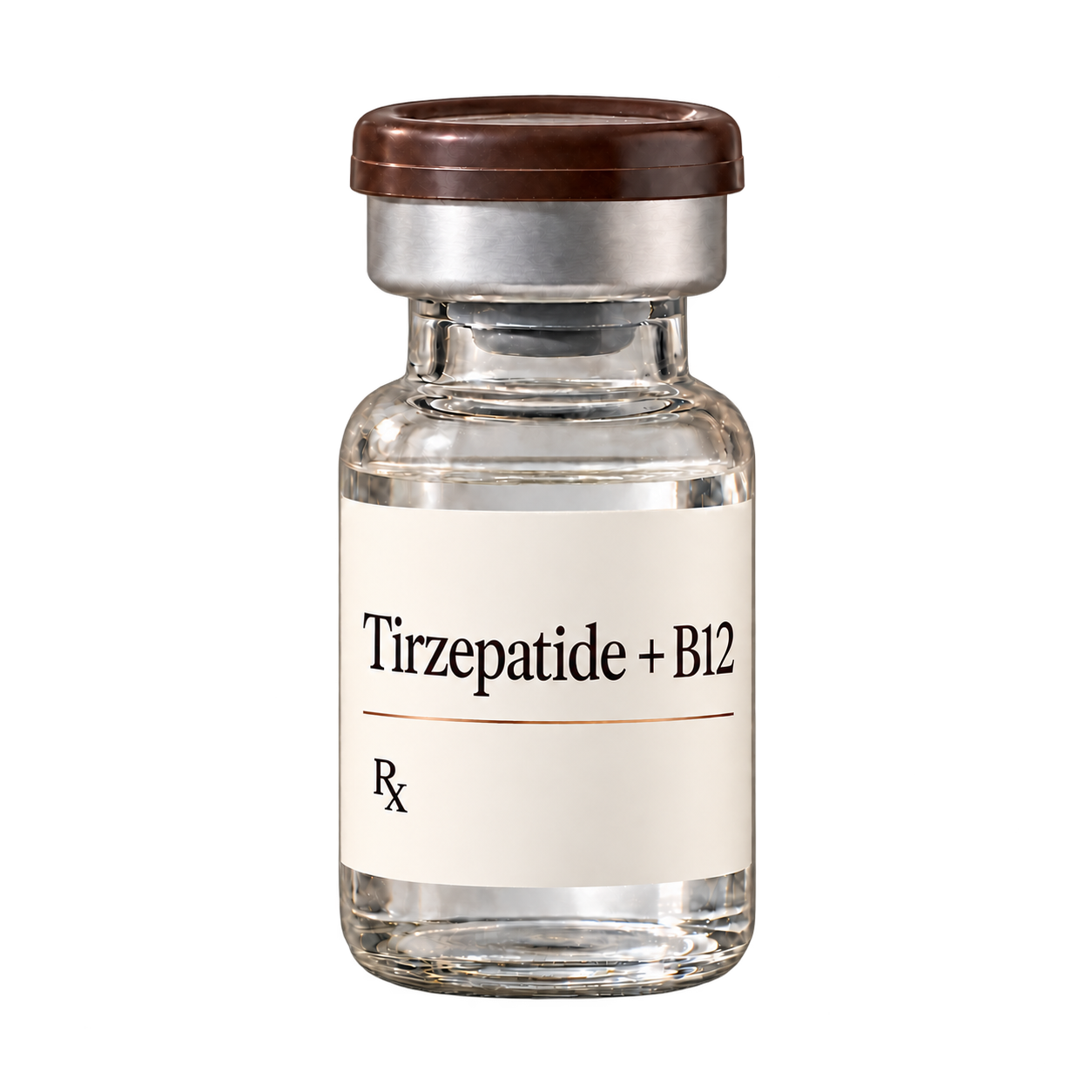
Tirzepatide side effects are usually gastrointestinal, meaning they affect your stomach and intestines. Most people who have side effects report nausea, diarrhea, vomiting, constipation, decreased appetite, and stomach discomfort, especially early in treatment or after dose increases. This guide summarizes what is known from FDA labeling for tirzepatide products and explains which symptoms may signal a more serious problem. If you are using compounded tirzepatide, Vitals Vault can help you start with labs or questions, then share results and concerns with a licensed clinician.
- Tirzepatide side effects are most often nausea, diarrhea, vomiting, constipation, and stomach pain.
- Digestive effects are more common when starting or increasing the dose and may improve over time.
- Serious risks include pancreatitis, gallbladder disease, kidney problems from dehydration, and allergic reactions.
- Tirzepatide has a boxed warning about thyroid C-cell tumors and should be avoided in certain thyroid cancer histories.
- Low blood sugar risk rises if tirzepatide is used with insulin or sulfonylureas.
Tirzepatide side effects: what to expect
Common and serious side effects
Nausea
Nausea is one of the most common side effects reported with tirzepatide in clinical trials. It tends to be more noticeable when starting therapy or after a dose increase. Eating smaller meals and avoiding very fatty meals may help, but persistent nausea should be discussed with your clinician.
Diarrhea
Diarrhea is commonly reported and can contribute to dehydration. Focus on fluids and watch for dizziness, dark urine, or inability to keep liquids down. If diarrhea is severe or ongoing, contact your clinician because dehydration can worsen kidney function.
Vomiting
Vomiting can occur, particularly during dose escalation. Repeated vomiting raises dehydration risk and can make it hard to take other medications. Seek medical advice if you cannot keep fluids down or if vomiting is accompanied by severe abdominal pain.
Constipation and stomach pain
Constipation, abdominal pain, indigestion, and reflux type symptoms have been reported with tirzepatide. These effects may improve as your body adjusts, but worsening pain, fever, or persistent symptoms should be evaluated. Severe abdominal pain can be a warning sign for pancreatitis or gallbladder disease.
Injection site reactions
Redness, itching, or discomfort at the injection site can happen with injectable GLP-1 based medicines. If you develop widespread rash, swelling of the face or throat, or trouble breathing, treat it as an emergency because it may signal a serious allergic reaction.
Low blood sugar with certain drugs
Tirzepatide can increase the risk of low blood sugar when used with insulin or medicines called sulfonylureas. Symptoms can include shakiness, sweating, confusion, or feeling faint. If you use these medications, ask your prescriber how to monitor and what to do if symptoms occur.
Thyroid C-cell tumor warning
Tirzepatide carries a boxed warning because it caused thyroid C-cell tumors in rats, and it is unknown whether this risk applies to humans. Do not use tirzepatide if you or a family member has medullary thyroid carcinoma (MTC) or if you have multiple endocrine neoplasia syndrome type 2 (MEN 2). Contact a clinician if you notice a neck lump, hoarseness, trouble swallowing, or shortness of breath.
Pancreatitis
Acute pancreatitis has been reported with tirzepatide and other GLP-1 based medicines. Get urgent medical care for severe abdominal pain that may radiate to your back, especially if it comes with vomiting. If pancreatitis is suspected, a clinician will decide whether tirzepatide should be stopped.
Gallbladder disease
Gallbladder problems, including gallstones and cholecystitis, have been reported with tirzepatide. Seek medical evaluation for right upper abdominal pain, fever, yellowing of the skin or eyes, or persistent nausea and vomiting. Rapid weight change can also affect gallstone risk, so symptoms matter more than assumptions.
Kidney problems from dehydration
Kidney injury has been reported, sometimes in the setting of nausea, vomiting, or diarrhea that leads to dehydration. Call a clinician if you have reduced urination, dizziness, or cannot keep fluids down. This is especially important if you already have kidney disease or take medicines that affect kidney function.
Severe allergic reactions
Serious hypersensitivity reactions, including anaphylaxis and angioedema, have been reported. Get emergency help for swelling of the face, lips, tongue, or throat, trouble breathing, or widespread hives. A clinician can help determine whether tirzepatide should be avoided in the future.
Severe stomach slowing
Tirzepatide slows stomach emptying, which can worsen symptoms in people with severe gastrointestinal disease. If you develop persistent severe nausea, vomiting, or abdominal pain, contact your clinician. Slower stomach emptying can also affect how some oral medicines are absorbed.
When to talk to a clinician or seek urgent care
| What you notice | Why it matters | What to do |
|---|---|---|
| Severe belly pain, with or without vomiting | Can be pancreatitis or gallbladder disease | Seek urgent medical evaluation |
| Cannot keep fluids down, repeated vomiting or diarrhea | Dehydration can worsen kidney function | Call a clinician promptly; urgent care if severe |
| Neck lump, hoarseness, trouble swallowing | Possible thyroid warning signs | Contact a clinician for evaluation |
| Swelling of face or throat, trouble breathing, widespread hives | Possible severe allergic reaction | Call emergency services |
| Shaking, sweating, confusion, faintness (especially with insulin or sulfonylurea) | Possible low blood sugar | Follow your clinician's hypoglycemia plan and contact them |
Practical tips for tolerability
Expect more symptoms early
Side effects are often most noticeable when starting or increasing the dose.
Hydration matters
Vomiting or diarrhea can dehydrate you and stress your kidneys.
Track patterns
Note timing, foods, and severity so your clinician can spot triggers.
Review other medicines
Ask about low blood sugar risk if you use insulin or sulfonylureas.
Ask about B12 claims
B12 is not part of FDA approved tirzepatide labeling; discuss any add-ons.
Frequently Asked Questions
What are the side effects of tirzepatide?
The most common side effects reported with tirzepatide are nausea, diarrhea, vomiting, constipation, stomach pain, decreased appetite, and indigestion. Serious risks can include pancreatitis, gallbladder disease, kidney problems from dehydration, and allergic reactions. Review warning signs with a clinician.
What are the side effects of tirzepatide?
In studies of FDA approved tirzepatide, gastrointestinal symptoms were the most common side effects. Most people who have side effects describe them as mild to moderate, especially during dose escalation. Contact a clinician if symptoms are severe, persistent, or worsening.
Are tirzepatide weight loss side effects different from diabetes use?
The side effect pattern is similar across tirzepatide studies, with gastrointestinal symptoms most common. Risk can vary based on dose, other medications, and your health history. A clinician can help interpret your symptoms in context.
Does tirzepatide with B12 cause different side effects?
Vitamin B12 is not part of FDA approved tirzepatide products, so safety information for a combined product depends on the specific compounded formulation. If you are offered tirzepatide with B12, ask what evidence supports it and what side effects to watch for. Discuss any new symptoms with your clinician.
Do tirzepatide side effects include thyroid problems?
Tirzepatide has a boxed warning about thyroid C-cell tumors based on animal studies, and it should not be used in people with a personal or family history of medullary thyroid carcinoma or MEN 2. Symptoms like a neck lump, hoarseness, or trouble swallowing should be evaluated. Routine thyroid symptoms are not the same as this specific warning.