
Best time to take metformin 500 mg once a day
The best time to take metformin 500 mg once a day is with a meal, often the evening meal, to reduce stomach side effects.
Key facts
- Answer a few health questions online. A licensed clinician reviews them. If approved, it ships to your door.
- Adults 18 or older. A licensed clinician reviews your health history and decides whether treatment is appropriate for you. Availability depends on the state you live in.


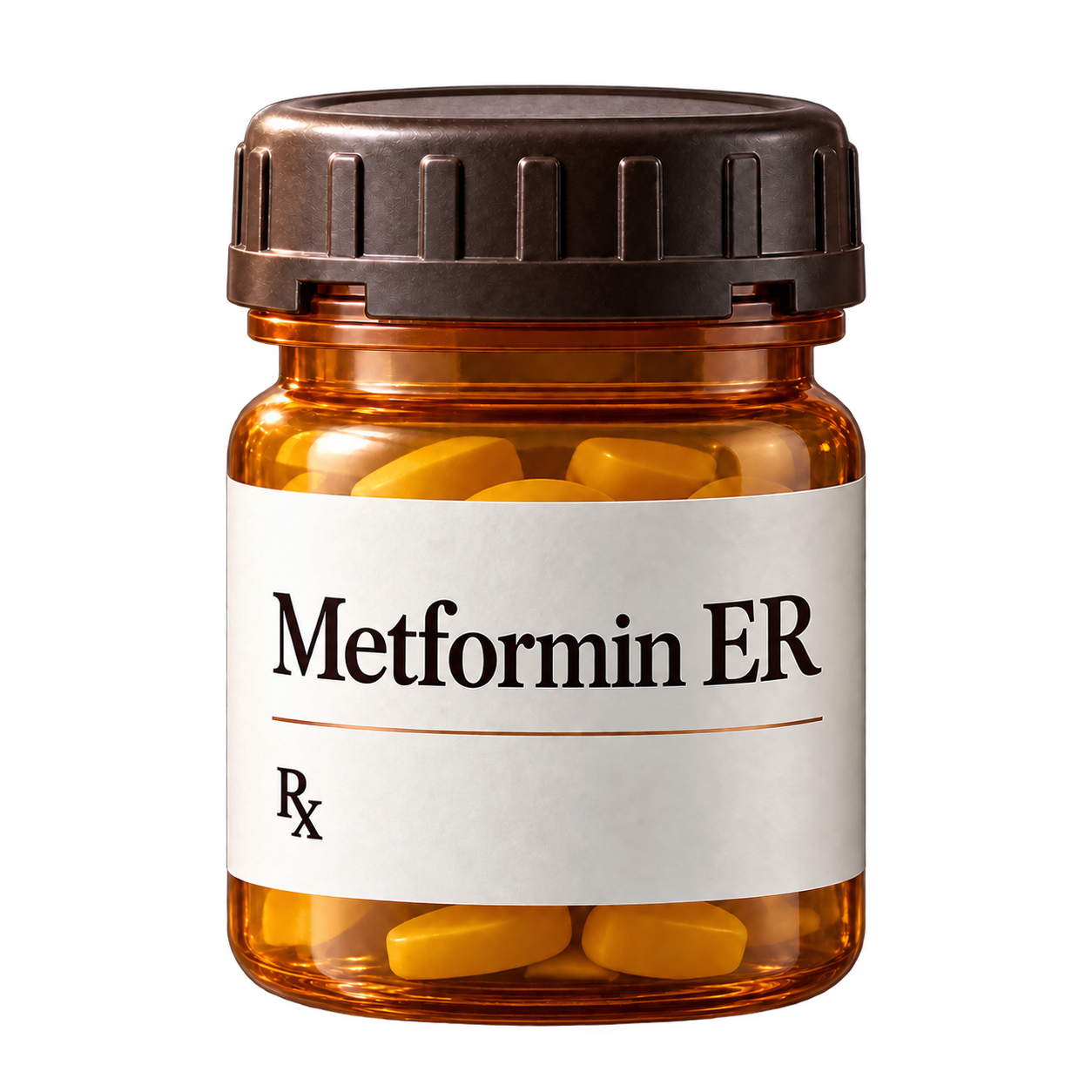
For most people prescribed metformin 500 mg once daily, the best timing is the time you can reliably take it with food. The FDA labeling emphasizes taking metformin with meals to improve stomach tolerability, which is why many clinicians suggest pairing a once daily dose with your evening meal. This page explains timing in plain language, using prescribing information for metformin. If you want help applying it to your schedule, PocketMD from Vitals Vault can help you ask questions alongside your own health history and labs.
- The best time to take metformin 500 mg once a day is with a meal, often the evening meal.
- Taking metformin with food can reduce nausea, diarrhea, and stomach upset.
- Try to take it at the same time each day to help you remember and keep a steady routine.
- If you miss a dose, take the next dose at your usual time and do not double up.
Best time to take it
How to choose the right time for you
With food matters
Metformin is commonly associated with stomach and bowel side effects, especially when starting or increasing a dose. FDA labeling for metformin recommends taking doses with meals to help reduce these effects. If one meal is more consistent for you, that is often the best anchor.
Evening meal is common
Many people take a once daily metformin dose with dinner because it is a predictable meal and can be easier to remember. The goal is not a special clock time, but a consistent meal pairing that improves tolerability. Your clinician may individualize timing based on your response and other medications.
Extended-release vs immediate-release
Some metformin products are extended-release (ER), which release the drug more slowly. FDA labeling for metformin ER also recommends taking it with the evening meal. If you are not sure which form you have, check the label on your prescription bottle and confirm with your pharmacist.
If you miss a dose
Metformin labeling advises taking your next dose at the usual time if you miss one, and not taking extra doses to make up for the missed dose. If missed doses are happening often, ask your clinician about a schedule that is easier to follow.
Alcohol and lactic acidosis risk
Metformin carries a warning about lactic acidosis, a rare but serious buildup of lactic acid in the blood. Excessive alcohol intake can increase this risk, so it is important to discuss alcohol use with your clinician. Seek urgent care if you develop symptoms such as unusual weakness, severe sleepiness, trouble breathing, or persistent abdominal discomfort.
| Goal | What to do | Why it helps |
|---|---|---|
| Reduce stomach side effects | Take with a meal (often dinner) | Labeling recommends dosing with meals for tolerability |
| Improve consistency | Pick one meal you rarely skip | A routine lowers the chance of missed doses |
| Avoid doubling after a miss | Take the next dose at the usual time | Labeling advises against extra doses to catch up |
When to talk to a clinician
Ongoing diarrhea or vomiting
If you have persistent diarrhea, vomiting, or cannot keep fluids down, contact your clinician. Dehydration can worsen kidney function, and metformin labeling highlights kidney function as important for safety. Your clinician may recommend evaluation and temporary adjustments.
Symptoms of lactic acidosis
Get urgent medical care for symptoms that could suggest lactic acidosis, such as unusual weakness, increasing sleepiness, trouble breathing, or persistent stomach discomfort. This is rare but serious and is emphasized in metformin prescribing information. Tell the care team you take metformin.
Kidney or liver disease changes
Metformin use depends on kidney function, and certain conditions can increase risk. If you are told you have worsening kidney function, severe infection, dehydration, or are scheduled for a procedure using iodinated contrast, ask your clinician how to manage metformin around that event. These situations are addressed in labeling warnings and precautions.
Low vitamin B12 concerns
Metformin can be associated with vitamin B12 deficiency in some people, especially with long-term use. If you develop numbness, tingling, or unexplained fatigue, ask your clinician whether B12 testing is appropriate. Your clinician can interpret results and decide next steps.
Pro tips for taking it consistently
Tie it to dinner
Link your dose to your evening meal and a daily habit, like brushing teeth.
Use one reminder
Set a single daily phone reminder at your chosen meal time.
Ask about ER if needed
If stomach upset persists, ask whether metformin ER is an option.
Keep a symptom note
Track nausea or diarrhea patterns to discuss at follow-ups.
Review alcohol use
Discuss alcohol intake since heavy use can raise lactic acidosis risk.
Frequently Asked Questions
What is the best time to take metformin 500 mg once a day?
For most people, the best time is with a meal, commonly the evening meal, because metformin labeling recommends taking doses with meals to reduce stomach side effects. The most important factor is choosing a consistent meal you can stick with. Confirm your schedule with your prescriber.
Should I take metformin in the morning or at night?
Either can be appropriate if you take it with food, but many people use dinner as the anchor meal for a once daily dose. If morning dosing fits your routine better and you tolerate it, your clinician may support that. Do not change timing without checking first.
Can I take metformin on an empty stomach?
Metformin prescribing information recommends taking doses with meals to help reduce gastrointestinal side effects. Taking it on an empty stomach may increase nausea, diarrhea, or stomach upset for some people. If you cannot take it with food, ask your clinician for guidance.
What should I do if I miss my once daily metformin dose?
Metformin labeling advises taking your next dose at the usual time and not taking extra doses to make up for a missed one. If missed doses are frequent, talk with your clinician about a routine that is easier to follow. A pharmacist can also help with reminder strategies.
Does metformin affect vitamin B12, and should I monitor it?
Metformin use has been associated with vitamin B12 deficiency in some people, particularly with longer-term use. If you have symptoms like numbness, tingling, or unexplained fatigue, ask your clinician whether B12 testing makes sense. Vitals Vault lab tracking can help you share results with your clinician.