
Testosterone cypionate side effects: what to expect
Testosterone cypionate side effects can include acne and swelling, plus serious risks like blood clots and allergic reactions.
Key facts
- Answer a few health questions online. A licensed clinician reviews them. If approved, it ships to your door.
- Adults 18 or older. A licensed clinician reviews your health history and decides whether treatment is appropriate for you. Availability depends on the state you live in.


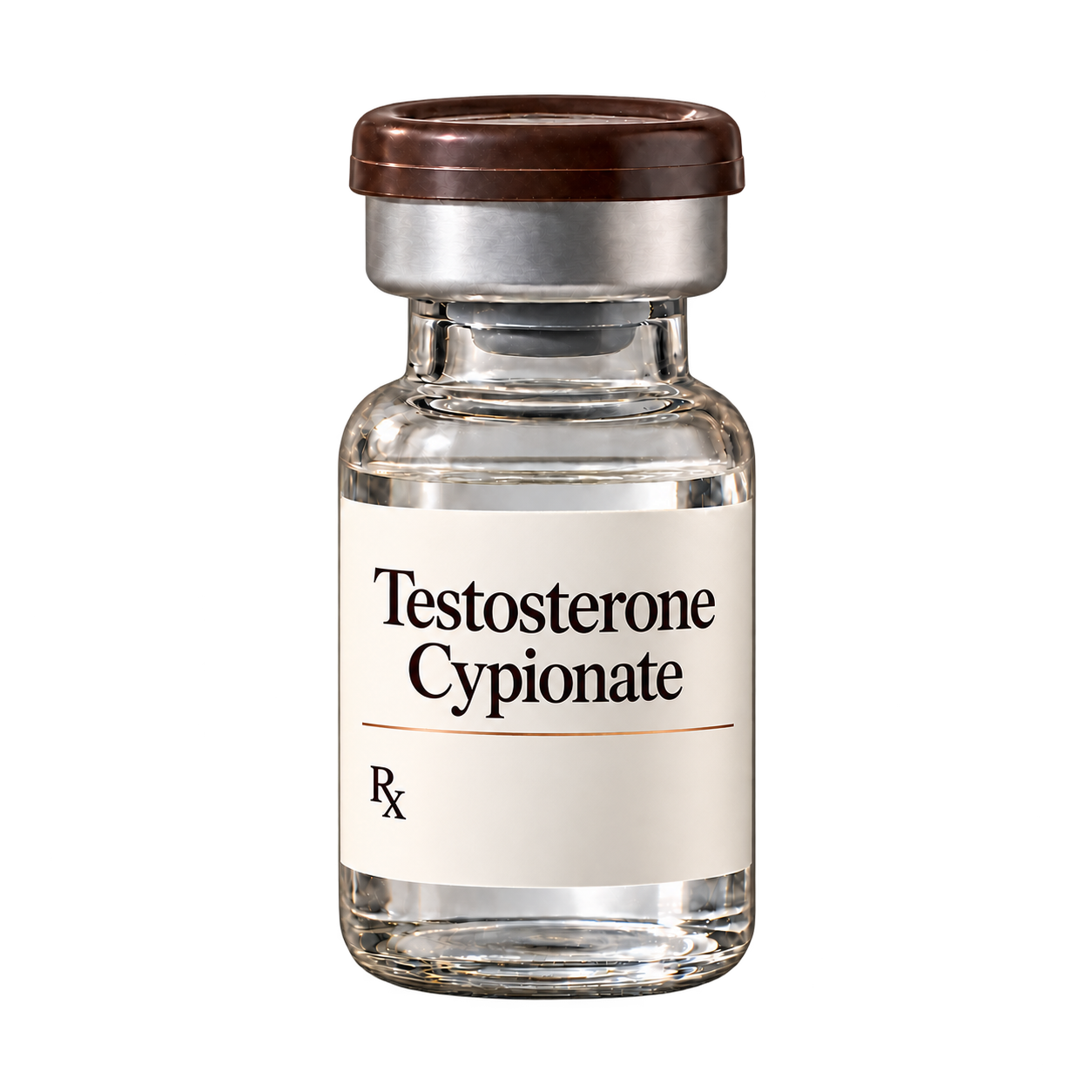
Testosterone cypionate is an injectable testosterone used for certain men with low testosterone due to specific medical conditions. Like other testosterone products, it can cause side effects that range from bothersome skin changes to rare but serious problems such as blood clots or severe allergic reactions. This guide explains testosterone cypionate side effects, what symptoms matter most, and when to seek urgent care. If you are having symptoms, Vitals Vault labs can help you check possible contributors and share results with a clinician.
- Testosterone cypionate side effects range from acne and swelling to rare, urgent problems like blood clots.
- It can raise hematocrit (red blood cell level), which is why blood counts are monitored.
- Mood changes, sleep apnea worsening, and breast tenderness can happen and are worth discussing early.
- Testosterone can suppress sperm production and affect fertility while you use it.
- Get emergency care for chest pain, one-sided weakness, or sudden shortness of breath.
Testosterone cypionate side effects, in plain terms
Side effects and risks in detail
Injection-site reactions
You may notice soreness, redness, or swelling where the injection was given. If the area becomes increasingly painful, warm, or you develop fever, contact a clinician to rule out infection or a reaction. Your prescriber or pharmacist should review safe administration and what to watch for.
Acne and oily skin
Testosterone can increase oil production in the skin, which can worsen acne. Gentle skin care and discussing topical options with a clinician can help if it becomes persistent. New or severe acne can be a clue that testosterone levels are higher than intended.
Fluid retention and swelling
Some people develop ankle or leg swelling or feel puffy due to fluid retention. This matters more if you have heart, kidney, or liver disease, because extra fluid can worsen those conditions. Call a clinician promptly if swelling is new, worsening, or paired with shortness of breath.
High hematocrit (polycythemia)
Testosterone can increase hemoglobin and hematocrit, meaning your blood has more red cells than before. Higher hematocrit can increase the risk of blood clots, stroke, or heart attack, which is why clinicians monitor blood counts during therapy. Report headaches, dizziness, flushing, or vision changes.
Blood clots (DVT or PE)
Testosterone products have postmarketing reports of venous thromboembolism, including deep vein thrombosis and pulmonary embolism. Seek urgent care for one-sided leg swelling or pain, sudden shortness of breath, chest pain, or coughing up blood. Tell your clinician if you have a personal or family history of clots.
Severe allergic reaction
Serious allergic reactions are uncommon but can happen. Get emergency care for hives, swelling of the face or throat, severe dizziness, or trouble breathing. Also report any severe rash or rapidly worsening injection-site reaction.
Mood or behavior changes
Some people report irritability, mood swings, or changes in libido while on testosterone. These changes can be related to hormone levels, sleep disruption, or underlying mental health conditions. If you feel unusually agitated, depressed, or unsafe, contact a clinician promptly.
Sleep apnea worsening
Testosterone can worsen sleep apnea in some people. If you snore loudly, wake up gasping, or feel excessively sleepy during the day, bring it up with a clinician because untreated sleep apnea can raise cardiovascular risk. Evaluation may include a sleep study and treatment planning.
Breast tenderness or enlargement
Breast tenderness or enlargement (gynecomastia) can occur during testosterone therapy. It is usually not an emergency, but it is worth discussing early because it can become harder to reverse. Report any new breast lump or nipple discharge promptly.
Fertility effects
External testosterone can lower the signals from the brain that stimulate sperm production, which can reduce fertility while you are using it. Some men also notice testicular shrinkage. If preserving fertility is important to you, discuss alternatives and planning with a clinician before starting or continuing therapy.
Prostate-related issues
Testosterone can worsen benign prostatic hyperplasia symptoms such as weak stream or increased nighttime urination. Testosterone products are contraindicated in men with breast cancer or known or suspected prostate cancer. Tell your clinician about urinary changes and ask how PSA monitoring fits into your plan.
Heart-related symptoms
Testosterone labeling includes warnings about possible cardiovascular risk. Get urgent evaluation for chest pressure, fainting, sudden shortness of breath, or signs of stroke such as facial droop or one-sided weakness. If you have known heart disease, discuss risks and monitoring with your clinician.
When to talk to a clinician
Go now for clot symptoms
Seek urgent care for one-sided leg swelling or pain, sudden shortness of breath, chest pain, or coughing up blood. These can be signs of a blood clot and need same-day evaluation.
Go now for stroke signs
Facial droop, trouble speaking, sudden severe headache, or one-sided weakness need emergency evaluation. Do not wait for symptoms to pass.
Call soon for worsening swelling
New or worsening leg swelling, rapid weight gain, or shortness of breath should be discussed promptly, especially if you have heart, kidney, or liver disease. A clinician can help determine whether fluid retention or another issue is involved.
Check in about persistent effects
If acne, mood changes, breast tenderness, or sexual side effects are persistent or worsening, contact your clinician. These issues may relate to hormone levels, other conditions, or medication interactions and are often manageable with monitoring and plan adjustments.
Pro tips for safer TRT follow-up
Track symptom timing
Note when symptoms started and what changed around that time.
Ask about blood counts
Hematocrit monitoring helps catch high red blood cell levels early.
Do not ignore sleep
New snoring or daytime sleepiness can signal sleep apnea worsening.
Bring all supplements
Include over-the-counter products and performance supplements in your list.
Report urinary changes
Weak stream or nighttime urination can be a prostate-related issue.
Frequently Asked Questions
What are the most common testosterone cypionate side effects?
Commonly reported effects include acne or oily skin, injection-site reactions, and fluid retention. Some people also notice mood changes or breast tenderness. If side effects are persistent or worsening, a clinician can help evaluate contributing factors and monitoring.
Can testosterone cypionate raise hematocrit or cause blood clots?
Testosterone can increase hemoglobin and hematocrit (red blood cell levels), which can raise clot risk. Testosterone products also have postmarketing reports of venous thromboembolism. Seek urgent care for one-sided leg swelling, chest pain, or sudden shortness of breath.
Can testosterone cypionate affect fertility?
Yes. External testosterone can suppress the hormones that support sperm production, which can reduce fertility while you are using it. If fertility is a goal, discuss alternatives and planning with a clinician before starting or continuing therapy.
When should I go to the ER for testosterone cypionate side effects?
Get emergency help for chest pain, sudden shortness of breath, coughing up blood, or signs of stroke such as facial droop or one-sided weakness. Also seek urgent care for severe allergic reactions like facial or throat swelling or trouble breathing.
Do I need labs if I am having side effects on TRT?
Labs can help your clinician evaluate possible contributors, such as testosterone levels and blood counts, but they do not diagnose. If symptoms are severe or sudden, seek urgent care first. If you use Vitals Vault labs, share results with your clinician for context.