
Minoxidil for women side effects: what to know
Minoxidil for women side effects are usually scalp irritation or unwanted hair growth, but rare serious reactions need urgent care. Here is what to watch.
Key facts
- Finasteride + Minoxidil Scalp Solution is $53.50/month (billed $107 every 50 days), charged only after a clinician approves it.
- Answer a few health questions online. A licensed clinician reviews them. If approved, it ships to your door.
- Adults 18 or older. A licensed clinician reviews your health history and decides whether treatment is appropriate for you. Availability depends on the state you live in.


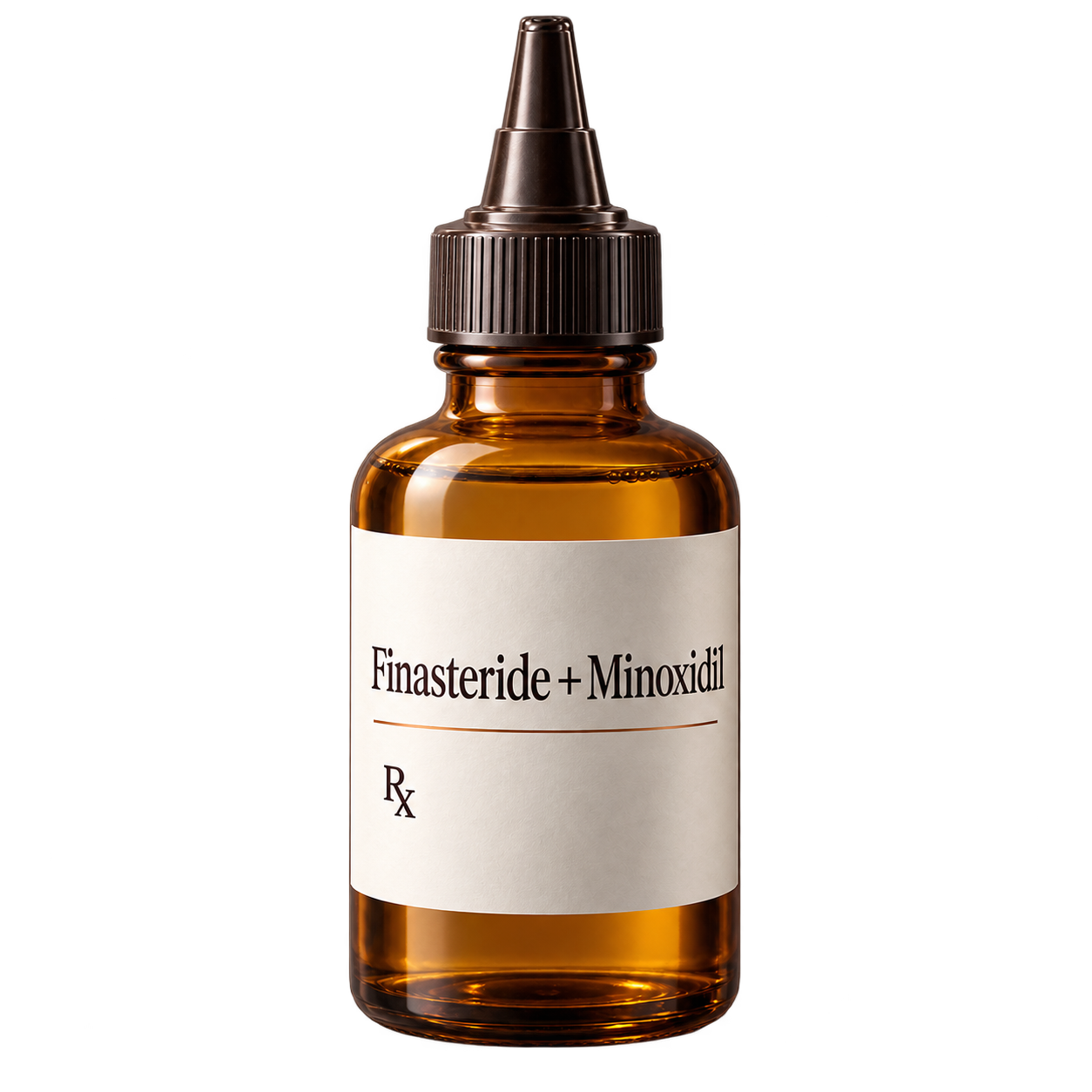
Minoxidil is a hair loss medicine best known as a topical solution or foam applied to the scalp. Most side effects in women are local, like itching, dryness, or irritation, but some people notice unwanted hair growth on the face or body. This guide explains what is common versus serious, what tends to improve with simple changes, and when to call a clinician. If you are unsure whether hair shedding is from minoxidil or another cause, Vitals Vault can help you start with labs and share results with a clinician.
- Minoxidil for women side effects are most often scalp irritation or unwanted facial hair.
- A brief shedding phase can happen early and is usually temporary.
- Stop and seek urgent care for chest pain, fainting, or sudden swelling.
- If you are pregnant or trying to conceive, ask a clinician before using minoxidil.
Minoxidil side effects in women: the quick answer
Common vs serious side effects (and what helps)
Scalp itching or irritation
You may notice itching, burning, redness, or a rash where you apply topical minoxidil. This can be due to minoxidil itself or inactive ingredients such as propylene glycol in some solutions. If irritation persists, a clinician may suggest switching formulations or pausing and reassessing.
Dryness and flaking
Dry scalp, scaling, or dandruff like flaking can occur with topical minoxidil. Gentle scalp care and avoiding harsh styling products may help, but persistent dermatitis should be evaluated to rule out allergic contact dermatitis. A clinician can help you decide whether to change products.
Temporary shedding early on
Some people notice increased shedding after starting minoxidil. This is often described as a short term shift in the hair cycle (telogen shedding) and may improve as treatment continues. If shedding is sudden, patchy, or severe, check in with a clinician to look for other causes.
Unwanted facial or body hair
Hair growth on the face or body (hypertrichosis) can happen, especially if topical minoxidil spreads to other skin or transfers from hands, pillows, or towels. Careful application to the scalp only and hand washing after use can reduce risk. If it occurs, a clinician can help you weigh benefits and alternatives.
Fast heartbeat or chest pain
Although uncommon with topical use, minoxidil can be absorbed and cause cardiovascular symptoms such as rapid heartbeat, chest pain, dizziness, or fainting. These symptoms should be treated as urgent, especially if new or severe. Stop using the product and seek urgent evaluation.
Swelling and sudden weight gain
Fluid retention can show up as swelling of hands, feet, ankles, or face, sometimes with sudden weight gain. This is a known risk with minoxidil, especially with higher systemic exposure. Seek prompt medical care, particularly if swelling is new, worsening, or accompanied by shortness of breath.
When to call a clinician or seek urgent care
Get urgent help for heart symptoms
Seek urgent care for chest pain, fainting, severe dizziness, shortness of breath, or a racing or irregular heartbeat. These can signal a serious reaction or another condition that should not wait. Bring the product name and strength with you.
Call for swelling or rapid changes
Contact a clinician promptly if you develop swelling in your legs, ankles, hands, or face, or if you notice rapid weight change. These can be signs of fluid retention. Your clinician may want to evaluate your heart and kidney status and review all medications.
Check in for persistent scalp reactions
If redness, burning, scaling, or rash does not improve, ask about allergic or irritant contact dermatitis. A clinician may recommend a different vehicle (foam vs solution) or evaluate for other scalp conditions. Do not try to treat severe rashes on your own.
Discuss pregnancy and breastfeeding
If you are pregnant, trying to conceive, or breastfeeding, talk with a clinician before using minoxidil. Safety information is limited, and your clinician can help you weigh risks and alternatives. This is especially important if you are using a compounded combination product.
Pro tips to reduce side effects
Apply to scalp only
Keeping product off the face and neck can lower unwanted hair growth risk.
Wash hands after use
This helps prevent transfer to other skin or to family members.
Avoid broken or irritated skin
Applying to inflamed skin may increase absorption and irritation.
Track changes for 4 weeks
Note shedding, itching, and swelling so you can report patterns clearly.
Ask about formulation
Foam and solution have different inactive ingredients that can affect irritation.
Frequently Asked Questions
What are minoxidil for women side effects?
Minoxidil for women side effects are most often scalp irritation, dryness, and flaking, plus possible unwanted facial or body hair. Rarely, symptoms like chest pain, fast heartbeat, dizziness, fainting, or swelling can occur and need urgent evaluation.
Are minoxidil side effects women should watch for different than men?
Many side effects are similar, but women may be more bothered by unwanted facial hair if medication spreads beyond the scalp. Your risk also depends on the formulation (foam vs solution) and whether you are using topical or oral minoxidil.
Can minoxidil cause shedding at first?
Yes. Some people notice increased shedding early, which is often described as a temporary shift in the hair growth cycle. If shedding is sudden, patchy, or severe, check in with a clinician to look for other causes.
How long do minoxidil side effects last?
Local scalp irritation may improve after adjusting the formulation or stopping exposure to an irritating ingredient, but timing varies by person. Unwanted hair growth may take time to fade after stopping. If you have swelling or heart symptoms, do not wait for it to pass and seek care.
Is topical minoxidil safe during pregnancy or breastfeeding?
If you are pregnant, trying to conceive, or breastfeeding, talk with a clinician before using minoxidil because safety data are limited. This is especially important with compounded combination products, where each ingredient has its own pregnancy considerations.