
Metformin and ozempic together: can you take both?
Metformin and Ozempic together are often used for type 2 diabetes when a clinician thinks benefits outweigh risks. Here is what to discuss and watch for.
Key facts
- Semaglutide + B12 is $157/month (billed $157 every 4 weeks), charged only after a clinician approves it.
- Answer a few health questions online. A licensed clinician reviews them. If approved, it ships to your door.
- Adults 18 or older. A licensed clinician reviews your health history and decides whether treatment is appropriate for you. Availability depends on the state you live in.


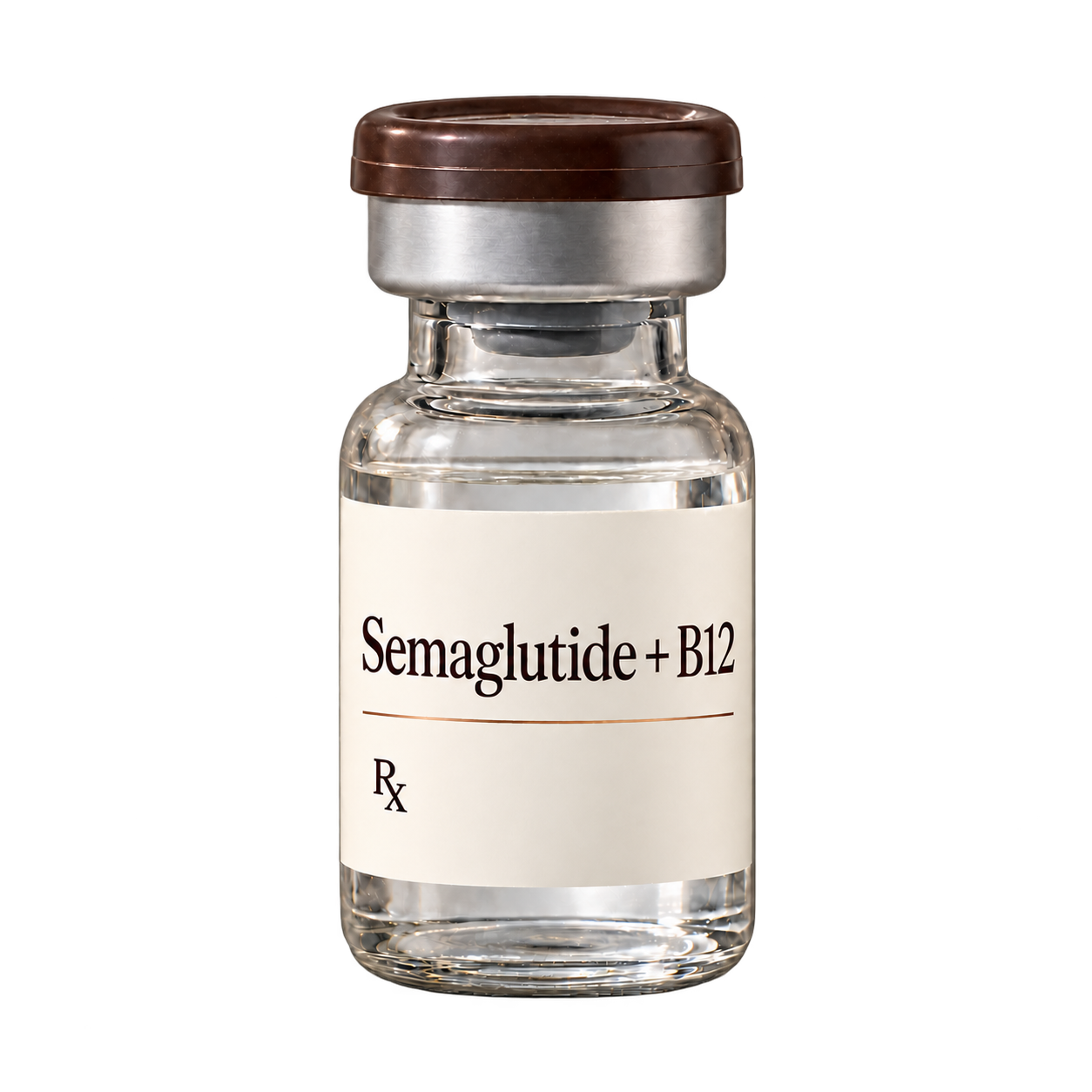
Metformin and Ozempic (semaglutide) are commonly prescribed together for type 2 diabetes. They work in different ways, so a clinician may use both to improve blood sugar control while balancing side effects and safety. This guide explains what combination use usually means, what to watch for, and when to contact your care team. If you are exploring options, Vitals Vault can connect you with clinician guided care and, when appropriate, treatment plans.
- Yes, metformin and Ozempic can be used together when a clinician prescribes them for type 2 diabetes.
- The most common issue is stomach side effects, which can overlap and feel worse at first.
- Low blood sugar is more likely if you also use insulin or a sulfonylurea, not from metformin alone.
- Ask about B12 monitoring with long term metformin and pancreatitis warning signs with semaglutide.
Can you take them together?
Why they are paired
Metformin is a first line medication for type 2 diabetes, and semaglutide is an add on option when additional glucose lowering is needed. Because they act through different pathways, using both can improve A1c and fasting glucose more than either alone for some people. Your clinician chooses based on benefits, tolerability, and other conditions.
Not the same as Ozempic plus compounded semaglutide
Ozempic is a brand product. Some people also see compounded semaglutide offered online, which is prepared by a pharmacy for an individual prescription and is not FDA approved. If you are considering any compounded medication, discuss quality, dosing, and monitoring with a licensed clinician and the dispensing pharmacy.
Weight loss context
Ozempic is FDA approved for type 2 diabetes, not specifically for weight loss. Wegovy is semaglutide labeled for chronic weight management, with different dosing than Ozempic. If weight is part of your goal, ask your clinician which product and indication applies to you.
What to know about safety and monitoring
Nausea, diarrhea, stomach upset
Both metformin and semaglutide can cause gastrointestinal side effects, especially when starting or increasing doses. With semaglutide, nausea, vomiting, diarrhea, abdominal pain, and constipation are listed among common adverse reactions in the prescribing information. If symptoms are persistent or severe, contact your prescriber because dehydration can worsen kidney function.
Low blood sugar risk depends on other meds
Metformin by itself has a low risk of hypoglycemia, and GLP-1 receptor agonists like semaglutide generally have a low hypoglycemia risk unless combined with insulin or a sulfonylurea. The Ozempic label warns that hypoglycemia is more likely when used with insulin secretagogues or insulin, and dose adjustments of those agents may be needed by a clinician. Know the symptoms of low blood sugar and how your care team wants you to respond.
Pancreatitis warning with semaglutide
Acute pancreatitis has been reported with GLP-1 receptor agonists, including semaglutide. The Ozempic prescribing information advises discontinuing if pancreatitis is suspected and not restarting if confirmed. Seek urgent evaluation for severe, persistent abdominal pain that may radiate to the back, with or without vomiting.
Gallbladder problems
Semaglutide can be associated with acute gallbladder disease, including cholelithiasis and cholecystitis, per the Ozempic label. Contact a clinician if you develop upper abdominal pain, fever, jaundice, or persistent nausea and vomiting. Rapid weight change and dehydration can also contribute to gallbladder issues.
Kidney concerns during dehydration
The Ozempic label notes postmarketing reports of acute kidney injury and worsening chronic kidney disease, sometimes in the setting of nausea, vomiting, diarrhea, or dehydration. Metformin also has kidney related precautions because it is cleared by the kidneys and is associated with lactic acidosis risk in certain situations. If you cannot keep fluids down, contact your clinician promptly.
Vitamin B12 can drop with metformin
Long term metformin use can be associated with vitamin B12 deficiency, and the metformin labeling recommends periodic measurement of hematologic parameters and B12 in at risk patients. If you develop numbness, tingling, fatigue, or anemia, ask whether B12 testing is appropriate. Treatment depends on the cause and should be guided by a clinician.
When to talk to a clinician urgently
Severe belly pain
Get urgent evaluation for severe, persistent abdominal pain, especially if it radiates to your back or comes with vomiting. This can be a warning sign of pancreatitis, which is a labeled risk with semaglutide. Do not try to manage this at home.
Signs of dehydration
Contact your clinician promptly if vomiting or diarrhea prevents you from keeping fluids down, or if you feel dizzy, faint, or unusually weak. Dehydration can worsen kidney function, and kidney injury has been reported with semaglutide, often alongside significant gastrointestinal symptoms. Your clinician may advise temporary medication changes based on your situation.
Possible low blood sugar
If you have shakiness, sweating, confusion, or fainting, check your blood sugar if you can and follow your clinician's plan for hypoglycemia. Low blood sugar is more likely if semaglutide is used with insulin or a sulfonylurea. Seek emergency care for severe symptoms or if you cannot safely treat yourself.
Allergic reaction
Seek emergency care for swelling of the face, lips, tongue, or throat, trouble breathing, or widespread rash. Serious hypersensitivity reactions have been reported with semaglutide. Do not take another dose until you have been evaluated.
Practical tips if both are prescribed
Expect GI overlap early
If nausea or diarrhea worsens after changes, tell your prescriber. They may adjust timing or titration.
Review your full med list
Ask about insulin or sulfonylureas, since those raise hypoglycemia risk when combined with semaglutide.
Ask about kidney safety
If you get dehydrated or have kidney disease, ask what symptoms should prompt a same day call.
Do not ignore B12 symptoms
Numbness, tingling, or unusual fatigue can be clues. Ask whether B12 testing fits your history.
Confirm what product you have
Ozempic is a brand. Compounded semaglutide is different and not FDA-approved.
Frequently Asked Questions
Is metformin and ozempic together safe?
They are commonly used together for type 2 diabetes, and many people tolerate the combination. Safety depends on your other medications, kidney function, and how you handle gastrointestinal side effects. A licensed clinician should review your full history and medication list.
Can metformin and Ozempic together cause low blood sugar?
The risk is usually low with metformin plus semaglutide alone. The Ozempic label notes hypoglycemia risk increases when semaglutide is used with insulin or a sulfonylurea. If you use those, your clinician may adjust doses and monitoring.
Do metformin and Ozempic together cause more nausea or diarrhea?
They can, because both medications commonly cause gastrointestinal side effects. Semaglutide labeling lists nausea, vomiting, diarrhea, abdominal pain, constipation, and decreased appetite among common reactions. Tell your clinician if symptoms are severe or lead to dehydration.
Should I monitor vitamin B12 if I take metformin with semaglutide?
Metformin labeling recommends periodic measurement of hematologic parameters and vitamin B12 in at risk patients, since B12 deficiency can occur with long term use. Semaglutide does not replace that consideration. Ask your clinician whether B12 testing fits your symptoms and duration of therapy.
Is compounded semaglutide the same as Ozempic if I am also on metformin?
No. Ozempic is a brand product, while compounded semaglutide is prepared by a licensed pharmacy for an individual prescription and is not FDA-approved. If you are considering compounded semaglutide, discuss product source, dosing, and monitoring with your prescriber and the dispensing pharmacy.