
How long for testosterone shot to work?
How long for a testosterone shot to work? Some effects may start in weeks, others take months. Your timeline depends on labs and dosing schedule.
Key facts
- Answer a few health questions online. A licensed clinician reviews them. If approved, it ships to your door.
- Adults 18 or older. A licensed clinician reviews your health history and decides whether treatment is appropriate for you. Availability depends on the state you live in.


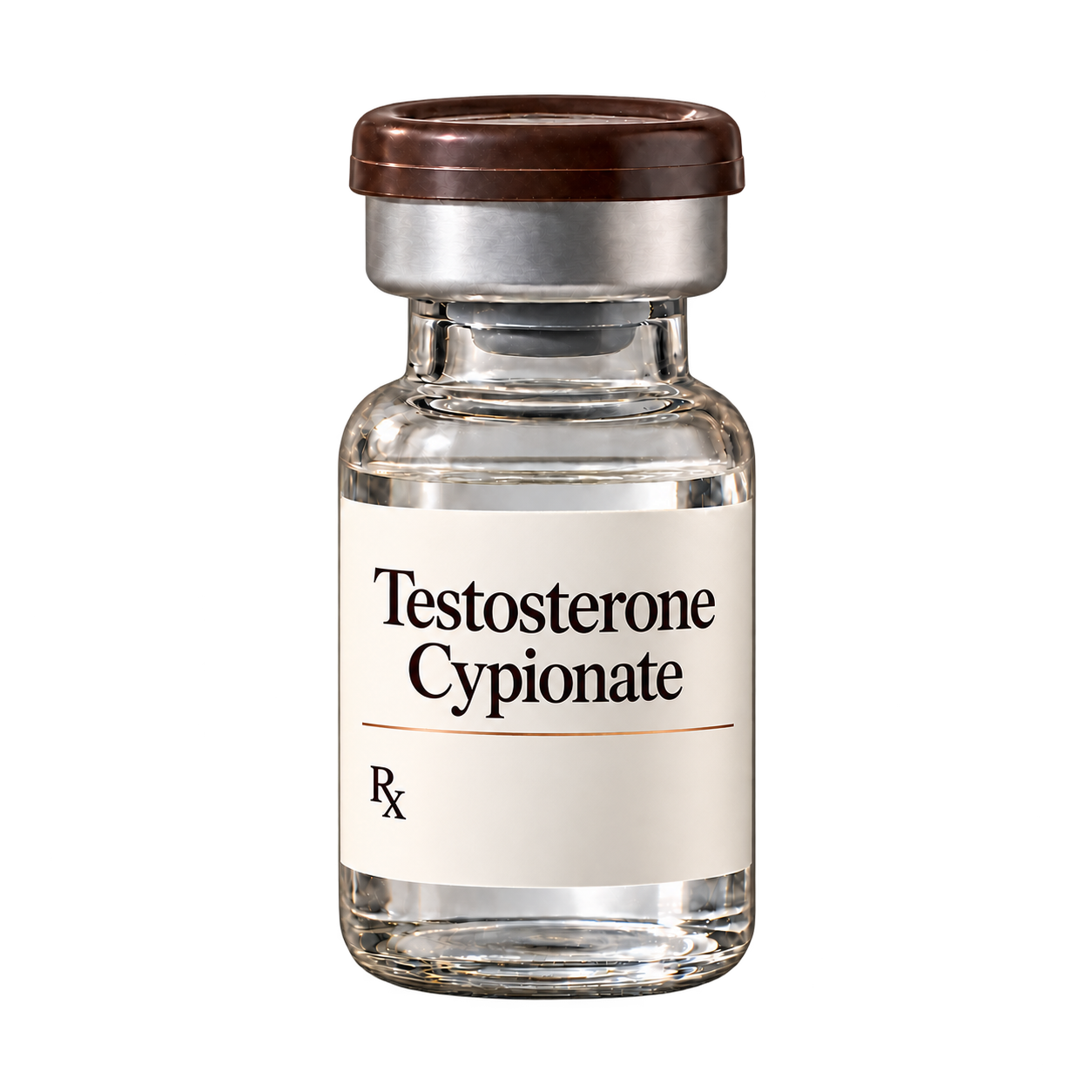
A testosterone shot can raise blood testosterone after you start treatment, but the changes you feel often take longer. Some effects may begin within weeks, while others build over months, and not everyone notices the same improvements. This page summarizes what clinical guidelines and prescribing information say about timelines and monitoring for testosterone cypionate. Vitals Vault also offers PocketMD to help you organize questions about your own symptoms and labs for your clinician.
- How long for testosterone shot to work varies: some changes start in weeks, others take months.
- Testosterone cypionate levels rise after injection and then fall, so symptoms can fluctuate.
- Your starting level, other conditions, and sleep can affect what you notice.
- Follow-up labs and side effect checks help your clinician adjust safely.
Answer: what “working” usually means
Blood levels change first
After an intramuscular testosterone cypionate injection, testosterone levels rise and then gradually decline until the next dose. That means lab values can change before you notice symptom changes. Clinicians often time labs to your dosing schedule so results are interpreted correctly.
Symptoms improve on different clocks
“Working” is not one single outcome. Sexual interest, erections, mood, energy, strength, and body composition can change on different timelines, and some changes are subtle. Clinical guidelines describe earlier changes over weeks and slower changes over months.
Safety monitoring is part of it
Testosterone replacement therapy is also about monitoring for side effects and lab changes. Guidelines recommend follow-up that includes checking hematocrit because testosterone can raise it, and discussing prostate-related monitoring when appropriate. Your clinician balances symptom response with safety.
What affects your timeline
Your starting level and cause
People with consistently low morning testosterone on repeat testing plus symptoms are more likely to have a clear treatment target than people treated without confirmed hypogonadism. The underlying cause matters too, such as pituitary or testicular causes versus functional suppression from obesity or illness. Guidelines recommend confirming low testosterone with at least two morning measurements before treatment.
Dose schedule and fluctuations
Testosterone cypionate is a long-acting ester given by intramuscular injection, and levels can fluctuate across the dosing interval. Some people notice a peak then a dip, while others feel steadier. Clinicians may adjust the regimen to reduce swings while staying within safe targets.
Which outcome you track
Different tissues respond at different speeds. Guidelines describe that sexual symptoms may improve earlier, while changes in muscle mass, fat mass, and bone density generally take longer and may require months of consistent therapy. Tracking one or two specific outcomes helps you and your clinician judge response.
Sleep, alcohol, and training
Poor sleep and heavy alcohol use can worsen fatigue, mood, and sexual function, making it harder to tell what testosterone is doing. Overtraining or under-eating can also affect energy and recovery. These factors can change your experience even when testosterone levels rise.
Other medicines and conditions
Opioids, glucocorticoids, and some psychiatric medicines can contribute to low testosterone symptoms or sexual side effects. Conditions like obesity, diabetes, and obstructive sleep apnea can overlap with low-testosterone symptoms and may need parallel evaluation. A clinician review of your full medication list is part of safe TRT.
Lab monitoring and safety limits
Testosterone therapy can raise hematocrit, which can increase risk if it becomes too high. Guidelines recommend monitoring hematocrit and adjusting treatment if it rises above a safety threshold. Prostate-related monitoring may also be considered based on age and risk factors.
| What you track | When changes may start | When changes may peak or stabilize | Notes for interpretation |
|---|---|---|---|
| Libido and sexual interest | Weeks | Months | Can be affected by stress, sleep, depression, and relationship factors. |
| Erections and sexual function | Weeks | Months | Erectile dysfunction can also reflect vascular disease; evaluation may be needed. |
| Mood and energy | Weeks | Months | Non-hormonal causes are common; consider sleep apnea and anemia. |
| Lean mass and strength | Months | Months | Resistance training and nutrition strongly influence results. |
| Fat mass | Months | Months | Changes are usually gradual and depend on diet and activity. |
| Bone density | Months | Longer-term | Often requires longer follow-up; measured by DEXA when indicated. |
When to talk to your clinician
You feel worse or unstable
If you develop new or worsening mood symptoms, irritability, or sleep problems after starting injections, tell your clinician. These can sometimes relate to hormone fluctuations, but they can also signal another condition that needs attention. Do not change your regimen on your own.
Possible high hematocrit symptoms
Contact your clinician if you have symptoms that could suggest high hematocrit, such as new headaches, dizziness, flushing, or shortness of breath. Testosterone can increase hematocrit, and guidelines recommend monitoring and adjusting therapy if it becomes too high. Seek urgent care for severe symptoms.
Breast or urinary symptoms
Report breast tenderness or enlargement, new urinary symptoms, or blood in urine. These are not expected outcomes to ignore and may require evaluation. Your clinician may also discuss prostate cancer screening based on age and risk.
Chest pain or sudden breathlessness
Chest pain, leg swelling, or sudden shortness of breath needs urgent medical evaluation. Testosterone products carry warnings about cardiovascular and thromboembolic risks, and symptoms like these should not be watched at home. Call emergency services if symptoms are severe.
Practical tips while you wait
Track one or two outcomes
Pick a few measurable changes, like morning energy, and note them weekly.
Time labs consistently
Ask your clinician when to draw labs relative to your injection schedule.
Protect sleep
Sleep loss can mimic low testosterone symptoms and change how you feel on TRT.
Know your monitoring plan
Ask which labs you will follow, including hematocrit and testosterone.
Bring up fertility early
If you want children, discuss options before TRT suppresses sperm production.
Frequently Asked Questions
How long for testosterone shot to work for energy and libido?
Clinical guidelines describe that some effects, like libido and energy, may begin to improve within weeks, while other changes take longer. Your experience can vary based on your starting testosterone level, other health conditions, and monitoring. Ask your clinician what to track and when to recheck labs.
Why do I feel a peak then a crash after testosterone cypionate?
Testosterone cypionate levels rise after an injection and then decline until the next dose, which can feel like a peak and trough for some people. Sleep, stress, and other medications can also affect symptoms. A clinician can compare your pattern with your regimen and labs.
If my testosterone level is normal on labs, why do I still feel low?
Symptoms that overlap with low testosterone can also come from sleep apnea, depression, thyroid disease, anemia, medication side effects, or chronic stress. Guidelines emphasize confirming true hypogonadism and evaluating other causes when symptoms persist. Bring a symptom timeline and medication list to your visit.
What labs should be monitored after starting TRT injections?
Guidelines recommend monitoring testosterone response and safety labs, including hematocrit, because TRT can raise it above safe thresholds. Prostate-related monitoring may be considered based on age and risk factors. Your clinician will choose the exact lab plan for your situation.
Can testosterone shots affect fertility, and how soon?
Yes. Testosterone therapy can suppress the hormones that drive sperm production, which can reduce fertility and sometimes lead to very low sperm counts. If fertility matters to you, discuss alternatives and preservation options with a clinician before starting or changing TRT.