
How to treat perimenopause: practical options
How to treat perimenopause starts with symptom tracking, lifestyle changes, and clinician guided options like hormone therapy.
Key facts
- Answer a few health questions online. A licensed clinician reviews them. If approved, it ships to your door.
- Adults 18 or older. A licensed clinician reviews your health history and decides whether treatment is appropriate for you. Availability depends on the state you live in.





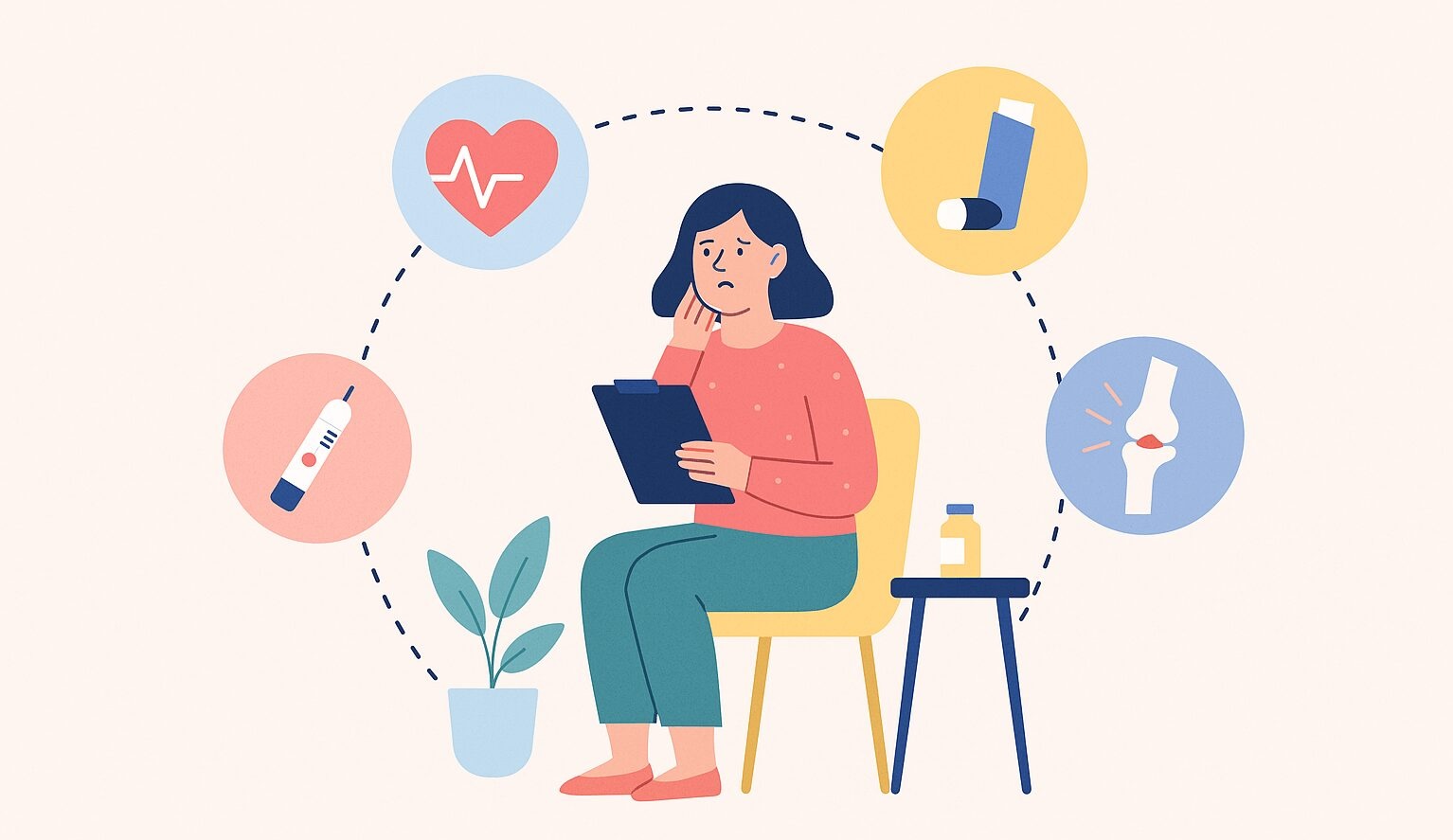
Perimenopause is the transition leading up to menopause, when hormone levels fluctuate and symptoms can come and go. Treatment is not one size fits all. The best plan matches what is bothering you most, your health history, and what you are comfortable trying first. This guide covers practical eating, activity, sleep, and habit strategies, plus the most common clinician guided options. If you want help tailoring choices to your own symptoms and labs, Vitals Vault can support you with PocketMD and, when appropriate, lab testing to share with a clinician.
- How to treat perimenopause means targeting your specific symptoms with lifestyle changes and, when appropriate, clinician guided therapies.
- Track cycles and symptoms to spot patterns and guide safer, more effective decisions.
- Hot flashes often improve with cooling strategies, sleep routines, and avoiding personal triggers.
- Heavy or irregular bleeding needs evaluation to rule out other causes.
- Hormone therapy can help some people, but benefits and risks depend on your history.
What treating perimenopause looks like
Start with symptom goals
Pick one or two symptoms to focus on first, such as hot flashes, sleep, mood, or heavy bleeding. Perimenopause symptoms often cluster, but the best first step depends on what is most disruptive. Clinical guidelines emphasize individualized care based on symptoms and risk factors.
Use lifestyle as the foundation
Lifestyle changes can reduce symptom burden and improve day to day function, even when you also use medication. Common starting points include sleep routines, regular physical activity, and limiting triggers that worsen vasomotor symptoms (hot flashes and night sweats).
Add clinician guided therapies when needed
If symptoms are moderate to severe or not improving, talk with a clinician about evidence based options. These can include menopausal hormone therapy for vasomotor symptoms, nonhormonal prescription options, or treatments targeted to heavy bleeding or genitourinary symptoms.
Reassess regularly
Perimenopause changes over time, so your plan may need updates. A simple approach is to reassess every few months: what improved, what did not, and what side effects or new risks appeared. Guidelines recommend ongoing follow up and shared decision making.
Lifestyle and treatment options by symptom
| Symptom | Lifestyle and habit strategies | Clinician guided options to discuss |
|---|---|---|
| Hot flashes and night sweats | Keep your bedroom cool, use breathable layers, and identify triggers like alcohol or spicy foods. Aim for regular physical activity and a consistent sleep schedule. | Menopausal hormone therapy is the most effective treatment for vasomotor symptoms for many people who are appropriate candidates. Some nonhormonal prescription medications may also help. |
| Sleep problems | Protect a consistent sleep window, reduce late caffeine and alcohol, and use a wind down routine. Consider cognitive behavioral therapy for insomnia (CBT-I) if available. | If sleep disruption is driven by night sweats, treating vasomotor symptoms can help. A clinician can also screen for sleep apnea, restless legs, depression, or medication effects. |
| Mood changes or irritability | Prioritize sleep, regular movement, and social support. Track mood alongside cycle changes to see whether symptoms cluster around certain times. | A clinician can evaluate for depression or anxiety and discuss therapy, antidepressants, or hormone therapy when appropriate. Seek urgent help for thoughts of self harm. |
| Heavy or irregular bleeding | Track bleeding days, flow, and clots, and note dizziness or fatigue. Iron rich foods can help support iron intake, but they do not treat the cause of heavy bleeding. | Abnormal uterine bleeding in midlife often needs evaluation. Options may include hormonal contraception, progestin therapy, or other treatments depending on the cause. |
| Vaginal dryness or pain with sex | Use vaginal moisturizers regularly and lubricants during sex. Avoid irritants like fragranced soaps in the vulvar area. | Low dose vaginal estrogen or other prescription therapies may be considered for genitourinary syndrome of menopause (GSM). A clinician can also rule out infection or dermatologic conditions. |
| Weight changes and body composition shifts | Focus on strength training, protein adequacy, and daily movement. Sleep and stress management matter because they influence appetite and recovery. | A clinician can screen for thyroid disease, diabetes, medication effects, and other contributors. If weight is a concern, ask about evidence based weight management options. |
Eating patterns that support symptoms
No single diet treats perimenopause, but a heart healthy pattern can support energy, sleep, and long term risk reduction. Clinical guidance often emphasizes vegetables, fruits, whole grains, lean proteins, and limiting highly processed foods and excess alcohol. If hot flashes worsen after certain foods, your trigger list matters more than a universal rule.
Exercise for hot flashes and sleep
Regular physical activity is associated with better overall health and may improve sleep and mood during the menopausal transition. A balanced plan includes aerobic activity plus resistance training for strength and bone health. If you are new to exercise or have symptoms like chest pain or fainting, get medical clearance.
Bone health basics
Estrogen decline contributes to bone loss around menopause, so bone protective habits matter in perimenopause. Weight bearing and muscle strengthening exercise, adequate calcium and vitamin D intake, and avoiding smoking support bone health. Screening timing depends on your age and risk factors.
Supplements and botanicals
Some people try supplements for hot flashes, but evidence and product quality vary. Because supplements can interact with medications and may affect the liver or bleeding risk, it is worth reviewing any supplement list with a clinician or pharmacist. If a product promises dramatic results, treat that as a red flag.
When to talk to a clinician
Heavy bleeding or bleeding changes
Talk with a clinician if bleeding is very heavy, lasts longer than usual, happens between periods, or occurs after sex. Abnormal uterine bleeding in the menopausal transition can have many causes, and evaluation helps rule out conditions that need specific treatment. Seek urgent care if you feel faint or have signs of severe blood loss.
Hot flashes that disrupt life
If hot flashes or night sweats are interfering with sleep, work, or daily function, it is reasonable to ask about prescription options. A clinician can help weigh hormone therapy versus nonhormonal options based on your medical history and preferences. They can also check for other contributors like thyroid disease or medication effects.
Mood symptoms or loss of interest
Persistent low mood, anxiety, irritability, or loss of interest deserves evaluation, especially if it affects relationships or work. Perimenopause can overlap with depression or anxiety that benefits from therapy and or medication. Get urgent help for suicidal thoughts or if you feel unsafe.
New or concerning symptoms
Seek medical advice for chest pain, shortness of breath, one sided weakness, severe headaches, or sudden vision changes. These are not typical perimenopause symptoms and may signal an emergency. Do not delay urgent evaluation by trying to self treat.
Practical pro tips
Track for 4 to 8 weeks
Log symptoms, sleep, bleeding, alcohol, and stress to spot patterns.
Build a cooling kit
Keep a fan, water, and breathable layers ready for hot flashes.
Strength train twice weekly
Prioritize major muscle groups to support bone and metabolism.
Protect your sleep window
Keep bedtime and wake time consistent, even on weekends.
Bring a short symptom list
Write your top 3 symptoms and questions before appointments.
Frequently Asked Questions
How to treat perimenopause naturally?
Start with symptom tracking, sleep consistency, regular physical activity, and identifying triggers for hot flashes such as alcohol or heat. Vaginal moisturizers and lubricants can help dryness. If symptoms remain disruptive, discuss evidence based options with a clinician.
What is the best treatment for hot flashes in perimenopause?
Lifestyle steps like cooling strategies and avoiding personal triggers can help some people. Clinical guidelines note menopausal hormone therapy is the most effective treatment for vasomotor symptoms for appropriate candidates, and nonhormonal prescription options may be considered.
Should I get hormone testing for perimenopause?
Perimenopause is often diagnosed based on symptoms and cycle changes rather than a single hormone level, because hormones can fluctuate. Testing may still be useful to evaluate other causes of symptoms, such as thyroid disease or anemia, depending on your situation.
When is irregular bleeding in perimenopause a red flag?
Bleeding that is very heavy, lasts longer than usual, happens between periods, or occurs after sex should be evaluated. Guidelines recommend assessing abnormal uterine bleeding in midlife to rule out conditions that need specific treatment. Seek urgent care for dizziness or signs of severe blood loss.
Can Vitals Vault help me decide what to try first?
Yes. PocketMD can help you organize symptoms and questions and use your own labs and health history to guide what to discuss with a clinician. It is not a doctor and is not for emergencies.