
How long does it take for levothyroxine to work?
How long does it take for levothyroxine to work? Many feel some improvement in 1 to 2 weeks, but full blood test changes can take 6 to 8 weeks.
Key facts
- Levothyroxine is $41.67/month (billed $125 every 90 days), charged only after a clinician approves it.
- Answer a few health questions online. A licensed clinician reviews them. If approved, it ships to your door.
- Adults 18 or older. A licensed clinician reviews your health history and decides whether treatment is appropriate for you. Availability depends on the state you live in.


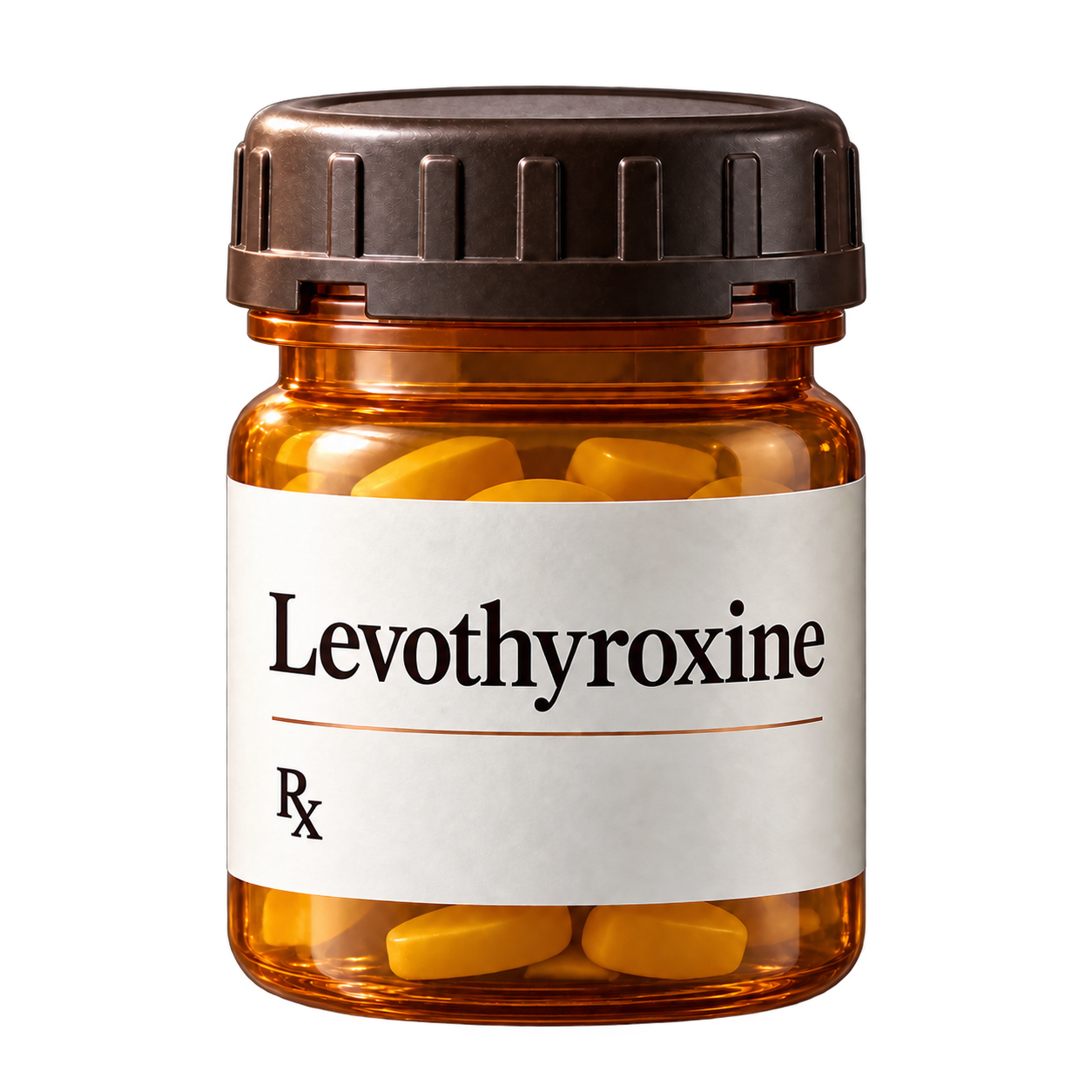
If you are asking how long does it take for levothyroxine to work, the most realistic answer is that it is gradual. Some people start to feel better within the first couple of weeks, but it can take longer for your body and lab results to fully reflect the change. Vitals Vault created this guide to help you set expectations, understand why timelines vary, and know what to discuss with a clinician as you start or adjust levothyroxine.
- Many people notice some symptom improvement in 1 to 2 weeks, but full effect can take longer.
- Thyroid blood tests are often rechecked about 6 to 8 weeks after a dose change.
- Absorption issues, missed doses, and drug or supplement interactions can slow or blunt results.
- If you feel worse or develop chest pain, severe shortness of breath, or fainting, seek urgent care.
How soon levothyroxine works
- When some people feel better
- Some improvement may be seen in 1 to 2 weeks, but it can take longer.
- When labs are often reassessed
- TSH is commonly checked about 6 to 8 weeks after starting or changing the dose.
- Why it is not immediate
- Levothyroxine has a long half life, so steady state and TSH response take weeks.
What affects how fast you notice results
Your starting thyroid level
If your hypothyroidism is more severe, it can take longer to feel like your energy, mood, and temperature tolerance are back to baseline. Your clinician may also adjust the dose in steps, which can extend the overall timeline.
Dose changes take weeks
Even when the dose is correct, TSH does not normalize overnight. Many clinicians reassess TSH about 6 to 8 weeks after a change because the hormone level and pituitary feedback loop need time to stabilize.
Absorption and timing with food
Levothyroxine absorption can drop if it is taken too close to food, coffee, or certain supplements. If absorption is inconsistent day to day, you may feel uneven symptoms and your lab results may be harder to interpret.
Drug and supplement interactions
Some products can reduce absorption in the gut, including calcium and iron supplements and certain antacids or bile acid binding medications. Other medicines can change thyroid hormone metabolism or binding, which may affect lab values and symptoms.
Consistency and missed doses
Because levothyroxine works by building and maintaining a steady hormone level, missed doses can slow progress or cause symptoms to return. If you are having trouble taking it consistently, it is worth discussing routines or alternatives with your clinician.
Switching products
Different levothyroxine products can vary slightly in how much hormone your body absorbs. If you switch manufacturers or formulations, your clinician may recommend follow up labs to confirm your TSH remains in range.
| Timeframe | What may change | Why it varies |
|---|---|---|
| First 1 to 2 weeks | Some people notice modest symptom improvement (for example energy or constipation). | Symptoms overlap with sleep, stress, anemia, depression, and other conditions. |
| Weeks 6 to 8 | TSH and free T4 are often reassessed after starting or adjusting therapy. | TSH response lags behind hormone level changes and depends on adherence and absorption. |
| After dose is stabilized | Symptoms and labs are more likely to align, but some symptoms may persist. | Not every symptom is caused by thyroid hormone levels alone. |
When to check in with a clinician
Symptoms feel worse
If fatigue, brain fog, constipation, or cold intolerance worsen after starting treatment, tell your clinician. It could be a dosing issue, absorption problem, or another condition that needs attention.
Possible over replacement symptoms
Call your clinician if you develop new palpitations, tremor, anxiety, heat intolerance, or unexplained weight loss. These can be signs that thyroid hormone levels are higher than your body needs.
Urgent symptoms
Seek urgent care for chest pain, severe shortness of breath, fainting, or a fast or irregular heartbeat that does not settle. Thyroid hormone can affect the heart, especially in people with underlying heart disease.
Pregnancy or trying to conceive
Thyroid hormone needs can change during pregnancy, and monitoring is time sensitive. Contact your clinician promptly if you are pregnant or planning pregnancy so your labs and dose can be reviewed.
Medication or supplement changes
If you start or stop calcium, iron, antacids, bile acid binders, or other interacting medicines, let your clinician know. They may recommend spacing doses or checking labs after the change.
Pro tips to get clearer results
Take it consistently
Same time and routine each day helps keep levels steady.
Separate from certain supplements
Calcium and iron can reduce absorption if taken too close.
Keep your product consistent
If your pharmacy switches manufacturers, ask if follow up labs are needed.
Track symptoms and labs together
Write down changes so your clinician can match them to TSH and free T4.
Ask what else to check
If labs look controlled but symptoms persist, discuss other causes.
Frequently Asked Questions
How long does levothyroxine take to work?
Some people notice modest symptom improvement within 1 to 2 weeks, but it often takes longer to feel fully steady. Clinicians commonly reassess TSH about 6 to 8 weeks after starting or changing levothyroxine because lab response takes time.
How long does it take for levothyroxine to work for fatigue?
Fatigue may improve within the first couple of weeks for some people, but it can take longer, especially if your dose needs adjustment. Fatigue can also have other causes, so persistent symptoms are worth discussing with a clinician even if your TSH improves.
Why do I feel worse after starting levothyroxine?
Feeling worse can happen if the dose is not the right match yet, if absorption is inconsistent, or if symptoms are coming from another condition. Contact your clinician, and seek urgent care for chest pain, fainting, or severe shortness of breath.
When should TSH be rechecked after a levothyroxine dose change?
Many prescribing references recommend checking TSH about 6 to 8 weeks after starting levothyroxine or changing the dose. That window helps ensure levels have stabilized enough for results to guide the next decision.
Can food, coffee, or supplements make levothyroxine take longer to work?
Yes. Levothyroxine absorption can be reduced when taken too close to food, coffee, or supplements such as calcium or iron, which can make symptom improvement slower or uneven. If you suspect this, ask your clinician how to keep dosing consistent.