
Glp-1: What GLP-1 is and how it works
GLP-1 is a gut hormone that affects appetite and blood sugar. GLP-1 drugs mimic it for diabetes and, for some, weight management.
Key facts
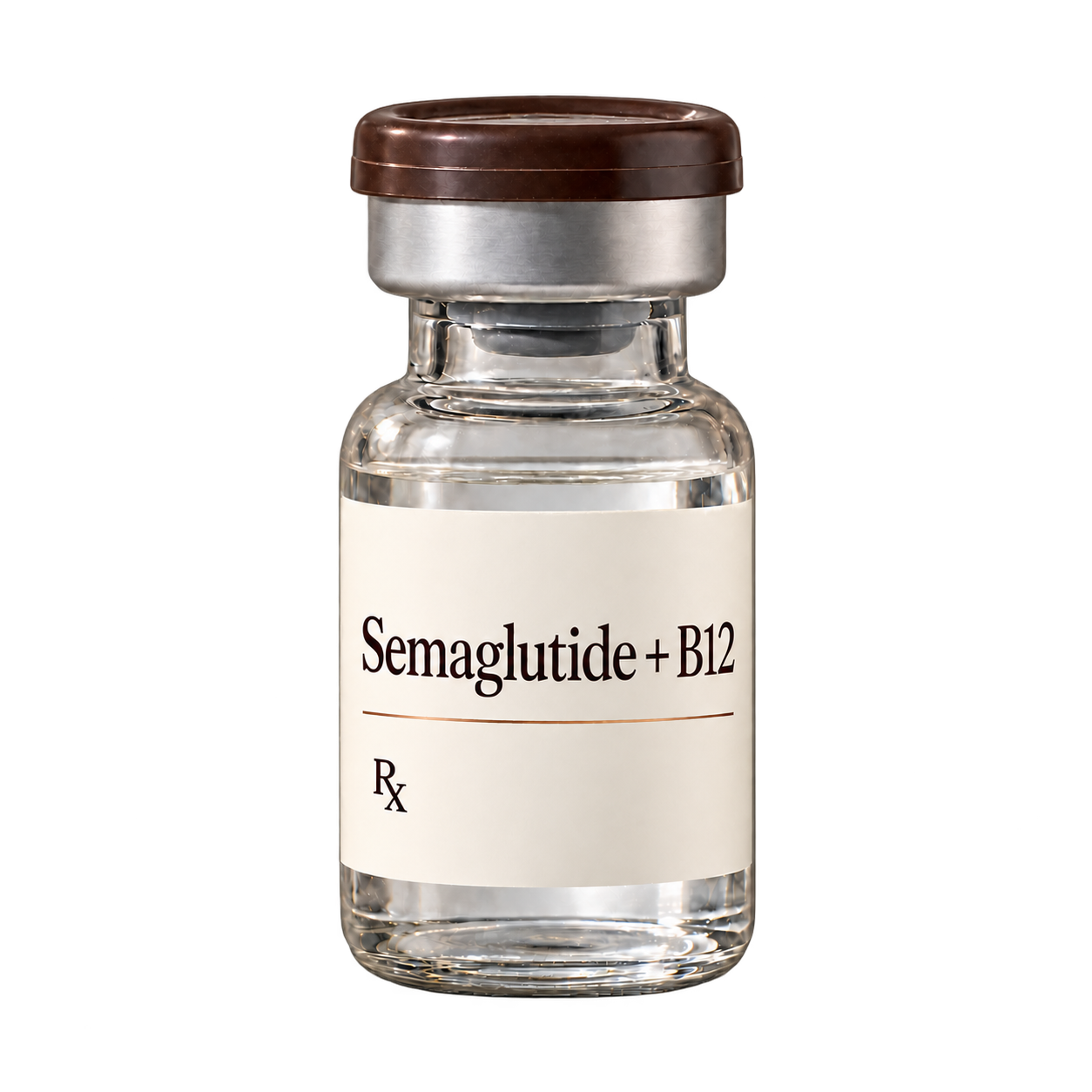
- Semaglutide + B12 is $157/month (billed $157 every 4 weeks), charged only after a clinician approves it.
- Answer a few health questions online. A licensed clinician reviews them. If approved, it ships to your door.
- Adults 18 or older. A licensed clinician reviews your health history and decides whether treatment is appropriate for you. Availability depends on the state you live in.


GLP-1 stands for glucagon-like peptide-1, a hormone your gut releases after you eat. It helps your pancreas release insulin, reduces glucagon, slows stomach emptying, and signals fullness in the brain. These effects are why GLP-1 is discussed in both diabetes care and weight management. If you are exploring GLP-1 medications, labs, or “natural GLP-1” products, this guide explains what GLP-1 is, what treatments exist, what risks to know, and when to talk with a clinician.
- GLP-1 is a natural hormone that helps regulate appetite and blood sugar.
- Prescription GLP-1 drugs can treat type 2 diabetes, and some are approved for weight management.
- Common side effects are stomach-related; rare but serious risks include pancreatitis and gallbladder disease.
- Supplements marketed as “GLP-1 boosters” are not the same as prescription GLP-1 medicines.
- Labs can help check metabolic health and guide safer treatment decisions.
What GLP-1 is and why it matters
GLP-1 is a gut hormone
GLP-1 is a hormone released from the intestine after meals. It is part of the incretin system, which helps your body manage blood sugar after you eat. GLP-1 also affects appetite and digestion, which is why it is discussed in weight management.
It affects blood sugar
GLP-1 increases glucose-dependent insulin release and decreases glucagon, which lowers blood sugar when it is elevated. Because the effect is glucose-dependent, insulin stimulation is reduced when blood sugar is lower. This is one reason GLP-1 receptor agonists are used for type 2 diabetes.
It can reduce appetite
GLP-1 slows gastric emptying and signals satiety, meaning you may feel full sooner and longer. For some people, these effects support reduced calorie intake. Prescription GLP-1 medicines are not the same as over-the-counter products marketed as “GLP-1 supplements.”
GLP-1 is not a diagnosis
People often search “glp-1” when they are trying to understand weight gain, cravings, prediabetes, or type 2 diabetes risk. GLP-1 itself is not a condition you are diagnosed with. It is a biological pathway that some medications target.
Why GLP-1 becomes a focus in weight and metabolic health
Type 2 diabetes and insulin resistance
In type 2 diabetes, the body does not respond to insulin effectively and blood sugar can rise. Incretin-based therapies, including GLP-1 receptor agonists, are used because they improve glucose control through multiple pathways. A clinician will consider your A1C, kidney function, and other factors when choosing therapy.
Obesity is multifactorial
Body weight is influenced by appetite regulation, energy expenditure, genetics, sleep, stress, medications, and medical conditions. GLP-1 signaling is one part of appetite regulation, not the only driver. That is why treatment plans often combine medication decisions with nutrition, activity, and behavior support.
Medications and medical conditions
Some medicines can promote weight gain or worsen glucose control, and some conditions can change appetite or metabolism. A clinician may review your medication list and screen for contributors before recommending a GLP-1 medication. This helps avoid missing a treatable cause.
Marketing confusion around “natural GLP-1”
Search terms like “natural glp 1” and “best glp 1 supplement” are common, but they can blur the line between lifestyle strategies and prescription therapy. Diet patterns that support fullness and stable glucose are different from taking a GLP-1 drug. If you are considering a supplement, discuss safety and interactions with a clinician.
Tests that can support safer decisions
A1C and fasting glucose
These tests help estimate average blood sugar and identify diabetes or prediabetes. They also help guide medication selection and monitoring. Your clinician may use them to decide whether a GLP-1 medication is appropriate and how to track response.
Kidney function
Kidney function tests matter because some GLP-1 medicines have labeling considerations for renal impairment, and dehydration from vomiting or diarrhea can worsen kidney problems. Checking baseline kidney health can help your clinician plan monitoring. Seek urgent care for severe dehydration symptoms.
Liver and lipid markers
Metabolic health often includes cholesterol and liver-related markers. These results can help a clinician assess cardiometabolic risk and choose a treatment plan. They can also help track overall health changes over time.
Thyroid history review
Several GLP-1 receptor agonists used for weight management and diabetes carry a boxed warning about thyroid C-cell tumors in rodents and are contraindicated in people with certain thyroid cancer histories. This is usually assessed by history rather than a single lab test. Tell your clinician about any personal or family history of medullary thyroid carcinoma or MEN 2.
GLP-1 treatment options and how they differ
GLP-1 receptor agonists
These prescription medicines mimic GLP-1 by activating the GLP-1 receptor. FDA-approved options include injectable semaglutide and liraglutide, and oral semaglutide for type 2 diabetes. Indications vary by product, so the right choice depends on your goals and medical history.
Dual incretin medicines
Tirzepatide activates both GIP and GLP-1 receptors and is FDA-approved for type 2 diabetes, and also has an FDA-approved product for chronic weight management. It is not “just a GLP-1,” but it uses the GLP-1 pathway as part of its mechanism. A clinician can explain how this changes benefits and risks for you.
Non-GLP-1 weight options
Some people use other FDA-approved weight management medications or focus on lifestyle and behavioral support without GLP-1 therapy. These options can be appropriate if you have contraindications, cannot tolerate side effects, or prefer a different approach. A clinician can help match options to your risk profile.
Supplements and “GLP-1 boosters”
Over-the-counter products marketed as “glp-1 supplement” or “glp 1 booster” are not the same as prescription GLP-1 medicines. Evidence and quality can vary, and they may interact with other medications. If you are considering one, bring the ingredient list to a clinician or pharmacist.
| Type | Examples (generic) | Examples (brand) | Notes |
|---|---|---|---|
| GLP-1 receptor agonist | semaglutide | Ozempic, Wegovy, Rybelsus | Some are for type 2 diabetes; some for chronic weight management. |
| GLP-1 receptor agonist | liraglutide | Victoza, Saxenda | Different products have different FDA-approved indications. |
| Dual GIP and GLP-1 receptor agonist | tirzepatide | Mounjaro, Zepbound | Uses GLP-1 activity plus GIP activity; indications vary by product. |
How GLP-1 care typically works
- 1
Start with your goals and medical history
A clinician reviews your weight and metabolic goals, current medications, and contraindications like certain thyroid cancer histories.
- 2
Use labs and monitoring when needed
A clinician may ask for recent lab results before prescribing and may monitor glucose, kidney function, and other markers over time.
- 3
Choose a plan and adjust based on tolerance
Treatment selection considers FDA-approved indications, side effects, and practical factors like dosing schedule and access.
When to talk with a clinician urgently
Severe stomach symptoms
Seek urgent care for severe or persistent abdominal pain, especially if it radiates to the back or is accompanied by vomiting. These symptoms can be concerning for pancreatitis or gallbladder disease, which are listed warnings for several GLP-1 medicines. Do not try to manage severe symptoms at home.
Dehydration or kidney concerns
If vomiting or diarrhea leads to dizziness, fainting, very low urine output, or confusion, get urgent evaluation. Fluid loss can worsen kidney function, and kidney injury is a labeled risk in some GLP-1 medicines, often related to dehydration. A clinician can decide what testing or treatment is needed.
Low blood sugar risk
If you use insulin or a sulfonylurea, adding a GLP-1 medicine can increase hypoglycemia risk, depending on the product and regimen. Get help right away for confusion, seizures, or loss of consciousness. Discuss prevention and monitoring with your clinician.
Thyroid or neck symptoms
Contact a clinician if you notice a neck mass, trouble swallowing, hoarseness, or shortness of breath. GLP-1 receptor agonists used for weight management and diabetes carry a boxed warning about thyroid C-cell tumors in rodents and have specific contraindications. Your clinician can review your personal risk.
Allergic reactions
Get emergency help for swelling of the face or throat, trouble breathing, or widespread hives. Serious hypersensitivity reactions are listed in prescribing information for GLP-1 medicines. Bring a list of all medications and supplements you take.
Frequently Asked Questions
What is glp-1?
GLP-1 is a hormone your gut releases after you eat that helps regulate blood sugar and appetite. It increases insulin release when glucose is high, reduces glucagon, and slows stomach emptying. Some prescription medicines mimic GLP-1 to treat type 2 diabetes and, for certain products, chronic weight management.
Is glp-1 safe?
GLP-1 medicines can be safe for many people when prescribed and monitored, but they have important risks and contraindications. Common side effects are nausea, vomiting, diarrhea, and constipation, and rare serious risks can include pancreatitis, gallbladder disease, and kidney injury related to dehydration. Your clinician can review your personal risk factors.
How does glp-1 work?
GLP-1 works by signaling through the GLP-1 receptor to increase glucose-dependent insulin secretion and reduce glucagon. It also slows gastric emptying and increases feelings of fullness, which can reduce food intake for some people. Prescription GLP-1 receptor agonists use these same pathways.
Is Zepbound a GLP-1?
Zepbound contains tirzepatide, which activates both the GIP and GLP-1 receptors. Because it includes GLP-1 receptor activity, it is often discussed alongside GLP-1 drugs, but it is technically a dual incretin medicine. Indications and warnings come from its FDA-approved labeling.
How to get glp-1?
GLP-1 medicines are prescription treatments, so the usual path is an evaluation with a licensed clinician who reviews your history, goals, and contraindications. A clinician may ask for recent lab results before prescribing and will choose a product based on FDA-approved indications and safety. Availability and prescribing rules can vary by state.