
Estradiol dosage: typical doses by form
Estradiol dosage depends on the form and your goal. Labels emphasize using the lowest effective dose and reassessing regularly.
Key facts
- Answer a few health questions online. A licensed clinician reviews them. If approved, it ships to your door.
- Adults 18 or older. A licensed clinician reviews your health history and decides whether treatment is appropriate for you. Availability depends on the state you live in.





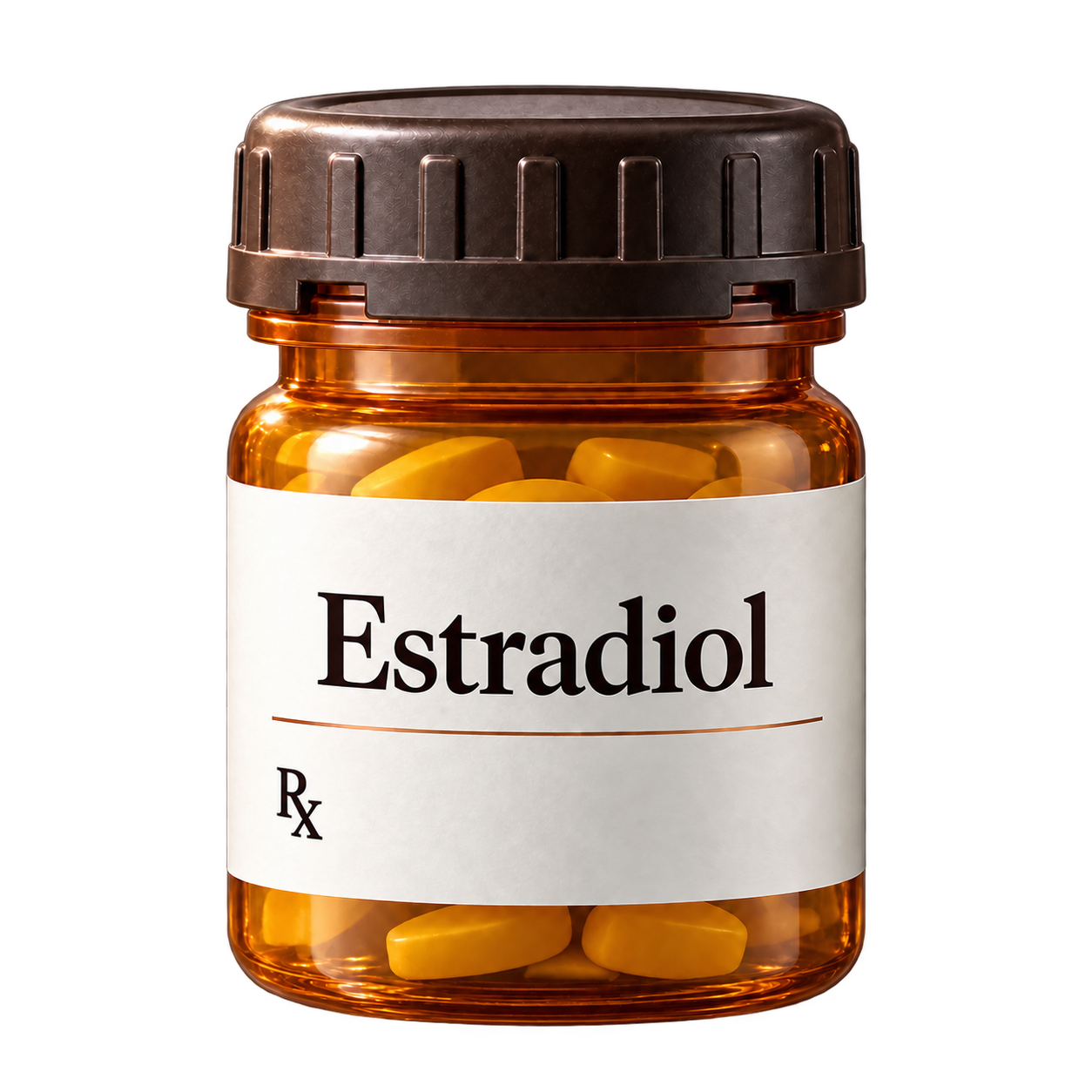
Estradiol is a form of estrogen used for menopausal symptoms and certain other estrogen deficiency indications. Estradiol dosage is not one single number because dosing depends on the product form (tablet, patch, or vaginal product), the condition being treated, and your risk factors. This guide summarizes label based dosing patterns and safety considerations so you can have a clearer conversation with your prescriber. Vitals Vault also offers PocketMD, an AI health companion for general dosing questions using your own health history, but dose decisions stay with your clinician.
- Estradiol dosage depends on the form and symptoms, and is individualized by your clinician.
- FDA labeling emphasizes using the lowest effective dose for the shortest duration consistent with treatment goals.
- Oral, transdermal patches, and vaginal products are dosed differently and are not interchangeable.
- If you have a uterus, you usually need a progestogen with systemic estrogen to reduce endometrial cancer risk.
Answer: what estradiol dosage usually means
Systemic vs local estrogen
Systemic estrogen (oral tablets and many patches) affects the whole body and is used for vasomotor symptoms like hot flashes. Local vaginal estrogen is intended for vulvovaginal symptoms and typically results in lower systemic exposure. The dose you see on the label reflects these different goals and exposures.
Why your uterus matters
If you have a uterus, systemic estrogen is usually prescribed with a progestogen to reduce the risk of endometrial hyperplasia and endometrial cancer. This is a key reason two people can be on different regimens even with similar symptoms. Your clinician weighs benefits and risks for your situation.
What counts as low or high
Labels do not define a universal low dose or high dose of estrogen across all products. A dose that is considered low for one formulation may not be low for another, and systemic products are not directly comparable to vaginal products. Your prescriber uses symptom control and safety monitoring to guide dosing.
Details: estradiol doses by form, plus adjustments
| Form | What it is commonly used for | What the label emphasizes | Notes to discuss with your clinician |
|---|---|---|---|
| Oral estradiol tablets | Menopausal symptoms and certain estrogen deficiency indications | Use the lowest effective dose and reassess periodically | Oral estrogen has first pass liver metabolism and may not be preferred for some clot risk profiles. |
| Transdermal estradiol patches | Menopausal symptoms and certain estrogen deficiency indications | Use the lowest effective dose and reassess periodically | Patch strength and wear schedule vary by product; do not substitute patch brands without prescriber guidance. |
| Vaginal estradiol products (cream, tablet, ring) | Genitourinary syndrome of menopause (vaginal dryness, burning, painful sex) | Use the lowest effective dose for the shortest duration consistent with goals | Local therapy is typically preferred when symptoms are limited to the vagina or urinary tract. |
Is 1 mg estradiol a low dose?
There is no single label definition of a low dose that applies to every estradiol product and route. For oral estradiol tablets, 1 mg is a commonly prescribed strength, but whether it is low for you depends on your symptoms, age, time since menopause, and risk factors. Your clinician may adjust up or down based on response and side effects.
What is considered a high dose of estrogen?
High dose is not a standardized label term across estradiol products. Clinicians generally think in terms of the lowest effective systemic dose needed for symptom control, balanced against risks that increase with systemic estrogen exposure. If you need escalating doses to control symptoms, that is a reason to reassess the diagnosis, route, and overall plan.
If you miss a dose
Specific missed dose instructions depend on the exact product and route, and they can differ between tablets, patches, and vaginal products. Check your product labeling and ask your pharmacist or prescriber what to do for your specific prescription. Do not double up unless your prescriber tells you to.
Switching between forms
Oral, patch, and vaginal estradiol are not dose equivalent. Switching forms usually requires a new prescription and a new titration plan because absorption and systemic exposure differ. Your clinician may also change whether you need a progestogen depending on whether the regimen is systemic.
How long you stay on it
FDA labeling for estrogen therapy generally advises using the lowest effective dose for the shortest duration consistent with treatment goals, with periodic reevaluation. In practice, that means you and your clinician revisit symptom control, side effects, and risk factors over time. Do not stop or change therapy without clinician guidance.
When to talk to a clinician (and when to seek urgent care)
Possible blood clot or stroke
Get urgent medical care for sudden chest pain, shortness of breath, coughing blood, one sided weakness, trouble speaking, or sudden severe headache. Estrogen therapy can increase the risk of blood clots and stroke in some people, especially with additional risk factors. Do not wait for a routine appointment.
Abnormal vaginal bleeding
Contact your clinician promptly for any unusual vaginal bleeding after menopause or bleeding that is new or persistent on therapy. Unscheduled bleeding can have many causes, and it needs evaluation, especially if you have a uterus. Your clinician may adjust therapy and investigate other causes.
Severe headache or vision changes
New severe headaches, migraine changes, or vision changes should be assessed quickly. These symptoms can be unrelated to estradiol, but they can also signal a serious problem that needs urgent evaluation. Your clinician may recommend stopping therapy temporarily while you are evaluated.
Breast changes
Report a new breast lump, nipple discharge, or skin changes to your clinician. Estrogen therapy is associated with breast tenderness in some people, but new focal changes should be evaluated. Keep up with age appropriate breast cancer screening.
Signs of high estrogen exposure
If you develop persistent nausea, breast tenderness, swelling, mood changes, or worsening headaches, ask your clinician whether your dose or route should be reassessed. These symptoms can have many causes, but they are common reasons clinicians consider dose reduction or switching routes. Do not change the dose on your own.
Pro tips for discussing estradiol dosing
Name your main symptom
Hot flashes and vaginal dryness often call for different forms and doses.
Ask about route choice
Oral and patch estradiol differ in absorption and risk considerations.
Confirm uterus status plan
If you have a uterus, ask whether you need a progestogen.
Track changes, not guesses
Keep a simple symptom log to guide clinician led dose adjustments.
Bring your medication list
Share all prescriptions and supplements to check for interactions and overlapping hormones.
Frequently Asked Questions
Is 1 mg estradiol a low-dose?
There is no single label definition of “low dose” that applies across all estradiol forms. For oral tablets, 1 mg is a common strength, but whether it is low for you depends on symptoms, route, and risk factors. Your clinician adjusts to the lowest effective dose.
What is considered a high dose of estrogen?
Estradiol labels do not set a universal “high dose” threshold across products. Clinicians generally aim for the lowest effective systemic dose and reassess if higher exposure seems necessary. If symptoms are not controlled, your clinician may reconsider the route, diagnosis, or overall plan.
What is a typical estradiol dosage for menopause symptoms?
Typical estradiol dosing depends on whether you are using an oral tablet, a transdermal patch, or a vaginal product, and labels differ by product. FDA labeling generally recommends starting low, adjusting based on response, and reevaluating periodically. Your prescriber chooses the regimen that fits your risks and goals.
Do you need progesterone with estradiol?
If you have a uterus and are using systemic estrogen, labeling warns that adding a progestogen helps reduce the risk of endometrial hyperplasia and endometrial cancer. The exact regimen depends on your product and medical history. Your clinician can explain whether your estradiol plan is systemic or local.
Can I use estradiol tablets and a patch together?
Using more than one systemic estrogen product can increase total estrogen exposure and is not something to do without clinician direction. If symptoms persist, your clinician may adjust one product, switch routes, or evaluate other causes. Bring your full medication list to avoid unintentional overlap.