
Estrace vs estradiol: what is different?
Estrace vs estradiol: Estrace is a brand name for estradiol. The main differences are product form, dose options, and cost and coverage.
Key facts
- Estradiol Oral Capsules is $66.34/month (billed $199 every 90 days), charged only after a clinician approves it.
- Answer a few health questions online. A licensed clinician reviews them. If approved, it ships to your door.
- Adults 18 or older. A licensed clinician reviews your health history and decides whether treatment is appropriate for you. Availability depends on the state you live in.





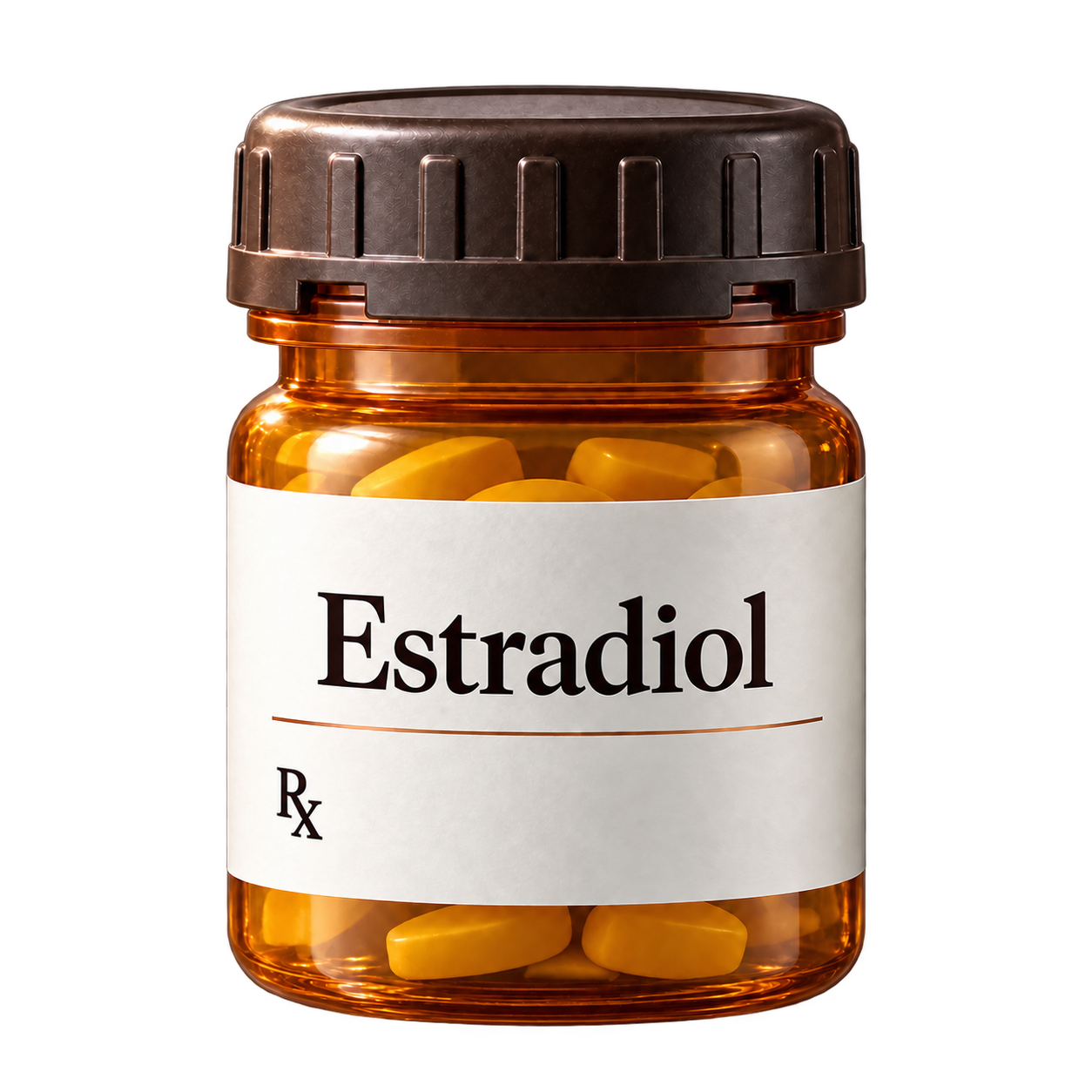
Estrace is a brand name product that contains estradiol, a form of estrogen used in menopause care. When people compare Estrace vs estradiol, they are usually comparing a brand to the same active ingredient sold as a generic, or comparing different estradiol forms such as tablets, patches, or creams. This page summarizes what is the same and what can differ, including uses, routes, safety warnings, and cost and access.
- Estrace vs estradiol: Estrace is a brand name for estradiol, the active ingredient.
- Differences are usually the form (tablet, patch, cream) and dosing options, not how estradiol works.
- Systemic estrogen has boxed warnings and is not for preventing heart disease or dementia.
- Vaginal estradiol is used for genitourinary symptoms; systemic estrogen is used for broader menopausal symptoms.
What Estrace and estradiol are
Estradiol is the medication
Estradiol is a form of estrogen, a hormone your body naturally makes. Prescription estradiol is used to treat certain menopause related symptoms and other estrogen deficiency states, depending on the product and route.
Estrace is a brand name
Estrace is a brand name that has been used for estradiol products, including estradiol vaginal cream. A generic estradiol product has the same active ingredient but may differ in inactive ingredients and packaging.
Form matters more than brand
Estradiol can be delivered as an oral tablet, a skin patch, or a vaginal product such as a cream. The route affects how much medicine reaches the bloodstream and which symptoms it is most likely to help.
Systemic vs local therapy
Systemic estrogen (for example oral tablets and many patches) circulates through the bloodstream. Local vaginal estrogen is intended to act mainly in vaginal tissues for symptoms such as dryness and painful sex.
How estradiol works in the body
Replaces estrogen signaling
Estradiol binds to estrogen receptors throughout the body. In menopause, estrogen levels fall, and replacing estrogen can reduce symptoms that are driven by that change.
Different routes, different exposure
Oral estradiol is processed by the liver after absorption, which can change hormone and clotting related proteins. Transdermal estradiol (patch) delivers estradiol through the skin and can produce different blood levels and liver effects than oral products.
Vaginal products target tissues
Vaginal estradiol products are designed to improve vaginal tissue thickness and lubrication and reduce urinary and vaginal symptoms. Some systemic absorption can still occur, so safety warnings and your medical history still matter.
Who might consider estradiol
Moderate to severe hot flashes
Systemic estrogen therapy is indicated for moderate to severe vasomotor symptoms of menopause, often described as hot flashes and night sweats. The exact indication depends on the specific estradiol product labeling.
Vaginal and urinary symptoms
Vaginal estradiol is commonly used for genitourinary syndrome of menopause, which can include vaginal dryness, burning, painful sex, and some urinary symptoms. Product labeling varies by formulation.
Low estrogen states
Some estradiol products are indicated for hypoestrogenism due to hypogonadism, castration, or primary ovarian failure. This is separate from routine menopause symptom management and should be clinician guided.
Certain cancer related uses
Some oral estradiol products include indications for palliative treatment of certain cancers, such as prostate cancer or breast cancer in select situations. These uses are specialized and managed by oncology teams.
Who should not take estradiol
Estrogen dependent cancer
Do not use estrogen therapy if you have known, suspected, or a history of breast cancer, or other estrogen dependent neoplasia, unless a specialist is directing care. Product labeling lists specific cancer related contraindications.
Blood clots or stroke history
Estrogen therapy is contraindicated in people with active or past deep vein thrombosis or pulmonary embolism, and in those with active or recent arterial thromboembolic disease such as stroke or myocardial infarction.
Unexplained vaginal bleeding
Unusual vaginal bleeding needs evaluation before starting estrogen therapy. This helps rule out conditions such as endometrial hyperplasia or cancer.
Pregnancy
Estradiol products are contraindicated in pregnancy. If pregnancy is possible, discuss contraception and timing with your clinician.
Severe liver disease
Many estrogen products are contraindicated in known liver impairment or disease. Your clinician may choose a different approach if you have liver related conditions.
What to expect when choosing a form
| Option | Where it acts most | Common reasons it is chosen | Key tradeoffs to discuss |
|---|---|---|---|
| Oral estradiol tablet | Systemic (whole body) | Convenience for some people; treats vasomotor symptoms when indicated | More liver first pass effects; interactions and clot risk considerations still apply |
| Transdermal estradiol patch | Systemic (whole body) | Steady delivery; avoids first pass liver metabolism | Skin irritation or adhesion issues; patch schedule varies by product |
| Vaginal estradiol cream | Primarily local vaginal tissues | Targets dryness and painful sex; may be preferred when symptoms are mainly vaginal | Can be messy for some; some systemic absorption can occur; dosing schedule varies by label |
Your symptom pattern guides choice
If symptoms are mainly hot flashes and night sweats, clinicians often consider systemic therapy when appropriate. If symptoms are mainly vaginal dryness or painful sex, a local vaginal product may be considered.
Monitoring and follow up matter
Estrogen therapy is typically managed with periodic follow up to reassess symptom control and side effects. If you have risk factors for clots, breast cancer, or cardiovascular disease, your clinician may recommend additional screening or a different plan.
Lowest effective dose principle
Many product labels advise using the lowest effective dose for the shortest duration consistent with treatment goals. Your clinician individualizes this based on symptoms, risks, and preferences.
Side effects and warnings
Breast tenderness and nausea
Breast tenderness, nausea, and headache can occur with systemic estrogen therapy. If symptoms are persistent or severe, your clinician may reassess the formulation, dose, or whether estrogen is appropriate.
Vaginal irritation or discharge
With vaginal estradiol products, local irritation, burning, or discharge can occur. If you develop new pain, bleeding, or signs of infection, you should contact a clinician for evaluation.
Abnormal vaginal bleeding
Any unexpected vaginal bleeding while using estrogen should be evaluated, especially after menopause. Estrogen can stimulate the uterine lining, and bleeding can be a sign of endometrial hyperplasia or cancer.
Blood clots, stroke, heart attack
Estrogen therapy carries warnings about increased risks of venous thromboembolism (blood clots), stroke, and myocardial infarction, particularly with systemic therapy. Seek urgent care for chest pain, sudden shortness of breath, one sided weakness, or sudden severe headache.
Breast cancer risk warning
Estrogen therapy, especially when combined with a progestin, carries warnings about breast cancer risk. Follow recommended breast cancer screening and report new breast lumps or nipple changes promptly.
Dementia warning (older adults)
Some estrogen products include warnings about probable dementia risk in people age 65 years and older based on WHI related studies. Estrogen should not be used to prevent dementia.
Cost and access: what changes between Estrace and estradiol
Brand vs generic pricing
Estrace is a brand name, while estradiol is available as FDA approved generics. In many cases, generics have lower out of pocket costs than brand products, but your cost depends on your pharmacy, insurance, and the specific formulation.
Formulation drives coverage
Insurance coverage can differ between oral tablets, patches, and vaginal creams, even when the active ingredient is estradiol. Prior authorization, preferred drug lists, and step therapy rules can affect what is covered.
Dose strength and package size
Costs can vary by strength and package size, and by whether a product is dispensed as a brand or generic. Current prices for the Vitals Vault product are shown on this page in the price block.
Clinician visit and follow up
Access may also depend on whether you need a clinician visit, monitoring, or follow up to use estrogen safely. People with higher risk histories may need more evaluation before a prescription is appropriate.
How to get estradiol safely
- 1
Review your symptoms and goals
Write down which symptoms you want to address and what matters most to you about route and convenience.
- 2
Share your medical history
A clinician will review clot history, cancers, vaginal bleeding, liver disease, and other factors that affect estrogen safety.
- 3
Choose a formulation and plan
If appropriate, you and your clinician decide between oral, patch, or vaginal options and whether a progestin is needed.
- 4
Follow up and reassess
Plan periodic check ins to review symptom control, side effects, and whether the current approach still fits.
Frequently Asked Questions
What is estradiol used for?
Estradiol is used for certain menopause related symptoms, such as moderate to severe hot flashes, and for vaginal and urinary symptoms when a vaginal product is used. Some estradiol products are also indicated for hypoestrogenism due to ovarian failure or other causes, depending on the label.
Is estrace vs estradiol the same thing?
Estrace is a brand name, and estradiol is the active ingredient. A generic estradiol product contains the same active ingredient, but the inactive ingredients, packaging, and available forms can differ.
Is estradiol vaginal cream the same as topical estrogen?
Vaginal estradiol cream is a type of topical estrogen used locally in vaginal tissues for symptoms like dryness and painful sex. Other topical estrogen products exist, so it helps to confirm the exact product and route with your clinician.
What does estradiol 0.01% mean on a cream label?
A percentage on a cream label describes how much estradiol is in the cream by concentration. The right product and dosing schedule depend on the specific prescribing information and your symptoms, so a clinician should guide selection.
How much does estradiol cost without insurance?
Cost depends on whether you use a brand or generic, the form (tablet, patch, or cream), and the pharmacy and supply dispensed. If you are viewing a Vitals Vault treatment option, current prices are shown on this page in the price block rather than listed in the text.