
Does mounjaro make you tired?
Does Mounjaro make you tired? It can for some people. Fatigue is often linked to eating less, nausea, dehydration, or low blood sugar.
Key facts
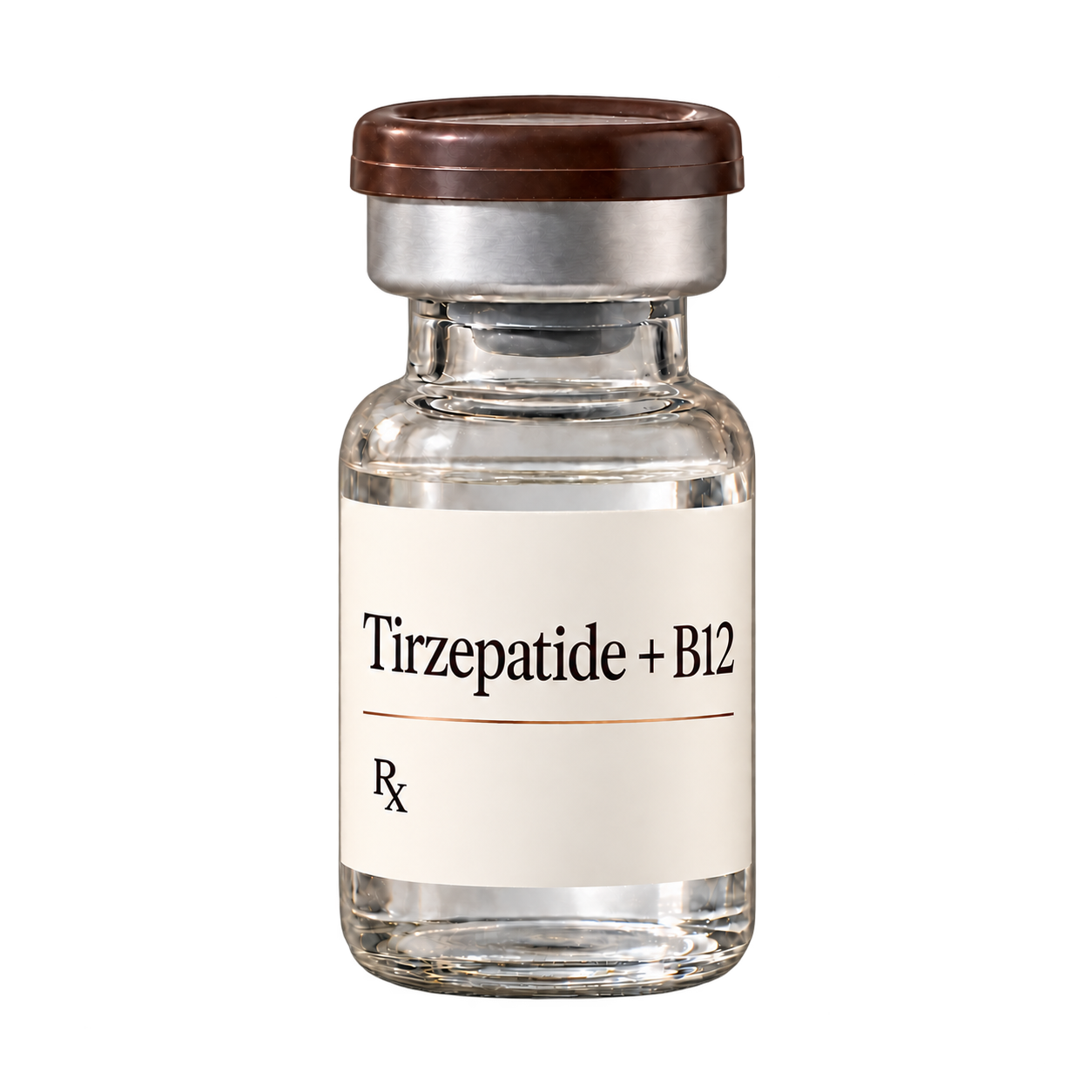
- Tirzepatide + B12 is $169/month (billed $169 every 4 weeks), charged only after a clinician approves it.
- Answer a few health questions online. A licensed clinician reviews them. If approved, it ships to your door.
- Adults 18 or older. A licensed clinician reviews your health history and decides whether treatment is appropriate for you. Availability depends on the state you live in.


If you searched “does mounjaro make you tired,” the most accurate answer is that some people do report fatigue on tirzepatide, but it is not always a direct drug effect. Often, tiredness happens because you are eating less, feeling nauseated, not hydrating well, or having low blood sugar. This guide explains what the label and clinical evidence suggest, what patterns are common, and when fatigue could signal something that needs medical attention.
- Yes, Mounjaro can make some people feel tired, especially early in treatment.
- Tiredness is often indirect, from nausea, eating less, dehydration, or low blood sugar.
- Severe fatigue with vomiting, belly pain, or dehydration symptoms needs prompt medical advice.
- Do not ignore low blood sugar symptoms if you use insulin or a sulfonylurea.
Answer: does mounjaro make you tired?
Early weeks are common
Many side effects of tirzepatide are most noticeable when you first start or after a dose increase. If tiredness shows up around those times, it may track with nausea, appetite changes, or sleep disruption from stomach symptoms.
Not everyone gets fatigue
Some people feel no change in energy, while others notice low energy that comes and goes. Your other medications, calorie intake, hydration, and sleep can strongly influence whether you feel tired while taking tirzepatide.
Low blood sugar is a key exception
If you use insulin or a sulfonylurea, tirzepatide can increase the risk of hypoglycemia (low blood sugar). Low blood sugar can feel like sudden fatigue, shakiness, sweating, confusion, or weakness and needs prompt attention.
Why it happens and what may help
Eating much less than usual
Tirzepatide reduces appetite and slows stomach emptying, which can make you eat less without realizing it. Too little total energy or too little protein can leave you feeling wiped out, especially if nausea limits what you can tolerate.
Nausea, vomiting, diarrhea
Gastrointestinal side effects are among the most common with tirzepatide. Even mild ongoing nausea can reduce sleep quality and food and fluid intake, which can translate into fatigue. Persistent vomiting or diarrhea can also lead to dehydration.
Dehydration and low electrolytes
If you are drinking less because you feel full or nauseated, you can become dehydrated. Dehydration can cause fatigue, dizziness, headache, and weakness. Ongoing vomiting or diarrhea increases this risk and may require medical guidance.
Low blood sugar with certain meds
Tirzepatide can cause hypoglycemia, particularly when used with insulin or sulfonylureas. If tiredness comes with shakiness, sweating, fast heartbeat, blurred vision, or confusion, treat it as possible low blood sugar and contact your clinician.
Kidney problems from dehydration
Severe dehydration from vomiting or diarrhea can worsen kidney function, and kidney problems can cause profound fatigue. The prescribing information warns about acute kidney injury, sometimes in the setting of gastrointestinal fluid loss.
Gallbladder or pancreas issues
Tirzepatide labeling includes warnings about acute gallbladder disease and pancreatitis. These conditions are not “fatigue side effects,” but the overall illness can make you feel extremely weak or unwell, often with significant abdominal pain and vomiting.
| If your tiredness feels like | It may be related to | What to do next |
|---|---|---|
| Low energy plus nausea or early fullness | Reduced intake from slowed stomach emptying and GI side effects | Tell your clinician; ask about symptom management and nutrition targets. |
| Lightheadedness, dry mouth, dark urine | Dehydration, especially with vomiting or diarrhea | Increase fluids as tolerated and contact a clinician if symptoms persist. |
| Sudden weakness with shakiness or sweating | Low blood sugar, higher risk with insulin or sulfonylureas | Check in urgently with your prescribing clinician for safety guidance. |
| Severe fatigue with ongoing vomiting | Dehydration and possible kidney stress | Seek prompt medical advice, especially if you cannot keep fluids down. |
When to talk to a clinician about fatigue
Fatigue that is severe or worsening
If tiredness is intense, getting worse, or interfering with daily activities, contact your clinician. You may need evaluation for dehydration, low blood sugar risk, medication interactions, or another cause unrelated to tirzepatide.
Vomiting or diarrhea that persists
Ongoing vomiting or diarrhea can lead to dehydration and kidney problems. The prescribing information warns about acute kidney injury in the setting of severe gastrointestinal reactions, so do not wait if you cannot keep fluids down.
Symptoms of low blood sugar
If you take insulin or a sulfonylurea, report any episodes of shakiness, sweating, confusion, faintness, or sudden fatigue. Your clinician may need to adjust your overall diabetes regimen to reduce hypoglycemia risk.
Severe abdominal pain
Seek urgent medical evaluation for severe abdominal pain, especially if it is persistent or comes with vomiting. The label includes warnings for pancreatitis and gallbladder disease, which require prompt assessment.
Practical pro tips
Prioritize hydration
If you feel full quickly, try smaller, more frequent sips and discuss targets with your clinician.
Do not skip protein
Low intake can feel like fatigue. Ask your clinician or dietitian for realistic protein goals.
Watch for low blood sugar
If you use insulin or a sulfonylurea, review hypoglycemia symptoms and your action plan.
Time your check-in
If fatigue appears after dose changes, schedule a message or visit to review side effects.
Consider labs if fatigue persists
Vitamin D, B12, and iron status can contribute to low energy and are checkable.
Frequently Asked Questions
Does mounjaro make you tired even if you sleep enough?
It can. For many people, tiredness is related to reduced food intake, nausea, dehydration, or low blood sugar risk rather than sleep alone. If fatigue is persistent or severe, check in with a clinician to look for treatable causes.
Is tiredness a common side effect of tirzepatide (Mounjaro)?
Fatigue can occur, but the label emphasizes gastrointestinal effects and low blood sugar risk (especially with insulin or sulfonylureas) as common drivers of feeling unwell. If tiredness tracks with nausea, vomiting, or not eating, tell your clinician.
Can Mounjaro tiredness be a sign of low blood sugar?
Yes, especially if you also use insulin or a sulfonylurea. Low blood sugar can feel like sudden fatigue along with shakiness, sweating, dizziness, or confusion. Contact your prescribing clinician promptly if you suspect hypoglycemia.
When is fatigue on Mounjaro a red flag?
Seek prompt medical advice if fatigue is severe, worsening, or comes with persistent vomiting or diarrhea, dehydration symptoms, severe abdominal pain, or confusion. These can be signs of complications that need evaluation, including dehydration-related kidney problems or pancreatitis.
Can Vitals Vault help me figure out why I am tired on tirzepatide?
Yes. If you are using Vitals Vault, a clinician can review your symptoms and may request labs that relate to fatigue, such as vitamin B12, vitamin D, or iron status. PocketMD can also help you organize questions using your own health history, but it is not for emergencies.