
DHEA side effects: what to expect
DHEA side effects can include acne, oily skin, hair changes, and mood shifts. Higher doses may raise androgen and estrogen related risks and interactions.
Key facts
- Answer a few health questions online. A licensed clinician reviews them. If approved, it ships to your door.
- Adults 18 or older. A licensed clinician reviews your health history and decides whether treatment is appropriate for you. Availability depends on the state you live in.


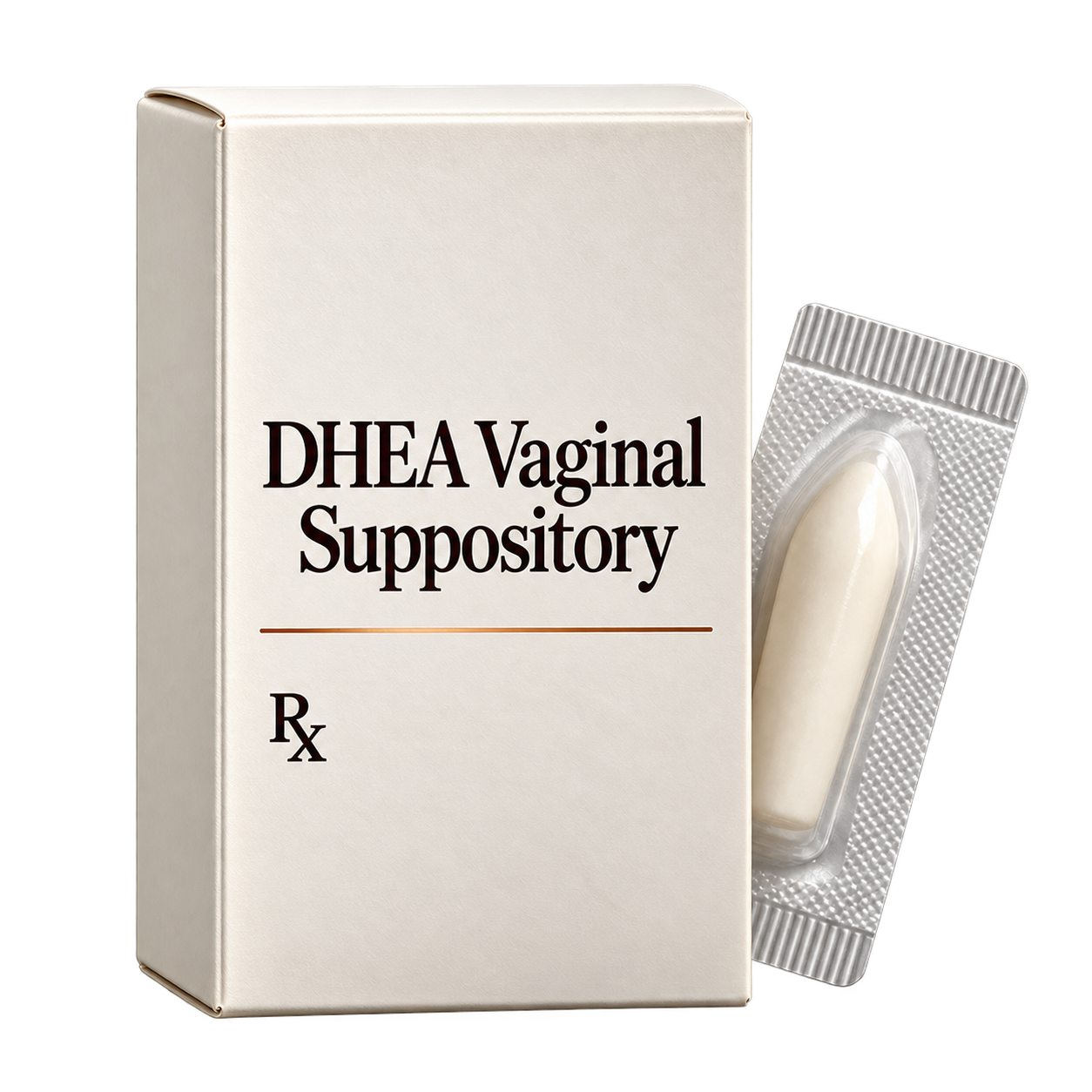
DHEA (dehydroepiandrosterone) is a hormone your body naturally makes and also a common supplement. Side effects depend on your dose, how long you take it, and how your body converts it into other hormones like testosterone and estrogen. If you are noticing new symptoms, labs can help you and a clinician understand whether DHEA levels or other hormone shifts may be involved. Vitals Vault can help you order labs and share results with a licensed clinician for next steps.
- DHEA side effects most often look like mild androgen effects such as acne and oily skin.
- Because DHEA converts to testosterone and estrogen, higher exposure can cause hair and mood changes.
- People with hormone sensitive cancers, pregnancy, or breastfeeding should avoid DHEA unless a clinician directs it.
- Check for interactions, especially with hormone therapies and some psychiatric medicines.
- If you develop chest pain, severe mood changes, or signs of a blood clot, seek urgent care.
Quick answer: what are DHEA side effects?
Common vs serious DHEA side effects and risks
Acne and oily skin
These are among the most frequently reported DHEA side effects and happen because DHEA can raise androgen activity in the skin. If you notice new or worsening acne, it is a sign your body may be converting more DHEA into androgens. A clinician may suggest checking hormone labs and reviewing any other androgenic products you use.
Hair changes
DHEA may contribute to unwanted hair growth (hirsutism) or scalp hair thinning in people who are sensitive to androgens. This can be more noticeable in females because even small androgen shifts can affect hair follicles. If hair changes are rapid or distressing, discuss evaluation for other causes such as PCOS or thyroid disease.
Mood or sleep changes
Some people report irritability, agitation, or changes in sleep while taking DHEA. Because DHEA is a steroid hormone precursor, it may influence brain signaling and downstream sex hormones, which can affect mood. New severe anxiety, depression, or manic symptoms should be treated as urgent and evaluated promptly.
Menstrual or breast symptoms (female)
In females, DHEA can shift estrogen and androgen balance and may be associated with changes in menstrual regularity or breast tenderness. If you have abnormal uterine bleeding, new breast lumps, or persistent breast pain, contact a clinician to rule out other causes. Avoid DHEA in pregnancy and breastfeeding unless specifically directed.
Hormone sensitive cancer risk
Because DHEA can convert into estrogen and testosterone, it may not be appropriate for people with current or past hormone sensitive cancers (such as breast, uterine, ovarian, or prostate cancer) unless an oncology team directs it. If you have a personal history of these cancers, do not self treat with DHEA. Ask your clinician about safer alternatives for your goal.
Drug interactions and lab confusion
DHEA can interact with hormone therapies and may complicate interpretation of hormone labs by changing measured levels. It may also worsen some psychiatric conditions or interact with related medications in ways that affect mood. Bring a full list of supplements and prescriptions to your clinician so they can assess interaction risk.
When to talk to a clinician or seek urgent care
Call a clinician soon for
New or worsening acne, hair loss, unwanted facial or body hair, menstrual changes, breast tenderness, or persistent headaches are reasons to check in. A clinician may recommend hormone labs (such as DHEA S, testosterone, estradiol) and a review of all supplements. Do not ignore symptoms that keep progressing over weeks.
Seek urgent care for
Chest pain, shortness of breath, fainting, one sided leg swelling, sudden severe headache, or new severe agitation or mania should be treated as urgent. These symptoms are not specific to DHEA, but they can signal a serious condition that needs immediate evaluation. Do not rely on labs or online advice in these situations.
Avoid DHEA unless directed
Avoid self starting DHEA if you are pregnant, breastfeeding, trying to conceive, or have a history of hormone sensitive cancer. Also be cautious if you have bipolar disorder or other conditions where mood destabilization is a concern. Ask a clinician to help weigh risks and benefits for your situation.
Pro tips to reduce risk
Treat it like a hormone
Tell your clinician you take DHEA, even if it is sold as a supplement.
Check baseline labs first
If symptoms are present, labs can clarify whether DHEA S is high or low.
Watch for androgen signs
Acne, oily skin, and hair changes can be early clues of excess androgen effect.
Review all hormone products
Stacking DHEA with testosterone or estrogen products can raise side effect risk.
Recheck if symptoms change
If new symptoms appear, repeat labs and reassess with a clinician.
Frequently Asked Questions
What are the most common DHEA side effects?
The most common DHEA side effects are androgen like changes such as acne, oily skin, and hair changes. Some people also notice mood or sleep changes. If side effects are persistent or worsening, discuss labs and alternatives with a clinician.
What are DHEA side effects female patients notice most?
Females may be more likely to notice acne, unwanted facial or body hair, scalp hair thinning, and menstrual changes because small androgen shifts can be noticeable. Breast tenderness can also occur. New abnormal bleeding or breast lumps should be evaluated promptly.
Can DHEA raise testosterone or estrogen and cause symptoms?
Yes. DHEA is a precursor that can be converted into testosterone and estrogen, which is why side effects often look hormone related. If you develop new symptoms, a clinician may recommend checking DHEA S and other hormone labs to understand the pattern.
Who should avoid DHEA because of side effects or risks?
People who are pregnant or breastfeeding, and those with a history of hormone sensitive cancers, should generally avoid DHEA unless a clinician specifically recommends it. If you have a mood disorder such as bipolar disorder, discuss DHEA with your clinician because mood changes can be serious.
Can I use Vitals Vault to check if DHEA is affecting me?
Vitals Vault can help you order labs such as DHEA S and a broader hormone panel so you can review results with a clinician. Labs do not diagnose a condition by themselves, but they can help clarify whether hormone levels may be contributing to symptoms. Seek urgent care for severe or sudden symptoms.