
Armour thyroid: what it is and who it is for
Armour thyroid is a prescription desiccated thyroid product for hypothyroidism. Learn how it works, key risks, and how access works.
Key facts
- Levothyroxine is $41.67/month (billed $125 every 90 days), charged only after a clinician approves it.
- Answer a few health questions online. A licensed clinician reviews them. If approved, it ships to your door.
- Adults 18 or older. A licensed clinician reviews your health history and decides whether treatment is appropriate for you. Availability depends on the state you live in.
- A $20 clinician review, refunded if you don’t qualify.





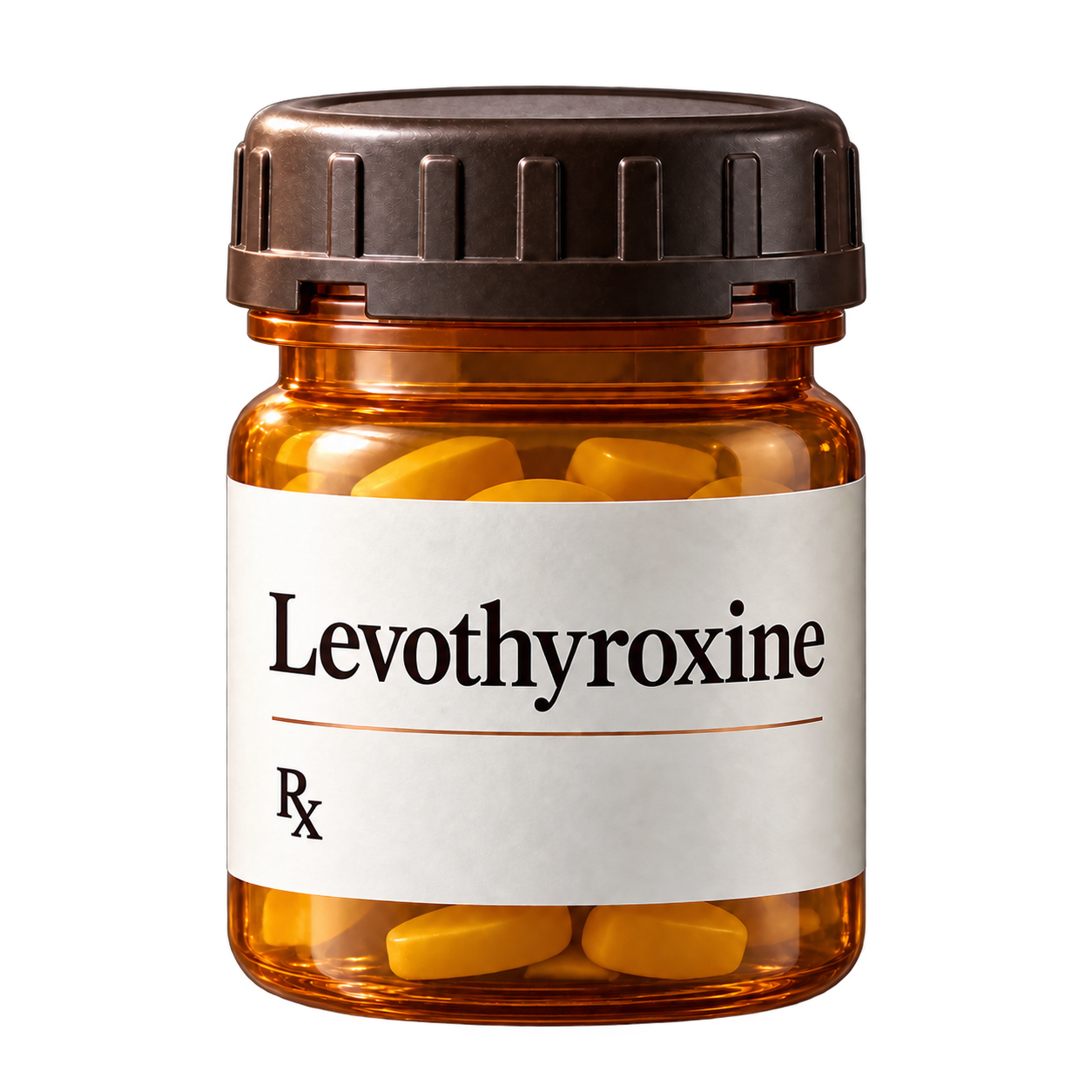
Armour thyroid is a prescription brand of desiccated thyroid (thyroid extract) used to treat hypothyroidism, a condition where your thyroid does not make enough hormone. People often compare it with levothyroxine or with other desiccated thyroid brands, and they want to know why some clinicians avoid it. Vitals Vault can help you review thyroid treatment options and start with labs when appropriate, so a licensed clinician can match therapy to your history and results.
- Armour thyroid is a brand desiccated thyroid medicine used to treat hypothyroidism.
- It contains both T4 and T3 thyroid hormones, so dosing and monitoring need care.
- It is not recommended for weight loss and can be dangerous if misused.
- Side effects often reflect too much thyroid hormone, like palpitations or anxiety.
- NP Thyroid is a different brand of desiccated thyroid, not the same product.
What Armour thyroid is
A desiccated thyroid product
Armour thyroid is a brand-name thyroid hormone replacement made from dried (desiccated) porcine thyroid glands. It is prescribed to treat hypothyroidism when your body needs thyroid hormone replacement. It is not the same as levothyroxine, which is synthetic T4 only.
Contains T4 and T3
Desiccated thyroid contains a mixture of thyroid hormones, including thyroxine (T4) and triiodothyronine (T3). Because T3 is more active and works faster than T4, some people feel changes sooner, but it can also increase the chance of symptoms if the dose is too high.
Not a weight-loss drug
Thyroid hormones should not be used to treat obesity or for weight loss in people with normal thyroid function. Using thyroid hormone for weight loss can cause serious or life-threatening side effects, especially at higher doses or with stimulants.
Not the same as other brands
NP Thyroid and Armour thyroid are both desiccated thyroid products, but they are different brands and may differ in inactive ingredients and how a dose is manufactured. If a switch is considered, it is typically handled with clinician guidance and follow-up labs.
How Armour thyroid works in your body
Replaces missing hormone
In hypothyroidism, your thyroid does not produce enough hormone to support normal metabolism and organ function. Armour thyroid provides thyroid hormones to help restore physiologic levels. The goal is symptom improvement and thyroid blood tests in an appropriate range.
T4 converts to T3
Your body normally converts T4 into T3 in tissues. Desiccated thyroid already contains T3, which can raise blood T3 levels more quickly after dosing. For some people, that can mean more noticeable effects, but it also means careful titration and monitoring matter.
TSH is a key lab marker
Thyroid-stimulating hormone (TSH) is produced by the pituitary gland and helps regulate thyroid hormone levels. Clinicians often use TSH, and sometimes free T4 and total or free T3, to assess whether replacement therapy is too low or too high. Lab interpretation depends on your situation, including pregnancy, heart disease, and age.
Absorption can vary
Thyroid hormone absorption can be affected by timing with food and by certain supplements and medications. If levels are unstable, clinicians often review how and when you take thyroid medicine and whether anything might be interfering. Do not change timing or products without clinician guidance.
Who Armour thyroid may be prescribed for
Primary hypothyroidism
Armour thyroid is indicated for hypothyroidism, including primary hypothyroidism where the thyroid gland itself is underactive. Symptoms can include fatigue, constipation, cold intolerance, dry skin, and weight gain, but symptoms are not specific and need lab confirmation. A clinician matches treatment to your labs and medical history.
After thyroid removal
People who have had thyroid surgery or thyroid ablation may need lifelong thyroid hormone replacement. Some are treated with levothyroxine, while others discuss desiccated thyroid with their clinician. The choice depends on symptoms, labs, comorbidities, and clinician judgment.
Selected cases after levothyroxine
Most guidelines recommend levothyroxine as first-line therapy for hypothyroidism, but some patients continue to have symptoms despite normalized TSH. In selected cases, a clinician may discuss alternatives, including combination approaches, after reviewing adherence, absorption issues, and other causes of symptoms.
People needing close follow-up
Because desiccated thyroid contains T3, follow-up is important to reduce the risk of overtreatment. Monitoring may be especially important if you have heart disease, osteoporosis risk, or are older. Your clinician may adjust therapy based on symptoms and thyroid labs.
Who should not take Armour thyroid
Untreated adrenal insufficiency
Thyroid hormone is contraindicated in people with uncorrected adrenal insufficiency. Treating hypothyroidism without addressing adrenal insufficiency can worsen adrenal crisis risk. If symptoms suggest adrenal problems, clinicians typically evaluate before or alongside thyroid treatment.
Thyrotoxicosis
Thyroid hormone should not be used in people with thyrotoxicosis, meaning too much thyroid hormone in the body. Adding thyroid hormone can worsen dangerous symptoms like rapid heart rate and heat intolerance. A clinician confirms the cause with labs and clinical evaluation.
Weight loss in normal thyroid function
Armour thyroid should not be used for weight loss in people with normal thyroid function. Higher doses can cause serious adverse effects, including heart rhythm problems. If weight is the concern, safer evidence-based options should be discussed with a clinician.
Use extra caution in heart disease
Thyroid hormone can increase heart rate and cardiac workload. If you have coronary artery disease, arrhythmias, or heart failure, clinicians typically use extra caution and monitor closely to avoid overtreatment. Seek urgent care for chest pain, fainting, or severe shortness of breath.
Pregnancy needs specialized care
Hypothyroidism treatment in pregnancy is important, but the medication choice and monitoring plan should be individualized. Guidelines generally recommend levothyroxine as standard therapy in pregnancy because it provides T4 needed for fetal development. If you are pregnant or trying to conceive, discuss your plan before changing therapies.
What to expect if you and your clinician choose it
Baseline evaluation
Your clinician typically reviews symptoms, medical history, and medications, and checks thyroid labs such as TSH and free T4. They may also look for other causes of fatigue or weight change, such as anemia, sleep apnea, depression, or medication effects. This helps avoid treating the wrong problem.
Titration and follow-up labs
Thyroid hormone replacement is usually adjusted over time rather than set once. Clinicians commonly recheck thyroid labs after dose changes, because it takes time for levels and TSH to stabilize. The goal is to avoid both undertreatment and overtreatment.
Symptoms can lag behind labs
Some symptoms improve gradually and can overlap with other conditions. If you still feel unwell despite thyroid labs in range, your clinician may review adherence, absorption, and other diagnoses before changing therapy. This is one reason desiccated thyroid is not always the first choice.
Consistency matters
Taking thyroid medication consistently helps keep levels stable. If you switch between brands or formulations, your clinician may want follow-up labs to confirm the new product is achieving similar thyroid levels. Do not switch or split doses without clinician direction.
Armour thyroid side effects and warnings
Palpitations and fast heart rate
If your thyroid hormone dose is too high, you may notice a racing heart, palpitations, or feeling shaky. These symptoms can signal overtreatment and may increase arrhythmia risk, especially in older adults or those with heart disease. Seek urgent care for chest pain, fainting, or severe shortness of breath.
Anxiety, insomnia, tremor
Too much thyroid hormone can cause nervousness, irritability, tremor, and trouble sleeping. These effects can be mistaken for anxiety disorders, so it helps to review timing, dose changes, and thyroid labs with your clinician. Do not change your dose on your own.
Heat intolerance and sweating
Feeling unusually warm, sweating more than usual, or having exercise intolerance can occur when thyroid hormone levels are higher than your body needs. These symptoms may improve after clinician-guided dose adjustment and follow-up labs. Persistent symptoms should be evaluated for other causes as well.
Diarrhea or appetite changes
Thyroid hormone excess can speed up gut motility and change appetite. If you have significant diarrhea, unintentional weight loss, or dehydration, contact a clinician promptly. These symptoms can also have non-thyroid causes that need evaluation.
Bone loss with overtreatment
Long-term overtreatment with thyroid hormone can contribute to decreased bone mineral density and fracture risk, particularly in postmenopausal women. This is one reason clinicians aim for appropriate lab targets and avoid suppressing TSH unnecessarily. If you have osteoporosis risk, discuss monitoring with your clinician.
Allergic reactions
Some reactions may relate to inactive ingredients rather than the thyroid hormone itself. Get urgent care for facial swelling, trouble breathing, or widespread hives. For milder rashes or itching, contact your clinician to review the product and alternatives.
Cost and access considerations
Brand status affects cost
Armour thyroid is a brand product, and brand pricing and coverage can differ from generic levothyroxine. Your out-of-pocket cost depends on your insurance formulary, pharmacy, and whether prior authorization is required. If cost is a barrier, ask a clinician about alternatives that fit your diagnosis and labs.
Coverage varies by plan
Some plans prefer levothyroxine as first-line therapy and may require documentation before covering desiccated thyroid. If you have side effects or unstable labs on one option, your clinician can document the rationale for a different approach. Pharmacy availability can also vary over time.
Why it may be not recommended
Many clinicians do not recommend desiccated thyroid as first choice because hormone content can be less predictable than synthetic T4, and the fixed T4 to T3 ratio may not match your body’s needs. Guidelines generally recommend levothyroxine as standard therapy for most people with hypothyroidism. If you are considering Armour thyroid, discuss goals, monitoring, and risks.
Labs and follow-up add to cost
Thyroid care often includes repeat lab testing after medication changes and periodic follow-up visits. These costs can matter as much as the prescription itself. Planning for monitoring helps you avoid drifting into under- or over-treatment.
How to get evaluated and treated safely
- 1
Start with your symptoms and history
Write down symptoms, prior thyroid diagnoses, current medications, and any heart or bone conditions to review with a clinician.
- 2
Confirm thyroid status with labs
A clinician typically uses labs such as TSH and free T4 to confirm hypothyroidism and guide treatment decisions.
- 3
Review treatment options
Discuss levothyroxine, desiccated thyroid options, and monitoring plans, including how to handle brand or formulation changes.
- 4
Follow up after changes
After starting or adjusting therapy, follow-up visits and repeat labs help confirm the dose is appropriate and safe.
Frequently Asked Questions
Why is armour thyroid not recommended?
Many guidelines recommend levothyroxine as standard therapy for most hypothyroidism because dosing is more standardized. Desiccated thyroid contains T3 and a fixed T4 to T3 ratio that may not match your needs, increasing overtreatment risk. A clinician can explain the tradeoffs for your case.
What is armour thyroid?
Armour thyroid is a brand-name prescription desiccated thyroid product made from porcine thyroid glands. It contains thyroid hormones including T4 and T3 and is used to treat hypothyroidism. It should not be used for weight loss in people with normal thyroid function.
Is NP Thyroid the same as armour thyroid?
They are both desiccated thyroid products, but they are different brands and not identical products. Differences in manufacturing and inactive ingredients can matter for some people. If switching is considered, clinicians typically monitor symptoms and thyroid labs.
Is there an armour thyroid generic?
Armour thyroid is a brand product; some pharmacies may carry other desiccated thyroid brands, but that is not the same as a generic equivalent. If cost or availability is an issue, a clinician can discuss alternatives such as levothyroxine or other options. Coverage and pricing vary by plan and pharmacy.
What is the armour thyroid cost without insurance?
Your out-of-pocket cost depends on the pharmacy, dose, and local pricing, and brand products can vary widely. This page explains the main cost drivers, but it does not list prices. If you are uninsured, ask a clinician about lower-cost thyroid options that still meet your clinical needs.