Swelling in Teenagers: What It Means and What Helps
Swelling in teenagers often comes from injury inflammation, salt-related fluid retention, or kidney issues. Targeted blood tests available, no referral needed.





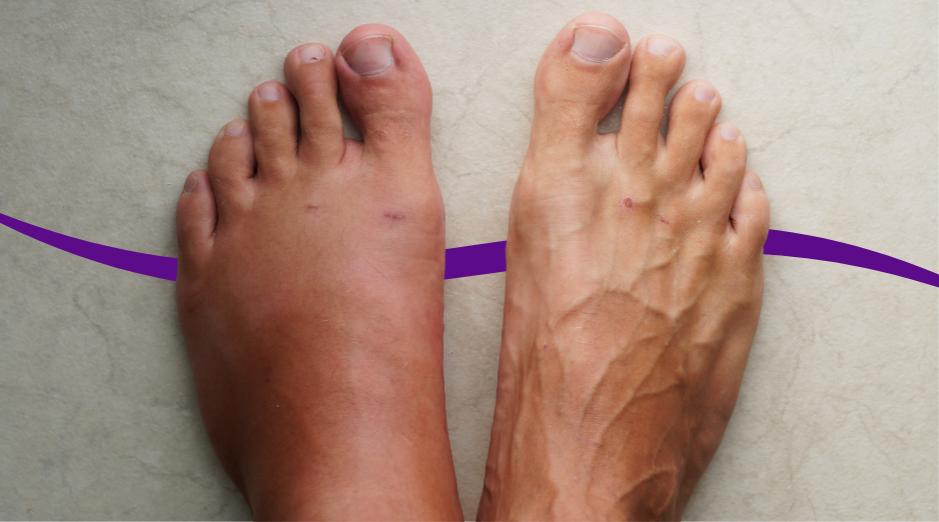
Swelling in teenagers is usually your body holding onto extra fluid or reacting to inflammation, and the most common reasons are a sprain or overuse injury, high-salt intake with hormonal shifts, or a kidney-related problem that makes you retain water. The location matters too: one ankle after sports points to injury, while puffy eyelids in the morning can point to fluid balance issues. A few targeted labs can help sort out which pattern fits you. Swelling can be embarrassing because it is visible, but it is also useful information because your body does not swell “for no reason.” Sometimes it is a simple local problem like a bruised joint, and sometimes it is your circulation or kidneys struggling to move fluid where it belongs. In this guide, you will learn how to tell normal, short-lived puffiness from swelling that deserves a same-day call, and what you can do at home while you figure it out. If you want help matching your exact pattern to likely causes, PocketMD can walk through your symptoms with you, and Vitals Vault labs can help confirm what is going on.
Why swelling happens in teenagers
Sprain or overuse inflammation
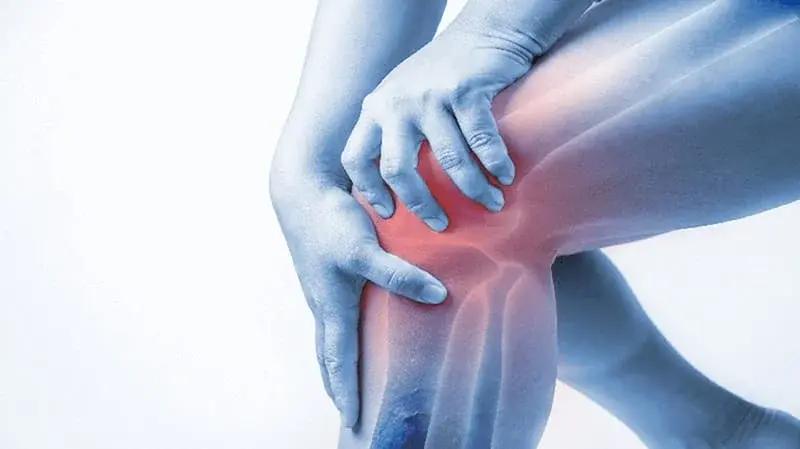
After a twist, impact, or a week of hard practices, your tissues get irritated and leaky, which lets fluid move into the area. That is why the swelling is usually one-sided and tender, and why it can feel tight when you try to bend the joint. The takeaway is simple: if it is clearly linked to an injury, treat it like an injury first, and get checked if you cannot bear weight, the pain is worsening after 48 hours, or the joint looks deformed.
Salt-driven fluid retention
Salt pulls water into your bloodstream, and your kidneys may temporarily hold onto that extra fluid, especially after fast food, packaged snacks, or sports drinks used outside of long workouts. You often notice this as puffy fingers, tighter shoes by evening, or a “full” feeling in your face the next morning. If this sounds like you, a 7-day experiment of cutting high-sodium foods and watching for improvement can be surprisingly revealing.
Kidneys leaking protein (nephrotic syndrome)
If your kidneys let protein spill into your urine, your blood cannot hold onto fluid as well, so water shifts into your tissues. This often shows up as puffy eyelids in the morning and swelling that can move to your ankles later in the day, and your urine may look unusually foamy. This is one of the patterns where labs matter quickly, because checking urine protein and blood albumin helps confirm it and speeds up the right treatment.
Low blood protein from illness or diet
Protein in your blood acts like a sponge that keeps fluid inside your blood vessels, so when it is low, swelling becomes easier. In teens, this can happen with gut inflammation that blocks absorption, chronic diarrhea, or restrictive eating that does not meet protein needs. If you are also losing weight without trying, having persistent stomach symptoms, or feeling unusually tired, it is worth asking for labs that include albumin and a kidney check rather than assuming it is “just water weight.”
Blood clot or serious infection
A sudden, painful, one-sided swollen leg can be a clot, and a hot, red, rapidly spreading swollen area can be a skin infection. These are less common in teens, but they are the ones you do not want to watch and wait on because they can worsen fast. If you have swelling with chest pain, shortness of breath, fever with a rapidly worsening red area, or one calf that is clearly bigger and tender, get urgent care the same day.
What actually helps swelling go down (and when to get help)
Use elevation and gentle compression
Swelling improves when gravity stops pulling fluid into your feet and ankles, so elevating the swollen area above heart level for 20–30 minutes can make a real difference. If the swelling is in a limb and not from an open wound or severe pain, a snug elastic wrap or compression sock can reduce that “tight balloon” feeling. It should feel supportive, not numb or tingly, so loosen it if your toes or fingers start to feel cold.
Treat injuries with smart rest
For a sprain or overuse swelling, the goal is to calm inflammation without completely deconditioning the joint. Ice for 10–15 minutes at a time can reduce pain, and switching to low-impact movement keeps stiffness from taking over. If you are still limping after a few days, or swelling returns every time you practice, a sports medicine visit is more useful than pushing through it.
Do a sodium “reset” week
If your swelling is worse after salty foods, you do not need a perfect diet, you need a clean test. For one week, skip packaged snacks, instant noodles, deli meats, and most fast food, and choose simple meals where you can control salt. If your rings fit better and your shoes feel looser by day 4–7, you have a strong clue that fluid retention is driving your symptoms.
Review meds and supplements honestly
Some medicines can cause swelling by changing how your kidneys handle salt and water or by triggering fluid shifts, and this includes some acne treatments, hormones, and anti-inflammatory pain meds used often. The pattern is usually swelling that starts after a new medication or after a dose change, and it may be worse by evening. Do not stop a prescribed medication on your own, but do bring the timing to your clinician because a switch or dose adjustment can fix it.
Get checked sooner for “face + ankles” swelling
When swelling is in your face in the morning and your ankles later, it raises the odds that the issue is systemic rather than local. That is when urine and blood tests can quickly separate “temporary retention” from kidney protein loss or low albumin. If you also have high blood pressure, dark urine, or new headaches, call for an appointment within 24–48 hours rather than waiting weeks.
Useful biomarkers to discuss with your clinician
Urine Protein
Proteinuria is a key marker of kidney disease and damage. It indicates glomerular or tubular dysfunction. Persistent proteinuria is associated with progressive kidney disease, cardiovascular disease, and increased mortality. Early detection allows intervention to slow progression. Urine protein testing detects the presence of protein, primarily albumin, in urine. Normal urine contains minimal protein; elevated levels indicate kidney damage or disease.
Learn moreAlbumin
Albumin is the most abundant protein in blood plasma, produced exclusively by the liver. In functional medicine, albumin serves as a marker of liver synthetic function, nutritional status, and overall health. Albumin maintains oncotic pressure (keeping fluid in blood vessels), transports hormones and nutrients, and serves as an antioxidant. Low albumin may indicate liver disease, malnutrition, chronic inflammation, or kidney disease. Since albumin has a half-life of about 20 days, it reflects longer-term nutriti…
Learn moreSodium
Sodium is the primary extracellular electrolyte essential for fluid balance, nerve transmission, muscle contraction, and blood pressure regulation. In functional medicine, sodium balance reflects kidney function, adrenal health, and hydration status. Low sodium (hyponatremia) can cause neurological symptoms and may indicate SIADH, adrenal insufficiency, or excessive water intake. High sodium may indicate dehydration, diabetes insipidus, or excessive salt intake. Optimal sodium levels support cellular energy prod…
Learn moreLab testing
Get kidney and protein-loss labs checked at Quest
starting from $99 panel with 100+ tests, one visit
No referral needed
About 1 week
Schedule online — results typically within a week
Clear next steps
Guidance included, with follow-up care available
HSA / FSA
Eligible for pre-tax health spending accounts
Pro Tips
Do a quick “pitting test” once a day for three days: press your thumb into the swollen shin or ankle for 5 seconds. If a dent stays for more than a few seconds, take a photo because that pattern is more consistent with fluid retention than with a joint injury.
Measure swelling the same way each time instead of guessing. A soft tape measure around the ankle bones (same spot on both sides) gives you a number you can track, and it makes your appointment much more productive.
If your face is puffy in the morning, check your urine once: if it looks very foamy like dish soap bubbles, that is a useful clue to mention because it can go with protein loss in the urine.
Try a “practice-day comparison.” If swelling spikes after training but settles on rest days, that points toward mechanical inflammation, and you can focus on footwear, training load, and recovery instead of chasing rare diseases.
Take your blood pressure at a pharmacy or with a home cuff if you can. Swelling plus higher-than-usual blood pressure is a stronger reason to get kidney-focused labs sooner rather than later.
Frequently Asked Questions
Is swelling in teenagers normal during puberty?
Mild, temporary puffiness can happen because hormones affect how your kidneys handle salt and water, especially after salty meals or poor sleep. What is not “just puberty” is swelling that is persistent, one-sided and painful, or paired with puffy eyelids every morning. If it lasts more than 1–2 weeks or keeps coming back, ask about a urine albumin-to-creatinine ratio (ACR) and a CMP.
Why is my face puffy in the morning as a teen?
Morning facial puffiness often happens when fluid shifts while you are lying down, and it can be worse after salty foods. If it is frequent and you also notice foamy urine or ankle swelling later in the day, protein loss through the kidneys becomes a bigger concern. A urine ACR and blood albumin (from a CMP) are practical first tests to discuss.
When should I worry about swollen ankles in a teenager?
Worry more if both ankles swell most days, if swelling is paired with shortness of breath, chest pain, fever, or a big jump in blood pressure. Also take one-sided swelling seriously when it is painful, warm, and clearly larger than the other side. If any of those apply, get same-day care; otherwise, book a visit within a week and track measurements so you can show the trend.
Can sports cause swelling that looks like edema?
Yes. Repetitive impact and small tissue injuries can cause local inflammation that looks like swelling, especially around ankles, knees, and shins, and it often feels sore or stiff. The key difference is that sports-related swelling usually matches the training load and improves with rest, elevation, and a gradual return. If swelling is painless, generalized, or shows up in your face too, it is worth checking for fluid retention causes.
What tests check for kidney-related swelling in teens?
A urine albumin-to-creatinine ratio (ACR) looks for protein leakage, and a comprehensive metabolic panel (CMP) checks kidney function markers and blood albumin. A CBC can add context by showing anemia or inflammation that makes kidney causes more likely. If you are seeing morning eyelid puffiness or foamy urine, ask specifically for urine protein testing rather than only a basic dipstick.
Research and guidelines worth knowing about
KDIGO 2024 Clinical Practice Guideline for the Evaluation and Management of Chronic Kidney Disease
American Academy of Pediatrics guidance on high blood pressure screening in children and adolescents (BP matters when swelling suggests kidney issues)
International Society of Nephrology overview of nephrotic syndrome in children (protein loss and swelling patterns)