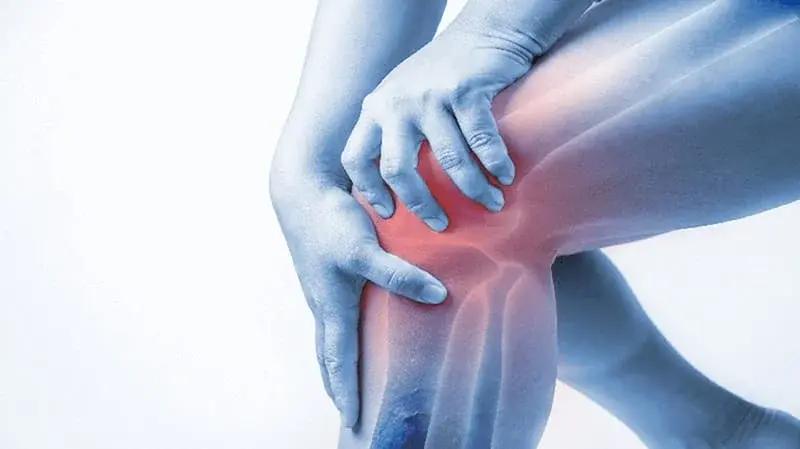
Swelling in Your 20s: What It Usually Means
Swelling in your 20s is often from fluid retention, inflammation after injury, or kidney/thyroid shifts. Targeted blood tests available—no referral needed.





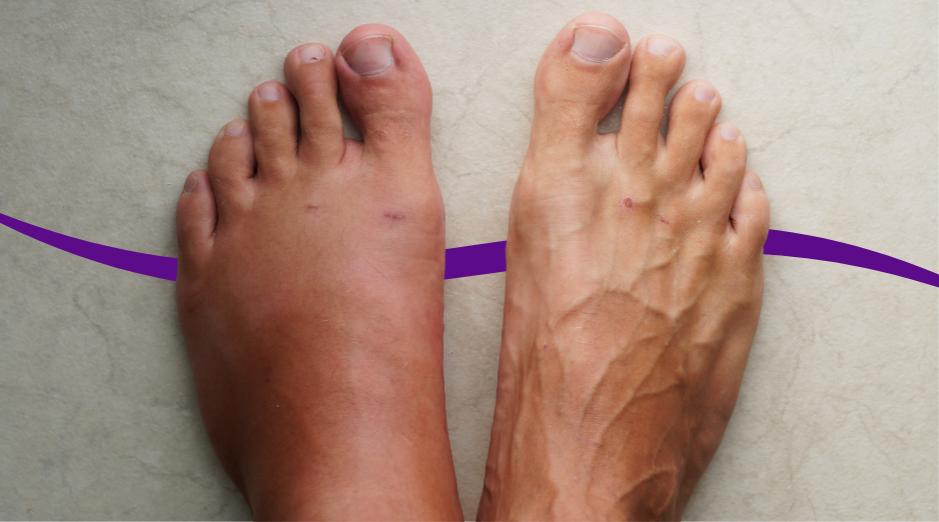
Swelling in your 20s is usually your body holding onto extra fluid, reacting to inflammation after an injury, or struggling to balance salt and water because of hormone, kidney, or thyroid changes. The location matters: puffy eyes in the morning points to different causes than one swollen ankle after a workout. A few targeted labs can help sort out whether this is “normal retention” or a sign your kidneys, thyroid, or protein levels need attention. Swelling can feel weirdly alarming because it is visible, it changes how your shoes or rings fit, and it makes you wonder if something is wrong with your heart or kidneys. Most of the time in your 20s, it is fixable and not dangerous, but there are a few red flags you should not ignore. This guide walks you through the most common patterns, what you can try at home, and which blood tests are actually useful. If you want help matching your exact pattern to the most likely cause, PocketMD can talk it through with you, and Vitals Vault labs can help you confirm what is going on.
Why swelling shows up in your 20s
Salt, carbs, and fluid shifts
If you eat salty food, drink alcohol, or swing from low-carb to high-carb, your body holds onto more water to keep your blood chemistry stable. That extra fluid often shows up as tighter rings, puffy fingers, or ankles that look “sock-marked” by evening. The takeaway is to look for a pattern over 3–5 days, because one salty meal can linger longer than you expect, especially if you are also not sleeping well.
Injury inflammation after workouts
A sprain, tendon irritation, or even a hard new training block can cause local swelling because your immune system sends fluid and proteins to repair tissue. This kind of swelling is usually one-sided and tender, and it feels worse after you have been on it all day. If the swelling is clearly tied to a specific joint or limb, treat it like an injury first, and consider getting checked if it is not improving week to week.
Hormone-related water retention
Your monthly hormone shifts can change how your kidneys handle salt, which is why swelling often peaks in the week before your period and then eases once bleeding starts. Some birth control methods can also nudge you toward fluid retention, especially if you notice breast tenderness and a rapid “puffiness” change without a true weight gain trend. A simple cycle log helps, because if swelling is predictable and cyclical, you can plan prevention instead of chasing it after it happens.
Kidneys not clearing fluid well
Your kidneys act like your body’s filter, and when they are inflamed or under strain, you can retain fluid and sometimes lose protein into your urine. People often notice puffy eyelids in the morning, swelling that is worse after lying down, or swelling that does not match how much salt they ate. If you have swelling plus foamy urine, high blood pressure, or new fatigue, that is a strong reason to get kidney labs and a urine test soon.
A blood clot in one leg
A deep vein clot (deep vein thrombosis) can block blood return from your leg, which causes sudden one-sided swelling and a heavy, tight feeling. It can happen in your 20s, especially after long travel, smoking, estrogen-containing birth control, or a recent injury. If one calf or thigh swells quickly, is painful, or looks red and warmer than the other side, treat it as urgent and get evaluated the same day.
What actually helps swelling go down
Do a 7-day salt experiment
If your swelling is mild and comes and goes, try a one-week reset where you cook most meals at home and keep restaurant and packaged foods to a minimum. The goal is not “no salt,” but consistency, because your body reacts to big swings. If swelling improves noticeably by day 4–7, you have a strong clue that sodium and fluid balance are driving it.
Use elevation the right way
Elevation works best when you get the swollen area above heart level long enough for fluid to drain back into circulation. For ankle swelling, that usually means 20–30 minutes with your legs up on pillows, not just sitting on a couch with your feet on an ottoman. If you do this after work for a few days and the swelling barely changes, it is a sign you should look beyond “gravity swelling.”
Compression for leg and ankle swelling
Graduated compression socks gently squeeze fluid out of your lower legs so it does not pool by evening. They are most helpful if your swelling is worse after standing, travel days, or long shifts, and less helpful for facial puffiness. Start with a comfortable, moderate level and put them on in the morning before swelling builds.
Treat it like an injury when it is
If swelling is localized to one joint or one ankle after activity, focus on relative rest, gentle range-of-motion, and a gradual return to load rather than trying to “flush it out.” Ice can help pain in the first 24–48 hours, but movement and smart rehab are what usually fix the underlying problem. If you cannot bear weight, you heard a pop, or swelling is dramatic, get checked for a fracture or tendon injury.
Review meds and supplements honestly
Some medications and supplements can cause swelling because they change blood vessel tone or kidney handling of salt and water. Common culprits include certain blood pressure meds, anti-inflammatories taken frequently, and hormone-based contraception, although the exact risk depends on your situation. If swelling started within weeks of a new pill, shot, or supplement, bring the timeline to your clinician so you can discuss alternatives instead of guessing.
Useful biomarkers to discuss with your clinician
Creatinine
Creatinine is a waste product of muscle metabolism that is filtered by the kidneys and serves as the primary marker of kidney function. In functional medicine, creatinine levels reflect not only kidney health but also muscle mass and protein metabolism. Elevated creatinine indicates reduced kidney filtration capacity, while very low levels may indicate muscle wasting or poor protein intake. Creatinine is used to calculate eGFR and helps assess long-term kidney health and detoxification capacity. Creatinine measu…
Learn moreHs Crp
High-sensitivity C-reactive protein (hs-CRP) is a key marker of systemic inflammation and cardiovascular risk. In functional medicine, we recognize hs-CRP as one of the most important predictors of heart disease, stroke, and metabolic dysfunction. Levels above 1.0 mg/L indicate increased inflammation that may be driven by poor diet, chronic infections, autoimmune conditions, or metabolic syndrome. Optimal levels below 0.5 mg/L are associated with the lowest cardiovascular risk and overall inflammatory burden. hs…
Learn moreUrine Protein
Proteinuria is a key marker of kidney disease and damage. It indicates glomerular or tubular dysfunction. Persistent proteinuria is associated with progressive kidney disease, cardiovascular disease, and increased mortality. Early detection allows intervention to slow progression. Urine protein testing detects the presence of protein, primarily albumin, in urine. Normal urine contains minimal protein; elevated levels indicate kidney damage or disease.
Learn moreLab testing
Get kidney function, thyroid, and albumin checked at Quest
starting from $99 panel with 100+ tests, one visit
No referral needed
About 1 week
Schedule online — results typically within a week
Clear next steps
Guidance included, with follow-up care available
HSA / FSA
Eligible for pre-tax health spending accounts
Pro Tips
Do a quick “pitting” check on your shin: press your thumb into the swollen area for 5 seconds. If it leaves a dent that slowly fills in, that is true fluid swelling, and it is more likely to be about salt, veins, kidneys, or hormones than an isolated injury.
Take two photos in the same lighting: one in the morning and one at night, and include a reference like your watch or a ring. If swelling is dramatically worse by evening, gravity and standing time are big clues, which is exactly when compression and elevation tend to help most.
If your face is puffy in the morning, weigh yourself after you pee and before you eat for 5–7 days. A rapid 2–5 lb swing that tracks with salty meals or alcohol is usually water, while a steady upward trend points to something else.
On travel days, set a timer to stand up and walk for 2–3 minutes every hour, and do 20 ankle pumps when you sit back down. It sounds small, but it is one of the simplest ways to reduce ankle swelling and lower clot risk on long flights or drives.
If one leg is more swollen than the other, measure both calves at the same spot (for example, 10 cm below the kneecap) and write the numbers down. A new difference that keeps growing is much more concerning than a vague feeling that “it looks bigger.”
Frequently Asked Questions
Is swelling in your 20s normal?
Mild, on-and-off swelling can be normal in your 20s, especially after salty meals, alcohol, long days on your feet, or the week before your period. What is not “normal” is sudden one-sided swelling, swelling with shortness of breath, or swelling that keeps progressing over weeks. If it is persistent, checking a CMP, albumin, and TSH is a practical first step.
Why are my ankles swollen at night but fine in the morning?
That pattern usually means gravity is pooling fluid in your lower legs during the day, especially if you stand or sit for long stretches. Compression socks in the morning and 20–30 minutes of true leg elevation after work often make a noticeable difference within a few days. If it is new for you or getting worse, ask about kidney function and blood pressure too.
Why is my face puffy when I wake up?
Morning facial puffiness often happens when fluid shifts toward your face while you are lying flat, and it can be amplified by high-salt dinners, alcohol, allergies, or kidney-related protein loss. If you also notice foamy urine or swelling around your eyes that is new, albumin and kidney testing (CMP plus a urine check) are worth prioritizing. Try a 3-day low-sodium dinner experiment and see if mornings look different.
When should I worry about swelling being a blood clot?
Worry about a clot when swelling is mostly on one side, comes on quickly, and is paired with pain, warmth, or redness in the calf or thigh. Risk goes up after long travel, smoking, recent injury, or estrogen-containing birth control. If this matches you, get same-day evaluation, because treatment is time-sensitive.
What blood tests help figure out swelling?
For swelling in your 20s, the most useful starters are a Comprehensive Metabolic Panel (kidney function and electrolytes), albumin (blood protein that holds fluid in your bloodstream), and TSH (thyroid signal). Abnormal results can point you toward kidney strain, low protein states, or hypothyroidism as a driver of fluid retention. If your labs are normal but swelling persists, ask your clinician about a urine protein test and a medication review.
What research says about swelling
KDIGO guideline for evaluating and managing chronic kidney disease (includes edema assessment and kidney testing approach)
ACCP antithrombotic guideline for venous thromboembolism (how DVT is assessed and treated)
AHA scientific statement on dietary sodium and cardiovascular effects (why sodium shifts can drive fluid retention)