Weight Gain in Teenagers: What It Usually Means and What to Do
Weight gain in teenagers often comes from puberty hormones, insulin resistance, or low thyroid. Targeted blood tests available at Quest—no referral needed.






Weight gain in teenagers is often a mix of normal puberty changes, shifting sleep and stress hormones, and sometimes a real medical driver like insulin resistance or an underactive thyroid. It can feel “unfair” because your body can store energy more easily even when you have not changed what you eat on purpose. Simple blood tests can help sort out whether this is mostly growth and timing, or whether something like thyroid or blood sugar regulation is pushing the scale up. Teen bodies are not small adult bodies. Your brain is still calibrating appetite signals, your muscles and bones may be growing fast, and your schedule can quietly wreck sleep, which changes hunger and cravings the next day. On top of that, mood, body image, and social pressure can make food feel like the only reliable comfort. This guide walks you through the most common causes, what actually helps in real life, and how tools like PocketMD and targeted labs through Vitals Vault can help you stop guessing and start getting answers.
Why weight gain happens in your teen years
Puberty changes how you store fuel
During puberty, your body is building bone, muscle, and reproductive tissue, and your hormones temporarily change where calories go. That can mean more fat storage for a while, even if you are active, because your body is trying to keep enough energy “in the bank.” The takeaway is timing matters: if your weight jumped during a growth spurt or within a year of major puberty changes, your goal is often steadier habits and strength-building, not extreme restriction.
Insulin runs high after meals
Insulin is the hormone that moves sugar from your blood into your cells, but when your body gets less sensitive to it, you can make more insulin to compensate. High insulin makes it easier to store fat and harder to feel satisfied, so you may notice stronger cravings, especially for carbs, and energy crashes a couple hours after eating. If you have belly weight gain, dark velvety skin in body folds, or a strong family history of type 2 diabetes, it is worth checking fasting insulin and HbA1c.
An underactive thyroid slows you down
Your thyroid is like your body’s energy dial, and when it is underactive (low thyroid [hypothyroidism]), your metabolism can slow and your body can hold onto more water and salt. You might also feel colder than everyone else, more tired, constipated, or like your workouts suddenly do not “work” the way they used to. A thyroid check is especially important if weight gain comes with fatigue and dry skin, or if autoimmune thyroid disease runs in your family.
Sleep loss shifts hunger hormones
When you do not sleep enough, your appetite signals get distorted: you feel hungrier, you crave quick energy, and your brain’s “stop eating” signal arrives later. In real life, that looks like bigger portions, more snacking late at night, and feeling like you could eat again right after dinner. If your schedule has changed, you are staying up scrolling, or you are waking up unrefreshed, sleep may be a bigger driver than you think.
Stress and emotional eating take over
Stress hormones can push your body toward storing energy, but the bigger issue is often behavioral: food becomes a reliable way to calm your nervous system. You might notice you eat fastest when you are anxious, lonely, or overwhelmed, and then feel guilty afterward, which keeps the cycle going. If this is you, the most effective “weight plan” is usually a stress plan first, because you cannot out-discipline a nervous system that feels unsafe.
What actually helps you turn it around
Build meals that keep you full
If you are gaining weight with cravings, your first move is usually to make meals more satisfying, not smaller. Aim for protein at breakfast and lunch, because it blunts the mid-afternoon crash that drives snacking, and add fiber from beans, fruit, or whole grains so your stomach stays full longer. A simple test is this: if you are hungry again within two hours, your meal probably needs more protein or fiber.
Strength training beats “more cardio”
When you add muscle, your body has more places to store sugar safely, which helps with insulin-driven weight gain. You do not need a perfect program; two to three full-body sessions a week using bodyweight, bands, or basic weights is enough to change how your body handles food. Track strength progress, not just the scale, because teens can recomposition—more muscle and less fat—without dramatic weight loss.
Fix sleep like it is treatment
For most teens, 8–10 hours is the target, and even a one-hour improvement can reduce cravings within days. Pick one anchor habit: a consistent wake time on school days, then move bedtime earlier in 15-minute steps while keeping screens out of the last 30 minutes. If you snore loudly, wake up with headaches, or feel exhausted despite enough time in bed, ask about sleep apnea, because it can drive weight gain through fatigue and appetite changes.
Use a “craving pause” script
When a craving hits, your brain is often asking for relief, not calories. Try a 10-minute pause where you drink water, walk outside, or text a friend, and then decide if you still want the food; this interrupts the automatic loop without turning it into a willpower battle. If you do eat it, plate it and sit down, because eating from a bag makes it almost impossible to notice fullness.
Treat the medical driver if present
If labs show low thyroid, treating it can improve energy and reduce water retention, which makes healthy habits feel possible again. If labs point to insulin resistance, your clinician may focus on nutrition changes first, but sometimes medication is appropriate, especially with prediabetes or polycystic ovary syndrome (PCOS). The key is not guessing: when you know the driver, you can stop blaming yourself and start targeting the right lever.
Lab tests that help explain weight gain in teenagers
Insulin
Insulin is a master metabolic hormone that regulates glucose uptake, fat storage, and numerous cellular processes. In functional medicine, fasting insulin levels are one of the earliest and most sensitive markers of metabolic dysfunction. Elevated insulin (hyperinsulinemia) often precedes diabetes by years or decades and is central to metabolic syndrome. High insulin levels promote fat storage, inflammation, and contribute to numerous chronic diseases including cardiovascular disease, PCOS, and certain cancers.…
Learn moreTSH
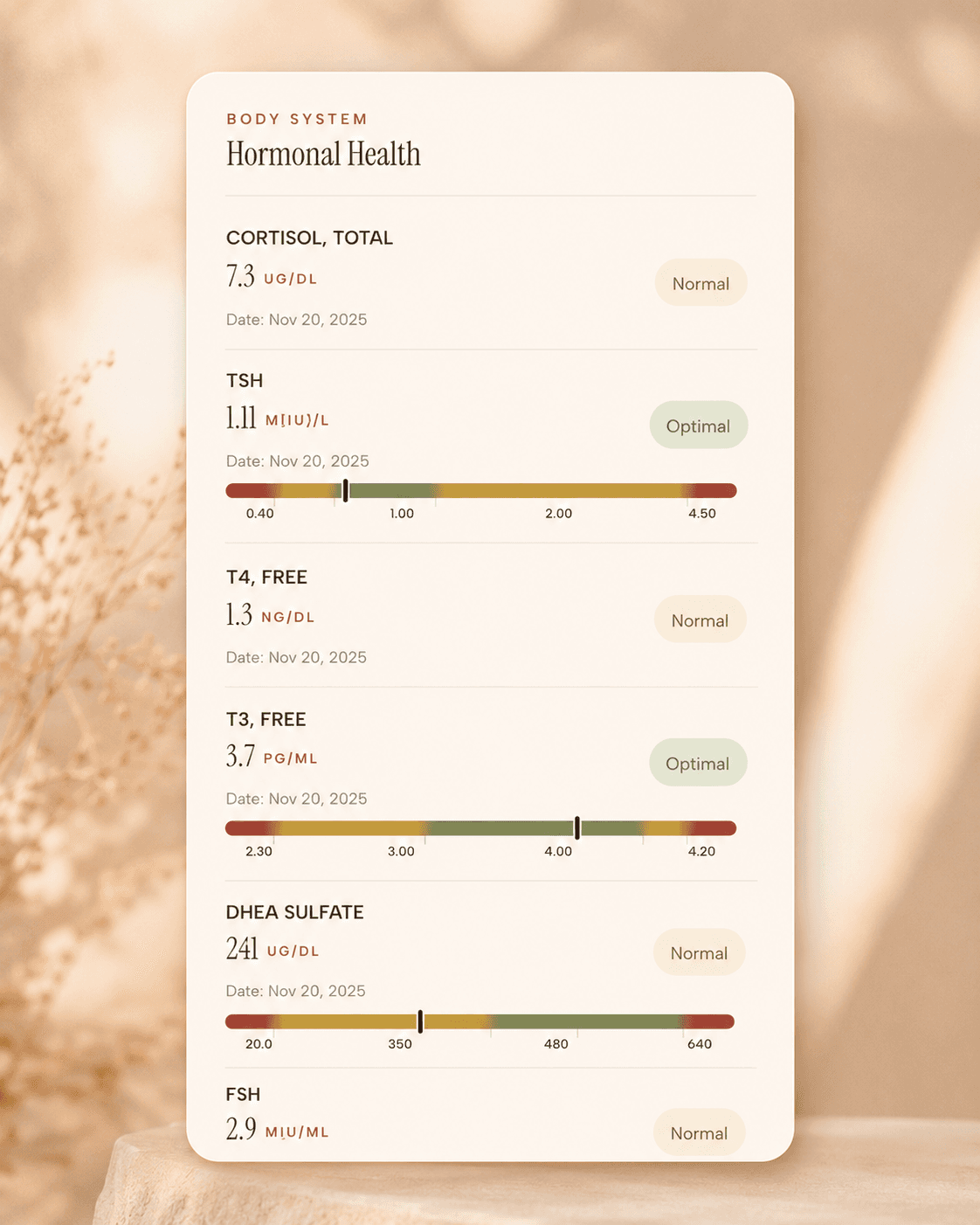
TSH is the master regulator of thyroid function, controlling the production of thyroid hormones T4 and T3. In functional medicine, we use narrower TSH ranges than conventional medicine to identify subclinical thyroid dysfunction early. Even mildly elevated TSH can indicate thyroid insufficiency, leading to fatigue, weight gain, depression, and metabolic dysfunction. TSH levels are influenced by stress, nutrient deficiencies, autoimmune conditions, and environmental toxins. Optimal TSH supports energy, metabolism…
Learn moreHemoglobin A1C
Hemoglobin A1C (HbA1c) reflects average blood glucose levels over the past 2-3 months by measuring the percentage of hemoglobin proteins that have glucose attached. In functional medicine, HbA1c is a cornerstone marker for metabolic health, insulin sensitivity, and diabetes risk assessment. Optimal levels (4.6-5.3%) indicate excellent blood sugar regulation and reduced risk of metabolic disease. Levels above 5.4% but below 5.7% suggest early metabolic dysfunction and increased cardiovascular risk, even before pr…
Learn moreLab testing
Get TSH, free T4, fasting insulin, and HbA1c checked at Quest
starting from $99 panel with 100+ tests, one visit
No referral needed
About 1 week
Schedule online — results typically within a week
Clear next steps
Guidance included, with follow-up care available
HSA / FSA
Eligible for pre-tax health spending accounts
Pro Tips
Weigh yourself at most once a week, at the same time of day, because daily swings in water and digestion can be 2–5 pounds and will mess with your head.
Try a 14-day “energy log” instead of a calorie log: write down sleep hours, stress level (1–10), and your most intense craving time, because patterns show up fast in teens.
If you drink calories, run a one-week experiment where you swap soda, juice, and fancy coffees for water or zero-sugar options, because liquid sugar barely triggers fullness.
Make your after-school snack planned and protein-forward, like yogurt or a turkey sandwich, because that is the time window when hunger plus stress creates the biggest overeating spiral.
If you suspect insulin resistance, take a 10-minute walk after dinner for a week, because post-meal movement can lower the blood sugar spike without changing what you ate.
Frequently Asked Questions
Is weight gain during puberty normal for teenagers?
Yes, some weight gain is normal because your body is building bone, muscle, and new tissue, and your hormones temporarily change fat storage. What is less “normal” is rapid gain with fatigue, feeling cold, or major appetite changes, which can point to thyroid or insulin issues. If your weight jumped quickly over a few months, consider checking TSH/free T4 and HbA1c so you are not guessing.
Why am I gaining weight even though I don’t eat more?
Two common reasons are sleep loss and insulin resistance, because both can increase hunger signals and make your body store fuel more efficiently without you noticing a big diet change. Thyroid under-function can also add water weight and reduce energy, so you move less without realizing it. A practical next step is to track sleep for a week and ask for fasting insulin plus HbA1c if cravings and crashes are part of the picture.
What thyroid levels should be checked for teen weight gain?
Ask for TSH and free T4 together, because TSH alone can miss early thyroid under-function. If symptoms are strong or thyroid disease runs in your family, many clinicians also add thyroid antibodies to look for autoimmune thyroiditis. Bring your actual numbers to the visit and ask how they fit your symptoms and trend over time.
What are signs of insulin resistance in teenagers?
You might notice belly weight gain, intense carb cravings, energy crashes after meals, or darkened velvety skin in folds like the neck or underarms. Labs that help include fasting insulin and HbA1c, because glucose can look “fine” early on while insulin is already high. If you see these signs, start with protein at breakfast and a short walk after meals while you arrange testing.
When should a teenager see a doctor for weight gain?
Go sooner if weight gain is rapid, if your periods become very irregular, or if you also have fatigue, constipation, hair thinning, or feeling unusually cold, because those can signal thyroid or hormonal issues. It is also worth checking in if weight gain comes with snoring and daytime sleepiness, since sleep apnea can drive appetite and low energy. Bring a simple timeline of when the gain started, sleep changes, and any new meds so the visit is more productive.