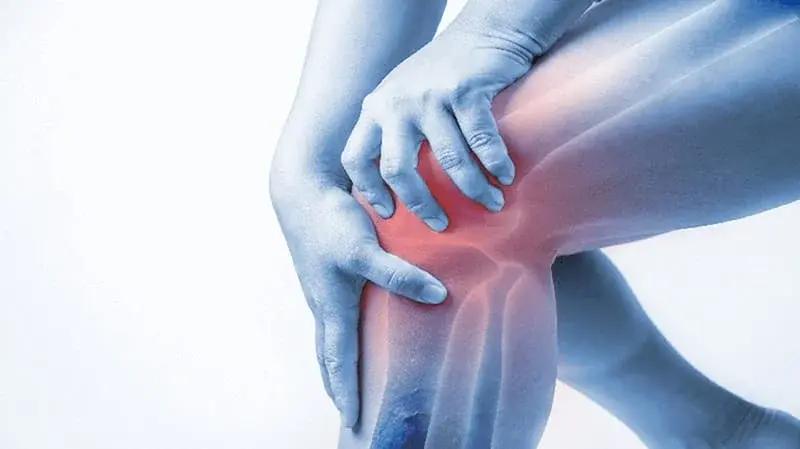
Chronic Pain in Teenagers: What It Means and What Helps
Chronic pain in teenagers often comes from inflammation, nerve sensitization, or low iron/vitamin D. Targeted labs available at Quest—no referral needed.






Chronic pain in teenagers usually comes from one of three buckets: ongoing inflammation (like an autoimmune or gut-related issue), an over-sensitized pain system (often called amplified pain), or a fixable body stressor such as low iron or low vitamin D. The right questions and a few targeted blood tests can help sort out which one fits you, so you’re not stuck guessing or bouncing between random treatments. If you’ve been hurting for months, it can mess with school, sports, sleep, and your mood in a way that makes you feel older than you are. And because pain is invisible, people sometimes assume it’s “just stress,” which is both unfair and unhelpful. The truth is that stress can turn the volume up, but it is rarely the whole story. This guide walks you through common causes, what tends to help in real life, and which labs can add clarity. If you want help connecting your exact symptoms into a plan, PocketMD can talk it through with you, and Vitals Vault labs can help you check the most relevant markers without a long wait.
Why you might have chronic pain as a teen
Amplified pain after injury or illness
Sometimes the original trigger is real — a sprain, a virus, a stressful season — but your nervous system keeps firing pain signals long after tissues should have calmed down. This is often called amplified musculoskeletal pain syndrome (AMPS), and it can feel like your body is “overreacting” to normal touch, movement, or exercise. The takeaway is hopeful: treatment focuses on retraining your pain system with graded movement and nervous-system calming, not on finding a single damaged spot.
Inflammatory or autoimmune conditions
When your immune system stays switched on, it can inflame joints, tendons, or even your gut, and that inflammation can show up as deep aching, morning stiffness, or swelling that comes and goes. Teens can develop conditions like juvenile idiopathic arthritis or inflammatory bowel disease, and they’re easy to miss if symptoms are subtle at first. If your pain is worse in the morning, improves as you move, or comes with rashes, mouth sores, or ongoing diarrhea, it’s worth asking for inflammation testing and a clinician review.
Hypermobility and overworked joints
If your joints are extra flexible, your muscles have to work harder to stabilize you, which can lead to daily soreness, frequent “tweaks,” and fatigue that makes pain feel even louder. Some teens also get headaches or stomach issues alongside hypermobility, which can make the whole picture confusing. A practical next step is a physical therapy plan focused on strength and joint control rather than stretching more, because more stretching often makes it worse.
Low iron or low vitamin D
Low iron stores can leave your muscles under-fueled and your brain foggy, which makes pain harder to tolerate and recovery slower after activity. Low vitamin D can contribute to bone and muscle aches, and it’s common if you’re indoors a lot, have darker skin, or avoid dairy. The key point is that “normal” on a basic blood count doesn’t rule this out, so checking ferritin (iron storage) and 25-OH vitamin D can uncover a fixable piece.
Sleep and mood amplifying pain signals
Poor sleep changes how your brain filters pain, so the same input feels sharper and more exhausting the next day. Anxiety and depression don’t mean your pain is fake, but they can tighten muscles, reduce activity, and trap you in a loop where your body never gets a chance to reset. If pain is paired with insomnia, panic symptoms, or feeling hopeless, treating sleep and mental health is not “extra” — it’s often one of the fastest ways to turn the volume down.
What actually helps chronic pain (without feeling dismissed)
Get a pattern, not a perfect diagnosis
Start by tracking your pain for two weeks in a way that helps decisions: where it is, what time it peaks, and what you were doing right before it flared. Patterns like morning stiffness, pain after sitting, or pain after high-intensity workouts point to different causes and different fixes. Bring that pattern to a clinician so the visit becomes problem-solving instead of retelling your whole story.
Use graded activity to retrain pain
When pain has been around for months, “rest until it’s gone” often backfires because your body deconditions and your nervous system gets even more protective. Graded activity means you pick a baseline you can do even on a bad day — like a 10-minute walk — and you increase slowly on a schedule, not based on how you feel in the moment. This approach is especially effective for amplified pain because it teaches your brain that movement is safe again.
Physical therapy that builds stability
If your pain is joint-heavy or you’re hypermobile, the goal is strength, balance, and control, not flexibility. A good plan targets hips, core, and shoulder blades, because those “anchors” reduce strain on smaller joints like knees, wrists, and ankles. Ask your therapist to give you a short home routine you can actually stick to on school days, because consistency matters more than intensity.
Treat sleep like a pain medication
You don’t need perfect sleep, but you do need predictable sleep. Aim for a steady wake time, and build a 30–45 minute wind-down that tells your brain the day is over, even if homework is stressful. If you snore loudly, wake up gasping, or feel unrefreshed no matter how long you sleep, bring it up, because sleep apnea can make pain and fatigue much worse.
Targeted meds and supplements, thoughtfully
Anti-inflammatory medicines can help when inflammation is the driver, while nerve-calming options are sometimes used when pain is amplified and widespread. Supplements only make sense when they match a problem, like iron for low ferritin or vitamin D for deficiency, because guessing can waste months. If you’re needing pain medicine most days just to function, that’s a sign to escalate the plan with a clinician rather than simply increasing doses on your own.
Useful biomarkers to discuss with your clinician
Ferritin
Ferritin is your body's iron storage protein, reflecting total iron stores in the body. In functional medicine, ferritin assessment is crucial for identifying both iron deficiency and iron overload, conditions that can significantly impact energy levels and overall health. Low ferritin is the earliest sign of iron deficiency, often occurring before anemia develops. This can cause fatigue, weakness, restless leg syndrome, and cognitive impairment. Conversely, elevated ferritin may indicate iron overload, inflamma…
Learn moreVitamin D, 25-Oh, Total
Total 25-hydroxyvitamin D represents the best measure of vitamin D status, combining both D2 and D3 forms. This is the storage form of vitamin D and reflects recent intake and synthesis. In functional medicine, total 25(OH)D is used to assess vitamin D sufficiency and guide supplementation. Optimal levels (40-80 ng/mL) are associated with reduced risk of cancer, cardiovascular disease, autoimmune conditions, and all-cause mortality. Vitamin D acts as a hormone affecting immune function, bone health, mood, and ce…
Learn moreHs Crp
High-sensitivity C-reactive protein (hs-CRP) is a key marker of systemic inflammation and cardiovascular risk. In functional medicine, we recognize hs-CRP as one of the most important predictors of heart disease, stroke, and metabolic dysfunction. Levels above 1.0 mg/L indicate increased inflammation that may be driven by poor diet, chronic infections, autoimmune conditions, or metabolic syndrome. Optimal levels below 0.5 mg/L are associated with the lowest cardiovascular risk and overall inflammatory burden. hs…
Learn moreLab testing
Check inflammation, iron stores, and vitamin D at Quest
starting from $99 panel with 100+ tests, one visit
No referral needed
About 1 week
Schedule online — results typically within a week
Clear next steps
Guidance included, with follow-up care available
HSA / FSA
Eligible for pre-tax health spending accounts
Pro Tips
Try a “baseline week” where you choose one activity you can do daily even on a flare day (like 8–12 minutes of walking), and you commit to it for seven days before you increase anything. Your nervous system responds better to consistency than to big heroic workouts.
Use a 0–10 pain score plus a function score. For example, write down whether you could sit through class, climb stairs, or practice an instrument, because function often improves before pain fully drops.
If you suspect hypermobility, do a quick self-check: if you can easily bend your thumb to your forearm or lock your knees back, bring it up at your next visit. The right PT plan is different when stability is the main issue.
When pain flares, switch to “heat then move.” Ten minutes of a warm shower or heating pad followed by gentle range-of-motion often reduces guarding better than stretching hard or staying still.
If you’re starting iron or vitamin D, set a calendar reminder to recheck labs in 8–12 weeks. You want to confirm you’re actually correcting the deficiency, not just taking pills and hoping.
Frequently Asked Questions
Is chronic pain normal in teenagers?
Chronic pain isn’t “normal,” but it is common enough that you’re not alone, and it often has treatable drivers. In teens, persistent pain is frequently linked to amplified pain patterns, hypermobility-related strain, inflammation, or deficiencies like low ferritin or low 25-OH vitamin D. If pain lasts longer than 3 months or is limiting school, sleep, or sports, it’s worth a structured evaluation and a plan.
How do I know if my teen pain is inflammation or something else?
Inflammatory pain often comes with morning stiffness that lasts 30–60 minutes, swelling, warmth, or pain that improves as you move. Non-inflammatory patterns tend to flare with activity, stress, or poor sleep and may feel widespread or “all over.” A CRP blood test can add a useful clue, and pairing it with your symptom pattern helps your clinician decide what to check next.
Can low iron cause body aches in teenagers?
Yes. Low iron stores can cause fatigue, headaches, restless legs, and muscle aches, and it can make exercise recovery feel brutal even if your hemoglobin is still normal. Ferritin is the key test because it reflects iron reserves, and many symptomatic teens feel better when ferritin is brought into a more robust range (often around 30–50 ng/mL or higher). If you supplement, recheck ferritin in about 8–12 weeks to confirm it’s rising.
What is amplified musculoskeletal pain syndrome (AMPS)?
AMPS is when your nervous system keeps amplifying pain signals, so pain continues or spreads even after an injury or illness should have healed. It can feel intense and real because it is real, but it’s driven more by pain processing than by ongoing tissue damage. Treatment usually centers on graded movement, physical therapy, and strategies that calm the stress response, so ask for a plan that targets function, not just pain scores.
When should chronic pain in a teenager be taken seriously right away?
Take it seriously sooner if you have fever, unexplained weight loss, persistent night pain that wakes you, new weakness or numbness, joint swelling that doesn’t settle, or blood in stool. Those features can point to infection, inflammatory disease, or nerve/spine problems that need prompt evaluation. If any of those are happening, contact a clinician urgently and bring a short timeline of symptoms and any recent injuries or illnesses.
Research worth knowing about
IASP clinical definition of chronic pain (pain lasting >3 months) and why it’s treated as a condition, not just a symptom
ACR guideline for juvenile idiopathic arthritis treatment, highlighting early recognition and targeted therapy for inflammatory pain
Cochrane review: exercise therapy can reduce pain and improve function in fibromyalgia, supporting graded activity approaches used in teens too