Night Sweats in Women: What They Mean and What Helps
Night sweats in women often come from hormone shifts, infections with fever, or thyroid overactivity. Targeted blood tests available—no referral needed.





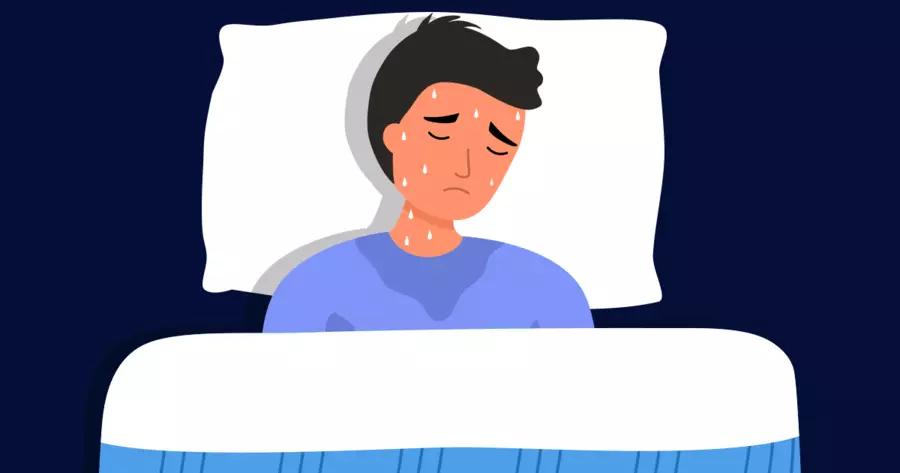
Night sweats in women are most often caused by hormone shifts (especially perimenopause and menopause), an infection that raises your core temperature, or an overactive thyroid that keeps your body “revved up” at night. The pattern matters: drenching sweats with fever feel different from heat surges that come in waves, and blood tests can help sort out which one fits you. It’s also a uniquely stressful symptom because you experience it in the dark, half-awake, and it can feel dramatic even when the cause is common. Sometimes it is as simple as a warm room or a new medication, and sometimes it’s your body waving a flag that something needs attention. This guide walks you through the most likely causes, what tends to help in real life, and which labs can make the picture clearer. If you want help matching your exact pattern to the right next step, PocketMD can talk it through with you, and Vitals Vault labs can help you confirm what’s going on.
Why you’re waking up drenched in sweat
Perimenopause and menopause hormone shifts
When estrogen starts fluctuating and trending lower, your brain’s temperature control center (hypothalamus) can become jumpy, so tiny changes trigger a “dump heat now” response. That can feel like a sudden wave of heat followed by sweating, even if your bedroom is cool. If your periods are changing, you’re getting daytime hot flashes, or you’re waking around 2–4 a.m. sweaty and wired, this is a strong contender. A follicle-stimulating hormone (FSH) test can support the story, but your symptoms and cycle history matter just as much.
Infection or inflammation with fever
If your core temperature rises overnight, your body cools itself by sweating, and you can wake up soaked with chills afterward. This pattern often comes with feeling unwell in the daytime too, like fatigue, body aches, a sore throat, urinary burning, or a cough that is not letting up. The takeaway is simple: if you also have a persistent fever, new shortness of breath, or you feel genuinely sick, treat night sweats as a “find the infection” problem rather than a comfort problem. A complete blood count (CBC) can show signs your immune system is activated, which helps guide what to check next.
Overactive thyroid (hyperthyroidism)
When your thyroid is overactive, your metabolism runs hot, which can make you sweat more and sleep lightly, even if you are exhausted. You might also notice a racing heart, shaky hands, more frequent bowel movements, or unexplained weight loss, and the sweating can feel more constant than “in waves.” This matters because thyroid-driven night sweats usually improve once your thyroid levels are treated, and the right test is straightforward. A thyroid-stimulating hormone (TSH) test is the usual first step, and a low TSH often points toward thyroid overactivity.
Sleep apnea and nighttime adrenaline surges
With sleep apnea, your airway partially closes during sleep, your oxygen dips, and your body responds with a burst of stress hormones to wake you up just enough to breathe. You may not remember waking, but your body does, and that adrenaline can trigger sweating and a pounding heart. This cause is easy to miss because you might blame the sweat for the poor sleep, when the poor breathing is actually driving both. If you snore, wake with a dry mouth, or feel unrefreshed despite “enough hours,” ask about a sleep study because treatment can change your nights fast.
Medication or alcohol effects at night
Some medications can increase sweating directly or by changing serotonin and norepinephrine signaling in your nervous system, which is why night sweats sometimes start right after a dose change. Alcohol can also cause a rebound effect: it may make you sleepy at first, but it fragments sleep later and can trigger sweating as your body metabolizes it. The practical move is to look for timing: if sweats cluster after evening drinks or after starting an antidepressant, steroid, or fever-reducer, that clue is valuable. Do not stop a prescription abruptly, but do bring the pattern to the clinician who prescribed it so they can adjust safely.
What actually helps night sweats
Cool your microclimate, not your whole house
Night sweats often come in bursts, so you get the most relief by cooling the layer right around your skin. Try breathable sleepwear, a moisture-wicking sheet, and a fan aimed across the bed rather than directly at your face, which can dry you out. If you wake drenched, changing only your top and laying a towel down can get you back to sleep faster than remaking the whole bed. The goal is fewer full awakenings, because broken sleep makes the next night worse.
Use a two-week “sweat pattern” log
Write down when you wake sweaty, how intense it was from 1–10, and what happened in the hour before bed, including alcohol, spicy food, late exercise, and stress. Also note whether the sweat came with a heat wave, chills, or a racing heart, because those details point to different causes. Most people find their top triggers within 10–14 days, which is often faster than waiting for an appointment. Bring the log to your visit so you are not trying to remember everything from a foggy 3 a.m. moment.
If it’s hormonal, treat the heat surges
For perimenopause and menopause, the best relief usually comes from either hormone therapy (when appropriate for your health history) or non-hormonal prescription options that calm the nervous system’s heat response. You do not have to “tough it out,” especially if the sweats are wrecking your sleep and mood. The key is matching the option to you, because your personal risks and goals matter. If you are unsure where you fit, start by discussing your symptoms plus your blood pressure, migraine history, and any clot or breast cancer risk factors with a clinician.
Treat possible sleep apnea if you fit
If you snore, gasp, or wake with headaches, treating sleep apnea can reduce night sweats because it removes the repeated adrenaline spikes. A sleep study can be done at home for many people, and treatment might be as simple as CPAP, a dental device, or changing sleep position. This is worth prioritizing because untreated sleep apnea also raises blood pressure and worsens insulin resistance over time. If your partner has noticed breathing pauses, that observation is a real clinical clue—use it.
Know when to escalate quickly
Night sweats deserve faster evaluation if they are new and drenching for more than two weeks, especially if you also have fever, unintentional weight loss, swollen lymph nodes, or persistent cough. Those combinations do not automatically mean something scary, but they do mean “don’t wait months.” Start with a basic exam and a CBC, and then let symptoms guide the next steps. If you feel acutely ill, seek urgent care rather than trying to troubleshoot at home.
Useful biomarkers to discuss with your clinician
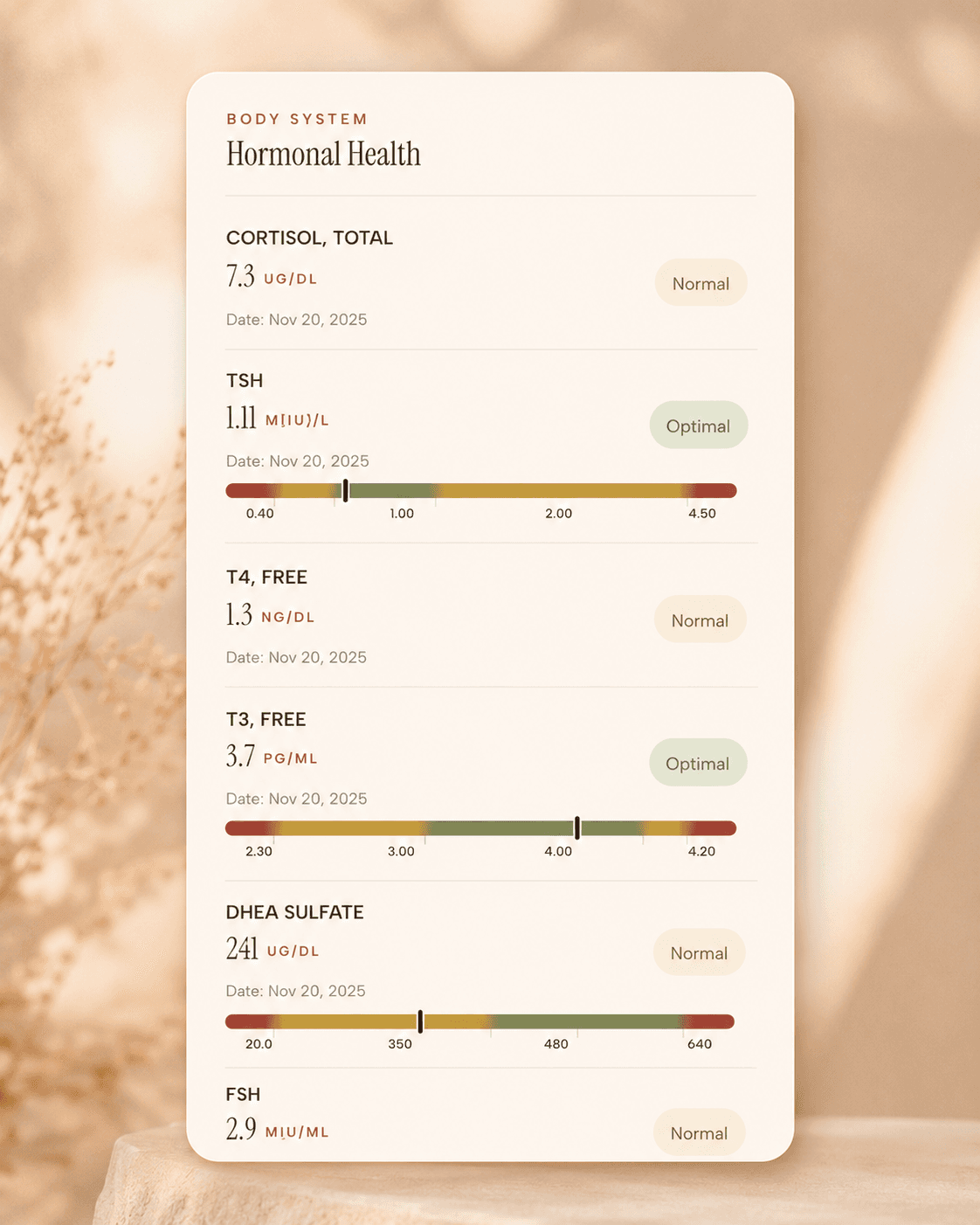
TSH
TSH is the master regulator of thyroid function, controlling the production of thyroid hormones T4 and T3. In functional medicine, we use narrower TSH ranges than conventional medicine to identify subclinical thyroid dysfunction early. Even mildly elevated TSH can indicate thyroid insufficiency, leading to fatigue, weight gain, depression, and metabolic dysfunction. TSH levels are influenced by stress, nutrient deficiencies, autoimmune conditions, and environmental toxins. Optimal TSH supports energy, metabolism…
Learn moreEstradiol
Estradiol in men is produced from testosterone via aromatase enzyme. In functional medicine, we recognize that men need optimal estradiol levels for bone health, cognitive function, and cardiovascular protection. However, excessive estradiol can suppress testosterone production and cause feminizing effects. The testosterone-to-estradiol ratio is crucial for male health, with optimal balance supporting vitality while preventing estrogen dominance. Balanced estradiol levels in men support bone health and cognitive…
Learn moreDhea Sulfate
DHEA-S levels reflect adrenal function and decline naturally with age. It's used to evaluate adrenal tumors, congenital adrenal hyperplasia, and androgen excess conditions like PCOS. Some consider it a marker of biological aging and stress resilience. DHEA-Sulfate (DHEA-S) is a hormone produced by the adrenal glands that serves as a precursor to sex hormones (testosterone and estrogen). It's the most abundant steroid hormone in the body.
Learn moreLab testing
Get TSH, CBC, and FSH checked at Quest
starting from $99 panel with 100+ tests, one visit
No referral needed
About 1 week
Schedule online — results typically within a week
Clear next steps
Guidance included, with follow-up care available
HSA / FSA
Eligible for pre-tax health spending accounts
Pro Tips
If you wake up soaked, keep a “swap kit” by the bed: a dry T-shirt, underwear, and a small towel. Changing in under a minute helps you fall back asleep before your brain fully wakes up.
Try the “cool-down sandwich” for hormonal sweats: take a lukewarm shower 60–90 minutes before bed, keep your bedroom cool, and then use a light blanket you can kick off quickly when a heat wave hits.
If you suspect alcohol is involved, do a clean 7-night experiment rather than guessing. Many people notice fewer 2–4 a.m. sweats by night three, which is strong evidence it is a trigger for you.
If you are tracking your cycle, mark nights with sweats on the same calendar. A clear luteal-phase pattern (the week or so before your period) often points toward progesterone and estrogen shifts rather than infection.
If you also wake with a racing heart, check your pulse for 30 seconds and write the number down. A consistent resting pulse that is higher than your usual baseline can be a clue for thyroid issues, sleep apnea, or medication effects.
Frequently Asked Questions
Are night sweats in women a sign of menopause?
They can be, especially if you also have daytime hot flashes, changing periods, or new sleep disruption in your 40s or early 50s. Hormone shifts can make your brain’s thermostat oversensitive, so you sweat even without a true fever. An FSH test can support the menopause-transition picture, but your symptom pattern and cycle history are just as important. If you are unsure, track symptoms for two weeks and bring the pattern to a clinician.
When should I worry about night sweats being something serious?
Take them more seriously if they are new and drenching for more than two weeks and you also have fever, unintentional weight loss, swollen lymph nodes, or a persistent cough. Those combinations do not automatically mean cancer, but they do mean you should not ignore it. A good first step is a visit plus a CBC, and then further testing based on what shows up. If you feel acutely ill or short of breath, seek urgent care.
Can thyroid problems cause night sweats in women?
Yes. An overactive thyroid can make you heat-intolerant and sweaty and can also cause a racing heart, shakiness, and lighter sleep. The screening test is TSH, and a low TSH is the result that raises suspicion for thyroid overactivity. If your symptoms fit, ask for TSH with follow-up free T4 (and sometimes T3) if TSH is abnormal.
Why do I get night sweats but no fever?
Hormonal heat surges, sleep apnea-related adrenaline spikes, and medication effects can all cause sweating without a true fever. The “feel” can help: hormonal sweats often come as a wave of heat, while sleep apnea sweats often come with a sudden wake-up, pounding heart, or morning headache. If you are not sure, take your temperature when you wake sweaty for a few nights and write it down along with what you notice. That simple data makes your next step much clearer.
What blood tests are best for night sweats in women?
A practical starting trio is TSH (thyroid screening), a CBC with differential (infection or inflammation clues), and FSH (menopause-transition support when symptoms fit). These do not cover every cause, but they help separate common buckets quickly. If results are abnormal, the next tests depend on the direction, such as free T4 for thyroid or targeted infection work-up if your CBC suggests it. If you want to act now, you can order targeted labs through Vitals Vault and review the pattern with a clinician.
Research and guidelines
North American Menopause Society (NAMS) 2023 position statement on nonhormone therapy for vasomotor symptoms
NICE guideline NG23: Menopause—diagnosis and management (covers night sweats and hot flashes)
AASM clinical practice guidance on diagnosing obstructive sleep apnea (sleep disruption linked to night sweats)