Why You Get Night Sweats During Your Period
Night sweats during period often come from progesterone shifts, low estrogen, or iron loss. Targeted blood tests available at Quest—no referral needed.





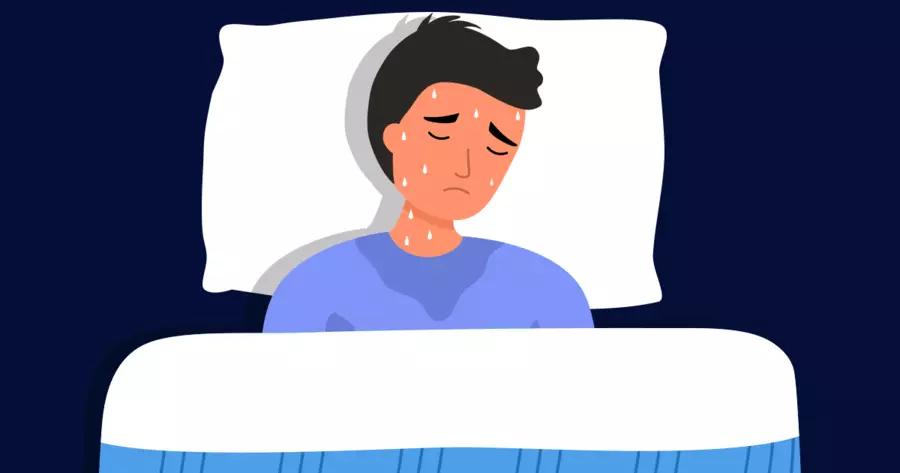
Night sweats during your period are usually driven by normal hormone swings that nudge your body temperature up, plus sleep disruption and sometimes iron loss from heavy bleeding. The most common pattern is a progesterone drop right before bleeding starts, which can make your brain’s temperature control center (hypothalamus) easier to “set off” at night. If your sweats are new, intense, or happening outside your cycle too, a few targeted labs can help sort hormone-related sweats from thyroid issues or anemia. It’s frustrating because it can feel dramatic: you wake up soaked, you change pajamas, and then you lie there wide awake wondering if something serious is going on. Most of the time it is not, but you deserve a clear way to think about it. Below you’ll see the most likely causes, what tends to help quickly, and which blood tests are actually useful. If you want help matching your exact pattern to the most likely cause, PocketMD can talk it through with you, and Vitals Vault labs can help you confirm what’s going on without guesswork.
Why you sweat more at night on your period
Progesterone drop raises body heat
In the days right before and during bleeding, progesterone falls, and that shift can slightly raise your baseline body temperature. At night, that extra “heat load” can push you into sweating even if your room feels normal. A useful clue is timing: if sweats peak the first 1–3 nights of your period and then fade, this hormone pattern is a common explanation.
Low estrogen triggers mini hot flashes
Estrogen helps stabilize your brain’s thermostat, so when estrogen dips around your period, you can get brief heat surges that feel like hot flashes but happen mostly at night. You might wake suddenly with a wave of warmth, a fast heartbeat, and damp skin, and then feel chilled afterward. If this is happening along with shorter cycles, mood swings, or new vaginal dryness, it can be an early perimenopause pattern worth tracking.
Heavy bleeding causing low iron
If your periods are heavy, you can gradually drain iron stores, and low iron can make sleep lighter and your heart work harder to deliver oxygen. That combination can make you more prone to waking sweaty, especially if you also notice fatigue, shortness of breath on stairs, or restless legs at night. The key takeaway is that “normal hemoglobin” does not always mean your iron stores are fine, so ferritin is often the test that tells the real story.
Thyroid running too fast
An overactive thyroid can make you feel overheated and sweaty because your metabolism is essentially stuck in a higher gear. People often notice more than sweating: shakiness, frequent bowel movements, unexplained weight loss, or a resting pulse that feels unusually fast. If your night sweats are not tightly tied to your cycle or you’re sweating even in cool rooms, checking TSH is a practical next step.
Infection or inflammation (less common)
Sometimes night sweats show up because your immune system is fighting something, and your body temperature is fluctuating more than you realize while you sleep. This matters because the pattern is different: sweats come with fever, chills, a new cough, burning with urination, or feeling generally unwell, and they do not reliably track your period. If you have drenching sweats plus fever, unexplained weight loss, swollen lymph nodes, or you feel seriously sick, you should get medical care promptly rather than waiting for the cycle to pass.
What actually helps you sleep drier
Use a “cool-down” sleep setup
Because the trigger is often a small temperature rise, small environment changes can make a big difference. Try breathable layers you can peel off quickly, and consider a fan aimed across (not directly at) your bed so sweat evaporates instead of pooling. If you wake up sweaty, swap to a dry top and pull the covers back for two minutes before trying to fall asleep again.
Time your heat triggers earlier
Alcohol and spicy food can widen skin blood vessels and make you dump heat at night, which is exactly what you don’t want during the first days of your period. If you suspect this is you, move those triggers to lunchtime for two cycles and see if your nights improve. That simple experiment often gives clearer answers than trying five changes at once.
Treat cramps so sleep stays deeper
Pain keeps you in lighter sleep, and lighter sleep makes you more likely to notice and wake up from normal temperature swings. If cramps are part of the picture, taking an anti-inflammatory like ibuprofen (if it’s safe for you) with food at the start of symptoms can reduce prostaglandins and help you stay asleep. The goal is not “no pain ever,” but fewer wake-ups, because fewer wake-ups usually means fewer sweat-soaked sheet changes.
Address heavy flow and iron loss
If you are soaking through pads or tampons quickly, passing large clots, or bleeding longer than a week, it’s worth treating the bleeding itself rather than only chasing the sweats. Options range from anti-inflammatory dosing during menses to hormonal contraception or a hormonal IUD, depending on your situation and goals. Pair that with ferritin-guided iron repletion when needed, because rebuilding iron stores can take weeks even after your period ends.
Talk through hormone patterns
If your sweats are paired with cycle changes, new anxiety, or hot-flash feelings, you may be in a hormone transition phase where the pattern matters more than a single day’s symptoms. A clinician can help you decide whether this looks like perimenopause, thyroid disease, medication effects, or something else, and whether hormone therapy is appropriate for you. If you want a structured way to think it through first, PocketMD can help you map your timing and symptoms into a plan for what to check next.
Useful biomarkers to discuss with your clinician
Progesterone
While primarily known as a female hormone, progesterone plays important roles in men including neuroprotection, sleep quality, and as a precursor to other hormones. In functional medicine, male progesterone assessment helps evaluate overall hormone synthesis pathways and stress response. Low progesterone in men may indicate chronic stress or adrenal dysfunction, while optimal levels support brain health and sleep quality. Progesterone in men supports neurological health, sleep quality, and serves as a building b…
Learn moreEstradiol
Estradiol in men is produced from testosterone via aromatase enzyme. In functional medicine, we recognize that men need optimal estradiol levels for bone health, cognitive function, and cardiovascular protection. However, excessive estradiol can suppress testosterone production and cause feminizing effects. The testosterone-to-estradiol ratio is crucial for male health, with optimal balance supporting vitality while preventing estrogen dominance. Balanced estradiol levels in men support bone health and cognitive…
Learn moreFerritin
Ferritin is your body's iron storage protein, reflecting total iron stores in the body. In functional medicine, ferritin assessment is crucial for identifying both iron deficiency and iron overload, conditions that can significantly impact energy levels and overall health. Low ferritin is the earliest sign of iron deficiency, often occurring before anemia develops. This can cause fatigue, weakness, restless leg syndrome, and cognitive impairment. Conversely, elevated ferritin may indicate iron overload, inflamma…
Learn moreLab testing
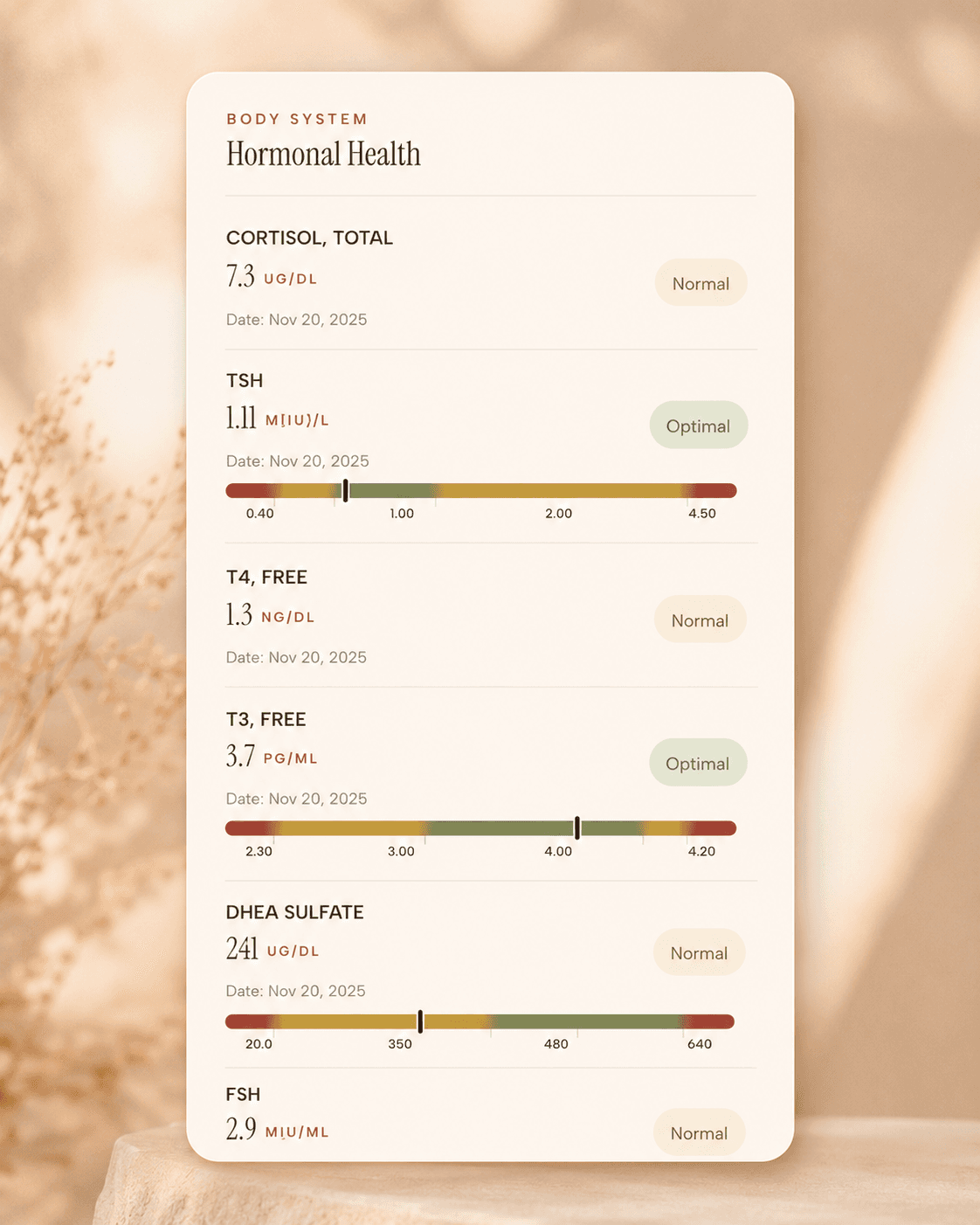
Get TSH, CBC, and ferritin checked at Quest
starting from $99 panel with 100+ tests, one visit
No referral needed
About 1 week
Schedule online — results typically within a week
Clear next steps
Guidance included, with follow-up care available
HSA / FSA
Eligible for pre-tax health spending accounts
Pro Tips
Try a two-cycle “timing map”: mark which nights you sweat, then circle day 1 of bleeding. If the worst nights cluster right before or on days 1–3, that points strongly toward hormone-driven temperature shifts rather than an infection.
Keep a spare dry T-shirt and a small towel within arm’s reach so you can change quickly without fully waking up. The faster you cool and get dry, the less likely your brain is to flip into a long, wide-awake stretch.
If you suspect heavy bleeding, do a real-world count for one period: note how often you need to change protection and whether you leak overnight. That concrete data makes it much easier to get the right evaluation and treatment.
Run a “bedroom audit” for just the first three nights of your period: lower the thermostat by 1–2°F, switch to breathable sleepwear, and skip alcohol. If sweats drop sharply, you’ve learned your threshold is small, which is good news because it’s modifiable.
If you wake hot and then chilled, add a thin cotton layer between you and the sheets. It reduces that clammy evaporative cooling feeling that can keep you shivering and awake after the sweat passes.
Frequently Asked Questions
Is it normal to have night sweats during your period?
It can be normal, especially if it happens mainly in the first few nights of bleeding when progesterone and estrogen are shifting. The pattern matters: cycle-tied sweats that come and go are usually hormonal, while sweats that happen most nights of the month deserve a closer look. If it’s new for you, tracking timing for two cycles and checking ferritin and TSH can be a practical next step.
Why do I get night sweats right before my period starts?
Right before bleeding, progesterone drops and your baseline body temperature can run a bit higher, which makes sweating more likely once you’re under blankets. Some people also get brief hot-flash-like surges when estrogen dips, so you wake suddenly hot and damp. Try lowering your bedroom temperature by 1–2°F for those nights and see if it changes the pattern.
Can low iron from heavy periods cause night sweats?
Low iron can contribute indirectly because it can cause fatigue, a higher resting heart rate, and restless legs, and all of those can fragment sleep. Fragmented sleep makes you more likely to wake up during normal temperature swings and experience them as “night sweats.” Ask for ferritin in addition to a CBC, because ferritin can be low even when hemoglobin is still in the normal range.
When should I worry about night sweats being something serious?
You should get checked promptly if you have drenching sweats plus fever, unexplained weight loss, swollen lymph nodes, or you feel generally unwell in a way that is not tied to your cycle. Those features can point toward infection or other inflammatory conditions that need evaluation. If you’re unsure, write down your temperature during an episode and seek care with that information.
What blood tests help explain night sweats during a period?
A focused starting set is TSH to screen for thyroid overactivity, a CBC to look for anemia or infection clues, and ferritin to measure iron stores after heavy bleeding. These tests do not “diagnose hormones” directly, but they often identify the fixable issues that make period-night sweats worse. If results are normal and symptoms persist, bring your cycle timing notes to a clinician to decide whether perimenopause or medication effects fit better.