Hot Flashes in Women: What They Mean and What Helps
Hot flashes in women often come from estrogen shifts, thyroid overactivity, or medication effects. Targeted labs are available—no referral needed.





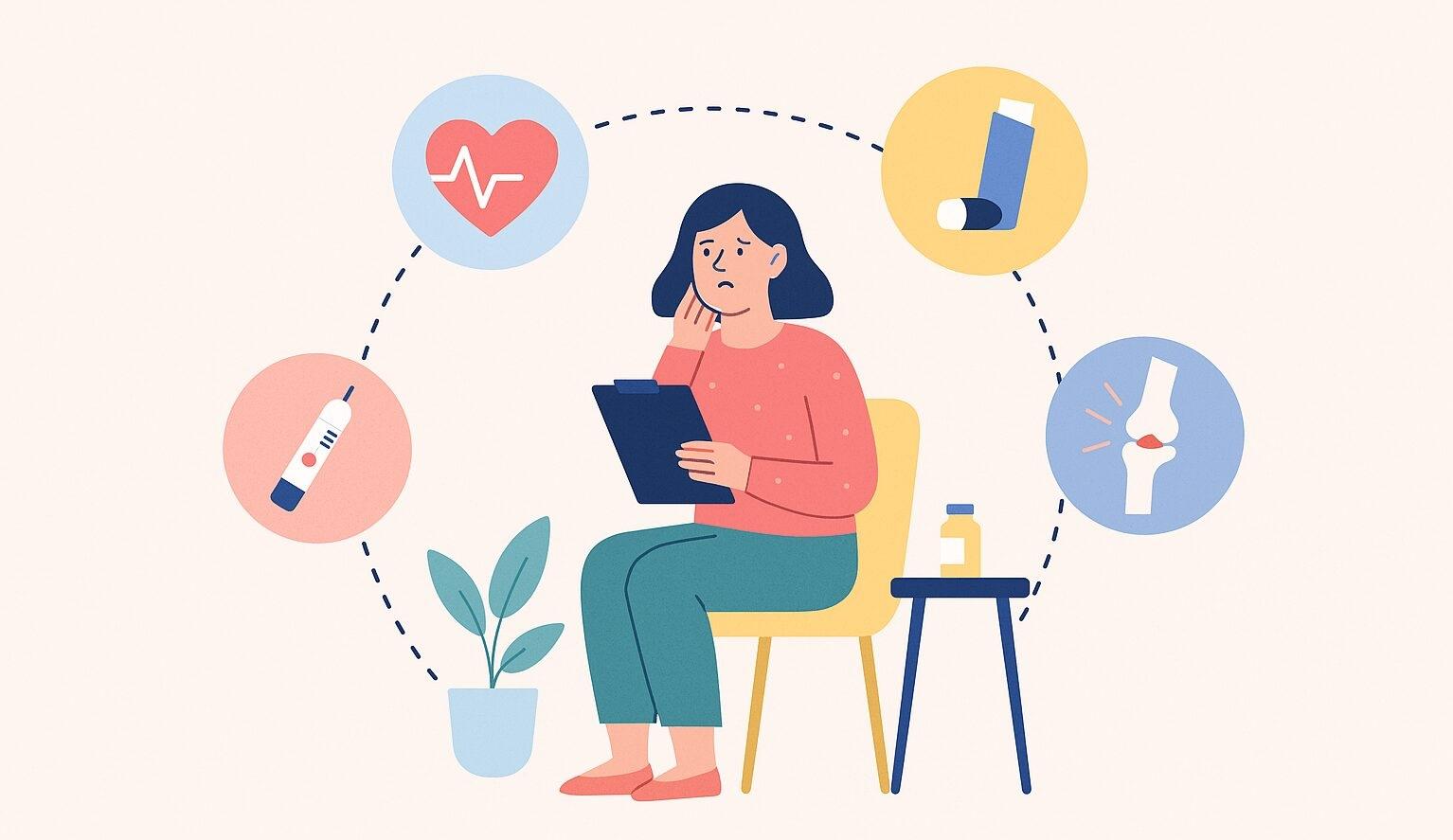
Hot flashes in women usually happen when your brain’s temperature control center (hypothalamus) becomes extra sensitive, most often from shifting estrogen during perimenopause or menopause. They can also be driven by thyroid overactivity, or by medications that affect serotonin and norepinephrine, which are chemicals involved in heat regulation. Simple blood tests can help sort out which of these is most likely for you. A hot flash is more than “feeling warm.” It can feel like a sudden internal furnace, a wave of sweating, a racing heart, and then chills afterward, and it can absolutely wreck your sleep and confidence. The tricky part is that the same sensation can come from different pathways, so the best plan depends on your age, cycle pattern, meds, and whether symptoms show up mostly at night. If you want help connecting your specific pattern to the most likely cause, PocketMD can talk it through with you, and Vitals Vault labs can help you check the key numbers without a referral.
Why You Get Hot Flashes as a Woman
Estrogen swings in perimenopause
In perimenopause, estrogen does not just “decline” — it can swing up and down, and those swings make your brain’s thermostat react to tiny changes as if you are overheating. That is why a warm room, a glass of wine, or even a stressful email can suddenly trigger a full-body flush. If your periods have become less predictable or your sleep is getting lighter, this cause jumps higher on the list, and checking FSH and estradiol can add clarity.
Low estrogen after menopause
After menopause, estrogen tends to stay low, and your temperature set point narrows, which means your body flips into cooling mode quickly. You feel it as a sudden heat surge, sweating, and then a cold, damp “comedown.” If hot flashes started within a few years of your last period and are disrupting sleep, it is worth discussing whether hormone therapy is appropriate for you, especially if you are otherwise healthy and under 60.
Thyroid running too fast
An overactive thyroid (hyperthyroidism) speeds up your metabolism, so you generate more internal heat and your heart may feel like it is revving. This can mimic hot flashes, but it often comes with new anxiety, shakiness, frequent bowel movements, or unexplained weight loss. A TSH test is the quickest screen, and if it is low, your clinician usually follows up with free T4 and sometimes T3 to confirm what is going on.
Medication or hormone treatment effects
Some antidepressants, stimulants, steroids, and even opioid withdrawal can trigger flushing because they nudge the same brain chemicals that influence sweating and blood vessel widening. Hormone treatments can do it too, especially if doses change or if you are on therapies that block estrogen after breast cancer. If your hot flashes started within weeks of a new medication or a dose change, do not just “push through” — ask whether timing, dose, or an alternative could reduce the episodes.
Blood sugar dips and adrenaline surges
When your blood sugar drops, your body releases adrenaline to rescue it, and that adrenaline can feel like a hot flash with a pounding heart and sudden sweat. This pattern is common if flashes cluster late morning, mid-afternoon, or after alcohol, and you may notice you feel better soon after eating. A simple experiment helps: pair carbs with protein and fiber at meals for a week and see whether the intensity and frequency drop.
What Actually Helps With Hot Flashes
Target your triggers with a short log
Hot flashes feel random until you track them in a way your brain can actually use. For two weeks, note the time, intensity from 1–10, and what happened in the 30 minutes before, because that window often reveals the trigger. Once you spot your top two patterns, you can make one change at a time and see a real difference instead of guessing.
Cooling strategies that work at night
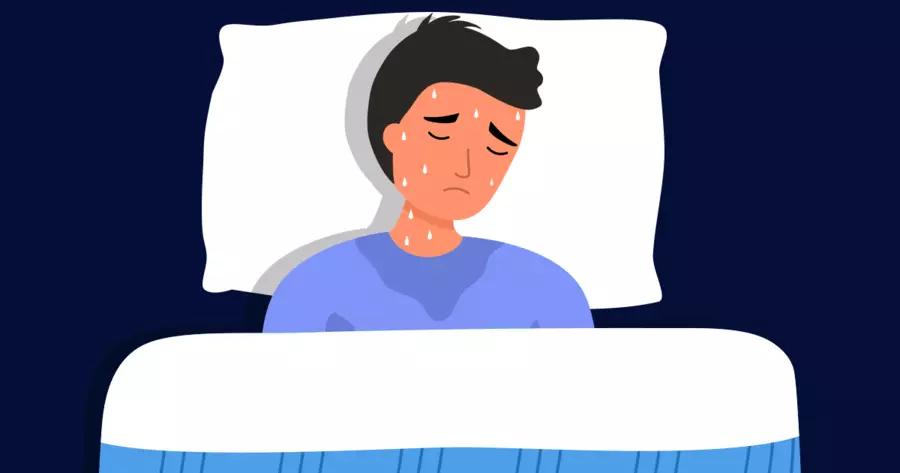
Night flashes are brutal because you wake up drenched and then get chilled, which keeps you up. Try a layered approach: a breathable base layer, a light blanket you can kick off fast, and a bedside fan aimed across your body rather than at your face. If you wake with a surge, slow breathing for one minute can blunt the adrenaline spike and help you fall back asleep sooner.
Hormone therapy when it fits you
Menopausal hormone therapy can be the most effective option for moderate to severe hot flashes, especially within 10 years of menopause and before age 60. Transdermal estrogen (patch or gel) tends to have a lower clot risk than pills for many women, and progesterone is added if you still have a uterus to protect the lining. This is a risk–benefit decision, so bring your personal history to the conversation rather than relying on one-size-fits-all advice.
Nonhormonal prescriptions for hot flashes
If you cannot use hormones, there are nonhormonal options that can meaningfully reduce hot flashes, including certain SSRIs/SNRIs, gabapentin, and the newer neurokinin-3 receptor blockers. These work through brain signaling rather than estrogen, which is why they are often used for breast cancer survivors or women with clot risk. The practical tip is to start low and titrate, because side effects like sleepiness or nausea are often dose-related.
Alcohol and caffeine: adjust the timing
You do not always have to quit, but timing matters because both alcohol and caffeine can widen blood vessels and fragment sleep, which makes flashes more likely and more intense. If your worst episodes are at night, try moving caffeine earlier and keeping alcohol to earlier in the evening for two weeks. You are looking for a noticeable drop in night sweats and fewer 3 a.m. wake-ups, not perfection.
Useful biomarkers to discuss with your clinician
Estradiol
Estradiol in men is produced from testosterone via aromatase enzyme. In functional medicine, we recognize that men need optimal estradiol levels for bone health, cognitive function, and cardiovascular protection. However, excessive estradiol can suppress testosterone production and cause feminizing effects. The testosterone-to-estradiol ratio is crucial for male health, with optimal balance supporting vitality while preventing estrogen dominance. Balanced estradiol levels in men support bone health and cognitive…
Learn moreTSH
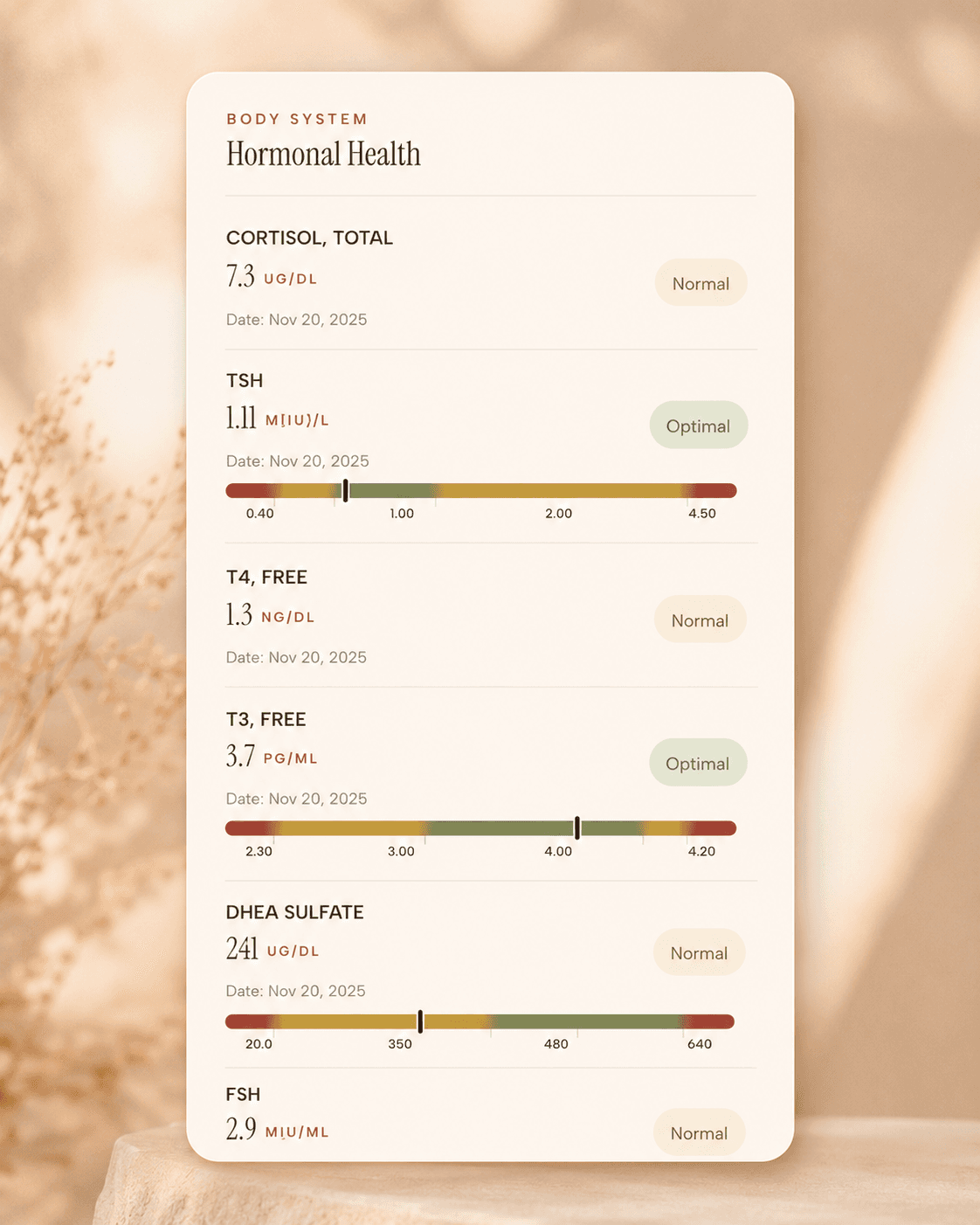
TSH is the master regulator of thyroid function, controlling the production of thyroid hormones T4 and T3. In functional medicine, we use narrower TSH ranges than conventional medicine to identify subclinical thyroid dysfunction early. Even mildly elevated TSH can indicate thyroid insufficiency, leading to fatigue, weight gain, depression, and metabolic dysfunction. TSH levels are influenced by stress, nutrient deficiencies, autoimmune conditions, and environmental toxins. Optimal TSH supports energy, metabolism…
Learn moreDhea Sulfate
DHEA-S levels reflect adrenal function and decline naturally with age. It's used to evaluate adrenal tumors, congenital adrenal hyperplasia, and androgen excess conditions like PCOS. Some consider it a marker of biological aging and stress resilience. DHEA-Sulfate (DHEA-S) is a hormone produced by the adrenal glands that serves as a precursor to sex hormones (testosterone and estrogen). It's the most abundant steroid hormone in the body.
Learn moreLab testing
Get TSH, FSH, and estradiol checked at Quest
starting from $99 panel with 100+ tests, one visit
No referral needed
About 1 week
Schedule online — results typically within a week
Clear next steps
Guidance included, with follow-up care available
HSA / FSA
Eligible for pre-tax health spending accounts
Pro Tips
Do a 14-day “flash log” that is simple enough to keep: write the time, rate it 1–10, and note the one thing that most stood out in the 30 minutes before (stress, wine, spicy food, a hot shower, a meeting). Patterns show up faster than you think.
If your worst flashes are at night, set up a “reset kit” by the bed: a spare dry shirt, a towel, and a glass of water. Changing quickly prevents the cold, clammy phase from keeping you awake for an extra hour.
Try paced breathing when you feel the wave start: inhale for 4 seconds, exhale for 6 seconds, and repeat for 1–2 minutes. It sounds small, but it can reduce the adrenaline surge that makes the flush feel panicky.
If you suspect blood sugar dips, test a structured snack for a week: something like Greek yogurt or nuts plus fruit in the mid-afternoon. If flashes and irritability ease, you have a lever you can actually pull.
When you are considering hormone therapy, write down your top three goals (sleep, work comfort, intimacy, mood) and your top three worries (clots, breast cancer history, bleeding). That list makes the appointment far more productive and personalized.
Frequently Asked Questions
Are hot flashes always menopause?
No. Menopause and perimenopause are the most common reasons, but thyroid overactivity, medication effects, and blood sugar dips can create the same heat-and-sweat pattern. If your hot flashes start suddenly without any cycle changes, or you also have shakiness, weight loss, or a persistent racing heart, ask for a TSH test and a medication review.
What’s the difference between a hot flash and a night sweat?
A hot flash is the sudden heat surge that can happen any time, while a night sweat is essentially a hot flash that happens during sleep and leaves you drenched. Night sweats are more likely to disrupt deep sleep, which can make the next day feel anxious and foggy. If night sweats are frequent, focus on sleep-friendly cooling strategies and consider checking TSH and hormone markers if the pattern is new.
Can anxiety cause hot flashes?
Anxiety can trigger a rush of adrenaline that feels like a hot flash, especially if you get chest tightness, tingling, or a sense of dread right before the heat hits. But anxiety can also be a downstream effect of hormone shifts and poor sleep, so it is not always the “root cause.” If you are unsure, track whether episodes start with worry first or with heat first, and bring that pattern to a clinician or PocketMD.
What blood tests help figure out hot flashes?
TSH helps screen for thyroid-driven heat intolerance, while estradiol and FSH help clarify whether you are in the menopause transition or postmenopausal low estrogen. These tests are most useful when interpreted alongside your age, cycle pattern, and symptoms rather than as standalone numbers. If you get results, write down the date of your last period and any hormone or thyroid medications you take before you review them.
When should I worry about hot flashes and see a doctor quickly?
Get checked promptly if hot flashes come with chest pain, fainting, severe shortness of breath, or a persistent resting heart rate that feels unusually fast for you. Also reach out if you have fever, unintentional weight loss, or drenching sweats that are new and not clearly tied to menopause, because infections and thyroid disease can look similar. If symptoms are mainly quality-of-life issues, you still deserve help, so schedule a visit to discuss treatment options that match your risks and goals.