Night Sweats in Men: What They Mean and What Helps
Night sweats in men often come from low testosterone, sleep apnea, or infection. Use targeted labs and next steps—no referral needed at Quest.





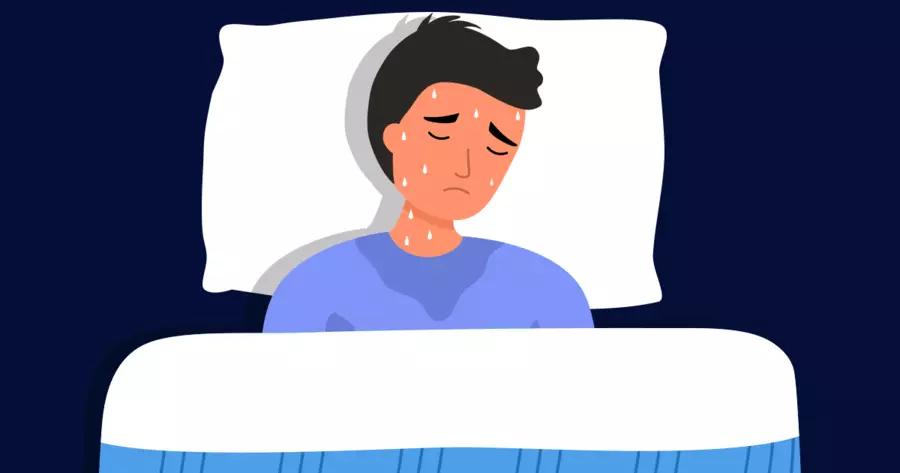
Night sweats in men are most often caused by sleep-disrupting breathing problems like sleep apnea, hormone shifts such as low testosterone, or your body running “hot” from infection or inflammation. The pattern matters: drenching sweats with fever and weight loss is a different problem than sweating only after alcohol or during stressful weeks. A few targeted blood tests can help narrow down which bucket you’re in so you’re not guessing. Waking up soaked is miserable, and it can also be scary because your mind jumps to the worst-case scenarios. The truth is that serious causes exist, but they are not the most common. This page will help you sort “likely and fixable” from “needs a closer look,” and it will give you practical steps you can try right away. If you want help thinking through your specific pattern, PocketMD can walk you through the right questions, and VitalsVault labs can help you check the most relevant markers without turning this into a months-long appointment hunt.
Why you might be sweating at night
Sleep apnea and adrenaline surges
If your airway narrows during sleep, your oxygen dips and your body jolts you awake just enough to breathe again. That stress response releases adrenaline, which can make you sweat even if your room is cool. A clue is loud snoring, waking up gasping, morning headaches, or feeling unrefreshed even after a full night—if that sounds like you, a sleep study is often the most direct fix.
Low testosterone affecting temperature control
When testosterone is low, your brain’s thermostat can become more sensitive, which can feel a lot like hot flashes—sudden heat, sweating, and then chills. You might also notice lower libido, fewer morning erections, or a dip in strength and mood. The key takeaway is timing: testosterone should be checked in the morning, and a repeat test is usually needed before anyone labels it “low” or treats it.
Infection or inflammation running hot
Sweating is one of the ways your body dumps heat when your immune system is activated, even if you do not spike a dramatic fever. Night sweats that come with new fatigue, body aches, a persistent cough, or recent travel deserve a closer look because infections like tuberculosis can present this way. If you also have shaking chills, shortness of breath, or you feel seriously unwell, don’t wait it out—get urgent care.
Thyroid overactivity (hyperthyroidism)
If your thyroid is overactive, your metabolism speeds up and your body generates more heat all day, which can spill into night sweating. It often comes with a racing heart, tremor, looser stools, or unexplained weight loss even when you are eating normally. Because the symptoms can mimic anxiety, a simple TSH blood test can be a fast way to confirm whether your thyroid is part of the story.
Medications, alcohol, and withdrawal effects
Some medicines change how your brain regulates temperature or how deeply you sleep, which can trigger sweating as you cycle through lighter sleep stages. Antidepressants, steroids, and fever-reducers taken at night are common culprits, and alcohol can cause a “rebound” stress response a few hours after you fall asleep. A practical move is to review anything new from the last 4–6 weeks and note whether the sweating clusters on nights you drink or take a dose later than usual.
What actually helps night sweats (and when to get checked)
Change your sleep environment strategically
A colder room helps, but the bigger win is reducing heat trapped next to your skin. Try breathable sheets, a lighter duvet, and moisture-wicking sleepwear, and keep a spare T-shirt and towel within reach so you can reset quickly without fully waking up. If you wake at the same time nightly, pre-cooling the bedroom 30–60 minutes before bed can blunt that predictable sweat window.
Test for sleep apnea if you snore
If your night sweats come with snoring or daytime sleepiness, treating sleep apnea can stop the sweating at the source by preventing those adrenaline spikes. Many people notice improvement within days to weeks once therapy is dialed in, whether that is CPAP, a dental device, or weight and position changes. Start by recording a short audio clip of your snoring or breathing pauses—bringing that to a clinician makes the conversation much faster.
Adjust alcohol and late-night eating
Alcohol can make you fall asleep faster, but it fragments sleep later in the night and can trigger sweating as your body metabolizes it. Heavy or spicy meals close to bedtime can also raise your core temperature and worsen reflux, which wakes you up and makes sweating more likely. For two weeks, try moving your last drink and your last full meal at least 3 hours before bed and see if the “drenching” nights drop.
Review medications with a clear plan
If sweating started after a new prescription or dose change, you do not have to just tolerate it. Ask specifically whether your medication is known to cause night sweats and whether timing, a slower titration, or an alternative could work for you. Do not stop antidepressants or steroids abruptly, though, because withdrawal itself can cause sweating and insomnia.
Use labs to avoid months of guessing
Night sweats are one of those symptoms where your story matters, but a few labs can quickly rule in or rule out common drivers. Checking inflammation, thyroid function, and morning testosterone can point you toward the right next step—sleep testing, infection workup, or hormone evaluation—without spiraling into every rare diagnosis. If your sweats are soaking the sheets several nights a week for more than 2–3 weeks, that is a reasonable threshold to get checked.
Useful biomarkers to discuss with your clinician
Testosterone, Total, Ms
Total testosterone is the primary male sex hormone responsible for muscle mass, bone density, libido, energy levels, and cognitive function. In functional medicine, we recognize testosterone as a key marker of vitality and aging. Low testosterone (hypogonadism) affects up to 40% of men over 45 and is linked to metabolic syndrome, cardiovascular disease, depression, and reduced quality of life. Optimal testosterone levels support healthy body composition, sexual function, motivation, and overall masculine vitalit…
Learn moreTSH
TSH is the master regulator of thyroid function, controlling the production of thyroid hormones T4 and T3. In functional medicine, we use narrower TSH ranges than conventional medicine to identify subclinical thyroid dysfunction early. Even mildly elevated TSH can indicate thyroid insufficiency, leading to fatigue, weight gain, depression, and metabolic dysfunction. TSH levels are influenced by stress, nutrient deficiencies, autoimmune conditions, and environmental toxins. Optimal TSH supports energy, metabolism…
Learn moreWhite Blood Cell Count
White blood cell count (WBC) measures the total number of immune cells and is fundamental for assessing immune system health. In functional medicine, WBC count reflects immune system activity, infection status, and overall health resilience. Low WBC may indicate immunosuppression, nutritional deficiencies, or bone marrow dysfunction. High WBC suggests infection, inflammation, stress, or hematologic conditions. The WBC differential provides detailed information about specific immune cell types and their functions…
Learn moreLab testing
Check inflammation, thyroid function, and testosterone at Quest
starting from $99 panel with 100+ tests, one visit
No referral needed
About 1 week
Schedule online — results typically within a week
Clear next steps
Guidance included, with follow-up care available
HSA / FSA
Eligible for pre-tax health spending accounts

Pro Tips
Do a 10-night pattern check: write down the time you woke up sweating, how soaked you were (1–10), and whether you drank alcohol, ate late, or took any meds after dinner. Patterns show up faster than you’d think, and they often point to one main driver.
If you suspect sleep apnea, try the “back-to-side” experiment for one week by using a body pillow or a backpack-style positional aid to keep you off your back. If sweating and awakenings improve noticeably, that is useful evidence to bring to a sleep evaluation.
Set a “cool-down runway” for 60 minutes before bed: hot shower earlier, then a cooler rinse at the end, and keep lights low. You are trying to lower your core temperature before your body hits deep sleep, which is when sweats often break through.
Keep a spare fitted sheet and T-shirt layered on your side of the bed so you can strip off one layer quickly. The goal is to avoid a full wake-up, because once you are fully alert, it is much harder to fall back asleep.
If you are checking testosterone, protect the result by sleeping as well as you can for 2–3 nights beforehand and drawing the lab between about 7–10 a.m. Poor sleep can temporarily lower testosterone, which can send you down the wrong path.
Frequently Asked Questions
Are night sweats in men a sign of cancer?
Most night sweats in men are not cancer, and they are more often tied to sleep apnea, medications, alcohol, or hormone and thyroid issues. That said, drenching sweats combined with unexplained weight loss, persistent fevers, or enlarged lymph nodes deserves prompt medical evaluation. If you have those red flags, book an in-person visit rather than trying to self-triage.
What’s the difference between night sweats and just being too hot?
If you are simply too warm, you usually sweat lightly and feel better as soon as you remove a blanket or lower the thermostat. True night sweats tend to be out of proportion to the room temperature, and you may need to change clothes or sheets. If it happens repeatedly in a cool room, it is worth looking for triggers like alcohol, new meds, sleep apnea symptoms, or infection signs.
Can low testosterone cause night sweats in men?
Yes. Low testosterone can make your temperature regulation less stable, which can feel like hot flashes with sweating and then chills, especially at night. The most useful first step is a morning total testosterone blood test, and it is often repeated to confirm because sleep and illness can temporarily lower it. If your result is consistently low and you have symptoms, discuss next-step testing and options with a clinician.
Why do I wake up sweating at 3 a.m. every night?
A consistent time can point to sleep-stage changes, alcohol “rebound” as your body metabolizes it, or breathing events from sleep apnea that cluster later in the night. It can also happen when reflux wakes you up after a late meal. Try moving your last drink and meal at least 3 hours earlier for two weeks, and if you snore or wake up gasping, ask about a sleep study.
What blood tests should I get for night sweats?
A focused starting set is CRP to look for inflammation, TSH to screen for an overactive thyroid, and a morning total testosterone if you have low-libido or hot-flash-like symptoms. Abnormal results do not diagnose everything, but they help aim the next step so you are not guessing. If your sweats are drenching and persistent for more than 2–3 weeks, getting these checked is a reasonable move.