Poor Sleep in Women: Why It Happens and What Actually Helps
Poor sleep in women often comes from hormone shifts, stress-driven hyperarousal, or iron and thyroid issues. Targeted labs available—no referral needed.






Poor sleep in women is usually driven by a few repeat culprits: hormone shifts that change your sleep depth, a stressed “on-alert” nervous system that won’t power down, or a medical issue like low iron or thyroid imbalance that keeps your body revved up at night. The fastest way to stop guessing is to match your pattern and symptoms to the most likely cause, and use targeted labs when the story fits. If you are lying awake at 2 a.m. thinking “why can’t I just sleep like a normal person,” you are not alone, and you are not broken. Women’s sleep is more likely to be disrupted by menstrual cycle changes, pregnancy and postpartum shifts, perimenopause, and caregiving stress, and those factors can stack on top of work pressure and screen-heavy evenings. This page walks you through the most common reasons your sleep is falling apart, what tends to help in real life, and which blood tests can clarify what your body is doing. If you want help sorting your specific pattern, PocketMD can talk it through with you, and VitalsVault labs can help confirm (or rule out) a few common medical contributors.
Why poor sleep hits women differently
Hormone shifts lighten your sleep
When estrogen and progesterone swing — during your cycle, postpartum, or perimenopause — your brain’s sleep architecture can shift toward lighter, more easily interrupted sleep. That can feel like you are “sleeping” but never getting restored, or like you wake up from every tiny sound. A useful clue is timing: if your sleep worsens in the late luteal phase, after birth, or in your 40s with new night sweats, hormones are likely part of the story.
Stress keeps your body on guard
Insomnia often becomes a state of hyperarousal, meaning your stress system stays activated even when you are exhausted. You might feel wired-but-tired, notice a racing mind the moment your head hits the pillow, or wake up at 3 a.m. with your heart thumping. The takeaway is that more “trying” usually backfires, so the most effective fixes focus on retraining your sleep drive and lowering the threat signal your brain has attached to bedtime.
Low iron drains nighttime calm
Low iron stores can make sleep fragile because your brain and muscles rely on iron for dopamine signaling and oxygen handling, which affects restlessness and sleep continuity. This can show up as frequent waking, restless legs sensations, or feeling oddly alert at night despite fatigue during the day. If you have heavy periods, are postpartum, or avoid red meat, checking ferritin is often more informative than a basic hemoglobin alone.
Thyroid imbalance disrupts sleep rhythm
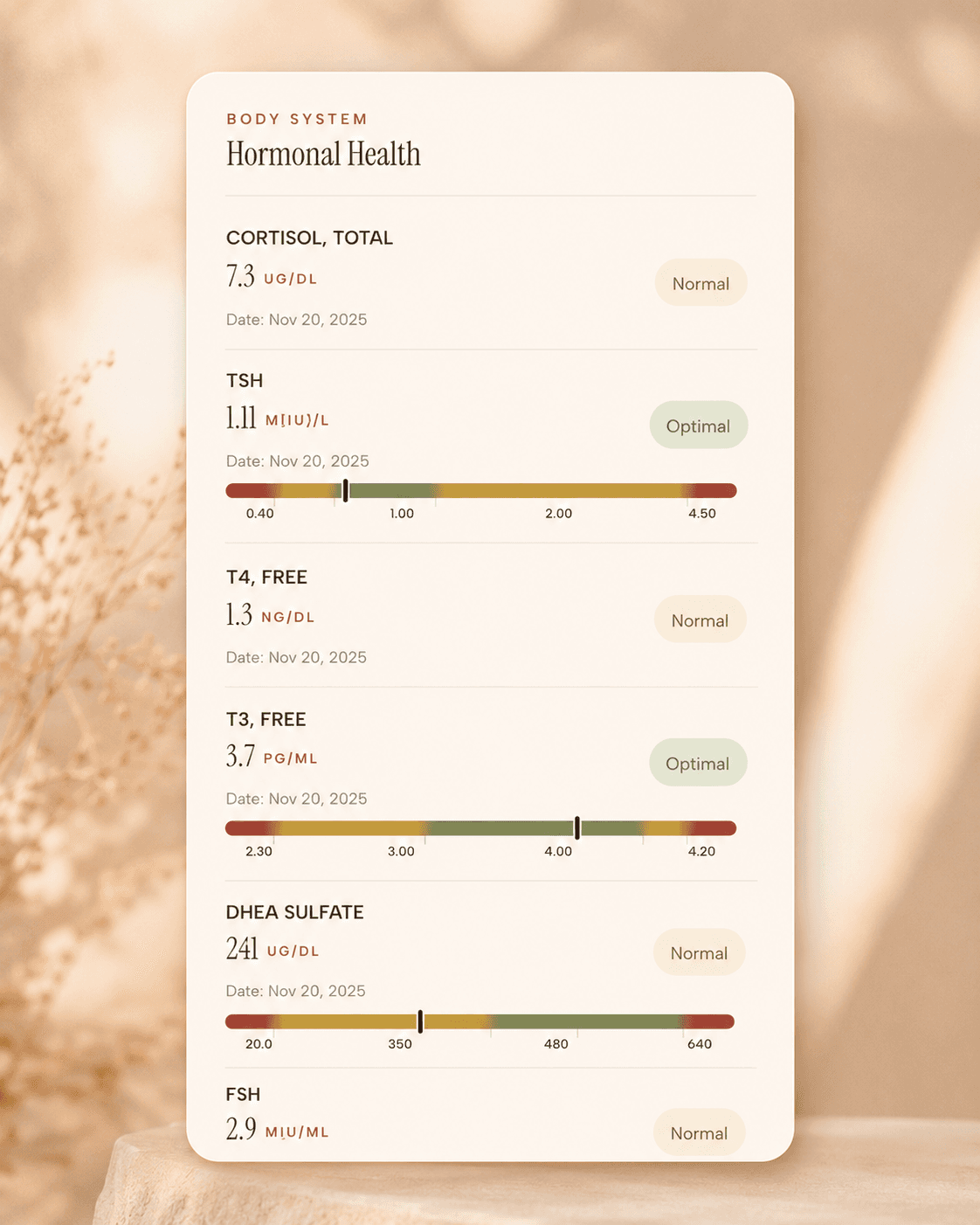
If your thyroid is overactive, your metabolism runs too hot, which can feel like internal jitteriness, heat intolerance, and waking too early. If it is underactive, you can still sleep poorly because of low mood, aches, and a circadian rhythm that drifts later, plus unrefreshing sleep. If poor sleep comes with new palpitations, tremor, unexplained weight change, or hair shedding, a TSH test is a practical next step.
Breathing issues fragment your sleep
Sleep apnea and upper-airway resistance can affect women even without classic loud snoring, especially during pregnancy, after weight changes, or after menopause. The problem is repeated micro-awakenings from subtle breathing strain, so you can spend eight hours in bed and still wake up foggy and irritable. If you wake with headaches, dry mouth, or your partner notices breathing pauses, ask about a sleep study because no supplement can fix a blocked airway.
What actually helps you sleep better
Try CBT-I, not “more willpower”
Cognitive behavioral therapy for insomnia (CBT-I) works by rebuilding strong sleep pressure and breaking the cycle of worry and wakefulness. It often includes a consistent wake time, a tighter time-in-bed window for a few weeks, and strategies for what to do when you are awake so your bed stops feeling like a battleground. If you have had insomnia for more than three months, CBT-I is one of the highest-impact steps you can take.
Use a wind-down that lowers arousal
A wind-down only works if it actually tells your nervous system “we are safe,” not “we are optimizing.” Pick a 20–30 minute routine you can repeat nightly, such as a warm shower, dim lights, and a paper book, and keep it boring on purpose. If your mind spins, a two-minute “brain dump” on paper before you get into bed often reduces the urge to problem-solve at midnight.
Time caffeine like it’s a medication
Caffeine can linger for hours, and women can be more sensitive during certain cycle phases or when sleep-deprived. If you wake at night or struggle to fall asleep, try a hard cutoff at least 8 hours before bedtime, and notice whether even “small” afternoon coffee changes your sleep depth. The goal is not perfection; it is finding the latest time you can drink it without paying for it at 2 a.m.
Treat hot nights and night sweats
If you are waking sweaty or overheated, your sleep is being interrupted by temperature regulation problems, which are common in perimenopause and postpartum. Cooling your sleep environment helps more than you would expect, especially breathable bedding, a fan, and a slightly cooler room. If night sweats are new and intense, bring it up with a clinician because hormone options and non-hormonal medications can be appropriate depending on your history.
Correct deficiencies with a plan
If labs show low iron stores or low vitamin D, replacing them can improve sleep quality, mood, and daytime energy, but it works best when you dose and recheck rather than guessing. For iron, the target is usually ferritin high enough to support the brain and muscles, not just “barely normal,” and many people feel better when ferritin is above about 50 ng/mL. For vitamin D, many clinicians aim for roughly 30–50 ng/mL, and you can recheck after 8–12 weeks to confirm you are responding.
Useful biomarkers to discuss with your clinician
Iron, Total
Serum iron measures the amount of iron circulating in your blood at the time of testing. In functional medicine, we recognize that serum iron alone provides limited information about iron status, as it fluctuates throughout the day and is affected by recent iron intake, inflammation, and diurnal variation. However, when combined with other iron studies, it helps assess iron metabolism and transport. Iron is essential for oxygen transport, energy production, DNA synthesis, and immune function. Optimal serum iron…
Learn moreTSH
TSH is the master regulator of thyroid function, controlling the production of thyroid hormones T4 and T3. In functional medicine, we use narrower TSH ranges than conventional medicine to identify subclinical thyroid dysfunction early. Even mildly elevated TSH can indicate thyroid insufficiency, leading to fatigue, weight gain, depression, and metabolic dysfunction. TSH levels are influenced by stress, nutrient deficiencies, autoimmune conditions, and environmental toxins. Optimal TSH supports energy, metabolism…
Learn moreEstradiol
Estradiol in men is produced from testosterone via aromatase enzyme. In functional medicine, we recognize that men need optimal estradiol levels for bone health, cognitive function, and cardiovascular protection. However, excessive estradiol can suppress testosterone production and cause feminizing effects. The testosterone-to-estradiol ratio is crucial for male health, with optimal balance supporting vitality while preventing estrogen dominance. Balanced estradiol levels in men support bone health and cognitive…
Learn moreLab testing
Get ferritin, TSH, and vitamin D checked at Quest
starting from $99 panel with 100+ tests, one visit
No referral needed
About 1 week
Schedule online — results typically within a week
Clear next steps
Guidance included, with follow-up care available
HSA / FSA
Eligible for pre-tax health spending accounts
Pro Tips
Run a 10-night “pattern check” where you write down your bedtime, wake time, and how many times you woke up, and then add one line about what was different that day (late caffeine, alcohol, workout timing, stress). You are looking for your top two repeat triggers, not a perfect diary.
If you wake up and you are still wide awake after about 20 minutes, get out of bed and do something dim and boring until you feel sleepy again. This is how you teach your brain that the bed equals sleep, not thinking.
If your sleep falls apart the week before your period, treat that week like a predictable flare. You can plan earlier caffeine cutoffs, a stricter wind-down, and extra light exposure in the morning to stabilize your rhythm.
If you suspect low iron, do not start iron blindly and hope for the best. Check ferritin first, then recheck after 8–12 weeks so you know whether your dose is working and whether you need to look for heavy bleeding or another cause.
If you are a new parent, aim for a “protected block” of sleep a few nights per week where you get 4–5 uninterrupted hours, even if it means trading shifts. That single block often improves mood and coping more than chasing eight broken hours.
Frequently Asked Questions
Why do I keep waking up at 3am as a woman?
Waking around 3 a.m. often happens when stress hormones stay elevated, so your body pops into alert mode during a lighter sleep stage. It is also common with perimenopause night sweats, low iron with restlessness, or sleep apnea that causes repeated micro-awakenings. Track whether you wake hot, anxious, or needing to move your legs, and consider checking ferritin and TSH if symptoms point that way.
Can perimenopause cause insomnia even if my periods are regular?
Yes. Perimenopause can start with sleep changes before your cycle becomes obviously irregular because hormone swings can still affect temperature control and sleep depth. If you notice new night sweats, early waking, or anxiety that feels “different,” it is worth discussing perimenopause with a clinician. A simple symptom log for 2–4 weeks can make the pattern much clearer.
What ferritin level is too low for sleep and restless legs?
For sleep-related restlessness, many clinicians get concerned when ferritin is below about 50 ng/mL, even if the lab marks it as normal. Low ferritin can make it harder to stay asleep and can trigger creepy-crawly leg sensations at night. If your ferritin is low, ask about an iron plan and a recheck in 8–12 weeks.
Does thyroid disease cause insomnia in women?
An overactive thyroid can cause insomnia by speeding up your body, which can feel like jitteriness, heat intolerance, and early waking. An underactive thyroid can still disrupt sleep through fatigue, low mood, and body aches, even if you feel sleepy all day. A TSH test is a good starting point when poor sleep comes with palpitations, weight change, or hair shedding.
What is the best first step if I’ve tried sleep hygiene and it didn’t work?
If you have already cleaned up basics and you still cannot fall or stay asleep, the best next step is often CBT-I, because it targets the insomnia cycle itself rather than adding more rules. Many people see meaningful improvement within 4–8 weeks when they follow a structured plan. At the same time, consider targeted labs like ferritin and TSH if your symptoms suggest a medical driver.