Why You’re Sleeping Lightly (and Waking Up So Easily)
Light sleep in women often comes from hormone shifts, stress-driven hyperarousal, or iron/thyroid issues. Targeted labs available at Quest—no referral needed.






Light sleep in women is usually your nervous system staying “on” at night, your hormones shifting (especially progesterone and estrogen), or an underlying issue like low iron or thyroid imbalance that makes sleep less stable. The good news is that a few targeted blood tests can help you figure out which bucket you’re in, so you’re not guessing. If you’re waking up at every sound, feeling like you never drop into deep sleep, or you’re exhausted even after 7–8 hours in bed, you’re not imagining it. Women’s sleep is more likely to be disrupted by cycle changes, perimenopause, caregiving stress, and shift work, and your brain can learn to treat nighttime as “alert time” after a few weeks of broken sleep. This page walks you through the most common reasons light sleep happens, what tends to help in real life, and which labs can clarify the picture. If you want help matching your specific pattern to the most likely cause, PocketMD can talk it through with you, and Vitals Vault labs can help you confirm what’s going on.
Why you’re sleeping lightly (and waking up so easily)
Progesterone drops, sleep gets lighter
Progesterone is one of your body’s natural “calming” hormones, and it tends to support deeper, steadier sleep. When it dips in the second half of your cycle, after pregnancy, or during perimenopause, you can feel more wired at bedtime and more likely to pop awake at 2–4 a.m. A useful clue is timing: if light sleep clusters around certain cycle days or started as your periods changed, hormones are probably part of the story.
Stress keeps your brain on guard
Even if you feel tired, chronic stress can keep your threat-detection system running at night, which means you stay in lighter stages of sleep and wake more easily. This is sometimes called “hyperarousal,” and it often shows up as racing thoughts, a tight chest, or waking up already problem-solving. The takeaway is practical: you’ll get more mileage from a wind-down routine that lowers arousal (light, temperature, and mental load) than from forcing yourself to “try harder” to sleep.
Iron stores are low (ferritin)
You can have “normal” hemoglobin and still have low iron reserves, which is measured by ferritin. Low iron can make your legs feel restless at night, increase micro-awakenings, and leave you feeling unrefreshed because your brain keeps getting nudged toward wakefulness. If you have heavy periods, are postpartum, or avoid red meat, ferritin is one of the most high-yield checks for light sleep.
Thyroid is running too fast
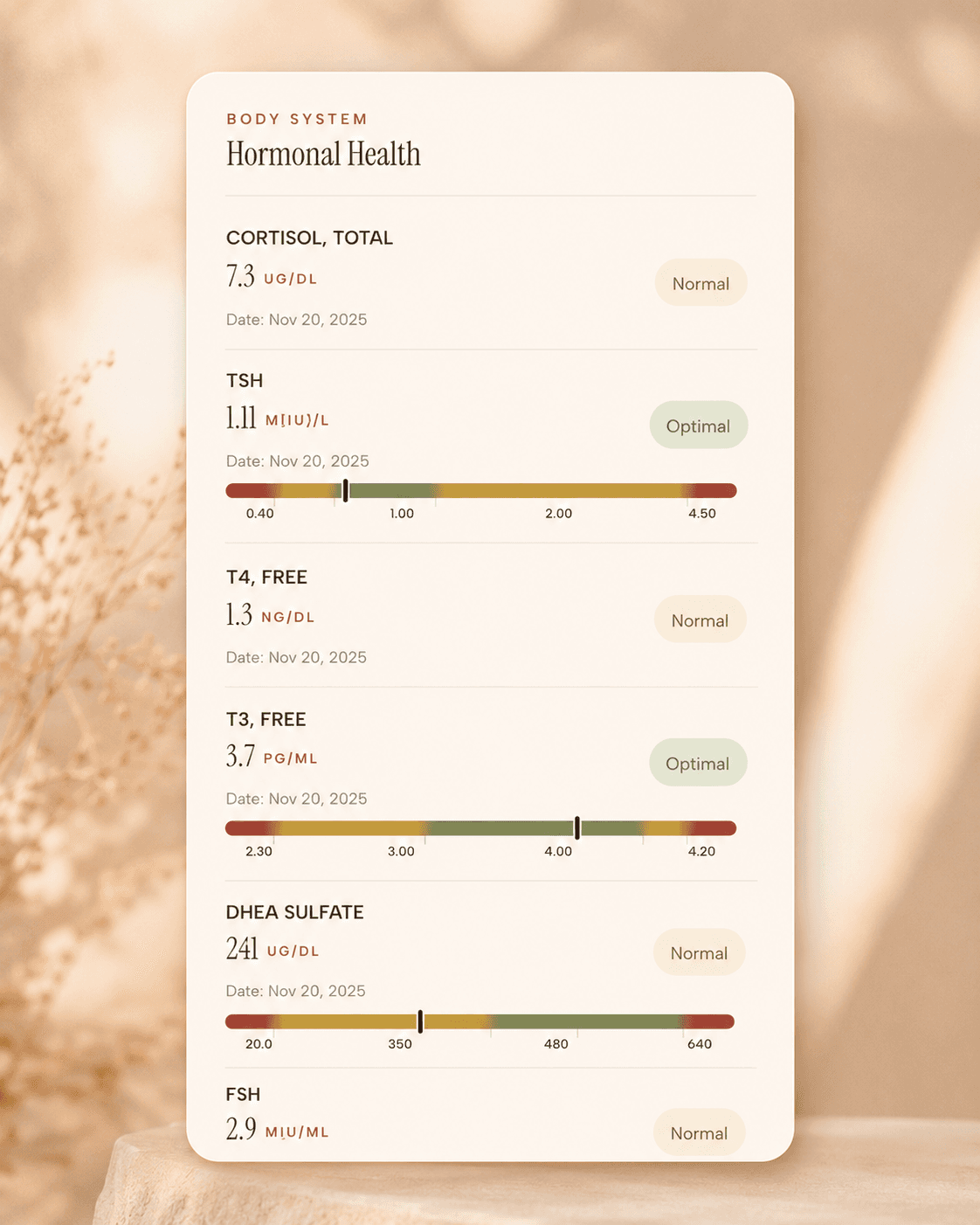
When your thyroid is overactive, your body acts like it’s had too much caffeine even if you haven’t. You might notice a faster heart rate, heat intolerance, shakiness, or anxiety alongside light sleep and early waking. Because thyroid changes can be subtle at first, a simple TSH test can be a smart way to rule this in or out when sleep suddenly becomes fragile.
Breathing disruptions you don’t notice
Sleep apnea isn’t only loud snoring in older men. In women it can look like light sleep, frequent awakenings, morning headaches, or daytime fatigue, and it can worsen around perimenopause as airway tone changes. If you wake up gasping, your partner notices pauses in breathing, or your blood pressure is creeping up, a sleep study is worth discussing because treating breathing-related arousals can be a game changer.
What actually helps you sleep deeper
Anchor your wake time for 2 weeks
If your wake time swings, your body clock never fully locks in, and that makes sleep lighter and more fragmented. Pick a realistic wake time and keep it within about 30 minutes every day for two weeks, even after a bad night, because that builds stronger sleep pressure the next night. Once your mornings stabilize, bedtime usually becomes easier to predict.
Make your room colder than you think
Deep sleep is easier when your core body temperature can drop, and many women are more temperature-sensitive during the luteal phase and perimenopause. Try setting the room to the cool side and use layers on your body instead of heating the whole room, so you can adjust without fully waking. If you’re waking sweaty or tossing off covers, temperature is likely a bigger lever than you’ve been giving it credit for.
Cut caffeine earlier, not just less
For light sleepers, timing matters more than people expect because caffeine can still be active 8–10 hours later in some bodies. If you’re waking easily, try moving your last caffeine to before 10 a.m. for a week and watch what happens to your middle-of-the-night awakenings. If that helps, you’ve learned something specific about your metabolism and sensitivity.
Use a “brain dump” plus a plan
If your mind starts negotiating with you at 2 a.m., you need an off-ramp, not more willpower. Spend five minutes before bed writing down what you’re worried about, and then add one tiny next action for each item so your brain stops trying to solve it in the dark. This works because your brain relaxes when it trusts you won’t forget.
Treat the pattern, not the label
If your light sleep comes with hot flashes, cycle changes, or new anxiety, it may respond best to targeted treatment like hormone therapy, CBT-I (cognitive behavioral therapy for insomnia), or addressing iron deficiency—rather than stacking random supplements. The most efficient next step is to match your symptoms to a likely driver and test where it’s sensible. If you’re unsure, bring a two-week sleep log to your clinician so the conversation is concrete.
Useful biomarkers to discuss with your clinician
Ferritin
Ferritin is your body's iron storage protein, reflecting total iron stores in the body. In functional medicine, ferritin assessment is crucial for identifying both iron deficiency and iron overload, conditions that can significantly impact energy levels and overall health. Low ferritin is the earliest sign of iron deficiency, often occurring before anemia develops. This can cause fatigue, weakness, restless leg syndrome, and cognitive impairment. Conversely, elevated ferritin may indicate iron overload, inflamma…
Learn moreProgesterone
While primarily known as a female hormone, progesterone plays important roles in men including neuroprotection, sleep quality, and as a precursor to other hormones. In functional medicine, male progesterone assessment helps evaluate overall hormone synthesis pathways and stress response. Low progesterone in men may indicate chronic stress or adrenal dysfunction, while optimal levels support brain health and sleep quality. Progesterone in men supports neurological health, sleep quality, and serves as a building b…
Learn moreTSH
TSH is the master regulator of thyroid function, controlling the production of thyroid hormones T4 and T3. In functional medicine, we use narrower TSH ranges than conventional medicine to identify subclinical thyroid dysfunction early. Even mildly elevated TSH can indicate thyroid insufficiency, leading to fatigue, weight gain, depression, and metabolic dysfunction. TSH levels are influenced by stress, nutrient deficiencies, autoimmune conditions, and environmental toxins. Optimal TSH supports energy, metabolism…
Learn moreLab testing
Check ferritin, TSH, and vitamin D at Quest
starting from $99 panel with 100+ tests, one visit
No referral needed
About 1 week
Schedule online — results typically within a week
Clear next steps
Guidance included, with follow-up care available
HSA / FSA
Eligible for pre-tax health spending accounts
Pro Tips
Try a 14-night “wake-up map”: each time you wake, note the time and what you noticed first (hot, needing to pee, racing thoughts, noise). Patterns show up fast, and they point to different fixes.
If you suspect cycle-related light sleep, compare the week before your period to the week after it starts. A consistent pre-period worsening is a strong hint that progesterone shifts are involved.
For 7 nights, set a rule that you don’t check the time if you wake up. Time-checking trains your brain to do math at 3 a.m., which makes you a lighter sleeper the next night too.
If you wake up “alert but tired,” do a 3-minute downshift: slow exhale breathing (for example, inhale 4 seconds and exhale 6–8 seconds) while keeping the room dark. It nudges your nervous system back toward sleep without turning it into a project.
If restless legs or nighttime twitchiness is part of your light sleep, ask for ferritin specifically and aim to recheck it after 8–12 weeks of treatment. Symptom change often lags behind the first few weeks.
Frequently Asked Questions
Why am I such a light sleeper all of a sudden?
Sudden light sleep often happens when your stress level rises, your hormones shift (especially around perimenopause or postpartum), or your thyroid starts running too fast. It can also show up when your sleep schedule changes, like travel or shift work, because your body clock loses its anchor. A practical next step is to track wake times for two weeks and consider checking ferritin and TSH if the change is persistent.
Is light sleep a sign of perimenopause?
It can be, especially if it comes with cycle changes, night sweats, or waking around 2–4 a.m. Falling progesterone and fluctuating estrogen can make your sleep more fragile and your temperature regulation less steady. If this pattern is new in your late 30s to 50s, bring it up with your clinician and consider tracking symptoms across your cycle for a month.
What vitamin deficiency causes light sleep in women?
Low iron stores (low ferritin) and low vitamin D are two common, testable issues linked with lighter, more disrupted sleep. Ferritin is especially important if you have heavy periods or restless legs at night, and many people feel better when ferritin is closer to 50–100 ng/mL. If you suspect a deficiency, get the lab first so you can supplement with a clear target and recheck date.
How do I know if my light sleep is anxiety or something medical?
If you wake with racing thoughts, a tense body, or a “wired” feeling, anxiety-driven hyperarousal is likely playing a role, even if you’re exhausted. If you also have physical clues like palpitations, heat intolerance, tremor, heavy periods, or restless legs, it’s worth checking TSH and ferritin because those can mimic or amplify anxiety at night. You don’t have to choose one explanation—many people have both, and treating the medical piece makes the anxiety piece easier.
When should I worry about waking up a lot at night?
Get help sooner if you’re waking up gasping for air, having chest pain, or feeling dangerously sleepy while driving, because those can signal sleep apnea or other urgent problems. If the issue has lasted more than three months or it’s affecting your mood, work, or safety, that’s also a good time to talk to a clinician or a sleep specialist. Bring a simple two-week sleep log and ask whether a sleep study or labs like ferritin and TSH make sense for you.
Research worth knowing about
AASM clinical practice guideline: behavioral and psychological treatments for chronic insomnia (CBT-I as first-line)
AASM clinical practice guideline: pharmacologic treatment of chronic insomnia in adults
Endocrine Society guideline: treatment of menopause symptoms (including sleep disturbance and vasomotor symptoms)