Why Are Your Joints Hurting in Your 30s?
Joint pain in your 30s is often from overuse injuries, early inflammatory arthritis, or thyroid-related aches. Targeted labs available—no referral needed.





Joint pain in your 30s is usually your body reacting to load and inflammation: a tendon or joint can get irritated from training or desk posture, but persistent stiffness can also be an early sign of inflammatory arthritis or a thyroid problem. The pattern matters—when it hurts, which joints, and whether you also have swelling, warmth, or morning stiffness—and a few targeted blood tests can help sort out which bucket you’re in. It’s frustrating because you’re “too young” for your joints to feel old, and yet you still want to stay active, work, and sleep without aching. The tricky part is that joint pain is a symptom, not a diagnosis, and very different problems can feel similar at first. Below, you’ll learn the most common causes in your 30s, what tends to help for each, and which labs can be useful if you want more clarity. If you get stuck matching your symptoms to a cause, PocketMD can help you think through the pattern, and VitalsVault labs can help you confirm (or rule out) common inflammatory and thyroid-related contributors.
Why your joints hurt in your 30s (and why it’s not always “aging”)
Overuse and tendon irritation
In your 30s, you can still build strength fast, but your tendons and joint cartilage adapt more slowly than your muscles. That mismatch is why pain often shows up after a jump in running mileage, heavier lifting, a new sport, or even a sudden return to activity after a break. A useful clue is that it tends to hurt with a specific movement and settles down with a few days of smarter loading, not total rest.
Early inflammatory arthritis
Inflammatory arthritis means your immune system is driving joint lining inflammation, which can make joints feel hot, puffy, and “stuck” when you wake up. The classic tell is morning stiffness that lasts longer than about 30–60 minutes and improves as you move, even though movement can feel awful at first. If this pattern is new for you—especially in the hands, wrists, or feet—getting checked sooner matters because early treatment can prevent long-term damage.
Hypermobility and joint instability
If your joints naturally move past the usual range, they can feel sore because the stabilizing muscles have to work overtime to keep things aligned. You might notice frequent “tweaks,” clicking, or pain after standing, typing, or carrying a bag, even when your workouts aren’t intense. The takeaway is that you usually need targeted stability training and pacing, not aggressive stretching that makes the joint even looser.
Thyroid-related muscle and joint aches
When your thyroid is underactive, your tissues can hold onto fluid and your muscles recover more slowly, which can show up as diffuse aches and stiffness that don’t match your activity level. People often describe it as feeling creaky all over, along with fatigue, dry skin, constipation, or feeling cold more than others. If joint pain comes with those “whole-body” signals, a thyroid test can be surprisingly high-yield.
Low vitamin D and bone pain
Vitamin D helps regulate calcium handling and muscle function, and when it’s low you can feel deep, dull aches that are easy to mislabel as “joint pain.” It can also make you feel weaker, which changes your mechanics and can irritate knees, hips, or ankles during everyday movement. If you get little sun exposure or you’ve had repeated stress injuries, checking and correcting vitamin D is a practical step.
What actually helps joint pain in your 30s
Use a “load dial,” not rest
If your pain is from overuse, the goal is to keep moving while turning down the specific load that’s irritating the tissue. Try cutting volume by about 30–50% for 1–2 weeks, keeping intensity moderate, and avoiding the one movement that reliably spikes pain. When symptoms calm, build back with small weekly increases so your tendons and cartilage can catch up.
Strengthen the joint’s stabilizers
Joints usually feel better when the muscles around them share the work, especially if you’re hypermobile or you sit a lot. Pick two or three simple moves you can repeat—like slow tempo squats to a chair for knees, banded rows for shoulders, or calf raises for ankles—and do them 3 times per week. You’re aiming for controlled, slightly challenging reps that leave you feeling steadier, not flared.
Treat inflammation early when suspected
If you have swelling, warmth, or morning stiffness that lasts more than an hour, don’t try to “out-train” it. Anti-inflammatory medicines can help symptoms, but the bigger point is getting evaluated for inflammatory arthritis so you don’t lose time if a disease-modifying treatment is needed. A concrete next step is to document which joints are involved and how long stiffness lasts, then bring that to a clinician or use PocketMD to organize your story.
Use heat or cold strategically
Cold tends to help when a joint feels hot, swollen, or freshly irritated after activity, because it calms the inflammatory signal and numbs pain. Heat tends to help when you feel stiff and guarded, especially in the morning, because it improves tissue glide and makes movement feel safer. Try 10–15 minutes, then immediately do gentle range-of-motion so you “lock in” the benefit.
Fix the recovery bottleneck
When sleep is short or broken, your pain sensitivity rises and your tissues repair more slowly, which can make normal training feel like it’s “not working anymore.” Aim for a consistent wake time for two weeks and keep hard workouts earlier in the day so your nervous system can downshift at night. If your joint pain is paired with loud snoring or waking unrefreshed, it’s worth asking about sleep apnea because treating it can noticeably reduce aches.
Useful biomarkers to discuss with your clinician
Hs Crp
High-sensitivity C-reactive protein (hs-CRP) is a key marker of systemic inflammation and cardiovascular risk. In functional medicine, we recognize hs-CRP as one of the most important predictors of heart disease, stroke, and metabolic dysfunction. Levels above 1.0 mg/L indicate increased inflammation that may be driven by poor diet, chronic infections, autoimmune conditions, or metabolic syndrome. Optimal levels below 0.5 mg/L are associated with the lowest cardiovascular risk and overall inflammatory burden. hs…
Learn moreUric Acid
Uric acid is the end product of purine metabolism, filtered by the kidneys and excreted in urine. In functional medicine, uric acid serves as a marker of metabolic health, kidney function, and inflammation. Elevated uric acid (hyperuricemia) can form crystals that deposit in joints (causing gout), kidneys (causing stones), and blood vessels (contributing to cardiovascular disease). High uric acid is often associated with metabolic syndrome, insulin resistance, and increased cardiovascular risk. Low uric acid may…
Learn moreTSH
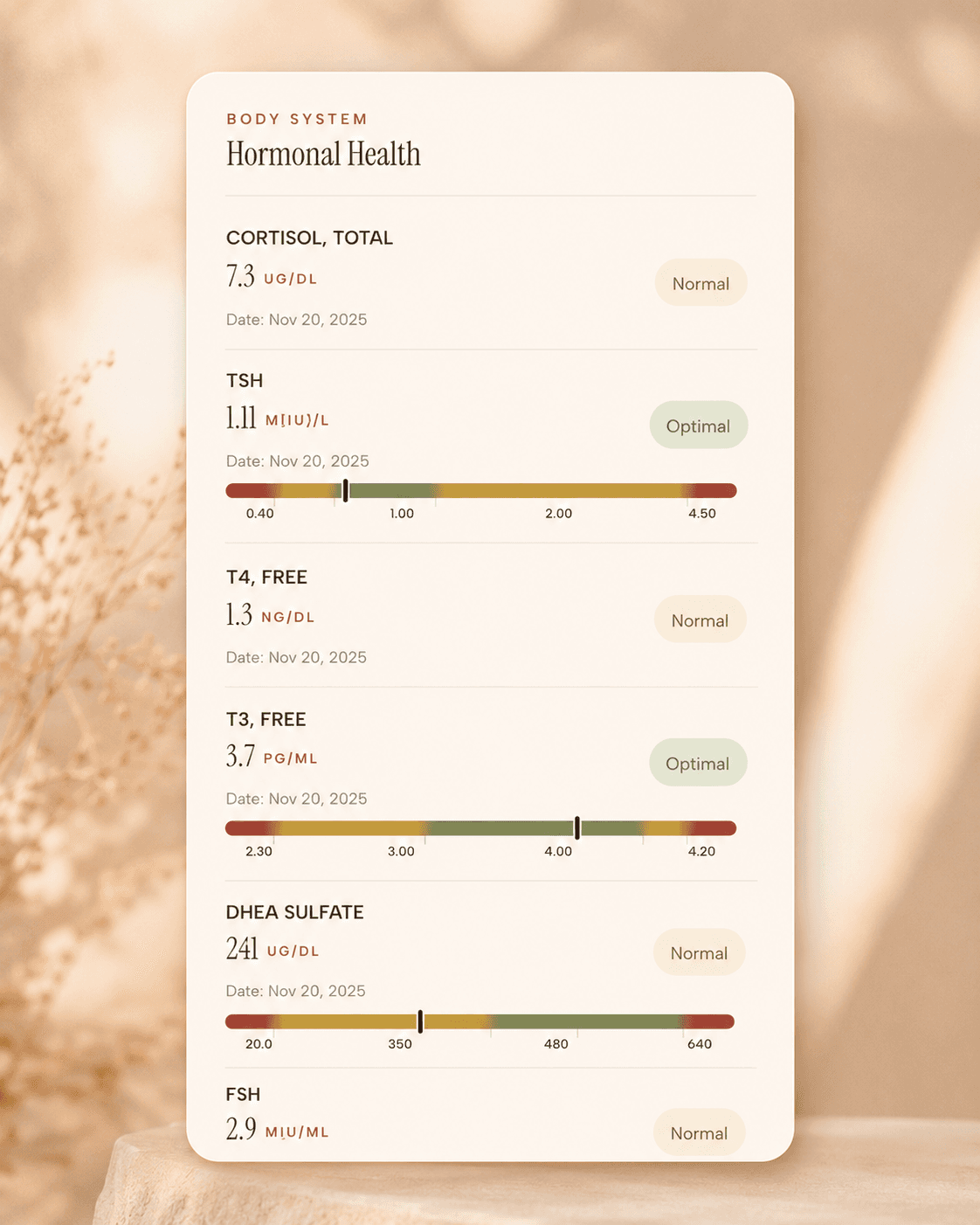
TSH is the master regulator of thyroid function, controlling the production of thyroid hormones T4 and T3. In functional medicine, we use narrower TSH ranges than conventional medicine to identify subclinical thyroid dysfunction early. Even mildly elevated TSH can indicate thyroid insufficiency, leading to fatigue, weight gain, depression, and metabolic dysfunction. TSH levels are influenced by stress, nutrient deficiencies, autoimmune conditions, and environmental toxins. Optimal TSH supports energy, metabolism…
Learn moreLab testing
Check CRP, anti-CCP, and TSH at Quest
starting from $99 panel with 100+ tests, one visit
No referral needed
About 1 week
Schedule online — results typically within a week
Clear next steps
Guidance included, with follow-up care available
HSA / FSA
Eligible for pre-tax health spending accounts
Pro Tips
Do a 7-day pattern check: note which joints hurt, whether they look swollen, and how long morning stiffness lasts. “Stiff for over an hour” points more toward inflammation than wear-and-tear.
Try the 24-hour rule after workouts: if a session makes joint pain noticeably worse the next day, reduce the next workout’s volume by one-third and keep the movement quality strict.
If your hands hurt, do a quick “ring test” in the morning. If rings feel tight or you can’t make a fist for a while, that swelling signal is worth taking seriously.
For knee or hip pain, film a few bodyweight squats from the front and side. If your knee collapses inward or your pelvis drops, a few weeks of glute and hip stability work can change pain faster than stretching.
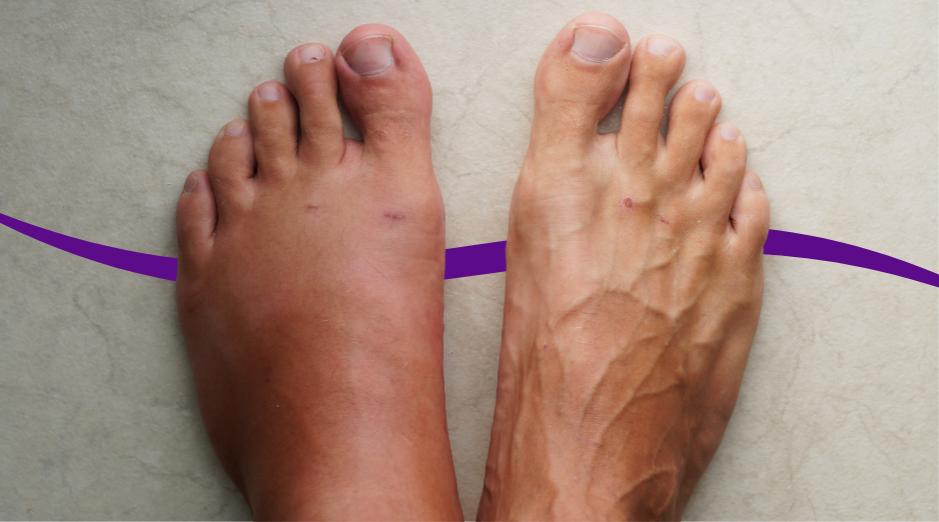
If you suspect inflammatory arthritis, take photos of any visible swelling when it’s at its worst. Swelling often comes and goes, and pictures help a clinician see what you mean.
Frequently Asked Questions
Is joint pain in your 30s normal?
Some joint pain in your 30s is common, especially after a rapid increase in training, a new sport, or long hours at a desk. What’s not “normal” is persistent swelling, warmth, or morning stiffness lasting longer than 30–60 minutes, because that pattern can signal inflammatory arthritis. If you notice that inflammatory pattern, consider labs like CRP and anti-CCP and get evaluated sooner rather than later.
How do I know if my joint pain is arthritis or just overuse?
Overuse pain usually tracks with a specific movement or workload and improves when you dial that load down for 1–2 weeks while staying active. Inflammatory arthritis tends to cause morning stiffness, visible swelling, and pain that improves with gentle movement but returns with rest. If you’re unsure, a symptom log plus CRP and anti-CCP testing can help clarify the direction.
What labs should I get for unexplained joint pain?
A practical starting trio is CRP for active inflammation, anti-CCP for rheumatoid arthritis risk, and TSH for thyroid-related aches and slow recovery. These tests do not diagnose every cause of joint pain, but they can quickly separate “systemic” problems from mechanical overuse. If any are abnormal, bring the results to a clinician to decide what follow-up testing makes sense.
Can thyroid problems cause joint pain?
Yes. An underactive thyroid can cause diffuse aches, stiffness, and slower muscle recovery, which can feel like your joints are aging overnight. TSH is the usual screening test, and many people feel best when TSH is roughly around 0.5–2.5 mIU/L, although targets vary by person. If you have joint pain plus fatigue, constipation, or feeling cold, checking TSH is a reasonable next step.
When should I worry about joint pain and see a doctor fast?
Seek prompt care if a joint becomes suddenly hot, very swollen, and hard to move, especially with fever, because infection or gout can mimic “arthritis” and needs urgent treatment. Also get evaluated soon if you have swelling in multiple joints, morning stiffness lasting over an hour, or unexplained weight loss and fatigue. If you can, bring a short symptom timeline and photos of swelling to make the visit more productive.