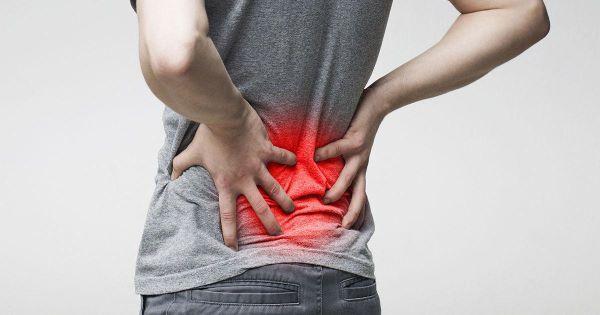
Why Are Your Joints Starting to Hurt in Your 40s?
Joint pain in your 40s often comes from tendon overload, early osteoarthritis, or autoimmune inflammation. Targeted labs available—no referral needed.





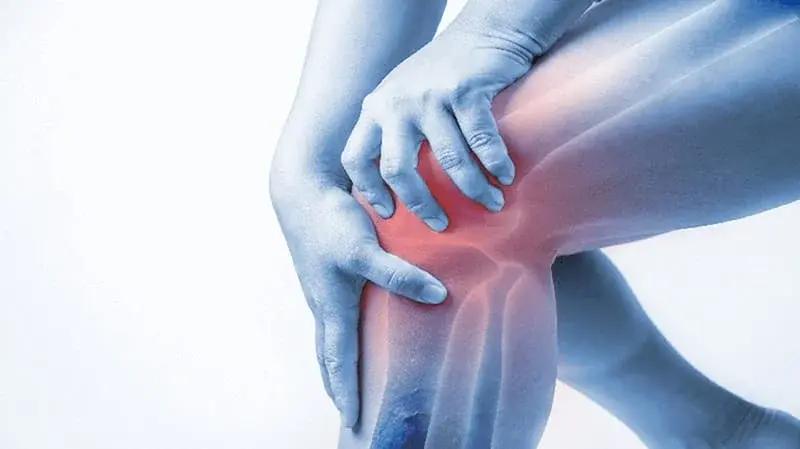
Joint pain in your 40s is often a mix of “wear-and-repair” changes in cartilage, irritated tendons from how you train or work, and low-grade inflammation that can be metabolic or autoimmune. It can feel random because the same joint can hurt for different reasons, and the fix depends on which tissue is actually angry. Targeted blood tests can help separate simple overuse from inflammatory arthritis so you don’t waste months guessing. This decade is a common turning point: you still want to move like you did in your 20s, but your recovery time is shorter, your sleep and stress load may be worse, and old injuries start talking back. Most joint pain in your 40s is manageable, but a smaller slice is a “catch it early” situation where prompt treatment protects your joints long-term. If you want help sorting your pattern and deciding what to test or try first, PocketMD can walk through your symptoms with you, and Vitals Vault labs can give you objective clues without a referral.
Why joint pain shows up in your 40s
Tendon overload, not the joint
A lot of “joint pain” in your 40s is actually tendon or attachment-point irritation (tendinopathy), especially around the knee, elbow, shoulder, and heel. It often feels sharp with specific movements, then achy afterward, because the tissue is reacting to repeated load without enough recovery. The takeaway is practical: if pain spikes with one lift, run, or grip pattern, you usually get faster relief by changing the load and technique than by resting completely.
Early wear-and-tear arthritis
Cartilage can thin gradually over time, and small changes can start to matter once you stack years of impact, prior injuries, or higher body weight. This tends to feel like stiffness after sitting, a crunchy sensation, or pain that ramps up with longer activity and eases with rest. If this sounds like you, your goal is not “never use the joint,” but “use it in the way it likes,” which usually means strength work and pacing rather than avoiding movement.
Inflammatory arthritis (autoimmune)
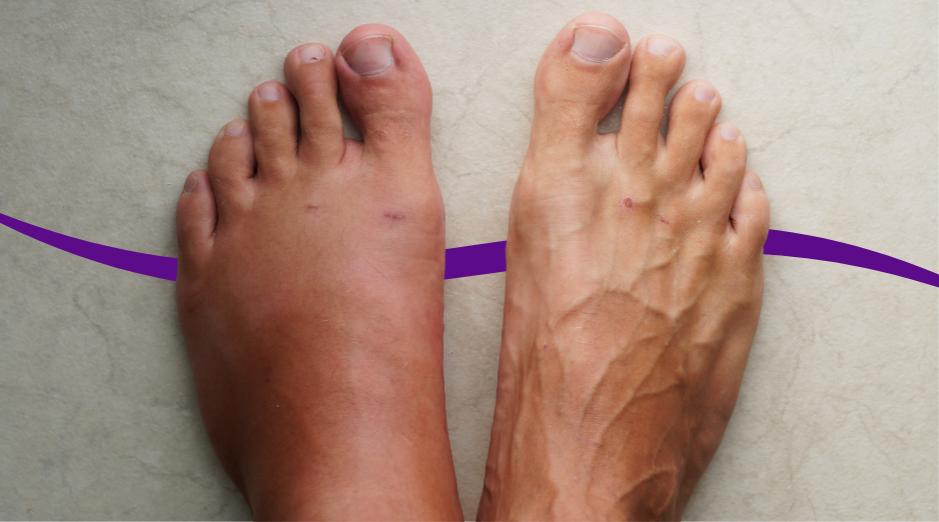
When your immune system targets the joint lining, pain often comes with warmth, swelling, and morning stiffness that lasts longer than 30–60 minutes. You might notice it in the small joints of your hands or feet, or you may feel unusually wiped out for how much you did. This is the category where early evaluation matters most, because treating inflammation sooner can prevent damage and preserve function.
Hormone shifts and pain sensitivity
In your 40s, shifting estrogen and testosterone levels can change how your tissues handle load and how your nervous system processes pain. That can show up as “everything feels more sore than it should,” especially around the time your menstrual cycle changes, during perimenopause, or when sleep is disrupted. The useful move here is pattern-spotting: if your flares track with cycle changes, hot flashes, or new sleep issues, bring that context to your clinician instead of treating it like a purely mechanical injury.
Metabolic inflammation and gout risk
Higher blood sugar, insulin resistance, and elevated uric acid can create a background level of inflammation that makes joints more reactive, even if you are active. Gout can also start appearing in midlife, and it often hits as sudden, intense pain in one joint (classically the big toe) that feels hot and tender to the touch. If you get abrupt “lightning bolt” attacks or your pain clusters with weight gain and high blood pressure, it is worth asking about uric acid and inflammation markers rather than assuming it is just aging.
What actually helps with joint pain in your 40s
Use the 24-hour pain rule
Instead of judging a workout by how you feel in the moment, judge it by the next day. If your pain is noticeably worse 24 hours later, that load was too much for that tissue right now, even if it felt fine during the session. Dial back range, speed, or weight until you can train without a next-day spike, and then build up in small steps.
Strengthen the joint’s “neighbors”
Joints feel better when the muscles around them share the work, which is why targeted strength often beats generic stretching. For knee pain, that usually means quads, glutes, and calves; for shoulder pain, it often means rotator cuff and upper back control. If you are unsure what to do, start with slow, controlled reps and stop two reps before failure so you build capacity without provoking a flare.
Try heat for stiffness, ice for flare
Heat is best when you feel stiff and “rusty,” because it increases blood flow and makes movement feel smoother. Ice is more useful when you have a clear flare with swelling or a hot joint after activity, because it can calm the local inflammatory response. Use either for 10–15 minutes, then re-test a movement you care about so you know whether it helped your function, not just your comfort.
Short course anti-inflammatories—strategically
Over-the-counter anti-inflammatories like ibuprofen or naproxen can be helpful for a short window when pain is blocking sleep or rehab, but they are not a long-term plan. If you have reflux, kidney disease, are on blood thinners, or have uncontrolled high blood pressure, you should check with a clinician before using them. A practical approach is to use the smallest effective dose for the shortest time while you fix the underlying load problem.
Know when you need a workup
If you have a visibly swollen joint, fever, a new rash, numbness, or morning stiffness that lasts more than an hour most days, you deserve more than “try rest.” Those patterns raise the odds of inflammatory arthritis, infection, or a crystal arthritis flare, and blood tests plus an exam can change the plan quickly. If pain is severe and a joint is hot and you cannot bear weight, treat that as urgent.
Useful biomarkers to discuss with your clinician
Hs Crp
High-sensitivity C-reactive protein (hs-CRP) is a key marker of systemic inflammation and cardiovascular risk. In functional medicine, we recognize hs-CRP as one of the most important predictors of heart disease, stroke, and metabolic dysfunction. Levels above 1.0 mg/L indicate increased inflammation that may be driven by poor diet, chronic infections, autoimmune conditions, or metabolic syndrome. Optimal levels below 0.5 mg/L are associated with the lowest cardiovascular risk and overall inflammatory burden. hs…
Learn moreUric Acid
Uric acid is the end product of purine metabolism, filtered by the kidneys and excreted in urine. In functional medicine, uric acid serves as a marker of metabolic health, kidney function, and inflammation. Elevated uric acid (hyperuricemia) can form crystals that deposit in joints (causing gout), kidneys (causing stones), and blood vessels (contributing to cardiovascular disease). High uric acid is often associated with metabolic syndrome, insulin resistance, and increased cardiovascular risk. Low uric acid may…
Learn moreTestosterone, Total, Ms
Total testosterone is the primary male sex hormone responsible for muscle mass, bone density, libido, energy levels, and cognitive function. In functional medicine, we recognize testosterone as a key marker of vitality and aging. Low testosterone (hypogonadism) affects up to 40% of men over 45 and is linked to metabolic syndrome, cardiovascular disease, depression, and reduced quality of life. Optimal testosterone levels support healthy body composition, sexual function, motivation, and overall masculine vitalit…
Learn moreLab testing
Check hs-CRP, ESR, and rheumatoid factor at Quest
starting from $99 panel with 100+ tests, one visit
No referral needed
About 1 week
Schedule online — results typically within a week
Clear next steps
Guidance included, with follow-up care available
HSA / FSA
Eligible for pre-tax health spending accounts
Pro Tips
Do a 10-day “joint map” log: each day, rate pain 0–10 for your top 2 joints and write one sentence about what you did the day before. Patterns like “stairs + long sit” or “pull-ups + gripping” usually jump out fast.
If one joint hurts, test the joint above and below it with gentle range of motion. Hip stiffness can masquerade as knee pain, and ankle stiffness can overload the knee, which means the fix may be upstream.
When you strength train, slow the lowering phase to a 3–4 second count for 2–3 sets. Tendons often calm down when they get controlled loading rather than explosive reps.
If your hands are stiff in the morning, time how long it lasts for a week. Stiffness that regularly lasts more than an hour is a useful data point to bring to a clinician because it leans inflammatory.
For a cranky knee or shoulder, try a “minimum effective dose” routine for two weeks: 10 minutes, three times per week, focused on one or two exercises you can do without next-day worsening. Consistency beats intensity here.
Frequently Asked Questions
Is joint pain in your 40s normal, or is it arthritis?
Some aches are common in your 40s because tendons recover more slowly and old injuries add up, but persistent swelling, warmth, or morning stiffness lasting over 60 minutes is not something to shrug off. Osteoarthritis often feels worse with longer activity, while inflammatory arthritis often feels worst first thing in the morning. If you are unsure, inflammation labs like hs-CRP and ESR can help guide the next step.
Why do my joints hurt more in the morning?
Morning pain usually means your joints and surrounding tissues stiffen when you are still, and then they loosen as you move. If the stiffness fades within 10–20 minutes, it often points to mechanical issues like tendon irritation or early wear-and-tear changes. If it regularly lasts longer than an hour, that pattern is more consistent with inflammatory arthritis, so it is worth discussing hs-CRP, ESR, and an exam.
Can perimenopause cause joint pain?
Yes, shifting estrogen during perimenopause can change how connective tissue handles load and can increase pain sensitivity, which makes normal activity feel more punishing. You might notice flares around cycle changes, new sleep disruption, or hot flashes. Track timing for a month and bring that pattern to your clinician so you can address sleep and inflammation drivers instead of only chasing the joint.
What blood tests should I get for unexplained joint pain?
A practical starting trio is hs-CRP and ESR to look for systemic inflammation, plus rheumatoid factor (RF) if your symptoms suggest inflammatory arthritis. If RF is negative but suspicion remains, anti-CCP is often the next test because it is more specific for rheumatoid arthritis. Bring your results along with details like which joints hurt, whether they swell, and how long morning stiffness lasts.
When should I worry about joint pain and see someone urgently?
Go sooner rather than later if a joint is hot, very swollen, and you cannot bear weight, because infection or a crystal flare can look like “just pain” at first. Fever, a new rash, or sudden severe pain in one joint are also red flags. If it is not urgent but it is persistent, book an evaluation when pain lasts more than 6 weeks or keeps you from normal activity despite reasonable load changes.
Research worth knowing
2019 American College of Rheumatology/Arthritis Foundation guideline for osteoarthritis management
2010 ACR/EULAR rheumatoid arthritis classification criteria (key for early inflammatory arthritis)
Exercise therapy reduces pain and improves function in knee osteoarthritis (systematic review and meta-analysis)