Why You Feel So Tired in Your 30s
Fatigue in your 30s is often from low iron, thyroid slowdown, or sleep debt from stress and parenting. Targeted labs at Quest—no referral needed.






Fatigue in your 30s is usually your body signaling a mismatch between demand and supply: you are running on too little recovery, too little oxygen-carrying capacity (often low iron), or a slower metabolism from thyroid changes. It can also be driven by sleep that looks “long enough” on paper but is fragmented by stress, kids, alcohol, or breathing issues. A few targeted labs can help you quickly sort out which bucket you are in so you stop guessing. This decade is a perfect storm because you can be building a career, raising kids, training hard, and carrying more mental load than you did in your 20s, all while your sleep becomes easier to disrupt. The good news is that fatigue is one of the most “work-up-able” symptoms: patterns in your day and a small set of blood tests often point to a fixable bottleneck. If you want help thinking through your specific story, PocketMD can help you triage what fits, and Vitals Vault labs can help you confirm it with data instead of vibes.
Why You Feel So Tired in Your 30s
Sleep debt that doesn’t feel obvious
In your 30s, you can be in bed for seven to eight hours and still be under-recovered because your sleep is lighter and more interrupted. Stress hormones keep your brain on “alert,” and even small wake-ups can steal deep sleep, which is the part that makes you feel physically restored. If you wake up tired, need caffeine to feel human, and crash hard in the late afternoon, treat sleep quality like a health metric, not a personality flaw.
Low iron stores (iron deficiency)
Iron is what helps your blood carry oxygen, and when your iron stores run low, your muscles and brain feel it first. You might notice getting winded on stairs, a heavy-limbed feeling during workouts, or a weird mix of exhaustion and restlessness. If you have heavy periods, donate blood, eat little red meat, or recently had a pregnancy, checking ferritin is one of the highest-yield steps you can take.
Thyroid slowdown (hypothyroidism)
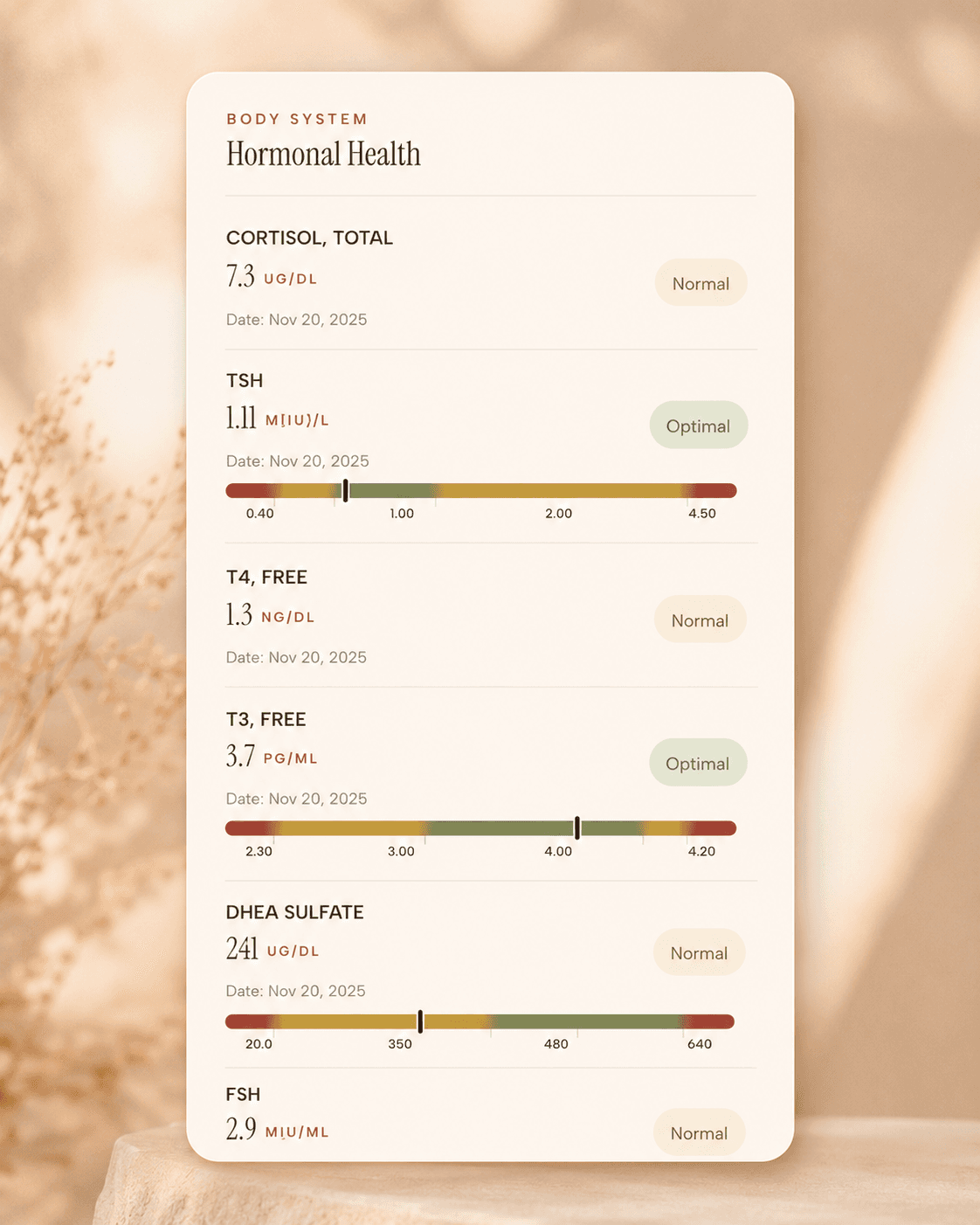
Your thyroid sets the pace for how fast your cells use energy, so when it slows down, everything can feel like it takes more effort. The fatigue often comes with feeling cold, constipation, dry skin, or unexplained weight gain, but sometimes tiredness is the main clue. A TSH test can flag a thyroid problem early, and it is especially worth checking if fatigue is new and persistent for more than a few weeks.
Burnout and chronic stress physiology
Burnout is not just “being busy.” When stress stays high for months, your nervous system can get stuck in a state where you feel wired at night but flat during the day, and your motivation disappears even for things you normally enjoy. This kind of fatigue often comes with irritability, brain fog, and a shorter fuse, which can strain relationships as much as it drains your energy. The takeaway is to treat it like a load-management problem: reduce the biggest stress inputs and rebuild recovery time the way you would rehab an injury.
Overtraining or under-fueling workouts
If you are training hard in your 30s, your recovery needs are higher than you think, and “pushing through” can backfire. Under-eating protein or carbs, stacking intense sessions, or adding alcohol on top can leave you with heavy fatigue, poor performance, and a higher resting heart rate. A simple clue is when your workouts feel harder at the same pace for two weeks straight, which is your body asking for a deload and better fueling.
What Actually Helps With Fatigue
Run a two-week energy audit
For 14 days, rate your energy at three set times (morning, mid-afternoon, evening) and write one sentence about what happened before the dip. You are looking for repeatable patterns, like a post-lunch crash, a late-night second wind, or fatigue that tracks with your cycle. Once you see the pattern, you can target the right lever instead of trying ten random “energy hacks.”
Fix sleep quality, not just bedtime
Start by protecting the first half of the night, because that is when you get the most deep sleep. Keep alcohol out of the 4–6 hours before bed, and make your room cooler and darker than you think you need. If you snore, wake up with a dry mouth, or feel sleepy while driving, bring up possible sleep apnea with a clinician because treating it can be life-changing for daytime energy.
If iron is low, treat the cause
If ferritin is low, iron supplements can help, but you will do better if you also address why it is low in the first place. For many people in their 30s, the driver is heavy menstrual bleeding, frequent blood donation, or a diet that is iron-light. Pairing iron with vitamin C can improve absorption, and spacing it away from calcium or coffee often reduces “it’s not working” frustration.
Build steadier blood sugar days
A lot of “afternoon exhaustion” is really a rebound after a high-carb, low-protein morning or lunch. You do not need to fear carbs, but you do need meals that keep you steady: protein first, then fiber, then the starch. If your fatigue hits like a wall at 2–4 pm, try a protein-forward breakfast for one week and see if your energy curve changes.
Create a recovery plan for burnout
When burnout is the driver, the fix is not more willpower; it is a recovery plan you can actually follow. Pick one boundary that reduces load this week, like a hard stop time for work messages, and one recovery block that is non-negotiable, like a 20-minute walk without your phone. If low mood, loss of interest, or hopelessness is part of your fatigue, that is a sign to talk to a professional because depression and anxiety are treatable and they often show up as “tired” first.
Lab tests that help explain fatigue in your 30s
Ferritin
Ferritin is your body's iron storage protein, reflecting total iron stores in the body. In functional medicine, ferritin assessment is crucial for identifying both iron deficiency and iron overload, conditions that can significantly impact energy levels and overall health. Low ferritin is the earliest sign of iron deficiency, often occurring before anemia develops. This can cause fatigue, weakness, restless leg syndrome, and cognitive impairment. Conversely, elevated ferritin may indicate iron overload, inflamma…
Learn moreTSH
TSH is the master regulator of thyroid function, controlling the production of thyroid hormones T4 and T3. In functional medicine, we use narrower TSH ranges than conventional medicine to identify subclinical thyroid dysfunction early. Even mildly elevated TSH can indicate thyroid insufficiency, leading to fatigue, weight gain, depression, and metabolic dysfunction. TSH levels are influenced by stress, nutrient deficiencies, autoimmune conditions, and environmental toxins. Optimal TSH supports energy, metabolism…
Learn moreHemoglobin
Hemoglobin is the iron-containing protein in red blood cells that actually carries oxygen throughout your body. In functional medicine, hemoglobin is considered one of the most important markers of oxygen-carrying capacity and overall vitality. Low hemoglobin (anemia) significantly impacts energy levels, cognitive function, exercise tolerance, and quality of life. Even mild decreases can cause fatigue and reduced performance. Hemoglobin levels are influenced by iron status, vitamin B12, folate, protein intake, a…
Learn moreLab testing
Check ferritin, TSH, and vitamin B12 at Quest
starting from $99 panel with 100+ tests, one visit
No referral needed
About 1 week
Schedule online — results typically within a week
Clear next steps
Guidance included, with follow-up care available
HSA / FSA
Eligible for pre-tax health spending accounts
Pro Tips
Try a “caffeine curfew” for one week: have your last coffee or energy drink by 10–11 am, then watch whether your sleep feels deeper and your morning energy improves within a few days.
If you have heavy periods, track how many days you soak through a pad or tampon in under two hours. That detail helps a clinician connect fatigue to blood loss and decide whether ferritin testing and treatment should be more aggressive.
Use your phone’s health app or a wearable to watch resting heart rate and sleep consistency, not perfection. A rising resting heart rate over 7–10 days often shows under-recovery before you consciously feel it.
If you suspect under-fueling, add one deliberate recovery snack after training for two weeks, such as 25–30 g protein plus a carb source. If your next-day energy improves, you just found a major lever.
When fatigue feels “mental,” do a 10-minute brain reset instead of scrolling: step outside, look at distance, and breathe slowly. It sounds small, but it downshifts your stress system and can prevent the evening crash from turning into a lost night.
Frequently Asked Questions
Is it normal to be exhausted in your 30s?
It is common, but it is not something you should automatically accept as “just adulthood.” In your 30s, fatigue is often driven by sleep disruption, low iron stores (ferritin), thyroid changes (TSH), or chronic stress that keeps your nervous system on high alert. If tiredness lasts more than a few weeks or changes your ability to work, parent, or exercise, it is worth doing a focused check-in and a few labs.
What vitamin deficiency causes fatigue in your 30s?
Vitamin B12 deficiency is a common, fixable cause of fatigue, especially if you also have brain fog, tingling, or low mood. “Low-normal” can still matter, and many people feel better when B12 is above about 400 pg/mL, depending on symptoms and risk factors. If your level is low, ask about absorption issues and whether oral or sublingual B12 makes sense for you.
How do I know if my fatigue is low iron?
Low iron fatigue often shows up as getting winded more easily, heavy legs during workouts, headaches, or feeling drained even after sleep. The most useful test is ferritin, because it can be low before anemia shows up on a standard blood count. If ferritin is below about 30 ng/mL and you have symptoms, talk with a clinician about iron replacement and why your iron is low.
Can thyroid problems start in your 30s?
Yes, thyroid issues can start at any adult age, and fatigue is one of the most common early symptoms. A TSH test is a good first screen, and many clinicians consider roughly 0.5–2.5 mIU/L a reasonable symptom-focused target range, although your situation may differ. If TSH is abnormal, follow-up testing and a treatment plan can make a big difference in energy and focus.
When should I worry about fatigue and see a doctor urgently?
Get urgent care if fatigue comes with chest pain, shortness of breath at rest, fainting, new confusion, black or bloody stools, or a sudden severe weakness on one side. Those can signal problems that should not wait, like anemia from bleeding, heart or lung issues, or neurologic emergencies. If fatigue is not urgent but is persistent for more than 2–4 weeks, schedule a visit and bring a short symptom timeline plus any relevant lab results.