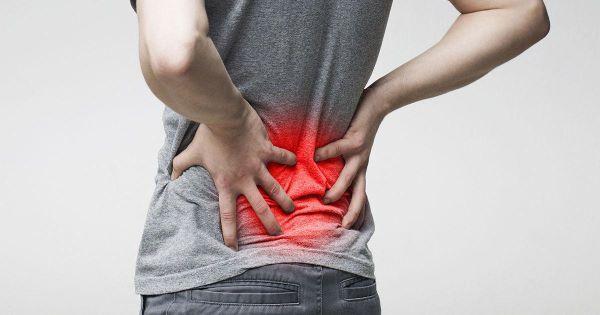
Joint Pain in Your 20s: What It Usually Means
Joint pain in your 20s often comes from overuse, early inflammation, or low vitamin D. Targeted blood tests available at Quest—no referral needed.





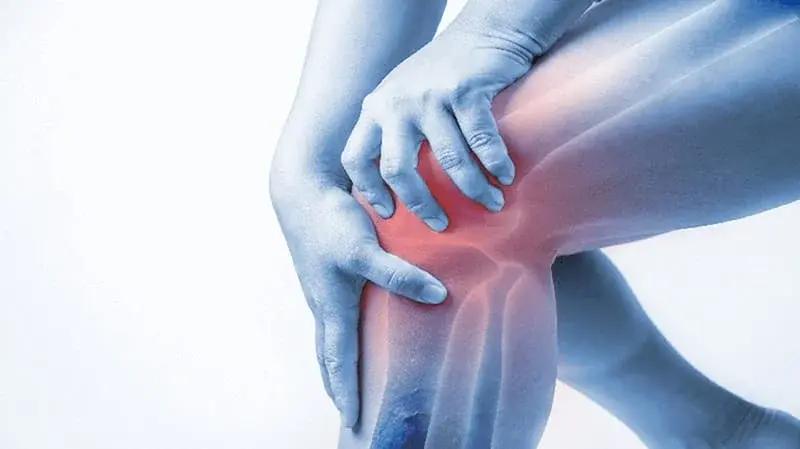
Joint pain in your 20s is usually from repetitive strain and small tendon or cartilage irritations, but it can also be your immune system creating real joint inflammation or a vitamin D deficiency making aches feel “everywhere.” The pattern matters: pain that improves as you warm up often points to stiffness and inflammation, while pain that flares after activity often points to overload. A few targeted labs can help sort out whether you’re dealing with inflammation, a nutrient issue, or something mechanical. It’s frustrating because you’re “too young” for this, yet your joints are what you use to work out, commute, and live your life. The tricky part is that different problems can feel similar at first, especially when stress, sleep, and training load change at the same time. This guide walks you through the most common causes, what tends to help, and which blood tests are actually useful. If you want help matching your exact pattern to the most likely causes, PocketMD can talk it through with you, and Vitals Vault labs can help you confirm what’s going on.
Why you can get joint pain in your 20s
Overuse and training load spikes
When you ramp up running, lifting, climbing, or even a new job with repetitive motions, the tissues around your joints can get irritated faster than they can adapt. That irritation often feels like a deep ache during or after activity, and it can linger the next day even if the joint looks normal. Your takeaway is to treat it like a workload problem: reduce volume for 7–14 days, keep moving with lower-impact options, and rebuild gradually instead of pushing through the same pain.
Tendon irritation near the joint
Sometimes the joint isn’t the main issue at all — it’s the tendon that attaches near it, which can get cranky with repeated pulling. This often feels sharp at a specific spot, especially with certain movements, and it can be worse at the start of activity before it “warms up.” A practical clue is that pressing on one small area reproduces the pain, so targeted rehab exercises and temporary load changes usually help more than rest alone.
Early inflammatory arthritis
Inflammatory joint disease means your immune system is driving swelling inside the joint lining, which can show up as morning stiffness that lasts longer than 30–60 minutes. You might notice warmth, puffiness, or pain in the same joints on both sides of your body, like both wrists or both hands. If this pattern fits you, don’t wait it out for months, because early treatment can prevent long-term damage and labs like hs-CRP and ESR can support the next steps.
Hypermobility and joint instability
If your joints naturally move “extra,” the stabilizing muscles have to work harder to keep things aligned, which can create aching after normal activities. It often shows up as pain that moves around, frequent “twinges,” or a sense that a joint is unreliable rather than swollen. The helpful move here is to focus on strength and control in the mid-range of motion, because stretching more can sometimes make the problem worse.
Low vitamin D and bone aches
Vitamin D helps your body handle calcium and maintain healthy bone and muscle function, so low levels can cause a dull, widespread ache that people often describe as “joint pain” even when the joint itself is fine. You might also notice fatigue, muscle soreness, or getting sick more often. The actionable step is simple: check a 25(OH) vitamin D level, because correcting a true deficiency can make a noticeable difference over 6–12 weeks.
What actually helps joint pain (without giving up your life)
Use the 2-week load reset
Pick the one activity that most reliably triggers your pain and cut it back by about 30–50% for two weeks, while keeping everything else moving. This gives irritated tissue time to calm down without deconditioning you. If pain drops clearly during the reset, you’ve learned something important: your joint can recover, and you need a slower ramp back up.
Strengthen the joint’s “support team”
Joints feel better when the muscles around them share the load, especially for knees, hips, shoulders, and wrists. Start with controlled, pain-limited movements two to three times per week, and aim for a mild “worked” feeling rather than a flare. If you’re not sure what to do, a physical therapist can usually identify one weak link that explains most of your symptoms.
Try heat for stiffness, ice for flares
Heat tends to help when your main problem is stiffness, because it increases blood flow and makes movement feel less “rusty.” Ice is more useful right after a flare or a high-load day, because it can dial down the irritated, hot feeling. Use either for 10–15 minutes and judge by function afterward: you’re looking for easier movement, not just numbness.
Use anti-inflammatories strategically
If your pain is inflammatory, a short course of an over-the-counter anti-inflammatory can be a useful experiment, because it should noticeably reduce stiffness and swelling within a day or two. If it only blunts pain but the stiffness pattern stays the same, that’s a clue you may need a different approach. Avoid stacking multiple anti-inflammatories, and if you have stomach, kidney, or bleeding issues, ask a clinician first.
Fix the basics that amplify pain
Poor sleep and high stress don’t “cause” arthritis, but they can turn the volume up on pain signals so that small issues feel huge. For two weeks, treat sleep like a rehab tool: keep a consistent wake time, and avoid late-night training that leaves you wired. If your pain improves even a little, you’ve found a lever you can keep using while you work on the root cause.
Lab tests that help explain joint pain in your 20s
Vitamin D, 25-Oh, Total
Total 25-hydroxyvitamin D represents the best measure of vitamin D status, combining both D2 and D3 forms. This is the storage form of vitamin D and reflects recent intake and synthesis. In functional medicine, total 25(OH)D is used to assess vitamin D sufficiency and guide supplementation. Optimal levels (40-80 ng/mL) are associated with reduced risk of cancer, cardiovascular disease, autoimmune conditions, and all-cause mortality. Vitamin D acts as a hormone affecting immune function, bone health, mood, and ce…
Learn moreHs Crp
High-sensitivity C-reactive protein (hs-CRP) is a key marker of systemic inflammation and cardiovascular risk. In functional medicine, we recognize hs-CRP as one of the most important predictors of heart disease, stroke, and metabolic dysfunction. Levels above 1.0 mg/L indicate increased inflammation that may be driven by poor diet, chronic infections, autoimmune conditions, or metabolic syndrome. Optimal levels below 0.5 mg/L are associated with the lowest cardiovascular risk and overall inflammatory burden. hs…
Learn moreUric Acid
Uric acid is the end product of purine metabolism, filtered by the kidneys and excreted in urine. In functional medicine, uric acid serves as a marker of metabolic health, kidney function, and inflammation. Elevated uric acid (hyperuricemia) can form crystals that deposit in joints (causing gout), kidneys (causing stones), and blood vessels (contributing to cardiovascular disease). High uric acid is often associated with metabolic syndrome, insulin resistance, and increased cardiovascular risk. Low uric acid may…
Learn moreLab testing
Get hs-CRP, ESR, and vitamin D checked at Quest
starting from $99 panel with 100+ tests, one visit
No referral needed
About 1 week
Schedule online — results typically within a week
Clear next steps
Guidance included, with follow-up care available
HSA / FSA
Eligible for pre-tax health spending accounts
Pro Tips
Do a “morning stiffness check” for one week: note how long it takes after waking before your joints feel normal. If it’s consistently over 30–60 minutes, bring that detail to a clinician because it points more toward inflammation than simple overuse.
Use a simple pain rule for training: discomfort that stays at 3/10 or less during exercise and returns to baseline by the next morning is usually acceptable, but pain that climbs each set or lingers into the next day means you need to scale back.
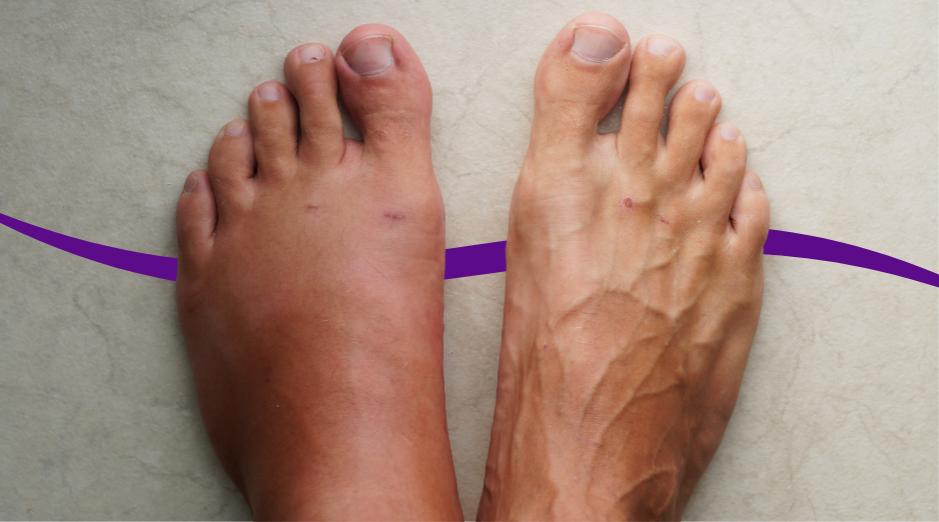
If one joint keeps flaring, take a photo when it looks puffy and compare it to the other side. Subtle swelling is easy to dismiss in the moment, but a picture makes patterns obvious and helps you communicate clearly.
Try a 10-minute “joint warm-up” before workouts: easy cardio until you’re slightly warm, then slow controlled reps through a comfortable range. If that dramatically changes your pain, it suggests stiffness and tissue sensitivity rather than structural damage.
If you suspect hypermobility, stop chasing flexibility for a month and swap in stability work instead, like slow tempo strength and balance drills. Many people are surprised how much pain drops when the joint feels more secure.
Frequently Asked Questions
Is joint pain in your 20s normal?
It’s common, but it isn’t something you should automatically accept as “normal.” In your 20s, joint pain is often from overload, tendon irritation, or hypermobility, but persistent morning stiffness or visible swelling can signal inflammatory arthritis. Track whether it’s worse after rest or worse after activity, and consider hs-CRP and ESR if the pattern sounds inflammatory.
When should I worry that joint pain is arthritis?
Worry less about the word and more about the pattern: swelling, warmth, and morning stiffness lasting longer than 30–60 minutes are the big clues. Pain in the same joints on both sides of your body, like both wrists or both hands, also raises suspicion. If that fits, ask for an evaluation and consider inflammation labs such as hs-CRP and ESR.
Can vitamin D deficiency cause joint pain?
Yes, low vitamin D can cause generalized aches that feel like joint pain, even when the joint itself is not damaged. A 25(OH) vitamin D blood test can confirm it, and many people with musculoskeletal symptoms feel better when levels are around 30–50 ng/mL. If you’re low, recheck after about 8–12 weeks of supplementation to make sure you’re actually correcting it.
Why do my joints hurt after working out?
After workouts, joint-area pain is often from a load spike that irritated tendons or the joint lining, especially if you increased volume, intensity, or a new movement pattern. If the pain is sharp and pinpointed, it’s more likely tendon-related; if it’s a deep ache with stiffness the next morning, you may need a slower ramp and better warm-ups. Try a two-week load reset and see if next-day pain clearly improves.
What blood tests help explain joint pain in young adults?
The most useful “triage” tests are hs-CRP and ESR to look for systemic inflammation, plus 25(OH) vitamin D to catch a common, fixable deficiency that can mimic joint pain. Normal results don’t rule out every joint condition, but they help you avoid guessing and focus your next step. If your symptoms include swelling or prolonged morning stiffness, bring your results to a clinician for interpretation in context.