Dry Skin on Keto: Why It Happens and What Helps
Dry skin on keto diet often comes from water and salt loss, a weakened skin barrier, or low thyroid signals. Targeted labs available at Quest—no referral needed.





Dry skin on keto usually comes from a mix of extra water-and-salt loss in the first weeks, a temporarily weakened skin barrier while your body adapts, or an unrelated issue that keto unmasks, like low thyroid signaling. It can also flare if you cut out key skin-building nutrients or if your eczema-prone skin gets irritated by “clean” but harsh products. A few targeted labs can help you figure out which bucket you’re in so you stop guessing. Keto changes how your kidneys handle salt and water, how much you pee, and sometimes how your appetite and food variety shift. That’s why your skin can suddenly feel tight, rough, or itchy even if you’re “doing everything right” with moisturizer. The good news is that most keto-related dryness is fixable with a smarter hydration-and-electrolyte plan and barrier-first skin care, and if something else is going on, PocketMD and targeted labs through Vitals Vault can help you sort it out without turning your bathroom counter into a chemistry set.
Dry skin on keto: what’s driving it?
You’re losing salt and water
When you lower carbs, your insulin drops and your kidneys dump more sodium and water, especially in the first 1–3 weeks. That “keto diuresis” can leave your skin less plump, so it feels tight and looks dull even if you’re drinking plenty. The takeaway is that plain water often isn’t enough early on—you usually need a deliberate sodium plan to hold onto the water you drink.
Your skin barrier is underbuilt
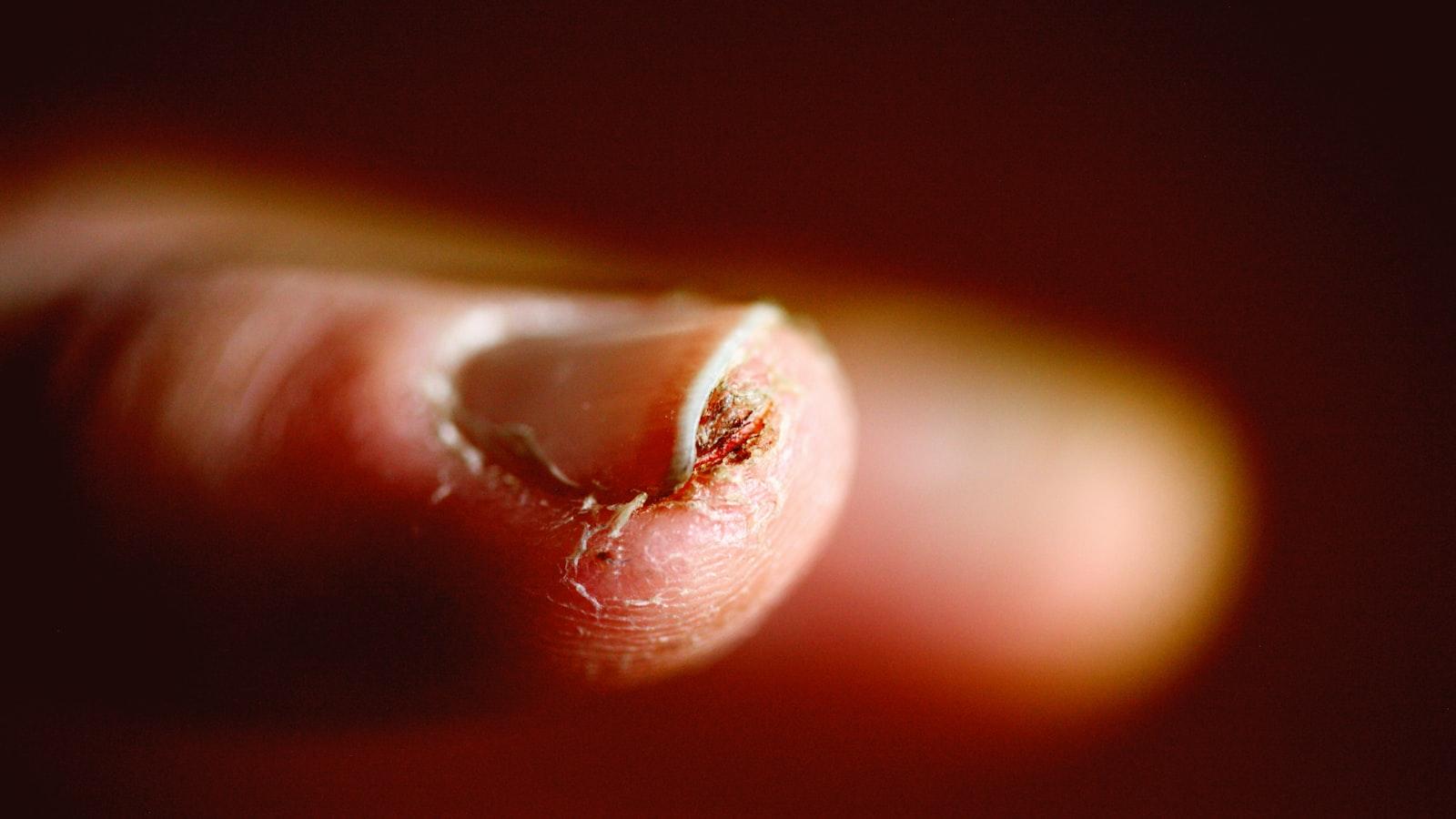
Your outer skin layer works like a brick wall, and the “mortar” is made of fats called ceramides plus cholesterol and fatty acids. If your keto version is very low-calorie, very low-fat, or overly repetitive, you can end up short on the building blocks that keep water in and irritants out. You’ll notice more stinging with products and more flaking around the nose, mouth, or hands, which is your cue to prioritize barrier-friendly fats and gentle topical care.
Electrolyte imbalance dries you out
Keto doesn’t just change sodium—it can also shift potassium and magnesium, which affects how your body distributes fluid and how well your skin and nerves tolerate dryness. If you’re getting muscle cramps, constipation, or a “wired but tired” feeling along with dry skin, electrolytes are a more likely culprit than “bad genetics.” A practical next step is to adjust electrolytes gradually and consistently for a week, rather than doing one huge dose that upsets your stomach.
Eczema flares from irritation
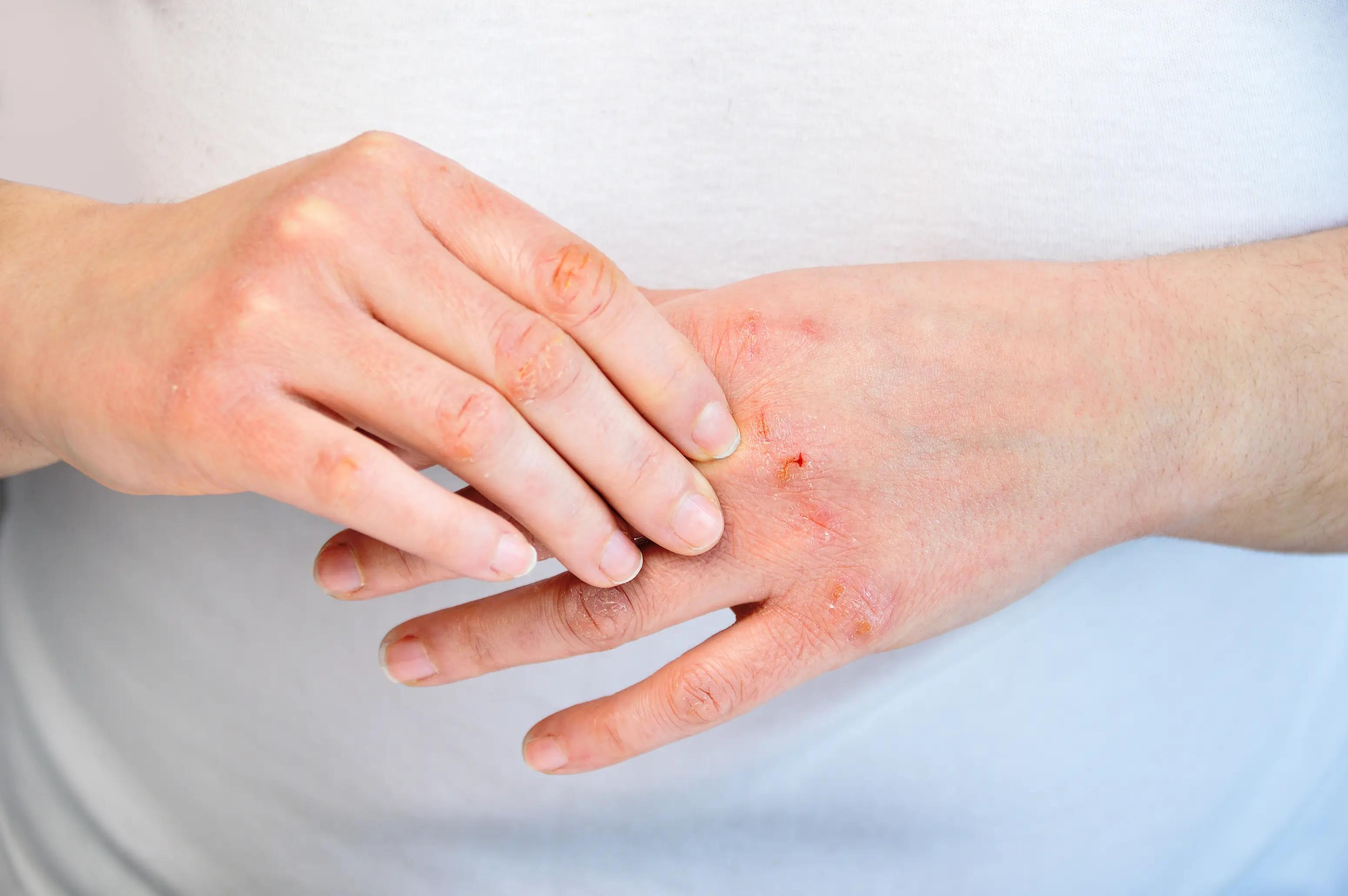
If you already have sensitive or eczema-prone skin (atopic dermatitis), keto can coincide with a flare because you’re showering more after workouts, using new “natural” soaps, or living in drier indoor air while you’re changing routines. The itch can be intense and the skin can look red or scaly, which is different from simple dryness. The takeaway is to treat it like a barrier-and-inflammation problem, not a hydration problem, and to be cautious with fragranced oils and exfoliating acids.
Thyroid slowdown or low iron
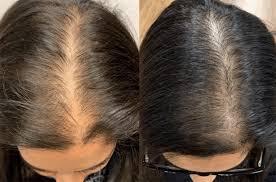
Some people unintentionally undereat on keto because appetite drops, and prolonged calorie restriction can nudge thyroid signaling lower. Low thyroid function can reduce oil production and slow skin turnover, so you feel dry, rough, and colder than usual. Low iron stores can also show up as dry skin plus hair shedding or brittle nails, so if dryness comes with fatigue or hair changes, it’s worth checking labs instead of assuming it’s “just keto.”
What actually helps your skin on keto
Use a sodium-first hydration plan
If your dryness started with the first weeks of keto, try adding sodium in a measured way rather than chugging more water. Many people do well with 1–2 cups of salty broth per day or adding about 1/2 teaspoon of salt split across meals, then adjusting based on thirst, dizziness, and swelling. If you have high blood pressure, kidney disease, or heart failure, ask your clinician for a personalized target before increasing salt.
Rebuild the barrier with ceramides
Switch your main moisturizer to a fragrance-free cream that contains ceramides, and apply it within three minutes of showering while your skin is still slightly damp. This traps water and replaces missing “mortar,” which is why it often works better than oils alone. If your hands are the worst, sealing the cream with a thin layer of petrolatum at night can make a noticeable difference in 3–5 days.
Stop harsh cleansing and hot showers
Hot water and foaming cleansers strip the oils your skin is already struggling to make. Keep showers lukewarm, limit them to about 10 minutes, and use a gentle, non-foaming cleanser only where you truly need it. If your skin stings after washing, that’s a sign your barrier is irritated, so “squeaky clean” is not the goal right now.
Add omega-3s and enough calories
If your keto is very lean, your skin may be missing essential fats that support barrier function and calm inflammation. Aim for fatty fish like salmon or sardines a couple times per week, or consider an omega-3 supplement if you don’t eat fish. Also check that you’re not chronically undereating, because persistent calorie restriction can worsen dryness and hair shedding even if your macros look perfect.
Treat itch like inflammation, not dryness
When itching is the main problem, a short course of an over-the-counter 1% hydrocortisone on small areas can help calm a flare while you fix the barrier, but it should not be your daily long-term plan. For widespread eczema, you may need prescription anti-inflammatory creams or evaluation for triggers like allergens. If you see honey-colored crusting, increasing pain, or rapidly spreading redness, get checked promptly because that can signal infection.
Useful biomarkers to discuss with your clinician
Sodium
Sodium is the primary extracellular electrolyte essential for fluid balance, nerve transmission, muscle contraction, and blood pressure regulation. In functional medicine, sodium balance reflects kidney function, adrenal health, and hydration status. Low sodium (hyponatremia) can cause neurological symptoms and may indicate SIADH, adrenal insufficiency, or excessive water intake. High sodium may indicate dehydration, diabetes insipidus, or excessive salt intake. Optimal sodium levels support cellular energy prod…
Learn morePotassium
Potassium is the primary intracellular electrolyte crucial for muscle function, nerve transmission, and cardiovascular health. In functional medicine, potassium deficiency is extremely common due to low fruit/vegetable intake and high sodium diets. Potassium supports healthy blood pressure, prevents kidney stones, and maintains bone health. Low potassium increases risk of hypertension, arrhythmias, and stroke. Optimal potassium levels support heart rhythm, muscle function, and cellular metabolism. Potassium is e…
Learn moreTSH
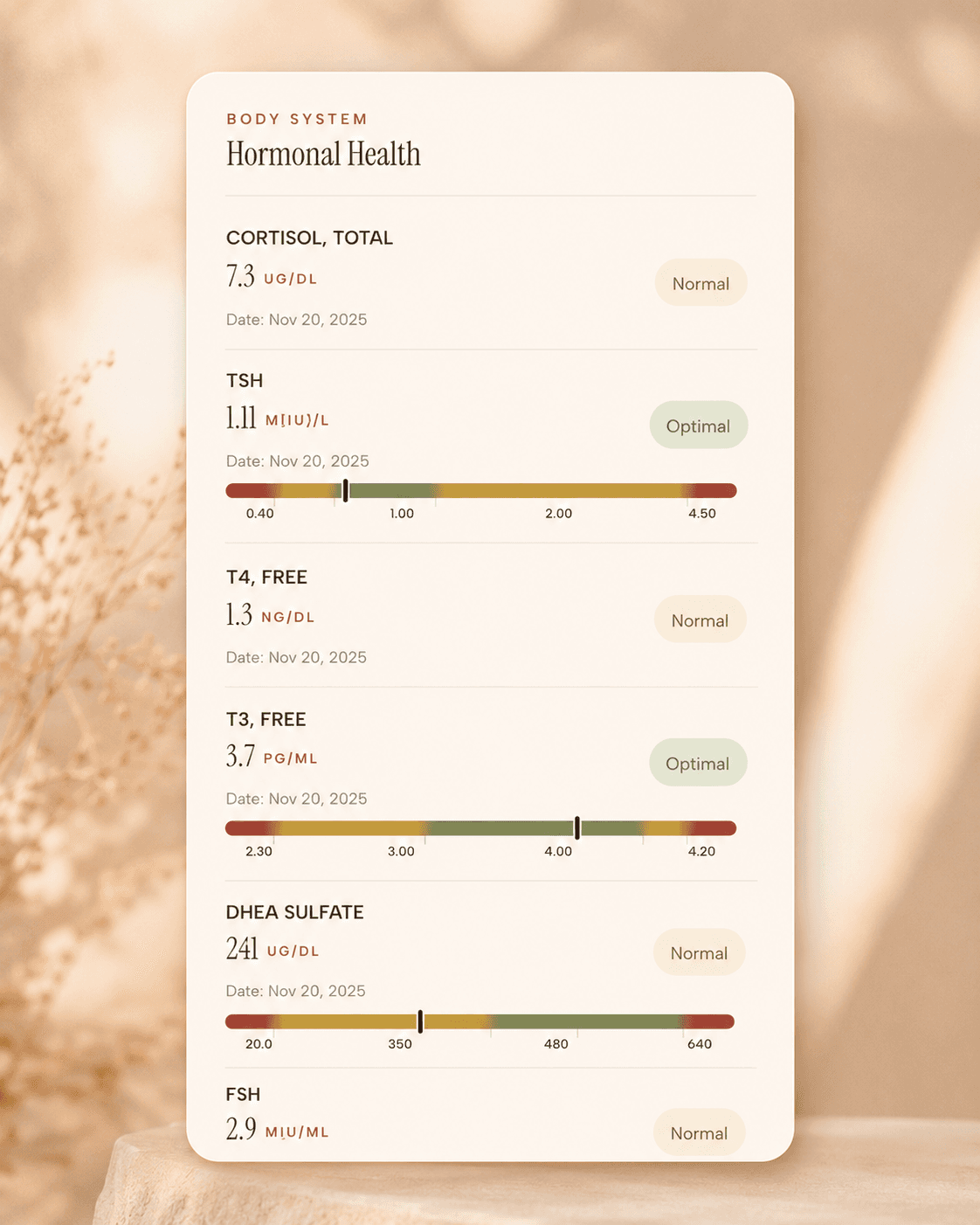
TSH is the master regulator of thyroid function, controlling the production of thyroid hormones T4 and T3. In functional medicine, we use narrower TSH ranges than conventional medicine to identify subclinical thyroid dysfunction early. Even mildly elevated TSH can indicate thyroid insufficiency, leading to fatigue, weight gain, depression, and metabolic dysfunction. TSH levels are influenced by stress, nutrient deficiencies, autoimmune conditions, and environmental toxins. Optimal TSH supports energy, metabolism…
Learn moreLab testing
Check TSH, free T4, ferritin, and vitamin D at Quest
starting from $99 panel with 100+ tests, one visit
No referral needed
About 1 week
Schedule online — results typically within a week
Clear next steps
Guidance included, with follow-up care available
HSA / FSA
Eligible for pre-tax health spending accounts
Pro Tips
Do a 7-day “salt check” if your dryness started soon after keto: keep water intake steady, then add a consistent salty broth or measured salt with meals and see if tightness and lightheadedness improve together.
If your face feels dry but also breaks out, switch to a gentle cleanser once daily and use a ceramide cream at night; over-washing can make both dryness and acne worse at the same time.
Treat your shower like a skin-care step: lukewarm water, no scrubbing tools, and moisturizer on damp skin immediately after. That one timing change often beats buying a more expensive product.
If you’re using an electrolyte mix, check the label for sodium content and spacing. Taking small doses across the day usually hydrates better than one big serving that sends you running to the bathroom.
If dryness comes with new hair shedding or brittle nails, don’t just add biotin and hope. Get ferritin and TSH checked and adjust your calories for two weeks, because under-fueling is a common hidden driver.
Frequently Asked Questions
Is dry skin a sign you’re in ketosis?
Not reliably. Dry skin on keto is more often a sign of early water-and-salt loss or an irritated skin barrier, and you can be in ketosis without any skin changes. If dryness started within the first 1–3 weeks and you’re also peeing more or feeling dizzy when standing, focus on sodium and hydration rather than chasing ketone numbers.
How long does keto dry skin last?
If it’s mainly from the early “water loss” phase, many people notice improvement within 1–3 weeks once electrolytes and hydration are steady. If it’s a barrier problem or eczema flare, it can take 2–6 weeks of consistent gentle cleansing and ceramide-based moisturizing to really calm down. If it keeps worsening after a month, consider labs like TSH, ferritin, and vitamin D to look for a second cause.
Why am I itchy on keto even with moisturizer?
Moisturizer helps, but itch often means inflammation, not just dryness. Hot showers, fragranced oils, and over-cleansing can keep your skin irritated even if you apply cream twice a day. Try a fragrance-free ceramide cream plus lukewarm showers for a week, and if the itch is widespread or you see red, scaly patches, treat it like an eczema flare and consider medical guidance.
What foods help dry skin on keto?
Foods that support the skin barrier tend to be those with essential fats and enough overall energy, such as fatty fish, eggs, and olive oil-based meals that aren’t overly restrictive. If your keto is very low-calorie or very low-fat, your skin can look dry even if your carbs are low. A practical move is to add fatty fish twice weekly and make sure you’re not chronically undereating.
Which labs should I check for dry skin on keto?
If dryness is persistent or comes with fatigue, hair shedding, or feeling cold, start with TSH for thyroid signaling, ferritin for iron stores, and 25(OH) vitamin D for barrier and immune support. Many people feel best with TSH around 0.5–2.5 mIU/L, ferritin around 50–100 ng/mL for hair/skin goals, and vitamin D around 30–50 ng/mL. Use the results to guide a specific fix, not random supplements.
What the research says
Low-carb diets increase early sodium and water loss (keto diuresis) through insulin-related kidney effects
Atopic dermatitis guidelines emphasize barrier repair with moisturizers and anti-inflammatory treatment during flares
Vitamin D and skin: evidence links vitamin D status with skin barrier and inflammatory skin conditions