Hair Thinning on Keto Diet: Causes, Fixes, and Lab Tests
Hair thinning on keto diet often comes from calorie deficit stress, low protein or iron, and thyroid shifts. Targeted labs available at Quest—no referral needed.





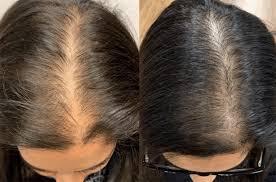
Hair thinning on keto diet is usually temporary shedding triggered by a calorie deficit, not enough protein or iron, or a thyroid shift that shows up after rapid weight loss. It often starts 6–12 weeks after you change your diet because your hair follicles “pause” and then shed later. Simple blood tests can help you tell the difference between normal stress shedding and a correctable deficiency. This is scary because it feels like your body is betraying you right when you’re trying to get healthier. The good news is that most keto-related shedding is reversible once you fix the underlying signal your body is responding to. Below, you’ll learn the most common reasons keto can push hair into a shedding phase, what changes actually help, and which labs can confirm whether you’re dealing with low iron stores, thyroid imbalance, or something else. If you want help matching your pattern to the most likely cause, PocketMD can walk through your timeline and symptoms with you, and Vitals Vault labs can give you objective data to work from.
Why your hair thins on keto
Calorie deficit stress shedding
If keto puts you in a big calorie deficit, your body treats it like a stressor and shifts more hairs into a resting phase, which means they shed a couple months later. This is called stress shedding (telogen effluvium), and it often shows up as handfuls of hair in the shower rather than bald patches. The takeaway is timing: if your shedding started about 2–3 months after rapid weight loss or appetite suppression, the fix is usually to ease the deficit instead of cutting harder.
Not enough protein to build hair
Hair is mostly protein, and when your intake drops too low your body prioritizes organs over “non-urgent” projects like hair growth. On keto this can happen if you rely heavily on fats and forget that you still need adequate protein every day. You might notice your ponytail feels thinner and your hair breaks more easily. A practical move is to aim for a consistent protein target and spread it across meals so your follicles get a steady supply.
Low iron stores (low ferritin)
You can have “normal” hemoglobin and still have low iron reserves, which is what ferritin measures. When ferritin is low, your follicles struggle to stay in the growth phase, so shedding increases and regrowth can look slow or wispy. This is especially common if you have heavy periods, are postpartum, donate blood, or cut out iron-rich foods when you changed your diet. If you suspect this, testing ferritin is more useful than guessing with supplements.
Thyroid shift after weight loss
Rapid weight loss and big diet changes can unmask an underlying thyroid problem or change how much thyroid hormone your body needs. When your thyroid is underactive, hair can thin diffusely and feel dry, and you might also notice constipation, feeling cold, or fatigue that is out of proportion to your workouts. The key point is that “keto flu” should not last for months, so persistent symptoms plus shedding is a reason to check thyroid labs.
Hormone and postpartum timing
If you recently had a baby, stopped birth control, or are in perimenopause, your hair cycle can shift dramatically regardless of what you eat. Postpartum shedding typically peaks around 3–4 months after delivery, and keto can get blamed simply because it overlaps with that window. You might feel like the shedding is endless, but the follicles are usually capable of regrowing once hormones stabilize. Your best clue is the calendar: line up your diet change with major hormone events before you assume keto is the sole cause.
What actually helps hair regrow on keto
Reduce the deficit, not the carbs
If you are losing weight quickly, try increasing calories slightly for 4–8 weeks while keeping carbs low, because hair follicles respond to energy availability more than to ketosis itself. In real life that can mean adding a protein-forward snack or increasing portion sizes at meals. You are looking for a steadier weight trend, not a stall forever. Many people see shedding slow down before they see obvious regrowth.
Hit a daily protein floor
Pick a protein minimum you can reliably meet, then build meals around it instead of around fat. A common practical range is about 1.2–1.6 g/kg/day if you are active or dieting, although your needs vary with size and goals. If you struggle with appetite, using protein earlier in the day often helps you reach the target without feeling stuffed at night. Consistency matters more than “perfect macros” for hair.
Fix iron only if it’s low
If ferritin is low, correcting it can make a real difference, but taking iron blindly can backfire because too much iron is also a problem. Your clinician may recommend a specific dose and schedule, and you usually recheck ferritin after about 8–12 weeks to confirm it is actually rising. For many people, an “optimal” ferritin for hair is often around 50–100 ng/mL, even if the lab’s lower limit is much lower. Pair iron with vitamin C and avoid taking it with coffee or calcium to improve absorption.
Treat the thyroid, not the trend
If your TSH is high or your free T4 is low, the goal is to correct thyroid hormone levels rather than chasing supplements or changing your diet again. Once thyroid levels are back in a good range, shedding often improves, but regrowth can take several months because hair cycles are slow. If you are already on thyroid medication, weight loss can change the dose you need, so it is worth rechecking labs instead of assuming your prescription is still perfect. Bring your symptom timeline to the appointment because it helps interpret borderline results.
Use gentle hair practices temporarily
While your follicles recover, reduce the extra breakage that makes thinning look worse. That means loosening tight hairstyles, minimizing heat styling, and being careful with aggressive brushing when wet. This does not fix the root cause, but it buys you time and preserves the regrowth you are trying to protect. If you see patchy bald spots, scalp scaling, or eyebrow loss, that is a different pattern and deserves a targeted evaluation.
Useful biomarkers to discuss with your clinician
Ferritin
Ferritin is your body's iron storage protein, reflecting total iron stores in the body. In functional medicine, ferritin assessment is crucial for identifying both iron deficiency and iron overload, conditions that can significantly impact energy levels and overall health. Low ferritin is the earliest sign of iron deficiency, often occurring before anemia develops. This can cause fatigue, weakness, restless leg syndrome, and cognitive impairment. Conversely, elevated ferritin may indicate iron overload, inflamma…
Learn moreTSH
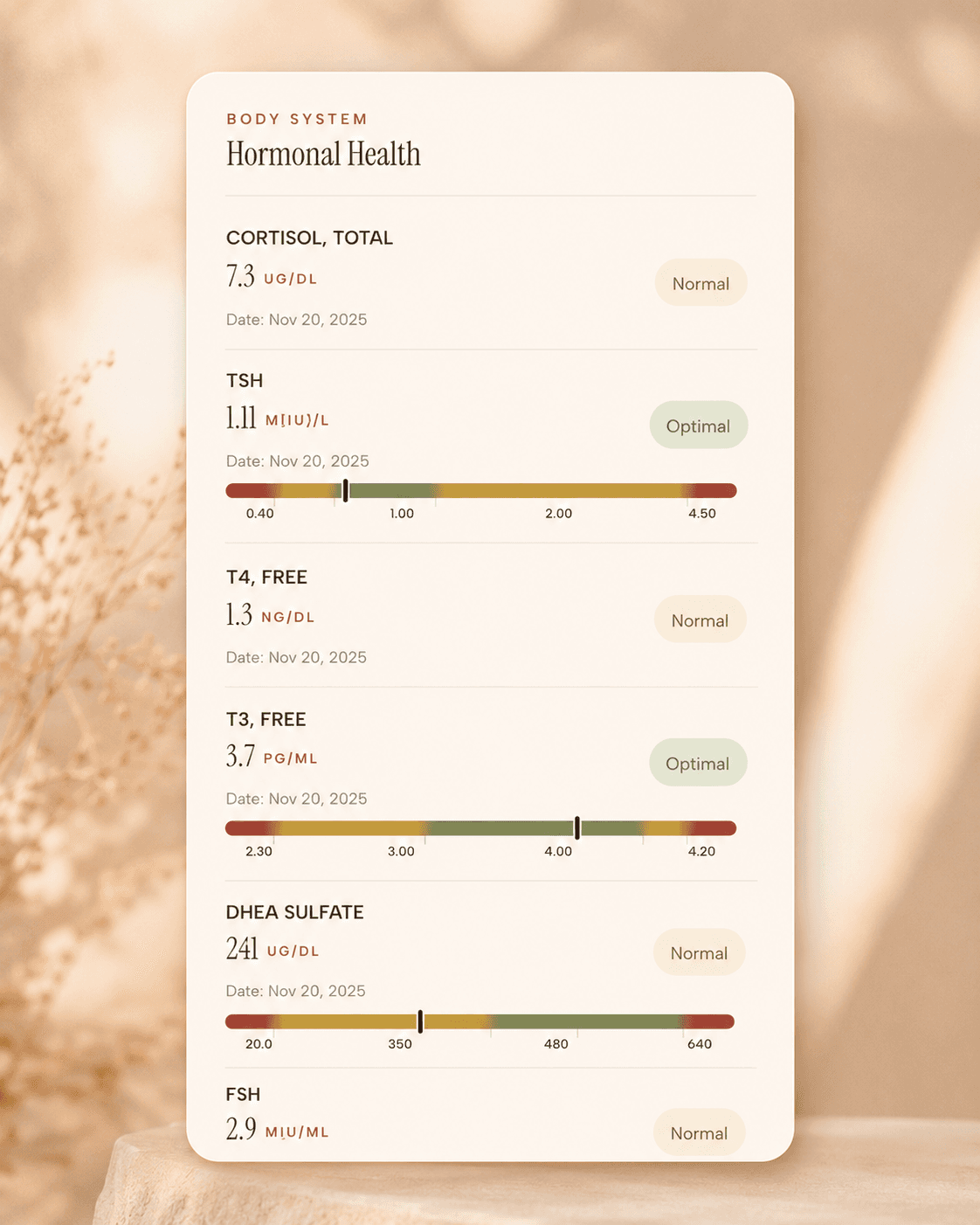
TSH is the master regulator of thyroid function, controlling the production of thyroid hormones T4 and T3. In functional medicine, we use narrower TSH ranges than conventional medicine to identify subclinical thyroid dysfunction early. Even mildly elevated TSH can indicate thyroid insufficiency, leading to fatigue, weight gain, depression, and metabolic dysfunction. TSH levels are influenced by stress, nutrient deficiencies, autoimmune conditions, and environmental toxins. Optimal TSH supports energy, metabolism…
Learn moreProtein, Total
Total protein levels reflect nutritional status, liver function (protein synthesis), and kidney function (protein retention). Abnormal levels can indicate liver disease, kidney disease, malnutrition, inflammation, or blood cancers. It provides a general overview of protein metabolism. Total protein measures the combined amount of albumin and globulins in blood. These proteins are essential for maintaining fluid balance, transporting substances, fighting infections, and blood clotting.
Learn moreLab testing
Check ferritin, TSH, and free T4 at Quest
starting from $99 panel with 100+ tests, one visit
No referral needed
About 1 week
Schedule online — results typically within a week
Clear next steps
Guidance included, with follow-up care available
HSA / FSA
Eligible for pre-tax health spending accounts
Pro Tips
Do a quick “timeline audit”: write down the week you started keto, the week your weight dropped fastest, and the week shedding began. If shedding started 6–12 weeks after the biggest change, stress shedding is more likely than permanent hair loss.
For two weeks, take one photo of your hair part in the same lighting and angle every 3–4 days. It is a simple way to notice whether you are truly thinning or whether you are mainly seeing extra shed hairs that look dramatic in the drain.
If you are postpartum, treat keto as a secondary variable for now. Postpartum shedding usually peaks around months 3–4, so focus on adequate calories and protein first, then tighten carbs later if you still want to.
If you decide to supplement iron, do it only after checking ferritin, and recheck ferritin after 8–12 weeks. Hair changes lag behind lab changes, so the repeat test keeps you from guessing for months.
If your shedding comes with scalp itching, thick scale, or broken hairs near the scalp, try addressing the scalp itself rather than only nutrition. A dandruff shampoo used consistently for a few weeks can reduce inflammation that makes hair look thinner.
Frequently Asked Questions
Is hair loss on keto permanent?
Most hair thinning on keto is temporary stress shedding (telogen effluvium), which means the follicles are not “dead,” they are just cycling. Shedding often slows within 2–3 months after you correct the trigger, but visible regrowth can take 3–6 months. If you are seeing patchy bald spots or widening only at the temples or crown, get evaluated because that pattern can be different. A useful next step is to check ferritin and thyroid labs to rule out fixable contributors.
How long after starting keto does hair shedding start?
A classic pattern is shedding that begins about 6–12 weeks after the diet change or a period of rapid weight loss. That delay happens because hairs shift into a resting phase first and then shed later. If your shedding started within the first week or two, it is less likely to be true cycle-related shedding and more likely breakage, scalp irritation, or a separate issue. Track your start date and your fastest weight-loss window to interpret the timing.
What ferritin level is too low for hair growth?
Many people can have increased shedding when ferritin is below about 30 ng/mL, and regrowth often improves when ferritin is brought up into a more “hair-friendly” zone around 50–100 ng/mL. The lab’s normal range is designed for anemia screening, not for hair optimization, which is why “normal” can still feel wrong. If your ferritin is low, work with a clinician on dosing and recheck it in 8–12 weeks. Do not start high-dose iron without a number to guide you.
Can keto cause thyroid problems and hair loss?
Keto does not directly “break” your thyroid, but rapid weight loss and lower calorie intake can change thyroid signaling and can unmask hypothyroidism that was already developing. If you have hair thinning plus constipation, feeling cold, puffy face, or persistent fatigue, checking TSH and free T4 is reasonable. Many people feel best with TSH roughly around 0.5–2.5 mIU/L, but interpretation depends on your history and medications. If you are on thyroid meds, ask whether your dose needs adjusting after weight changes.
What should I eat on keto to stop hair loss?
The most helpful “food strategy” is usually not a special ingredient, but enough total energy and enough protein every day. If you are consistently under-eating, your body will keep prioritizing survival over hair growth even if your carbs are low. Build meals around protein first, then add fats for calories, and consider easing the deficit if you are losing weight very fast. If shedding persists beyond 3–4 months, get ferritin and thyroid labs so you are not guessing.
What the research says
Telogen effluvium is often triggered by physiologic stress and weight loss, with shedding delayed by weeks to months
Low ferritin is associated with diffuse hair loss patterns in many patients, although the exact “best” threshold varies
American Thyroid Association guidance on hypothyroidism evaluation and treatment, including lab interpretation and symptom context