Brittle Nails on Keto Diet: Causes, Fixes, and Lab Tests
Brittle nails on keto usually come from low protein, iron or zinc shortfalls, or thyroid shifts. Targeted blood tests are available—no referral needed.





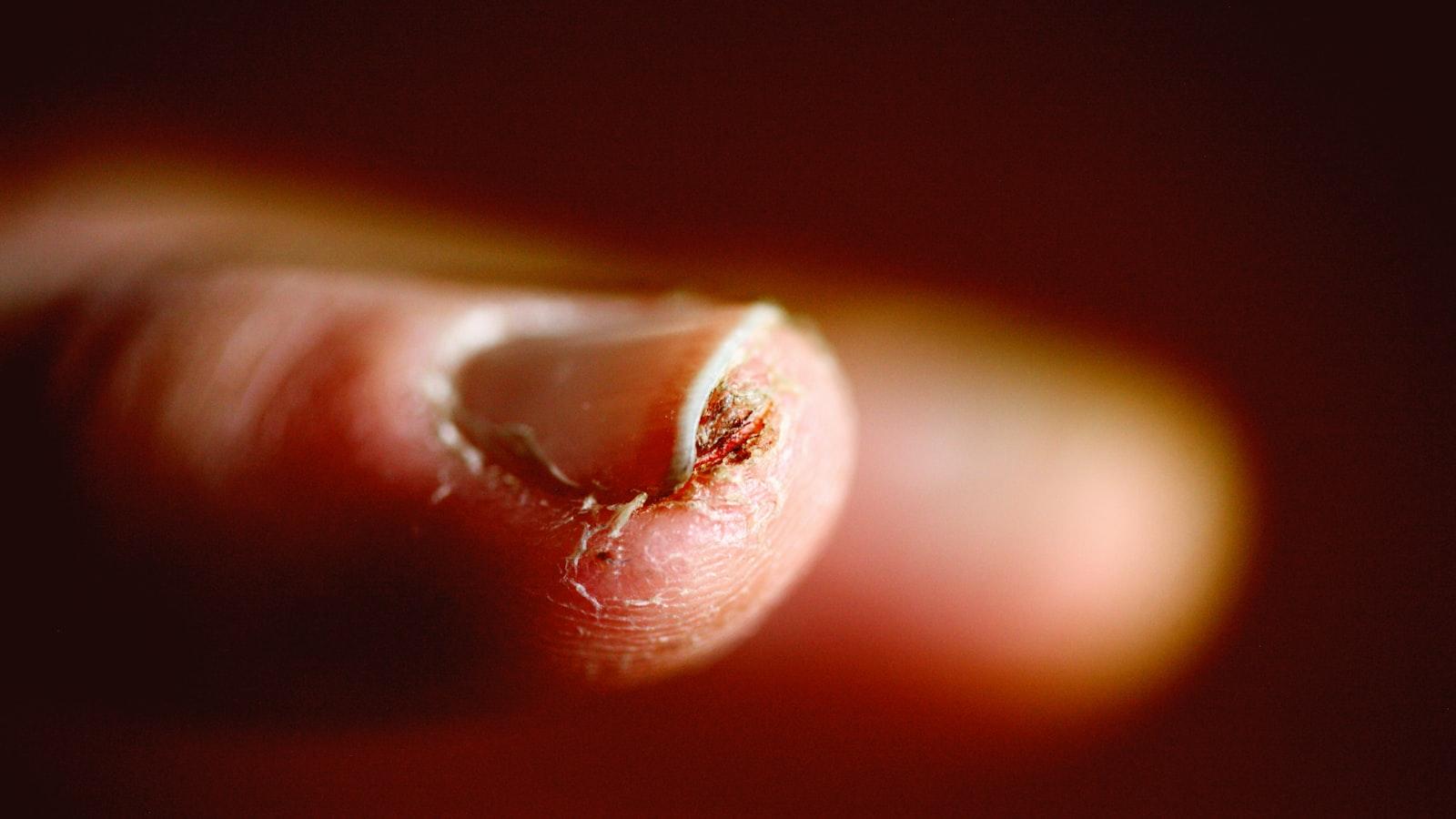
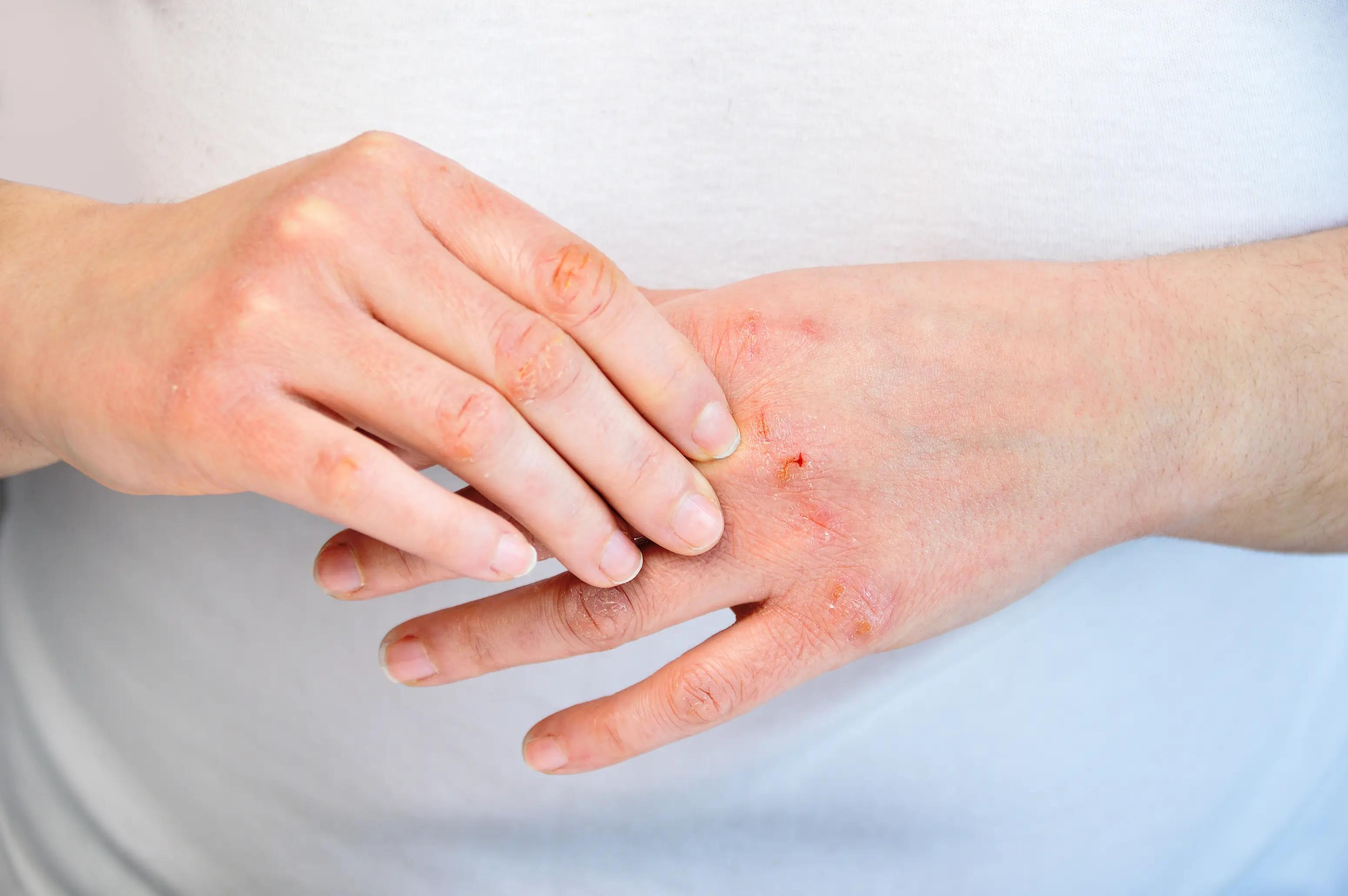
Brittle nails on a keto diet usually happen because your nail “building blocks” are running low, your thyroid slows down a bit during weight loss, or your iron and zinc stores drop without you noticing. Nails grow slowly, so what you changed weeks ago can show up now as peeling, splitting, or easy breakage. A few targeted labs can help you figure out which of these is driving it for you. Keto can be a great fit for appetite control and blood sugar, but it also changes what you eat, how much you eat, and how your body uses nutrients. That matters because nails are basically a long-term report card of protein intake, minerals, and hormones. If you want help sorting out your specific pattern, PocketMD can walk through your diet, symptoms, and meds with you, and Vitals Vault labs can confirm whether you are dealing with low iron, low zinc, or a thyroid shift instead of guessing.
Why your nails get brittle on keto
Not enough protein overall
Your nails are made mostly of keratin, which your body builds from amino acids in protein. If keto turns into “fat plus coffee” or you are eating much less overall, your body prioritizes organs and muscle repair before it prioritizes nail growth. The result is nails that feel thinner, bendy, and prone to splitting. A practical check is to aim for a consistent protein target each day and see whether new nail growth at the base looks smoother over the next 6–8 weeks.
Low iron stores (ferritin)
You can have normal hemoglobin and still have low iron reserves, and nails are one of the places that shows it. When ferritin is low, your nail matrix does not get the oxygen and enzymes it needs to build strong layers, so nails peel in sheets or break at the corners. This is more common if you have heavy periods, donate blood, or cut back on red meat when you start keto. If brittle nails come with hair shedding or getting winded easily, ferritin is worth checking rather than guessing with supplements.
Zinc shortfall from food shifts
Zinc helps the cells under your cuticle divide and “cement” nail layers together, which is why low zinc can look like peeling, ragged edges, or slow growth. Keto can accidentally lower zinc if you stop eating beans and whole grains but also do not replace them with zinc-rich options like meat, shellfish, and pumpkin seeds. You might also notice more frequent colds or slower wound healing, which can travel with low zinc. The takeaway is that zinc is a “small amount, big impact” nutrient, so a lab plus a diet review can be more useful than randomly doubling supplements.
Thyroid slowdown during weight loss
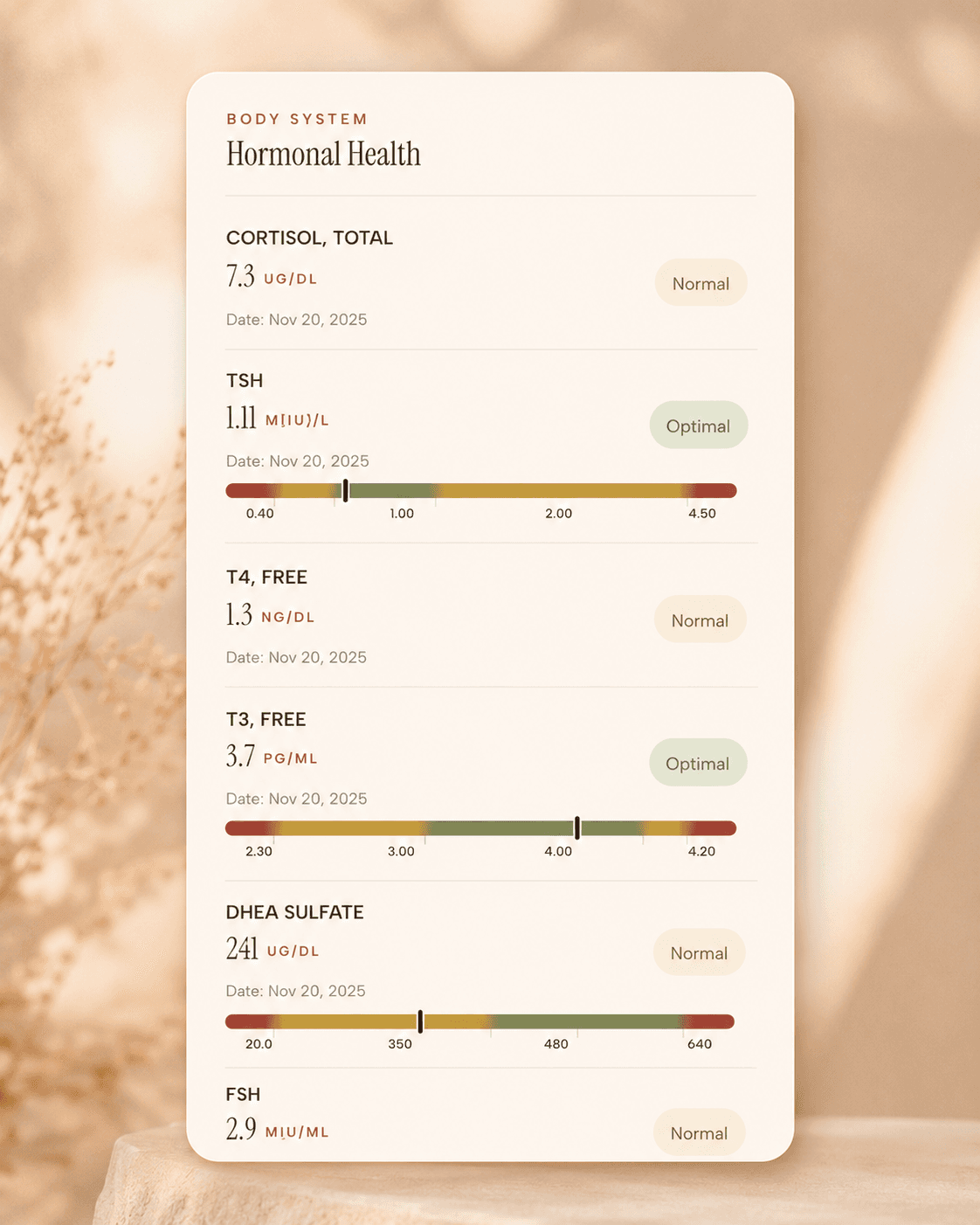
Rapid weight loss and lower calorie intake can reduce active thyroid hormone signaling, even if you have never had a thyroid diagnosis. When your thyroid runs a bit low, your nails can become dry and brittle because growth slows and the nail plate holds less moisture. If you also feel colder than usual, more constipated, or unusually tired, this cause moves higher on the list. Checking TSH with a clinician’s interpretation is especially important if you already take thyroid medication, because keto-related weight changes can shift your dose needs.
Dehydration and low electrolytes
Early keto causes a “water dump” as your body uses up stored carbs, and that can leave your skin and nails drier than you expect. Dry nails are less flexible, so they crack instead of bending when you bump them or type all day. This tends to show up alongside dry mouth, headaches, or muscle cramps in the first few weeks. If this is your pattern, fixing fluid and electrolytes often improves how your nails feel even before the nail itself grows out.
What actually helps your nails recover
Set a protein floor you hit daily
Pick a realistic minimum protein target and build meals around it, because consistency matters more than perfection. Many people do well starting around 25–35 grams per meal, then adjusting based on body size and training. When you hit protein reliably, the new nail growing from the base is usually less flimsy, but you have to give it time to show up. Take a quick photo of your nails every two weeks so you can see the “new growth line” improving.
Fix iron the safe way
If ferritin is low, food-first iron helps, but supplements can be the difference-maker when stores are truly depleted. The safest approach is to confirm ferritin and talk through dosing, because too much iron can cause stomach pain and is not harmless long-term. Pairing iron-rich foods with vitamin C (like bell peppers or citrus) improves absorption, while taking iron with coffee or calcium tends to blunt it. Recheck ferritin after about 8–12 weeks so you know you are actually rebuilding stores.
Use zinc strategically, not forever
If your diet is light on zinc-rich foods, adding them is the simplest fix, and it keeps you from overshooting with pills. If you do supplement, keep it time-limited and reasonable, because high-dose zinc can drive copper low and create a new problem. A common plan is a modest daily dose for 6–8 weeks while you improve food sources, then stop and reassess. If you are unsure, a zinc level plus symptom tracking makes this much less of a guessing game.
Protect the nail while it grows out
Even with perfect nutrition, the brittle part of the nail has to grow out, and that can take months. Keeping nails shorter, filing in one direction, and using a thick moisturizer or cuticle oil after handwashing reduces micro-cracks that turn into splits. If you use nail polish, a gentle base coat can reduce water loss and friction from daily life. Think of this as a cast for your nails while your body rebuilds the stronger layer underneath.
Recheck thyroid if symptoms fit
If brittle nails come with fatigue, constipation, feeling cold, or stalled weight loss, it is worth checking TSH rather than assuming it is “just keto.” For people already on levothyroxine, weight loss and diet changes can alter how much you need, and taking your dose with supplements like iron can interfere with absorption. The fix might be as simple as spacing pills correctly or adjusting a dose with your clinician. The sooner you identify a thyroid contribution, the less time you spend waiting for nails to improve on their own.
Useful biomarkers to discuss with your clinician
Ferritin
Ferritin is your body's iron storage protein, reflecting total iron stores in the body. In functional medicine, ferritin assessment is crucial for identifying both iron deficiency and iron overload, conditions that can significantly impact energy levels and overall health. Low ferritin is the earliest sign of iron deficiency, often occurring before anemia develops. This can cause fatigue, weakness, restless leg syndrome, and cognitive impairment. Conversely, elevated ferritin may indicate iron overload, inflamma…
Learn moreZinc
Zinc status affects immune function, growth and development, reproductive health, and cognitive function. Deficiency is common worldwide and can impair wound healing, taste perception, and immunity. Adequate zinc is essential for thyroid function, testosterone production, and skin health. Zinc is an essential trace mineral involved in over 300 enzymatic reactions in the body. It plays crucial roles in immune function, wound healing, protein synthesis, DNA synthesis, and cell division.
Learn moreProtein, Total
Total protein levels reflect nutritional status, liver function (protein synthesis), and kidney function (protein retention). Abnormal levels can indicate liver disease, kidney disease, malnutrition, inflammation, or blood cancers. It provides a general overview of protein metabolism. Total protein measures the combined amount of albumin and globulins in blood. These proteins are essential for maintaining fluid balance, transporting substances, fighting infections, and blood clotting.
Learn moreLab testing
Check ferritin, TSH, and zinc at Quest
starting from $99 panel with 100+ tests, one visit
No referral needed
About 1 week
Schedule online — results typically within a week
Clear next steps
Guidance included, with follow-up care available
HSA / FSA
Eligible for pre-tax health spending accounts
Pro Tips
Do a two-week “nail audit” of your keto routine: write down your daily protein estimate and whether you are in a steep calorie deficit, because brittle nails are often a delayed sign that you are under-eating.
Look at the base of your nail near the cuticle under bright light. If the new growth looks smoother while the tip still peels, that is a good sign your plan is working and you just need time for the damaged part to grow out.
If you start iron, take it away from coffee, tea, and calcium, and keep it at least four hours away from thyroid medication. That one timing change can be the difference between “nothing happens” and real improvement.
If you are using a high-dose biotin supplement, pause it for two days before blood tests unless your clinician tells you otherwise, because biotin can interfere with some lab assays and create confusing results.
Treat nails like skin on keto: after every handwash, rub a thick moisturizer into your nails and cuticles, because repeated wet-dry cycles are a common reason nails keep splitting even after nutrition improves.
Frequently Asked Questions
How long does it take for brittle nails to improve on keto?
You usually feel less splitting within a few weeks if dryness and electrolytes were the main issue, but true strength changes take longer because nails grow slowly. Fingernails grow about 3 millimeters per month, so it often takes 8–12 weeks to see clearly healthier new growth at the base. Take a photo every two weeks so you can track progress instead of relying on memory. If nothing changes by three months, it is time to check ferritin, TSH, or zinc.
Can keto cause iron deficiency and brittle nails?
Keto itself does not “use up” iron, but it can lead to lower iron intake if you reduce red meat or overall calories, and it can expose low stores if you already had heavy periods or donate blood. Brittle or peeling nails can show up when ferritin is low even if your hemoglobin is still normal. A ferritin under about 30 ng/mL is a common threshold where symptoms become more likely. If you suspect this, test ferritin before starting high-dose iron.
Is biotin worth taking for brittle nails on keto?
Biotin can help some people with brittle nails, but it is not a fix for low iron, low zinc, or thyroid problems, which are common drivers during dieting. If you try it, give it at least 8–12 weeks and watch for whether the new growth from the base looks less fragile. Also know that biotin can interfere with certain lab tests, so stop it for about 48 hours before bloodwork unless your clinician advises otherwise. If you are also losing hair or feeling very tired, prioritize ferritin and TSH testing.
What foods on keto help strengthen nails?
Nails respond best to steady protein plus minerals, so focus on foods that deliver both without breaking ketosis. Eggs, meat, and fish support keratin building, while shellfish and pumpkin seeds are especially helpful for zinc. If you tolerate dairy, Greek yogurt can make it easier to hit protein without huge portions. Pick one “anchor protein” you can eat daily and build your keto meals around it.
When should I worry that brittle nails mean a thyroid problem?
Brittle nails are more suggestive of a thyroid slowdown when they come with fatigue, constipation, feeling cold, dry skin, or a puffy face. A TSH test is the usual first step, and many people feel best when TSH is roughly 0.5–2.5 mIU/L, although your situation and medications matter. If you are already on thyroid medication, brittle nails can be a clue your dose or timing needs adjustment, especially if you started taking iron or magnesium. The actionable move is to check TSH and review your supplement timing with your clinician.