Why Your Blood Pressure Spikes After Exercise
Blood pressure spikes after exercise often come from normal exertion, dehydration, or medication timing. Targeted labs available at Quest—no referral needed.





Blood pressure spikes after exercise are often a normal response to intensity, but they can also happen when you are dehydrated, using stimulants, or not recovering well between intervals. Sometimes the “spike” is real hypertension showing up under stress, especially if your pressure stays high for a long time after you stop. A few targeted checks and labs can help you tell the difference and figure out what to change. This symptom is stressful because it sits in the grey zone between “my body is doing what it’s supposed to do” and “is this a warning sign?” The good news is that you can make this much less mysterious by measuring your blood pressure the right way, paying attention to recovery, and looking for patterns with sleep, caffeine, and medication timing. If you want help interpreting your numbers and symptoms, PocketMD can talk it through with you, and VitalsVault labs can help rule in or out common contributors like thyroid overactivity or electrolyte issues.
Why your blood pressure jumps after workouts
Normal surge from hard effort
When you lift heavy, sprint, or push to near-max effort, your body squeezes blood vessels and pumps harder to deliver oxygen, so your top number can rise sharply for a short time. That can feel like pounding in your chest or a head rush, especially if you stop suddenly. The key detail is recovery: in most people, blood pressure starts dropping within minutes once you cool down and keep moving lightly.
Dehydration and low salt balance
If you sweat a lot and replace fluids without enough electrolytes, your blood volume can drop and your stress hormones rise to compensate, which can drive a bigger blood pressure swing. You might notice dizziness when you stand, leg cramps, or a “wired but tired” feeling after training. A practical clue is dark urine or a big weight drop after a session, which suggests you under-replaced what you lost.
Caffeine or pre-workout stimulants
Caffeine and other stimulants can tighten blood vessels and raise your heart rate, which stacks on top of the normal exercise response. The spike often feels like jitters, a racing pulse, or a pressure headache that shows up earlier than usual in the workout. If your readings are highest on days you use a pre-workout, try a week without it and compare your numbers at the same training intensity.
Medication timing and rebound effects
Some blood pressure medicines wear off before your next dose, and some decongestants or anti-inflammatories can push pressure up, which means exercise becomes the moment you “see” the problem. You may notice that your post-workout readings are worse at a specific time of day, like early morning before meds kick in. If you take blood pressure medication, bring a simple log of dose timing and readings to your clinician so adjustments are based on data, not guesswork.
Hidden high blood pressure under stress
Exercise is a controlled stress test, so it can reveal blood pressure that is already trending high even if your resting numbers look okay. A red flag is when your pressure stays elevated for 30–60 minutes after you stop, or when you repeatedly see very high readings with only moderate effort. If you also get chest pressure, severe shortness of breath, one-sided weakness, or the “worst headache of your life,” treat that as urgent and get evaluated right away.
What helps your numbers come down
Measure at the right time
If you take your blood pressure immediately after you stop, you can catch a peak that would have settled quickly with a proper cool-down. Try this instead: do 5–10 minutes of easy walking or cycling, then sit quietly for 5 minutes and measure with your arm supported at heart level. Repeat once more after another 5 minutes, because the trend matters more than a single number.
Build a longer cool-down
A gradual cool-down helps your blood vessels relax and keeps blood from pooling in your legs, which can reduce that “surge then crash” feeling. This is especially helpful after intervals, heavy lifting, or hot-weather training. Aim to finish with easy movement and slow breathing until your heart rate is close to baseline.
Tweak intensity, not exercise itself
You do not have to quit working out, but you may need to change how you load your body for a few weeks. If heavy sets make your pressure jump, use lighter weights with more reps and avoid breath-holding, because straining can spike pressure fast. If running triggers it, try zone-2 cardio where you can speak in full sentences and slowly rebuild intensity as your recovery improves.
Hydrate based on sweat loss
Guessing often fails, so use a simple method: weigh yourself before and after a typical workout, and treat each pound lost as roughly 16 ounces (about 500 mL) of fluid to replace over the next few hours. If you are a salty sweater or you train longer than an hour, add electrolytes so replacement is not just water. This approach tends to reduce both post-workout spikes and the shaky, headache-y feeling that can follow them.
Review triggers and meds with data
Bring a one-page log that includes workout type, perceived effort, caffeine or pre-workout use, and blood pressure at 10 and 30 minutes after exercise. That pattern can point to fixable issues like stimulant sensitivity, poor sleep, or medication wearing off. If you are already diagnosed with hypertension, ask whether home monitoring or a 24-hour cuff (ambulatory monitoring) would better capture what is happening around training.
Useful biomarkers to discuss with your clinician
Sodium
Sodium is the primary extracellular electrolyte essential for fluid balance, nerve transmission, muscle contraction, and blood pressure regulation. In functional medicine, sodium balance reflects kidney function, adrenal health, and hydration status. Low sodium (hyponatremia) can cause neurological symptoms and may indicate SIADH, adrenal insufficiency, or excessive water intake. High sodium may indicate dehydration, diabetes insipidus, or excessive salt intake. Optimal sodium levels support cellular energy prod…
Learn morePotassium
Potassium is the primary intracellular electrolyte crucial for muscle function, nerve transmission, and cardiovascular health. In functional medicine, potassium deficiency is extremely common due to low fruit/vegetable intake and high sodium diets. Potassium supports healthy blood pressure, prevents kidney stones, and maintains bone health. Low potassium increases risk of hypertension, arrhythmias, and stroke. Optimal potassium levels support heart rhythm, muscle function, and cellular metabolism. Potassium is e…
Learn moreCreatinine
Creatinine is a waste product of muscle metabolism that is filtered by the kidneys and serves as the primary marker of kidney function. In functional medicine, creatinine levels reflect not only kidney health but also muscle mass and protein metabolism. Elevated creatinine indicates reduced kidney filtration capacity, while very low levels may indicate muscle wasting or poor protein intake. Creatinine is used to calculate eGFR and helps assess long-term kidney health and detoxification capacity. Creatinine measu…
Learn moreLab testing
Get thyroid and electrolyte labs checked at Quest
starting from $99 panel with 100+ tests, one visit
No referral needed
About 1 week
Schedule online — results typically within a week
Clear next steps
Guidance included, with follow-up care available
HSA / FSA
Eligible for pre-tax health spending accounts
Pro Tips
Do one “standardized” workout each week (same route, pace, and temperature when possible) and measure your blood pressure at 10 and 30 minutes after; patterns show up fast when the workout stays constant.
If you lift, practice exhaling through the hardest part of the rep and stop yourself from breath-holding, because that single habit change can noticeably blunt pressure spikes.
If your readings are only high right after you stop, try extending your cool-down until you can breathe through your nose and speak comfortably; then measure, because that is closer to your true recovery pressure.
On stimulant days, cap caffeine at about 200 mg and avoid “stacked” products; if your spike disappears, you have your answer without needing a complicated workup.
If you use a wrist cuff, confirm it against an upper-arm cuff at least once, because wrist devices often read high after exercise when your arm position is slightly off.
Frequently Asked Questions
Is it normal for blood pressure to spike after exercise?
A rise during hard exercise is normal because your heart pumps more forcefully to meet demand, and your top number can climb a lot during intense effort. What is more important is how quickly it comes down once you cool down and rest. If your blood pressure stays high 30–60 minutes after stopping, start tracking it and bring the pattern to a clinician.
How long should it take for blood pressure to return to normal after a workout?
For many people, blood pressure begins dropping within minutes and is much closer to baseline by about 30 minutes, especially after a proper cool-down. Heat, dehydration, and stimulants can slow that recovery. Measure at 10 and 30 minutes post-workout to see whether you are trending down the way you should.
What blood pressure is too high after exercise?
There is no single perfect cutoff because intensity matters, but very high numbers that persist are the concern, not a brief peak. If you repeatedly see readings at or above 180/120 after moderate exercise, or you have chest pain, severe headache, fainting, or neurologic symptoms, get urgent care. If the numbers are lower but consistently elevated after workouts, schedule a blood pressure review and bring your log.
Can caffeine or pre-workout cause high blood pressure after the gym?
Yes, stimulants can tighten blood vessels and raise heart rate, which can make your post-workout readings jump higher than they otherwise would. A simple test is to repeat the same workout for a week without pre-workout and compare blood pressure at 10 and 30 minutes after. If the spike improves, you can decide whether to lower the dose, switch products, or skip it.
What labs are worth checking for blood pressure spikes after exercise?
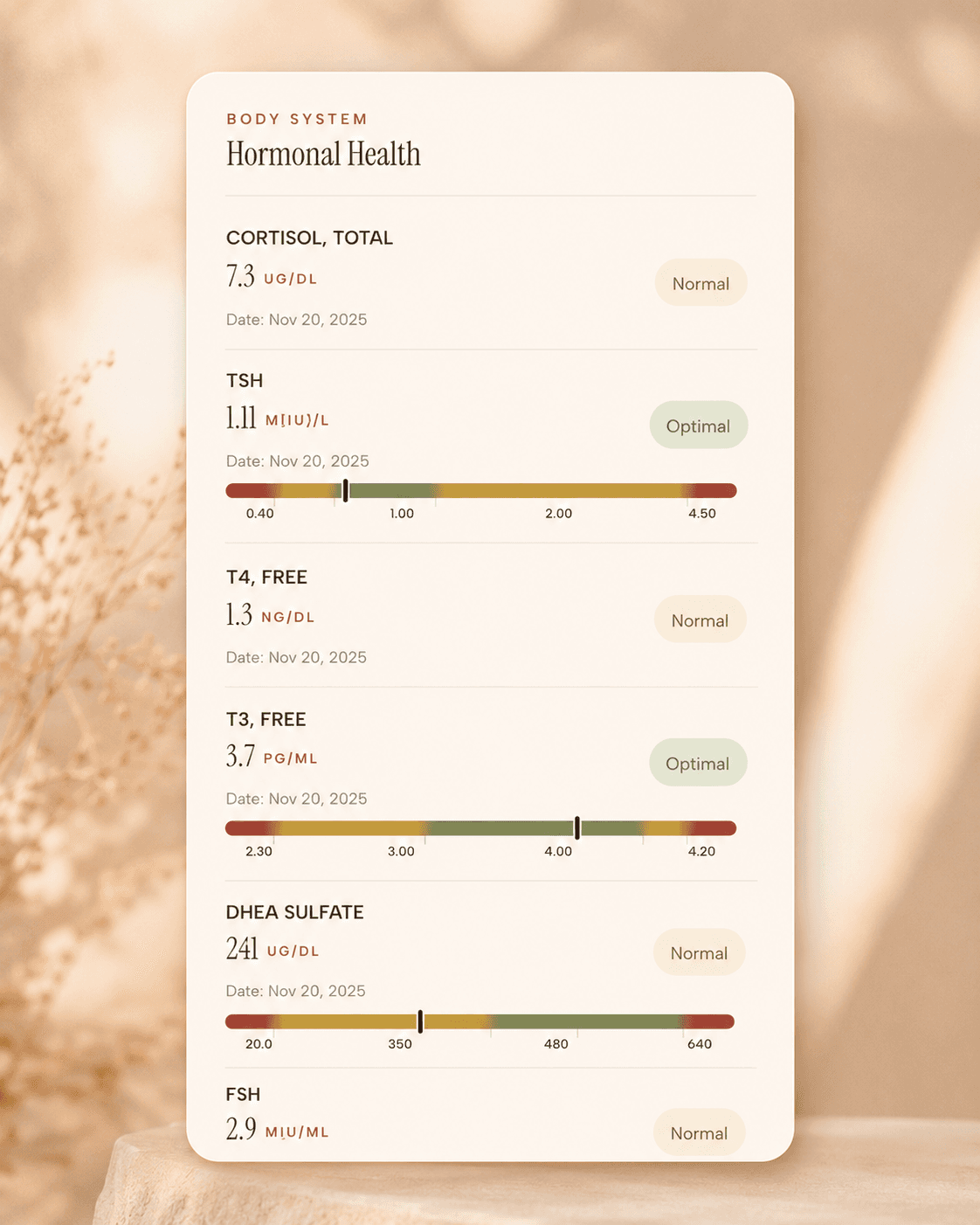
TSH can help screen for an overactive thyroid that makes your cardiovascular system feel “revved” during exercise. A comprehensive metabolic panel checks electrolytes and kidney markers that influence blood pressure stability, especially if you sweat heavily or take diuretics. If spikes are dramatic and episodic with pounding headaches and sweating, plasma free metanephrines can help rule out a rare adrenaline-driven cause—ask for testing based on your pattern.
What the research says
AHA scientific statement on exercise and hypertension (how to exercise safely and what BP responses can mean)
European Society of Cardiology guidance on sports cardiology and exercise in people with cardiovascular risk
ACC/AHA guideline for high blood pressure in adults (home monitoring and thresholds that change management)