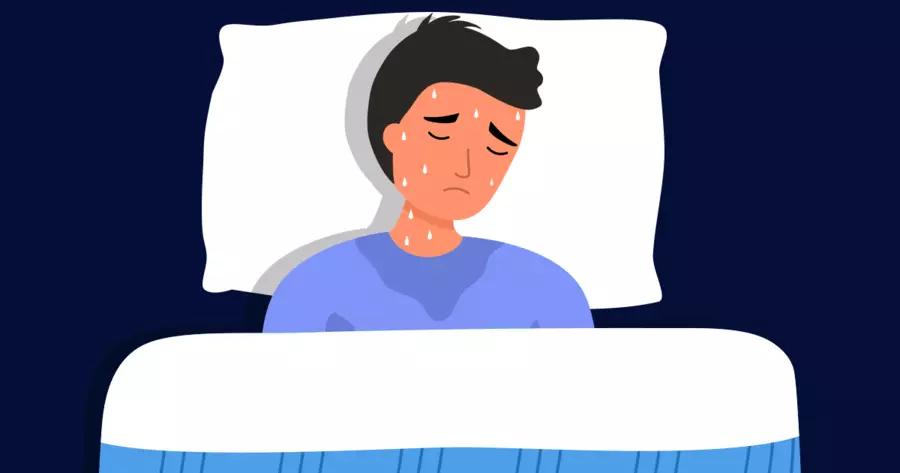
Hot Flashes After Exercise: What They Mean and What Helps
Hot flashes after exercise often come from hormone shifts, an overreactive stress response, or thyroid overactivity. Targeted labs available—no referral needed.





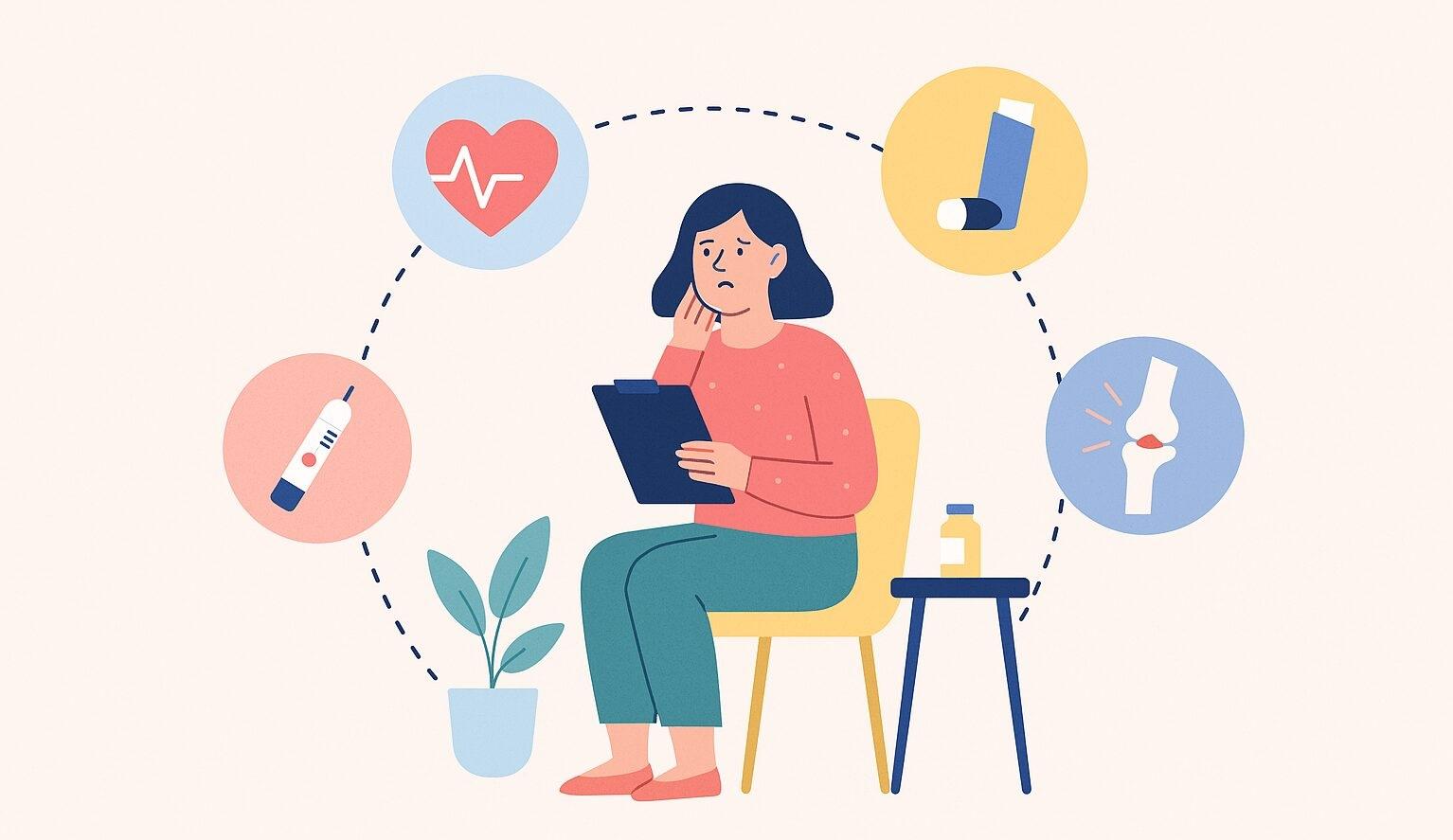
Hot flashes after exercise usually happen because your body’s cooling system overshoots, your brain’s temperature control center (hypothalamus) is extra sensitive from hormone shifts, or your stress hormones surge harder than expected. Sometimes the “flush” is a clue that your thyroid is running fast or that a medication is amplifying heat and heart rate. A few targeted labs can help sort out which pattern fits you so you’re not guessing. It’s frustrating because exercise is supposed to make you feel better, not suddenly drenched, red-faced, and embarrassed in the parking lot. The good news is that post-workout hot flashes are often fixable once you identify your trigger: intensity, timing, hydration and electrolytes, room temperature, or a hormonal window like perimenopause or treatment-related menopause. If your episodes come with chest pain, fainting, severe shortness of breath, or confusion, treat that as urgent and get checked right away. For everything else, this page walks you through the most common causes, what helps in real life, and how PocketMD and targeted Vitals Vault labs can support a clearer plan.
Why you get hot flashes after exercise
Your cooling system overshoots
When you work out, your core temperature rises and your body opens up skin blood vessels to dump heat. If you stop suddenly, or you cool down in a warm room, that heat-release response can keep running for a while, which feels like a sudden wave of heat and sweating. A longer cool-down and a gradual drop in intensity often reduces the “after-burn” flush within a week.
Perimenopause makes heat triggers easier
Falling and fluctuating estrogen can make your brain’s thermostat more jumpy, so a normal workout becomes “too much heat” even if your fitness is fine. You might notice the flush is worse in the week before your period, or it shows up with sleep disruption and mood changes. The takeaway is that the same workout can feel completely different across your cycle, so adjusting intensity during your worst week is not “giving up,” it’s smart pacing.
Thyroid running fast (hyperthyroidism)
If your thyroid is overactive, your baseline metabolism runs hot, and exercise can push you into a sweaty, shaky, heart-racing zone quickly. This can look like “I’m just out of shape,” but it often comes with heat intolerance on non-workout days, frequent bowel movements, or unexplained weight loss. If this sounds familiar, a TSH and free T4 test is a practical first step because treating thyroid overactivity usually improves the flushing.
Low blood sugar after training
Long workouts, fasted training, or not refueling can drop your blood sugar, and your body answers by releasing adrenaline to keep you going. Adrenaline can cause a hot, prickly flush, sweating, and a shaky or anxious feeling that hits after you stop. A simple experiment helps: add 20–30 g of carbs plus some protein within an hour after exercise and see if the episodes fade.
Medication or hormone therapy effects
Some medications make flushing more likely by widening blood vessels or changing how your brain handles temperature signals. This is especially common with certain antidepressants, opioids, niacin, and with estrogen blockers used in breast cancer care, where hot flashes can be intense and exercise can trigger them. If your symptoms started after a new prescription or dose change, bring that timeline to your clinician because switching timing, dose, or the specific drug can make a big difference.
What actually helps after-workout hot flashes
Build a real cool-down routine
Give your body 8–12 minutes to step down instead of stopping abruptly, because your blood vessels and sweat response lag behind your legs. Try a slow walk or easy cycling until your breathing is close to normal, then stretch. If you can, finish with a brief cool rinse on your forearms or neck, which helps your brain register “we’re safe to cool off now.”
Change intensity, not consistency
Hot flashes are often intensity-sensitive, which means the same workout at a slightly lower heart-rate zone can feel completely different. For two weeks, cap your hardest intervals and see whether the flush disappears, then add intensity back in small steps. This approach is especially helpful in perimenopause, where your threshold can shift from week to week.
Refuel to prevent adrenaline spikes
If your flush comes with shakiness or a wired feeling, treat it like a recovery problem, not a willpower problem. Aim for a snack or meal that includes carbs and protein soon after training, and consider adding a little salt if you sweat heavily. You’re trying to prevent the “rescue adrenaline” surge that can feel exactly like a hot flash.
Dress and plan for heat dumping
Wear breathable layers you can remove quickly, and avoid finishing your workout in a hot locker room or in direct sun if that’s when you flush. A small towel and a cold drink are not just comfort items—they shorten the time your skin stays flushed and sweaty. If you’re embarrassed in public gyms, pick a spot near airflow or a fan so you can cool down without feeling watched.
Treat the underlying driver when needed
If labs or your history point to thyroid overactivity, anemia, or menopause-related vasomotor symptoms, the most effective “solution” is addressing that root cause. For menopause-related hot flashes, options can include non-hormonal prescriptions, or hormone therapy for some people after a personalized risk–benefit discussion. If you’re a breast cancer survivor or on estrogen-blocking therapy, ask specifically about evidence-based non-hormonal hot flash treatments so you’re not told to just “push through.”
Useful biomarkers to discuss with your clinician
TSH
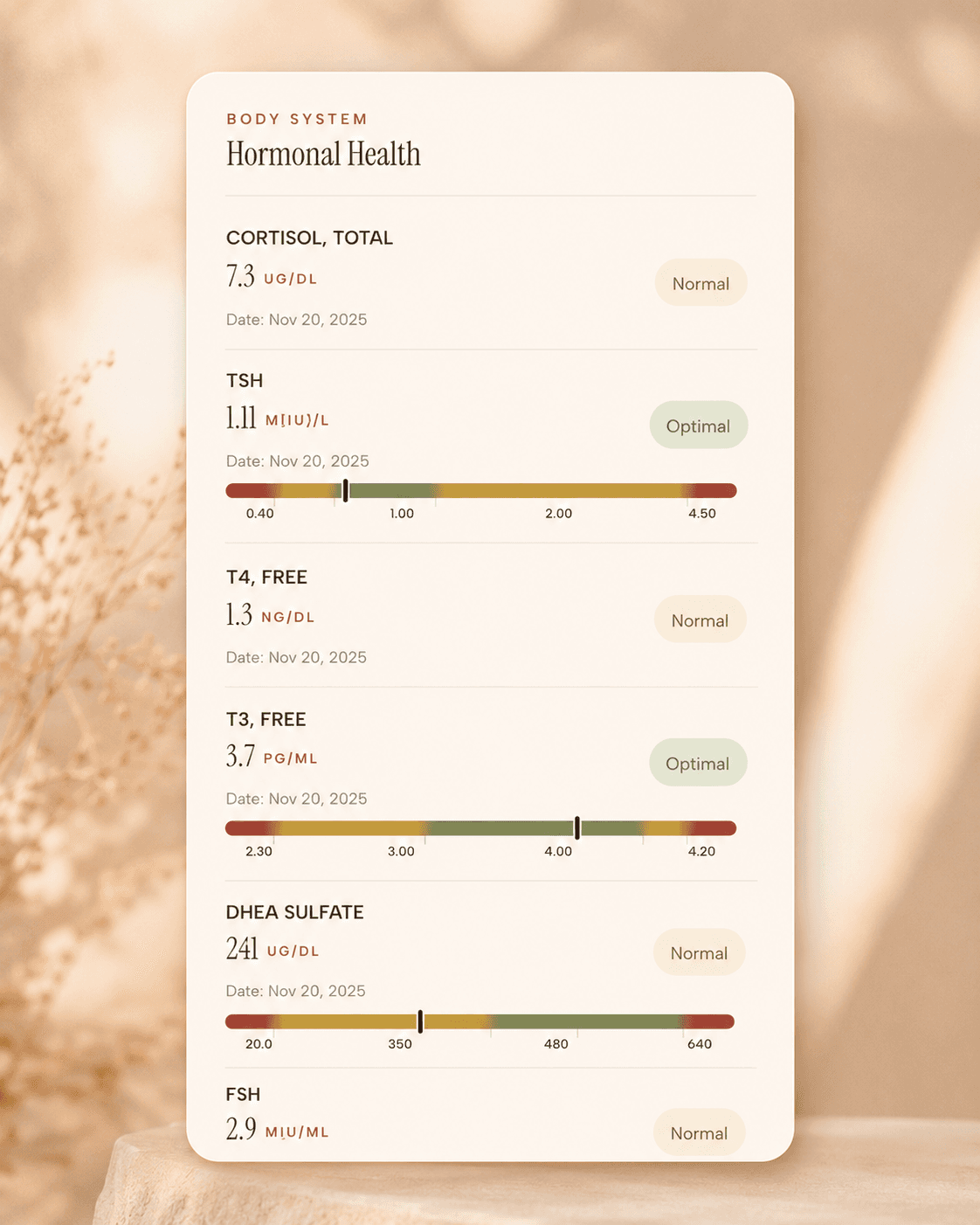
TSH is the master regulator of thyroid function, controlling the production of thyroid hormones T4 and T3. In functional medicine, we use narrower TSH ranges than conventional medicine to identify subclinical thyroid dysfunction early. Even mildly elevated TSH can indicate thyroid insufficiency, leading to fatigue, weight gain, depression, and metabolic dysfunction. TSH levels are influenced by stress, nutrient deficiencies, autoimmune conditions, and environmental toxins. Optimal TSH supports energy, metabolism…
Learn moreEstradiol
Estradiol in men is produced from testosterone via aromatase enzyme. In functional medicine, we recognize that men need optimal estradiol levels for bone health, cognitive function, and cardiovascular protection. However, excessive estradiol can suppress testosterone production and cause feminizing effects. The testosterone-to-estradiol ratio is crucial for male health, with optimal balance supporting vitality while preventing estrogen dominance. Balanced estradiol levels in men support bone health and cognitive…
Learn moreGlucose
Fasting glucose is a fundamental marker of glucose metabolism and insulin function. In functional medicine, we recognize that even 'normal' glucose levels in the upper range may indicate early insulin resistance. Optimal fasting glucose reflects efficient glucose regulation and insulin sensitivity. Elevated fasting glucose suggests the body's inability to maintain normal glucose levels overnight, indicating hepatic insulin resistance or insufficient insulin production. This marker is essential for early detectio…
Learn moreLab testing
Get TSH, free T4, and estradiol checked at Quest
starting from $99 panel with 100+ tests, one visit
No referral needed
About 1 week
Schedule online — results typically within a week
Clear next steps
Guidance included, with follow-up care available
HSA / FSA
Eligible for pre-tax health spending accounts
Pro Tips
Run a 14-day “flush log” that includes workout type, intensity (easy/moderate/hard), and exactly when the heat wave hits, because timing is the clue that separates cool-down overshoot from low blood sugar or hormone-triggered flushing.
If you flush after strength training, try longer rest periods and nasal breathing between sets for a week, because rapid spikes in heart rate and adrenaline can be the trigger even when the room is cool.
If you flush after cardio, test a “split cool-down”: five minutes easy, then two minutes very easy, then five minutes easy again, because stepping down in stages often prevents the rebound heat wave.
If you’re in perimenopause, plan your hardest workouts for your “best week” and use your “worst week” for technique, mobility, or zone-2 work, because your heat threshold can shift with hormones even when your fitness is stable.
If you’re on estrogen-blocking therapy and exercise reliably triggers hot flashes, bring a specific ask to your clinician: “Can we discuss evidence-based non-hormonal options for vasomotor symptoms?” because there are treatments beyond white-knuckling it.
Frequently Asked Questions
Is it normal to get hot flashes after a workout?
It can be normal, especially if you stop suddenly, work out in a warm space, or you’re in perimenopause when your brain’s thermostat is more sensitive. It becomes more worth investigating if it’s new for you, happens with a racing heart at low effort, or shows up on non-exercise days too. If it’s persistent, checking TSH with free T4 and reviewing medications is a practical next step.
Why do I get hot flashes after exercise but not during it?
During exercise, your body is actively moving heat to the skin and sweating, so you may feel “fine” while the system is working. After you stop, the heat-dumping response can keep going even as your muscles stop generating heat, which feels like a sudden flush. A longer cool-down and getting into a cooler environment quickly usually helps.
Can thyroid problems cause hot flashes after exercise?
Yes. An overactive thyroid can make you heat-intolerant and sweaty, and exercise can trigger a bigger-than-expected heart-rate and temperature response. A common pattern is low TSH with high free T4, along with symptoms like tremor, frequent stools, or unexplained weight loss. If you suspect this, ask for TSH and free T4 and bring your symptom timeline to the visit.
Do hot flashes after exercise mean perimenopause?
They can, but they do not prove it. Perimenopause often makes heat triggers easier and can come with sleep disruption, cycle changes, and mood shifts, so exercise becomes the spark that lights the match. Estradiol testing can support the picture, but it needs to be interpreted with cycle timing and symptoms, so track when flushes happen relative to your period.
What should I eat to stop post-workout hot flashes?
If your episodes come with shakiness or a wired feeling, try refueling within an hour with about 20–30 g of carbs plus 15–25 g of protein, because that can prevent an adrenaline-driven “rescue” response. Examples include yogurt with fruit, a turkey sandwich, or a protein shake plus a banana. Test it for a week and note whether the flush intensity drops.