Why You Get Night Sweats After Exercise
Night sweats after exercise often come from overheating, low blood sugar, or hormone shifts. Get targeted blood tests at Quest—no referral needed.





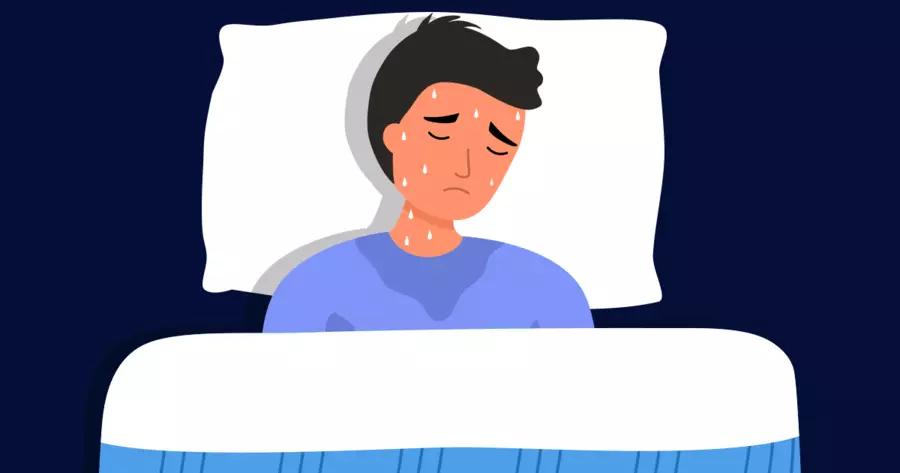
Night sweats after exercise usually happen because your body is still dumping heat hours later, your blood sugar drops overnight after a hard session, or your hormones make your temperature control more “twitchy” than usual. The pattern matters, because the fix for simple overheating is different from the fix for low blood sugar or a thyroid/hormone issue, and targeted labs can help you sort out which one fits. It’s also a uniquely frustrating symptom because you did something healthy and then you pay for it at 2 a.m. with soaked sheets and broken sleep. Most of the time it’s not dangerous, but it can feel scary because night sweats are also a symptom people associate with infections and, rarely, cancers. This guide helps you separate the common from the concerning, and it gives you practical ways to adjust your training, meals, and sleep setup. If you want help matching your exact pattern to the most likely cause, PocketMD can talk it through with you, and Vitals Vault labs can help confirm what your body is doing under the hood.
Why you get night sweats after exercise
You’re still shedding heat
After a hard workout, your core temperature can stay elevated for hours, especially if you trained late, wore heavy layers, or finished with a hot shower. Your brain’s thermostat (hypothalamus) responds by opening skin blood vessels and turning on sweat, which can feel like you “randomly” overheat once you’re asleep. The takeaway is simple: if the sweats happen mainly on late-training days, shifting intense sessions earlier and cooling down longer often fixes it fast.
Low blood sugar overnight
Long or high-intensity workouts can drain glycogen, and if you don’t refuel enough, your blood sugar may dip during the night. When that happens, your body releases adrenaline and cortisol to raise glucose, and sweating is a classic side effect of that stress response. Pay attention if you also wake up shaky, hungry, or wired, because a small carb-plus-protein snack after training can be more effective than any “cooling” trick.
Alcohol or pre-workout effects
Even one drink after exercise can widen blood vessels and fragment sleep, which makes sweating more likely, and pre-workout stimulants can keep your nervous system revved up long after you think they’ve worn off. The result is lighter sleep with more awakenings, and you notice sweat more because you’re not staying in deep sleep. If your sweats cluster on days with caffeine after noon, energy drinks, or post-gym alcohol, that pattern is a strong clue.
Hormone shifts: menopause or low T
Falling estrogen during perimenopause and menopause can make your temperature control system more sensitive, so a normal post-workout heat load crosses the “sweat threshold” more easily. In men, low testosterone can be linked with hot flashes and night sweats, and exercise can unmask it because it stresses your recovery system. If you’re also noticing new mood changes, lower libido, or sleep that feels less restorative, it’s worth checking hormones rather than assuming it’s just the workout.
Illness or inflammation you missed
Sometimes the workout isn’t the cause so much as the spotlight: if you’re incubating a virus, dealing with an infection, or running chronically inflamed, exercise can amplify nighttime temperature swings. This is the bucket that deserves respect, especially if you have fevers, chills, unexplained weight loss, swollen lymph nodes, or night sweats that keep happening even when you take a week off training. If any of those red flags are present, don’t “train through it” — get evaluated promptly.
What actually helps when workouts trigger night sweats
Move hard sessions earlier
If you can, put your highest-intensity training at least 4–6 hours before bed so your core temperature and adrenaline have time to settle. This matters most for intervals, heavy lifting, and long endurance sessions, which can keep you “hot” even if you feel calm. A simple experiment is to keep everything the same for a week except workout timing and see if the sweats drop.
Use a real cool-down routine
A cool-down is not just stretching; it is a deliberate ramp-down that tells your nervous system the stress is over. Spend 8–12 minutes in easy movement until your breathing is back to conversational, and then take a lukewarm shower instead of a hot one. You’re aiming to lower skin temperature gradually, because a hot shower can re-heat you and trigger sweating once you’re under blankets.
Refuel for overnight stability
If your sweats come with 2–4 a.m. wake-ups, hunger, or a racing heart, try a recovery snack within an hour of training that includes both carbs and protein. The goal is to prevent a glucose dip that forces your body to compensate with stress hormones. Start small, like yogurt with fruit or toast with nut butter, and adjust based on whether you sleep through.
Dial back stimulants and alcohol
Caffeine after lunch can still be active at bedtime, and pre-workout formulas often contain multiple stimulants that stack. Alcohol can feel relaxing, but it reliably fragments sleep and can worsen night sweats, especially after exercise when your blood vessels are already dilated. A practical rule is to keep stimulants before noon and skip alcohol on late-training days for two weeks to see what changes.
Treat the underlying driver
If the sweats persist even with timing, cooling, and fueling changes, it is time to look for a medical driver such as thyroid overactivity, low testosterone, or an inflammatory process. This is where labs and a focused history help, because “night sweats” is a symptom shared by very different conditions. Bring a short log to your clinician that notes training intensity, bedtime, room temperature, and whether you woke up hungry, shaky, or feverish.
Useful biomarkers to discuss with your clinician
Glucose
Fasting glucose is a fundamental marker of glucose metabolism and insulin function. In functional medicine, we recognize that even 'normal' glucose levels in the upper range may indicate early insulin resistance. Optimal fasting glucose reflects efficient glucose regulation and insulin sensitivity. Elevated fasting glucose suggests the body's inability to maintain normal glucose levels overnight, indicating hepatic insulin resistance or insufficient insulin production. This marker is essential for early detectio…
Learn moreCortisol, Total
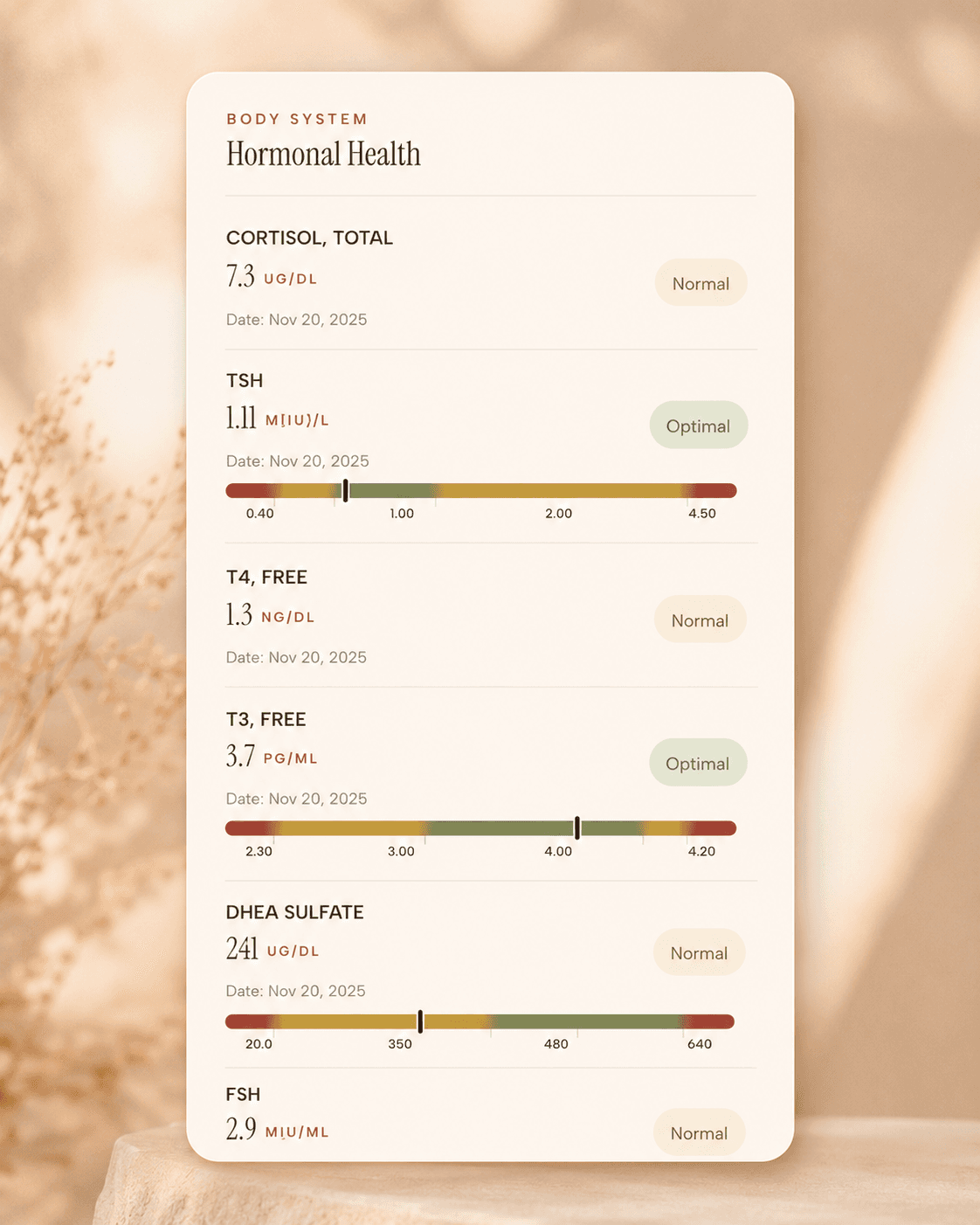
Cortisol is the primary stress hormone that regulates metabolism, immune function, and blood pressure. In functional medicine, cortisol assessment is crucial for understanding stress response and its impact on overall health. Chronic elevation suppresses testosterone production and immune function, while low cortisol indicates adrenal insufficiency. Optimal cortisol rhythm supports energy, mood stability, and hormone balance. Cortisol orchestrates the body's stress response and daily energy rhythms. Balanced cor…
Learn moreTestosterone, Total, Ms
Total testosterone is the primary male sex hormone responsible for muscle mass, bone density, libido, energy levels, and cognitive function. In functional medicine, we recognize testosterone as a key marker of vitality and aging. Low testosterone (hypogonadism) affects up to 40% of men over 45 and is linked to metabolic syndrome, cardiovascular disease, depression, and reduced quality of life. Optimal testosterone levels support healthy body composition, sexual function, motivation, and overall masculine vitalit…
Learn moreLab testing
Check thyroid, inflammation, and testosterone at Quest
starting from $99 panel with 100+ tests, one visit
No referral needed
About 1 week
Schedule online — results typically within a week
Clear next steps
Guidance included, with follow-up care available
HSA / FSA
Eligible for pre-tax health spending accounts
Pro Tips
Do a 10-day experiment where you keep your workout the same but move it earlier by two hours; if the sweats improve, you’ve basically proven it’s a heat-and-adrenaline timing issue.
If you wake up sweaty, check for “low sugar clues” once: are you hungry, shaky, or wide awake? If yes, try adding 25–40 g carbs plus 15–25 g protein after training for a week and see if the 2–4 a.m. wake-ups stop.
Make your bed a cooling system: use a breathable base layer, keep a spare T-shirt by the bed, and consider a lighter duvet even if the room feels cool at bedtime because your body heat rises later.
Skip the hot shower right after late workouts and choose lukewarm water for 3–5 minutes; it sounds small, but it prevents you from re-heating your skin right before you trap that heat under blankets.
If you’re worried about serious causes, give yourself a clear rule: if night sweats happen on rest weeks too, or you add fever, cough, swollen nodes, or unexplained weight loss, book a medical visit instead of trying more training tweaks.
Frequently Asked Questions
Is it normal to have night sweats after a workout?
It can be normal, especially after late, intense training because your core temperature and stress hormones can stay elevated into the night. It is more likely when your room is warm, you used a hot shower, or you under-fueled and your blood sugar dips overnight. If it only happens after hard sessions and improves with earlier workouts and better recovery food, it is usually benign. Track the pattern for 1–2 weeks so you can test one change at a time.
Why do I wake up drenched at 3am after exercising?
A 3 a.m. drenching wake-up often points to either delayed heat dumping or a blood sugar dip that triggers an adrenaline surge. If you wake up hungry or shaky, try a carb-plus-protein recovery snack and see if the timing shifts or disappears. If you wake up hot without hunger, focus on earlier training, a longer cool-down, and a cooler sleep setup. If you also have fever or feel sick, treat it as a medical issue rather than a training issue.
Can menopause make night sweats worse after exercise?
Yes. During perimenopause and menopause, lower estrogen makes your temperature control system more sensitive, so the same workout heat load can trigger sweating later in the night. You might notice it’s worse with alcohol, spicy food, or stress on top of exercise. If this is new for you, talk with a clinician about menopause management options and consider checking thyroid labs if you also have palpitations or weight changes.
Can low testosterone cause night sweats after exercise?
It can, particularly in men who also notice lower libido, mood changes, reduced morning erections, or slower recovery. The most useful first step is a morning total testosterone test, because timing matters and a single afternoon result can be misleading. If total testosterone is consistently below about 300 ng/dL, your clinician will usually confirm it and look for a cause before discussing treatment. Bring your symptom and training log so the conversation stays specific.
When should I worry that night sweats are something serious?
Take it seriously if night sweats happen even when you are not exercising, or if you also have fever, persistent cough, unexplained weight loss, or swollen lymph nodes. Those combinations can point to infection or other inflammatory conditions that need evaluation. A CRP test can support the “inflammation” picture, but it does not replace a proper exam if you have red flags. If you have those symptoms, book urgent medical care rather than trying more cooling hacks.
What the research says about night sweats and related causes
Endocrine Society guideline on testosterone therapy and evaluation of male hypogonadism
North American Menopause Society position statement on hormone therapy (vasomotor symptoms like hot flashes/night sweats)
CDC guidance on night sweats and TB symptoms (important when sweats come with cough, fever, or weight loss)