01
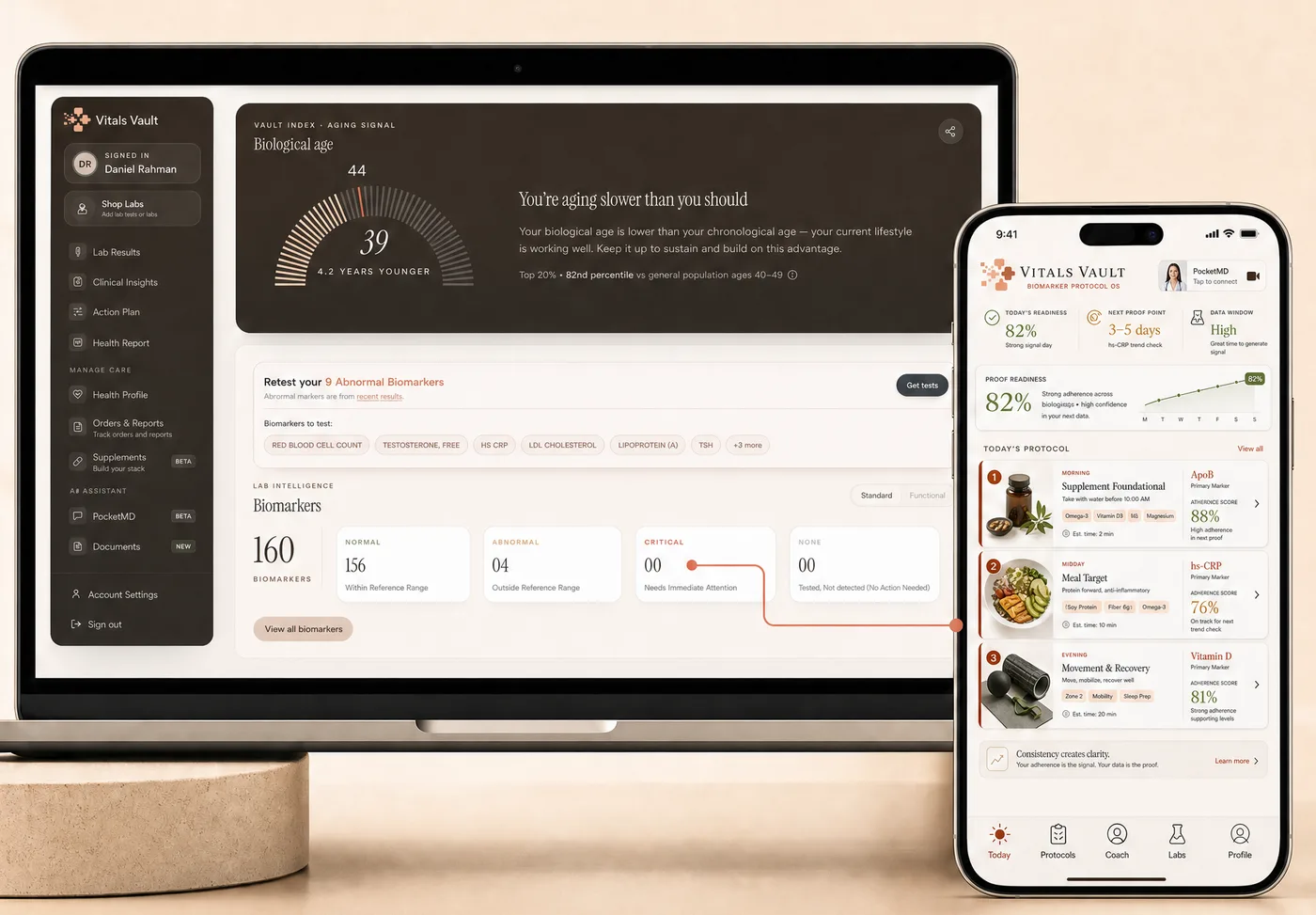
Biological age
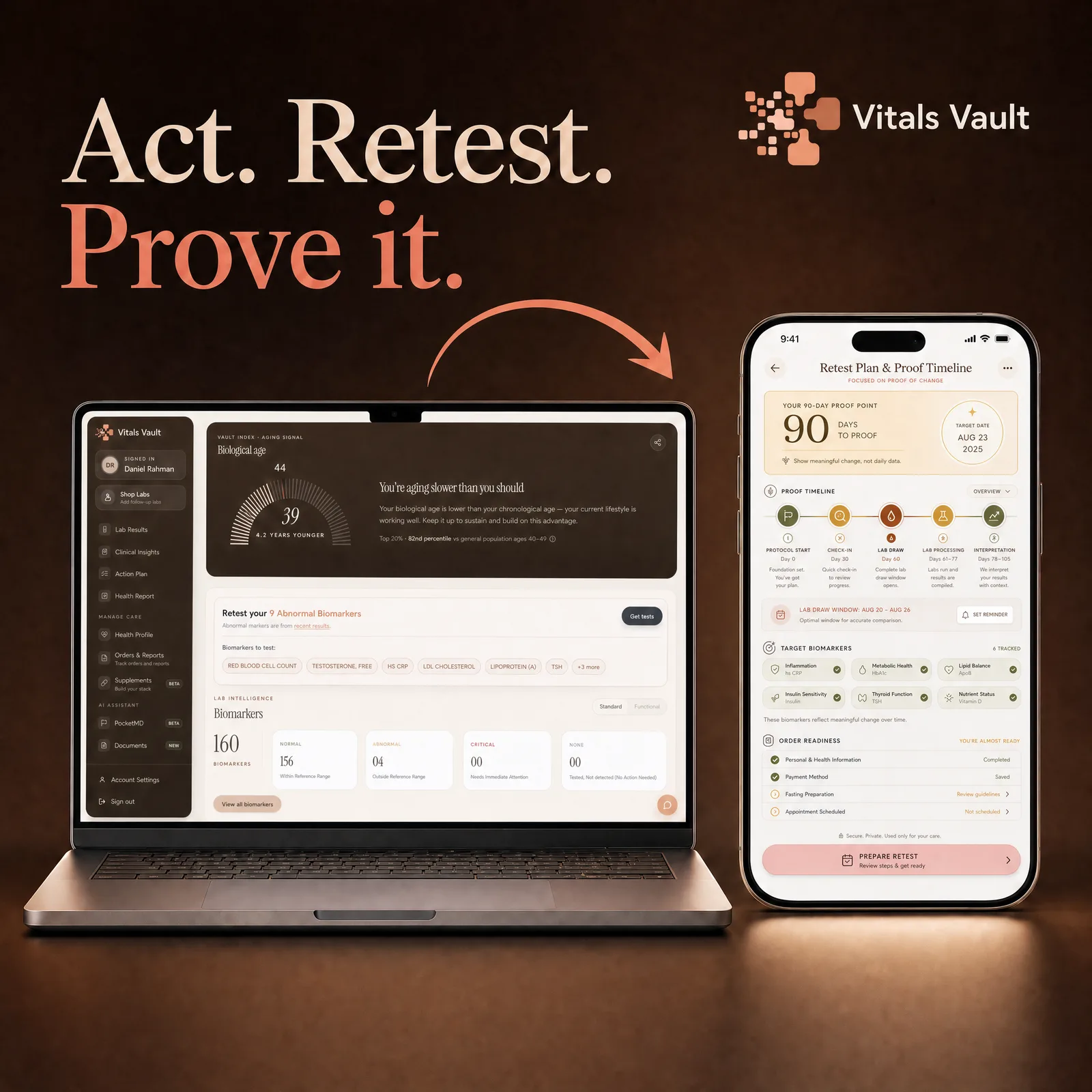
Find out if your body is aging faster or slower than your actual age — and see how you rank against the general population.
39
Biological age
44
Actual age
4.2
Years younger
Liver Function Panel
Results in about 2 days
Liver Profile 1 Baseline Blood Test Panel: a baseline look at liver enzymes, bile flow, and liver function. This liver blood test panel bundles enzymes, bilirubin fractions, proteins, and clotting markers to help you interpret liver injury vs cholestasis patterns.
This is a lab panel, not a single test. Your Liver Profile 1 Baseline Blood Test Panel combines multiple measurements that help separate “liver cell irritation” patterns from “bile flow blockage” patterns and from true changes in liver function. Looking at the results together is usually more useful than focusing on one number in isolation—especially when you are tracking a mild ALT/AST bump, sorting out confusing hepatitis labs, or trying to tell a medication effect from a flare of an underlying condition.
What to expect before and at your draw.
Sample Type
Blood
Collection Method
In person at a Quest Diagnostics location
Age
18+
This order includes the lab markers used for Liver Function Panel.
Ggt
Included in this Quest Diagnostics order and reported in your Vitals Vault account.
Protein, Total
Included in this Quest Diagnostics order and reported in your Vitals Vault account.
Albumin
Included in this Quest Diagnostics order and reported in your Vitals Vault account.
Globulin
Included in this Quest Diagnostics order and reported in your Vitals Vault account.
Order Liver Function Panel online.
Visit a Quest Diagnostics location near you for your blood draw. Appointments can be scheduled after checkout.
View easy-to-read results in your Vitals Vault account, with trends and a personalized action plan.
Included with every package
Function Health shows you numbers. Vitals Vault connects them — ratios, patterns, and a personalized action plan grounded in functional medicine.
Find out if your body is aging faster or slower than your actual age — and see how you rank against the general population.
39
Biological age
44
Actual age
4.2
Years younger
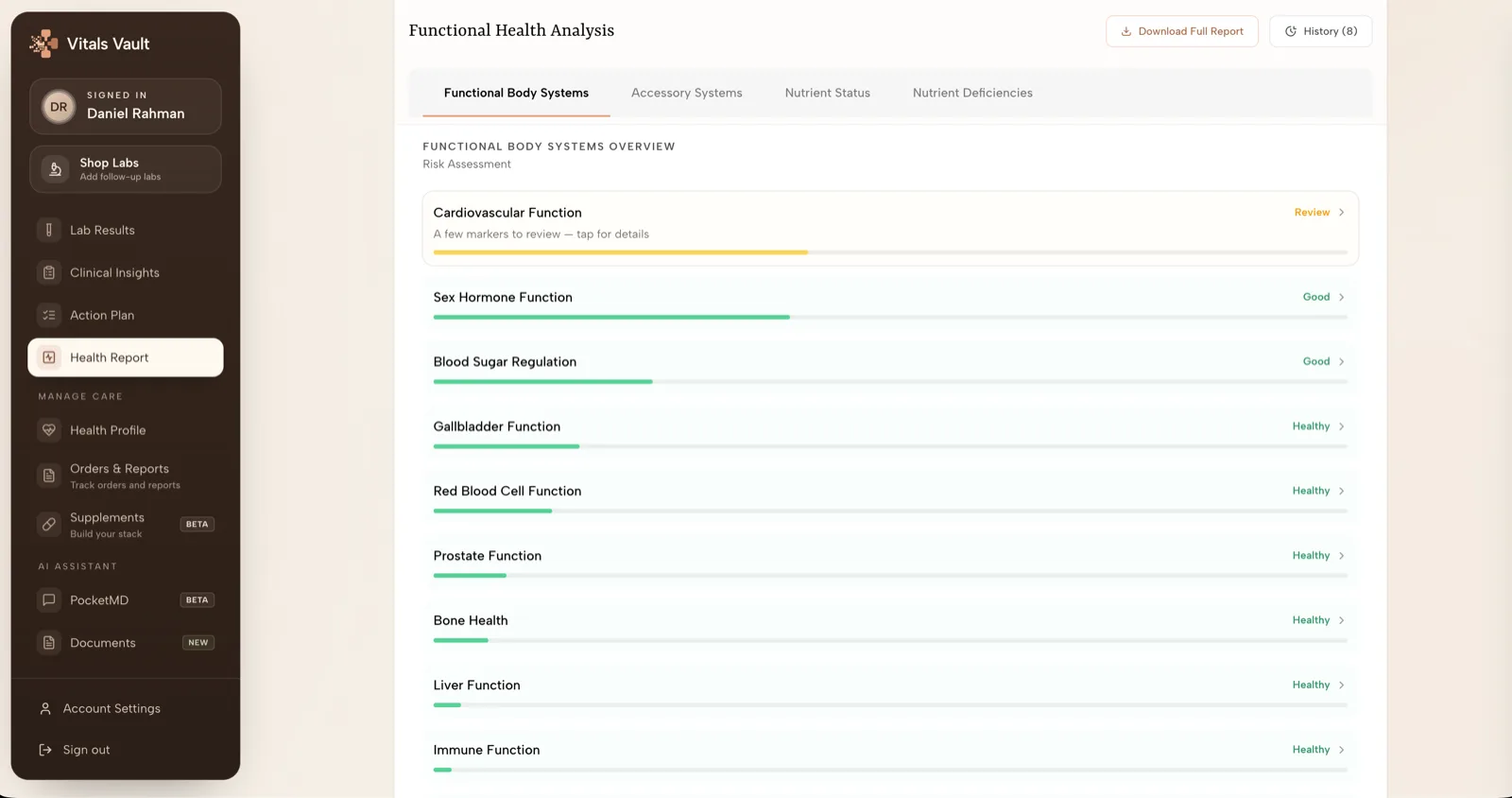
Turn lab data into what to do next—clear guidance on follow-ups, lifestyle context, and add-on testing when you need to go deeper. Make the healthy choice the obvious one.
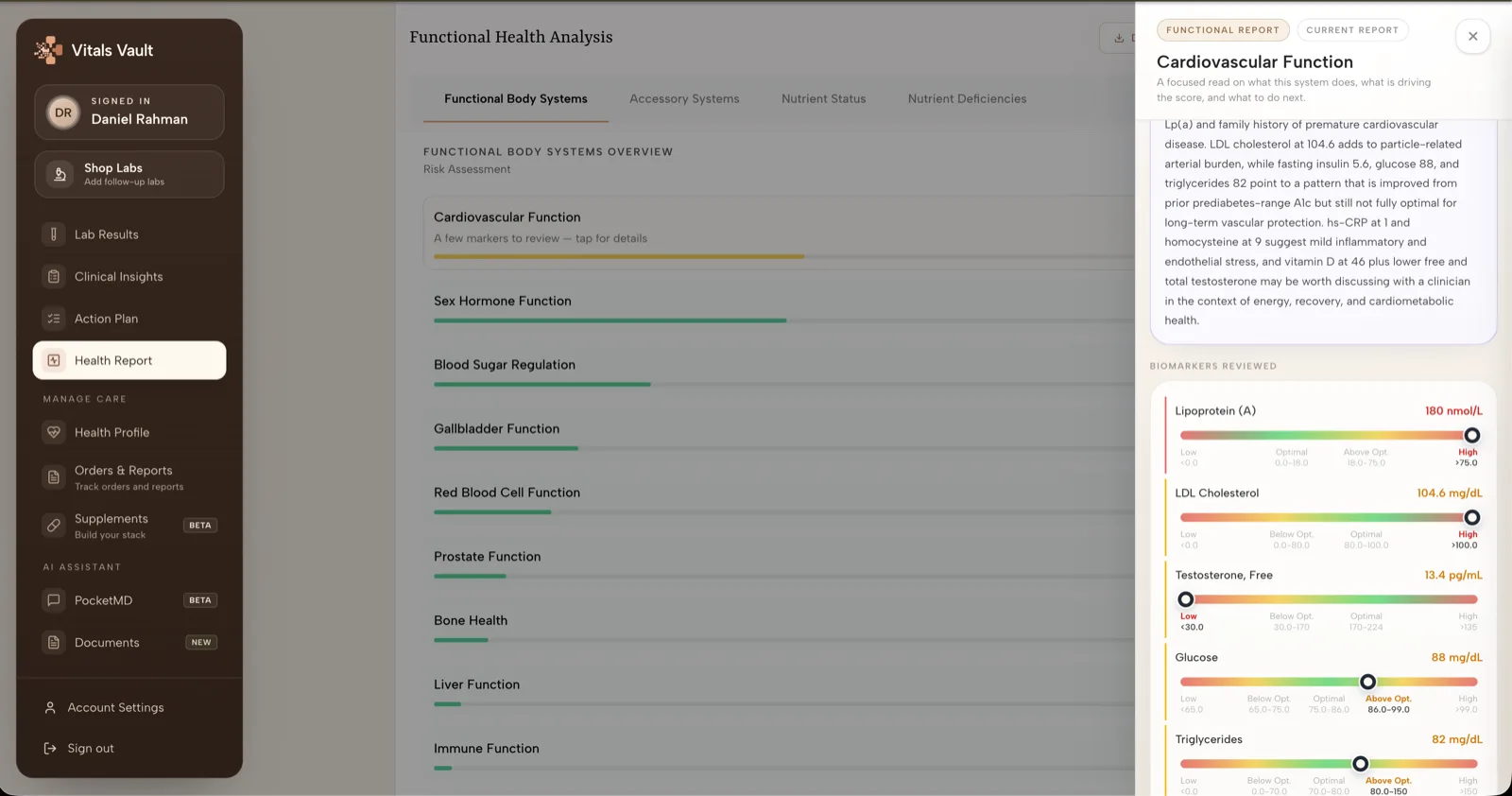
A personalized, plain-language walkthrough of your abnormal markers—reference ranges, pattern context, and what to watch next, grounded in your actual labs.
Personalized Insights
Clear Explanations
Actionable guidance
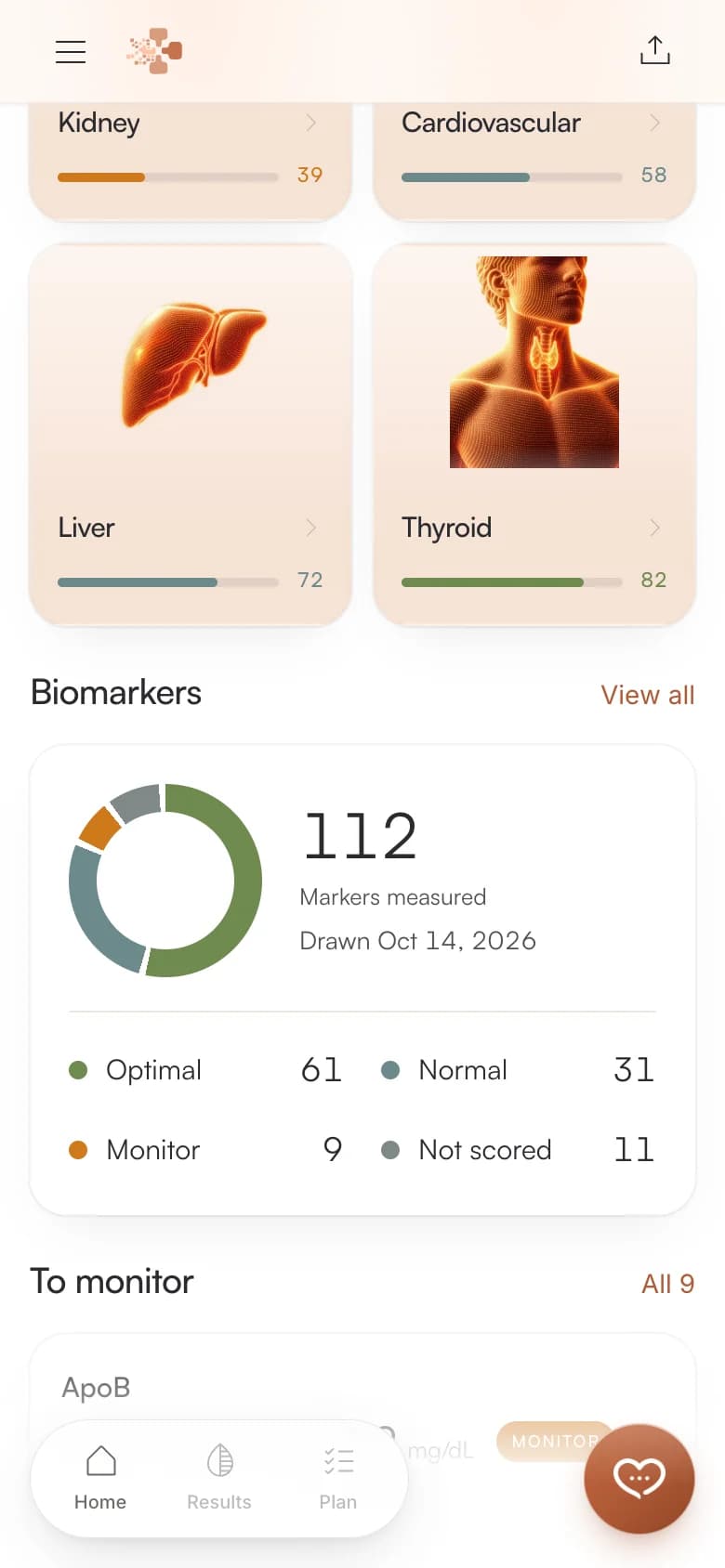
Explore your body systems with clear risk context — refresh your report, download the full PDF, and monitor hormones, heart, bone, and more in one place.
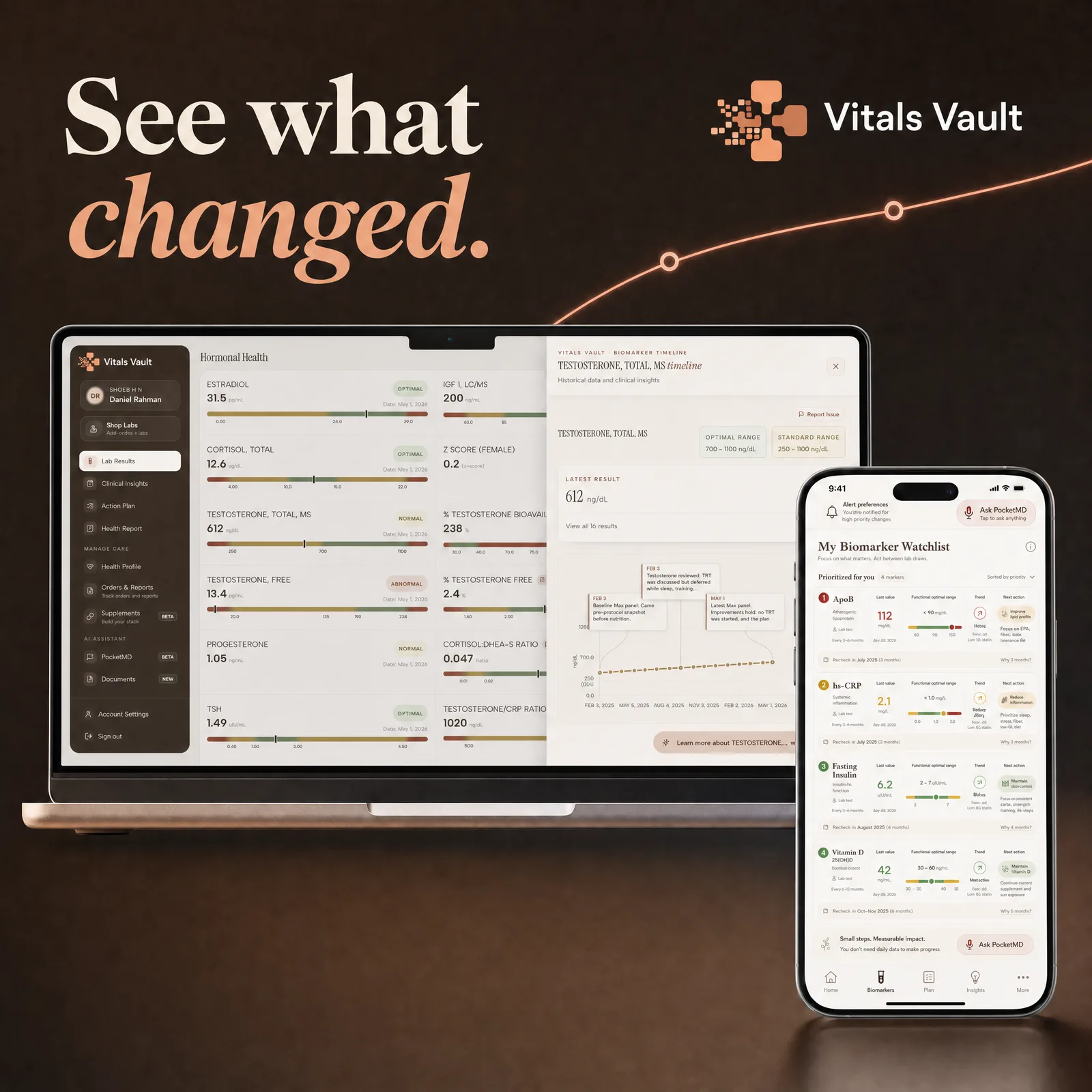
Explore hundreds of tests and panels, filter by concern, and manage your cart—member-exclusive pricing with quick checks and full-body options in one flow.
Wide test selection
300+ tests & panels available
Smart filtering
Find tests by symptoms or goals
Seamless ordering
Add to cart and manage easily
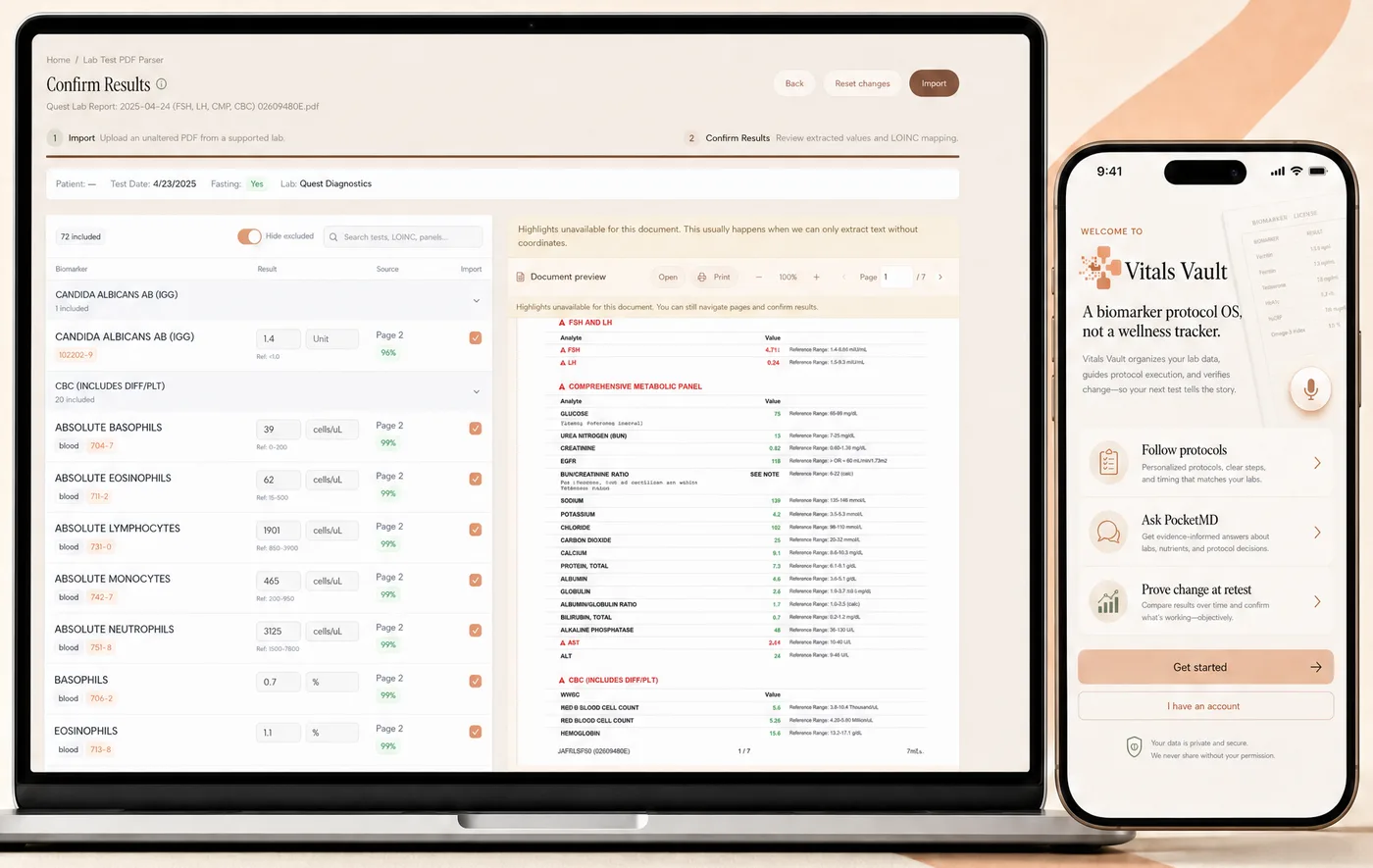
Upload past lab reports, search your documents, and keep appointments and results organized—our AI can extract biomarkers from PDFs so everything lives in one dashboard.
Browse longevity, nutrition, supplement, and movement protocols—structured plans you can follow with clear habits, labs, and targets tied to your profile.
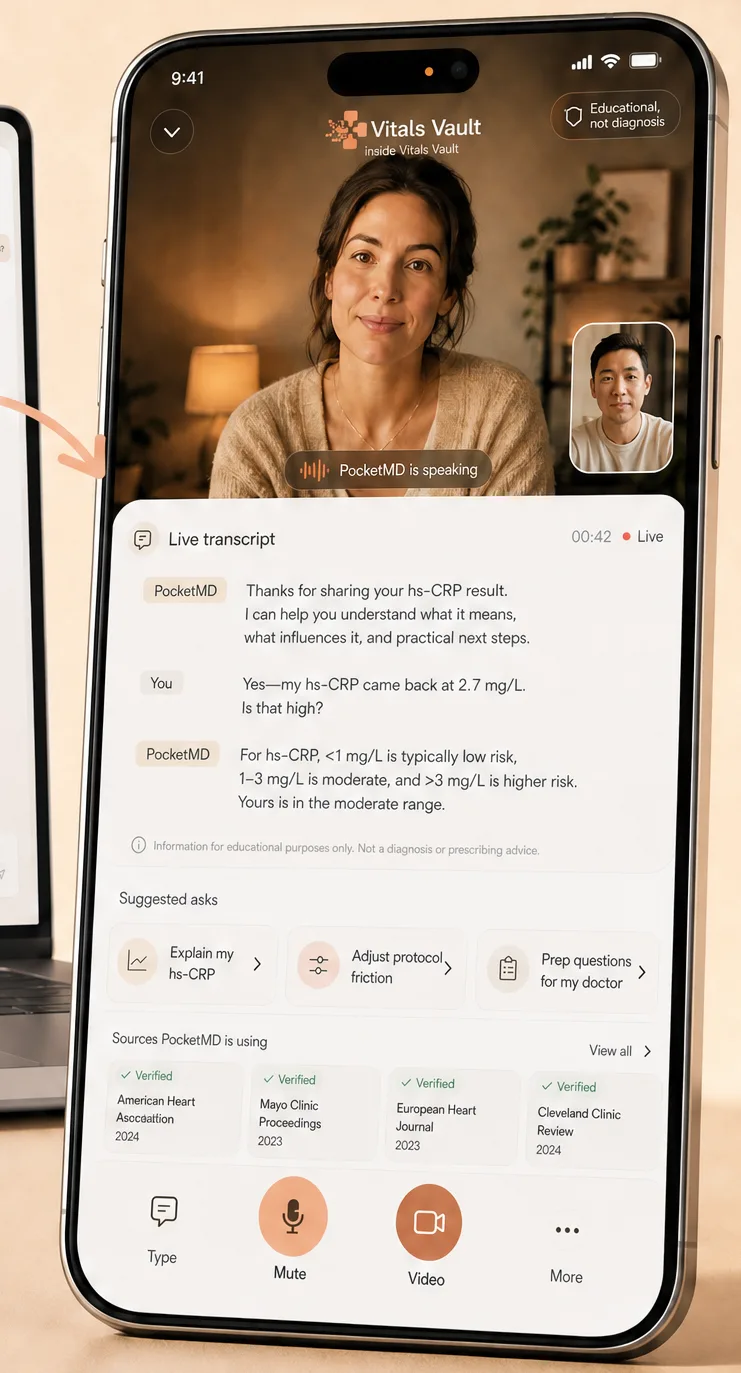
Ask for protocols, nutrition plans, supplement stacks, and education—context-aware suggestions powered by your labs and goals (beta experience).
Order online
Add Liver Function Panel to your cart and check out. No doctor referral is required.
Visit a Quest lab
Provide your blood sample at a Quest Diagnostics location. Appointments can be scheduled after checkout.
Review in Vitals Vault
Results in about 2 days. They stay in your Vitals Vault account for trends and follow-up.
No special preparation is usually needed unless noted at checkout.
This order includes the lab markers used for Liver Function Panel and reported in your Vitals Vault account.
Results
Results in about 2 days
HSA/FSA
Accepted
Who takes it
Must be taken by the purchaser
Preparation
No special preparation needed unless noted at checkout.
Albumin/Globulin Ratio
Included in this Quest Diagnostics order and reported in your Vitals Vault account.
Bilirubin, Total
Included in this Quest Diagnostics order and reported in your Vitals Vault account.
Bilirubin, Direct
Included in this Quest Diagnostics order and reported in your Vitals Vault account.
Bilirubin, Indirect
Included in this Quest Diagnostics order and reported in your Vitals Vault account.
Alkaline Phosphatase
Included in this Quest Diagnostics order and reported in your Vitals Vault account.
Ast
Included in this Quest Diagnostics order and reported in your Vitals Vault account.
Alt
Included in this Quest Diagnostics order and reported in your Vitals Vault account.
Cholesterol, Total
Included in this Quest Diagnostics order and reported in your Vitals Vault account.
This liver blood test panel bundles enzymes, bilirubin fractions, proteins, and clotting markers to help you interpret liver injury vs cholestasis patterns.


This is a lab panel, not a single test. Your Liver Profile 1 Baseline Blood Test Panel combines multiple measurements that help separate “liver cell irritation” patterns from “bile flow blockage” patterns and from true changes in liver function. Looking at the results together is usually more useful than focusing on one number in isolation—especially when you are tracking a mild ALT/AST bump, sorting out confusing hepatitis labs, or trying to tell a medication effect from a flare of an underlying condition.
You may want this panel if you have a new or persistent elevation in liver enzymes (often ALT or AST) on prior labs, or if you are monitoring a known condition such as fatty liver disease, viral hepatitis, autoimmune disease, inflammatory bowel disease (IBD), or a history of gallbladder/bile duct issues.
This panel can also be helpful if you have symptoms that can overlap with many causes—fatigue, right upper abdominal discomfort, nausea, itching, dark urine, pale stools, or yellowing of the eyes/skin (jaundice). These symptoms do not diagnose a liver condition by themselves, but they can make a multi-marker liver panel a reasonable next step.
You may also consider this panel when you are starting, stopping, or adjusting medications and supplements that can affect the liver (for example, certain antibiotics, antifungals, anti-seizure medications, statins, acetaminophen use, or bodybuilding/herbal products). A baseline set of results makes it easier to interpret changes later.
This panel is meant to support clinician-directed care and informed follow-up. It does not replace a medical evaluation, especially if you have severe abdominal pain, confusion, vomiting blood, black stools, or rapidly worsening jaundice.
This panel uses standard blood-based clinical chemistry and coagulation assays; reference ranges and flags can vary by lab, so interpretation should focus on patterns across markers and your clinical context.
from $33.49 at Quest Diagnostics
Results in days
Clear next steps
HSA / FSA
Vitals Vault makes it straightforward to order a liver-focused lab panel and review multiple results together. Instead of chasing one-off tests, you get a bundled snapshot that can be used for baseline screening, trend tracking, or targeted follow-up after an abnormal result.
After your blood draw, you can use PocketMD to organize your results into a clear story: which markers suggest liver cell injury vs cholestasis (bile flow issues), whether liver synthetic function looks affected, and what common next steps to discuss with your clinician (repeat timing, medication review, imaging, or additional viral/autoimmune testing).
If you are monitoring a chronic condition, repeating the same panel over time can reduce “lab noise” and make trends easier to see—especially when you keep timing, fasting status, and medication changes consistent.
The Liver Profile 1 Baseline Blood Test Panel is a bundled set of blood tests that looks at three big categories of liver health:
First, it measures enzymes that rise when liver cells are stressed or injured. The most common are alanine aminotransferase (ALT) and aspartate aminotransferase (AST). These can increase for many reasons—fatty liver, viral infections, medication effects, alcohol, muscle injury, and more—so they are best interpreted with other markers.
Second, it evaluates cholestasis (bile flow). Markers like alkaline phosphatase (ALP) and gamma-glutamyl transferase (GGT) can rise when bile ducts are irritated or obstructed, or when certain medications and alcohol induce enzyme activity. Bilirubin (total and direct) adds important context because bilirubin can rise when bile flow is impaired, when red blood cells break down faster than usual, or when the liver cannot process bilirubin efficiently.
Third, it checks liver function (sometimes called synthetic function). The liver makes key proteins and clotting factors. Albumin and total protein can reflect protein production and nutritional/inflammatory states, while prothrombin time (PT) and international normalized ratio (INR) can change when the liver is not producing clotting factors normally (or when you are taking anticoagulants such as warfarin).
Because these categories overlap, the value of a panel is the pattern: for example, an “enzyme-predominant” picture (ALT/AST higher than ALP) can point you toward different next steps than a “cholestatic” picture (ALP/GGT and direct bilirubin higher than ALT/AST).
Most liver enzyme markers are not clinically concerning when they are low; ALT, AST, ALP, and GGT being low is usually a benign finding. The “low” results that matter more in this panel are albumin, total protein, or an unexpectedly prolonged clotting time pattern (which is not “low,” but can reflect reduced clotting factor production). Low albumin can occur with liver disease, but it is also common with inflammation, kidney protein loss, malnutrition, or fluid overload. If your albumin is low and your PT/INR is abnormal, that combination can suggest impaired liver synthetic function and deserves timely clinical follow-up, especially if you also have swelling, easy bruising, or jaundice.
When ALT, AST, ALP, GGT, bilirubin fractions, albumin/total protein, and PT/INR are all in range, it generally suggests there is no current biochemical evidence of liver injury, cholestasis, or impaired liver synthetic function. That does not rule out every liver condition (some problems are intermittent or early), but it makes serious active liver inflammation less likely at the time of testing. If you are tracking a prior abnormality, a return to baseline across the panel is often more reassuring than a single marker normalizing while others remain borderline.
High results are most useful when you look at the pattern. If ALT and AST are elevated more than ALP, the pattern is often described as hepatocellular (liver cell injury). Common causes include fatty liver, viral hepatitis, alcohol-related injury, medication/supplement effects, and less commonly autoimmune or metabolic conditions. If ALP and GGT are elevated more than ALT/AST—especially with higher direct bilirubin—the pattern is more cholestatic and can point toward bile duct irritation or obstruction, gallbladder/bile duct disease, certain medication effects, or inflammatory conditions affecting the biliary system. If bilirubin is elevated with relatively mild enzyme changes, your clinician may consider hemolysis, Gilbert syndrome (often isolated indirect bilirubin), or a more functional bile processing issue depending on the fraction and the rest of the panel. Finally, if PT/INR is prolonged (or worsening over time) and albumin is low, that combination can indicate reduced liver synthetic function and should be evaluated promptly, particularly if you have symptoms of bleeding, confusion, or significant jaundice.
Many everyday factors can shift this panel without representing permanent liver damage. Alcohol intake (even short-term), intense exercise or muscle injury (can raise AST and sometimes ALT), recent infections, dehydration, and rapid weight loss can all affect enzymes. Medications and supplements are frequent confounders; acetaminophen overuse, certain antibiotics/antifungals, anti-seizure drugs, statins, and some herbal products can raise enzymes or cholestasis markers. Pregnancy and hormonal states can change proteins and some liver-related measurements. If you are on anticoagulants (especially warfarin), PT/INR may reflect medication effect rather than liver function. Timing matters too: a single mild elevation can normalize on repeat testing, so your clinician may recommend repeating the panel after avoiding alcohol, reviewing medications, and standardizing fasting and exercise for a few days—unless the pattern or symptoms suggest urgent evaluation.
Fasting is not always required for liver enzymes and bilirubin, but fasting status can affect related metabolic markers you may compare against (like triglycerides) and can reduce variability. If your goal is trend tracking, try to test under similar conditions each time (time of day, fasting vs not, alcohol intake, and exercise in the prior 24–48 hours). Follow the instructions provided with your order.
Single-marker abnormalities are common and often temporary. The most useful first step is to see whether the out-of-range value fits a pattern: enzyme-predominant (ALT/AST), cholestatic (ALP/GGT and direct bilirubin), bilirubin-predominant, or function-related (albumin and PT/INR). A mild isolated ALT elevation with normal bilirubin, ALP/GGT, albumin, and PT/INR is often handled differently than a clustered pattern across categories. Your clinician may recommend a repeat panel and a medication/alcohol review before more extensive workup.
ALT and AST are enzymes that tend to rise when liver cells are irritated or injured (though AST can also rise from muscle). ALP and GGT are more associated with bile duct/bile flow patterns; when they rise together, it can suggest cholestasis or enzyme induction from alcohol or medications. The ratio and clustering of these markers helps narrow down next steps.
Not necessarily. Bilirubin can rise for several reasons, including bile flow problems, liver processing issues, and increased red blood cell breakdown. The fraction matters: isolated indirect bilirubin can occur with Gilbert syndrome, while higher direct bilirubin more often tracks with cholestasis or hepatocellular injury. Hepatitis is one possible cause, but it is not the only one; hepatitis testing is typically a separate set of labs.
Yes. Many common medications and supplements can raise liver enzymes or cholestasis markers, and the effect can be dose-related or idiosyncratic. Bring a complete list (including over-the-counter products, herbals, and performance supplements) to your clinician. Do not stop prescribed medications without medical guidance, but do flag new symptoms or rapidly rising values.
PT/INR reflects how quickly your blood clots. Because the liver produces several clotting factors, a prolonged PT/INR can be a sign of impaired liver synthetic function. However, PT/INR is also strongly affected by anticoagulant medications (especially warfarin) and vitamin K status, so it must be interpreted in context.
A panel is often more useful because liver interpretation is pattern-based. Ordering ALT alone can miss a cholestatic pattern, and ordering bilirubin alone can miss enzyme-predominant injury. A bundled panel also makes trend tracking cleaner because the same set of markers is repeated together.
Purchase online through Vitals Vault. A licensed clinician reviews and approves your order, then you receive a digital requisition for a Quest Diagnostics blood draw.
Samples are collected in person at Quest Diagnostics locations nationwide. After checkout you can schedule your visit at a convenient site.
Most results in 3–5 business days. You can view them securely in your Vitals Vault account.
No separate referral appointment is required. Clinician review is included in the online order flow.
Yes. Eligible HSA/FSA cards can be used at checkout for qualifying lab orders.
Results are available in your secure Vitals Vault account. You control who you share them with, subject to applicable law.
Blood glucose shows the amount of sugar in your blood at a single moment. A1c (hemoglobin A1c) estimates your average blood sugar over roughly the past 8–12 weeks. Comparing them helps explain whether your long-term average lines up with your fasting glucose on draw day.
It helps you understand how this marker fits into your broader metabolic picture, with results tracked in your Vitals Vault account.
Elevated values can signal higher metabolic risk. Many people start with nutrition, activity, sleep, and weight management, then retest and review results with a clinician. This test is educational and does not replace medical advice or diagnosis.
Your sample is processed at CLIA-certified Quest Diagnostics laboratories. Results should still be interpreted with a qualified clinician alongside your history, symptoms, and other labs.
Consumer-initiated testing through Vitals Vault is limited to adults 18+ so ordering and interpretation stay aligned with clinical best practices for this channel.