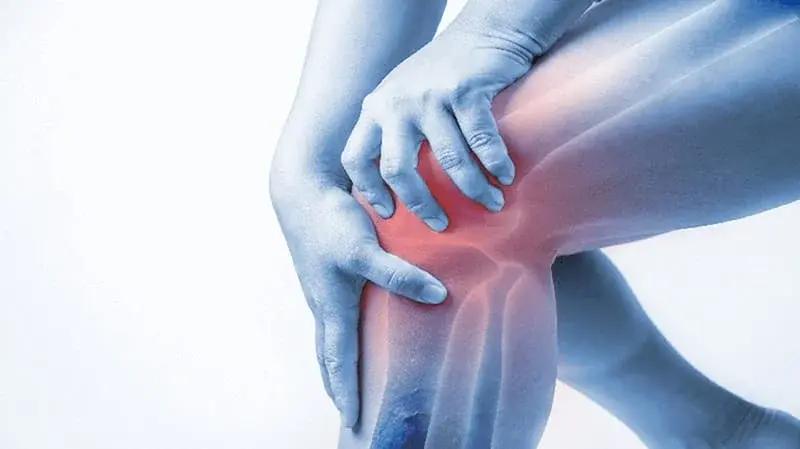
Chronic Pain in Your 20s: What It Means and What Helps
Chronic pain in your 20s often comes from inflammation, nerve sensitization, or autoimmune disease. Targeted blood tests available—no referral needed.






Chronic pain in your 20s is usually not “just getting older.” It often comes from ongoing inflammation, an autoimmune condition that is still being recognized, or a nervous system that has become extra sensitive after injury, stress, or poor sleep. The right blood tests and a careful history can help sort out which pattern fits you, so you are not guessing. Living with pain this young can feel unfair and confusing, especially when scans look “normal” or when you are told to simply stretch more. Pain is real even when it is hard to measure, and it can come from muscles and joints, nerves, or your immune system. This guide walks you through the most common root causes, what tends to help in real life, and which labs can be useful. If you want help connecting your exact symptoms to a plan, PocketMD can talk it through with you, and Vitals Vault labs can help you check for inflammation or autoimmune signals without a referral.
Why chronic pain can start in your 20s
Inflammation that stays switched on
Sometimes your immune system keeps producing inflammatory signals even when there is no obvious injury, which can make muscles and joints feel sore, heavy, or “flu-like.” You might notice morning stiffness, swelling, or pain that flares after infections or high-stress weeks. A practical clue is whether your pain improves with gentle movement and worsens with long rest, which often points toward an inflammatory driver worth testing.
Autoimmune disease in early stages
Conditions like lupus or inflammatory arthritis can begin subtly, and early symptoms can look like “random” aches that move around your body. The reason it matters is that early treatment can prevent long-term joint or organ damage, even if you are young and otherwise healthy. If you also get rashes, mouth ulcers, unusual sun sensitivity, or fingers that turn white or blue in the cold, bring that full picture to a clinician rather than focusing only on pain.
Nerves stuck in alarm mode
After an injury, a viral illness, or months of poor sleep, your pain system can become overprotective, which is called central sensitization (central sensitization). That can feel like pain that is “too big” for the trigger, tenderness to light touch, or burning and tingling that does not follow a neat pattern. This is not imaginary; it is your nervous system learning a louder volume setting, and the most helpful treatments usually retrain the system rather than chasing one sore spot.
Hypermobility and joint strain
If your joints move more than average, your muscles have to work overtime to stabilize you, which can create daily aches in the neck, shoulders, hips, and knees. You may feel fine during activity but pay for it later with deep soreness or a sense that joints “slip” or click. The takeaway is that targeted strength work and pacing often help more than stretching, because extra flexibility is not the problem.
Endometriosis or pelvic pain patterns
In people who menstruate, chronic pain can come from endometriosis (endometriosis) or other pelvic pain conditions that irritate nerves and muscles around the pelvis and low back. It can show up as period pain that is out of proportion, pain with sex, bowel pain, or hip and back pain that flares with your cycle. If your pain has a monthly rhythm, tracking it for two cycles can make your appointment far more productive and can speed up the right referrals.
What actually helps day to day
Treat flares like a plan, not a panic
When pain spikes, your brain naturally wants to do everything at once, but that often backfires. Pick a simple flare routine you can repeat: heat or ice for 15–20 minutes, a short walk or gentle mobility for 5 minutes, and one relaxation tool that slows your breathing. The goal is to tell your nervous system “we are safe,” because safety signals reduce pain amplification over time.
Build strength in small doses
For many 20-somethings with chronic pain, the biggest win is progressive strength training that starts below your ego level. Two to three sessions a week is enough if you keep it consistent and increase load slowly, because stronger muscles protect joints and reduce the background “threat” your body feels. If you flare after workouts, cut the volume in half and keep the habit, instead of stopping completely.
Use sleep as pain medicine
Poor sleep lowers your pain threshold the next day, which means the same stressor can feel twice as intense. Try a two-week experiment where you keep a fixed wake time, dim screens for the last hour, and avoid heavy workouts late at night. If you snore loudly, wake up choking, or feel unrefreshed despite 8 hours, ask about sleep apnea testing because treating it can noticeably reduce pain sensitivity.
Choose meds thoughtfully with a clinician
Anti-inflammatories can help when inflammation is the driver, while nerve-calming options can help when burning, tingling, or widespread tenderness is the main story. The key is matching the tool to the mechanism, because taking the wrong category can make you feel like nothing works. If you are using pain meds most days, it is worth a medication review to reduce side effects and avoid rebound headaches or stomach irritation.
Try pain-focused physical therapy
A good physical therapist does more than massage; they help you find the movements that calm your symptoms and the ones that reliably flare you. That matters because chronic pain often improves with graded exposure, which is a slow, planned return to feared movements. Ask for a plan that includes pacing and measurable progress, not just “come back when it hurts again.”
Useful biomarkers to discuss with your clinician
Hs Crp
High-sensitivity C-reactive protein (hs-CRP) is a key marker of systemic inflammation and cardiovascular risk. In functional medicine, we recognize hs-CRP as one of the most important predictors of heart disease, stroke, and metabolic dysfunction. Levels above 1.0 mg/L indicate increased inflammation that may be driven by poor diet, chronic infections, autoimmune conditions, or metabolic syndrome. Optimal levels below 0.5 mg/L are associated with the lowest cardiovascular risk and overall inflammatory burden. hs…
Learn moreFerritin
Ferritin is your body's iron storage protein, reflecting total iron stores in the body. In functional medicine, ferritin assessment is crucial for identifying both iron deficiency and iron overload, conditions that can significantly impact energy levels and overall health. Low ferritin is the earliest sign of iron deficiency, often occurring before anemia develops. This can cause fatigue, weakness, restless leg syndrome, and cognitive impairment. Conversely, elevated ferritin may indicate iron overload, inflamma…
Learn moreWhite Blood Cell Count
White blood cell count (WBC) measures the total number of immune cells and is fundamental for assessing immune system health. In functional medicine, WBC count reflects immune system activity, infection status, and overall health resilience. Low WBC may indicate immunosuppression, nutritional deficiencies, or bone marrow dysfunction. High WBC suggests infection, inflammation, stress, or hematologic conditions. The WBC differential provides detailed information about specific immune cell types and their functions…
Learn moreLab testing
Get hs-CRP, ESR, and ANA checked at Quest
starting from $99 panel with 100+ tests, one visit
No referral needed
About 1 week
Schedule online — results typically within a week
Clear next steps
Guidance included, with follow-up care available
HSA / FSA
Eligible for pre-tax health spending accounts

Pro Tips
Run a 14-day pain map: once a day, mark where it hurts, rate it 0–10, and write one sentence about what made it better or worse. Patterns like “morning stiffness” or “post-workout flare 24 hours later” often point to the right cause faster than a single appointment.
If you suspect inflammation, test your “movement response” for a week: do 10 minutes of easy walking daily and note whether you loosen up or feel worse. Inflammatory pain often eases with gentle movement, while overuse injuries often worsen with repeated loading.
Use a pacing rule that prevents boom-and-bust: stop an activity when you still feel like you could do 20% more. That small restraint is what keeps tomorrow from being a write-off.
If your pain is widespread, try a nervous-system reset before bed for 10 minutes: slow breathing with longer exhales, then a warm shower or heating pad on the largest painful area. You are training your body to associate nighttime with safety, which can lower next-day pain sensitivity.
Bring a one-page summary to appointments: your top three pain locations, your top three triggers, what you have tried, and whether you have red flags like fevers, unexplained weight loss, or new weakness. You will get taken more seriously when your story is clear and specific.
Frequently Asked Questions
Is chronic pain in your 20s normal?
It is common, but it should not be dismissed as “normal aging.” In your 20s, persistent pain often points to inflammation, hypermobility-related strain, nerve sensitization, or an autoimmune condition that needs a closer look. If pain lasts longer than 3 months or keeps you from work, school, or sleep, treat it as a real health problem and ask for a structured evaluation.
What are red flags with chronic pain that need urgent care?
Go get urgent help if you have new weakness, numbness in the groin area, loss of bladder or bowel control, chest pain, or a severe headache with fever or stiff neck. Also take unexplained weight loss, night sweats, or a history of cancer seriously when paired with new persistent pain. If something feels suddenly different or dangerous, trust that instinct and get checked the same day.
Can fibromyalgia start in your 20s?
Yes, fibromyalgia can start in your 20s, and it often shows up as widespread pain plus unrefreshing sleep, brain fog, and tenderness to touch. It is usually not diagnosed by a single blood test, but labs like hs-CRP and ESR can help rule in or out inflammatory causes that mimic it. If your pain is widespread and you wake up tired most days, ask specifically about a fibromyalgia evaluation and a sleep review.
What blood tests are most helpful for chronic pain?
If the goal is to screen for inflammation and autoimmune signals, hs-CRP, ESR, and ANA are common starting points. Elevated hs-CRP or ESR can support an inflammatory driver, while ANA can be a clue when symptoms suggest lupus or related conditions. Bring your results to a clinician who can interpret them with your symptoms, because a positive ANA alone does not equal a diagnosis.
Why does my pain get worse when I’m stressed or sleep-deprived?
Stress and poor sleep turn up your body’s threat detection, which makes your pain system more reactive and lowers your pain threshold the next day. That can feel like your usual aches spreading, becoming sharper, or flaring from small triggers. A practical next step is to run a two-week sleep experiment with a fixed wake time and note whether your average pain score drops by even 1–2 points.